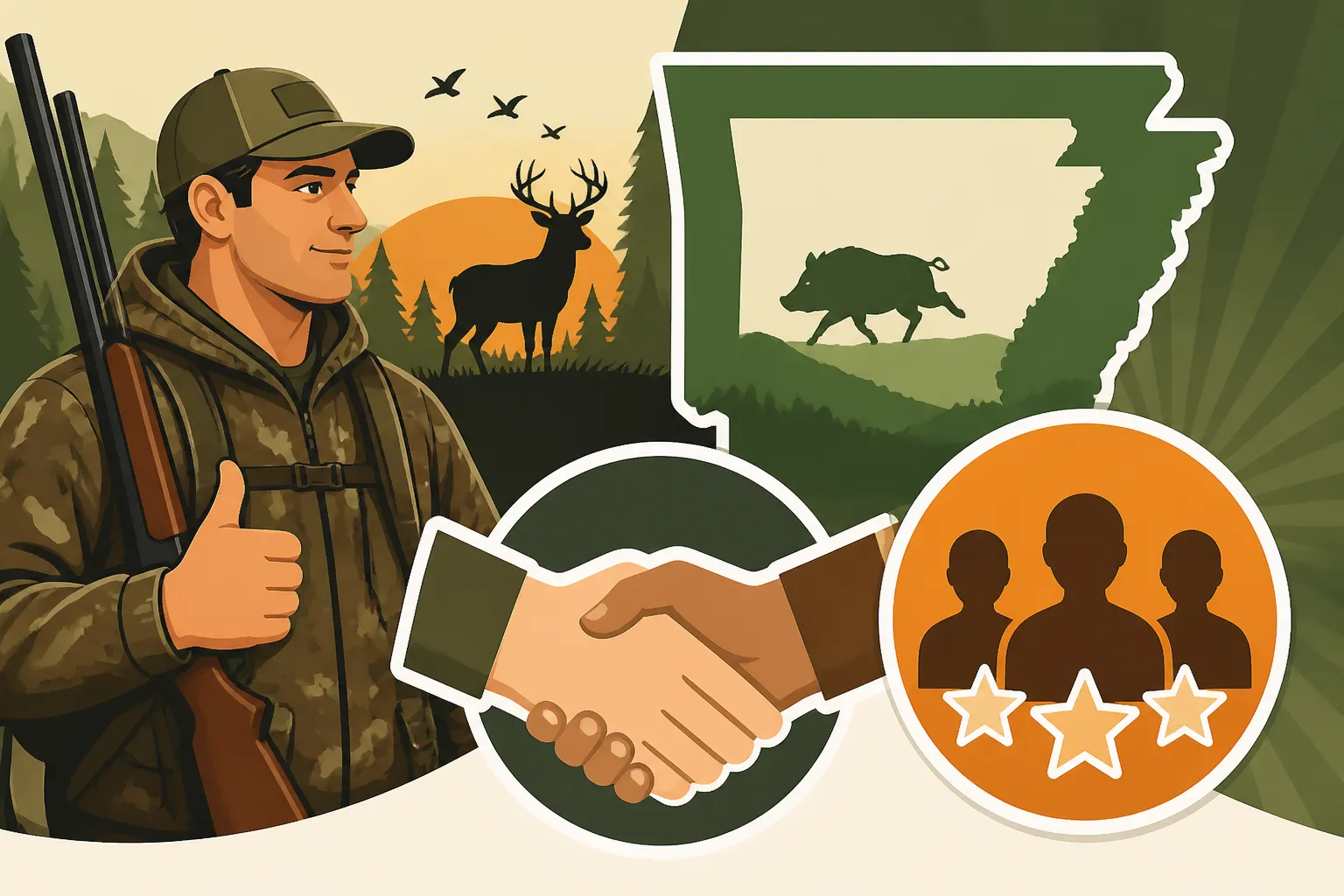
Getting References From Past Clients
Booking a guided hunt in Arkansas, whether it's for ducks in the Delta or a big deer in the Ozarks, can be a significant investment, both financially and in terms of your precious time off. The last thing any hunter wants is to show up for a "dream trip" only to find misleading promises, subpar accommodations, or a guide who’s more interested in their phone than in finding game. This guide is all about empowering you to cut through the marketing hype and get the real scoop on outfitters by tapping into the experiences of past clients.
Why References Are Your Best Friend When Booking a Hunt
It’s easy to get swept up in the glossy photos and enthusiastic testimonials you see on an outfitter’s website or social media. Every outfitter presents their best face forward, and who can blame them? They're running a business. But as any seasoned hunter knows, the reality of a hunt—especially in a place like Arkansas where weather, water, and game movement are constantly changing variables—can be far different from a highlight reel. This is where references become absolutely invaluable. They offer an unfiltered, boots-on-the-ground perspective that no amount of advertising can replicate.
Beyond the Glossy Brochures
Think about it: an outfitter’s website is designed to sell. It will showcase the biggest bucks, the limits of mallards, the beautiful lodge, and smiling faces. And while those things might be true some of the time, they might not tell the whole story of an average day or a challenging week. A good reference call helps you bridge the gap between what's presented and what's actually delivered. You want to understand the consistency of the experience, not just the peak moments. Were the photos taken from their operation, or generic stock images of a successful hunt? Were those happy clients pressured to give a glowing review, or was it genuinely earned?
Moreover, the best hunting experiences often aren't just about killing game; they're about the entire atmosphere, the camaraderie, the professionalism of the staff, and how problems are handled when they inevitably arise. A slick brochure can't convey the personality of a guide, the comfort of the blind, or the quality of the food. Only someone who has lived through the experience can truly speak to those nuances.
The "Too Good to Be True" Trap
Arkansas has a reputation for incredible hunting, particularly for ducks, but that also means there are plenty of operations out there, some more legitimate than others. If an outfitter’s claims seem impossibly good, with guaranteed limits or trophy animals every day, a healthy dose of skepticism is warranted. While success rates can be high in prime areas, hunting is never a sure thing. Nature bats last.
Past clients can help you discern if an outfitter is realistic about expectations. They can tell you if the marketing photos accurately reflect the hunting conditions they encountered, or if it felt like a bait-and-switch. This is particularly important for species like deer where The Arkansas Three-Point Rule can affect what constitutes a legal buck, and for ducks where weather and water levels dictate everything. Getting honest feedback from someone who has already been there allows you to calibrate your own expectations and avoid potential disappointment and financial loss. If an outfitter seems hesitant to provide references, or only offers up a single glowing review, that should immediately raise a red flag.
How to Ask for References Effectively
Asking for references isn't just about getting names and numbers; it's about knowing what to ask for and how to approach the conversation to get the most candid and useful information. You want to be polite and respectful of both the outfitter's and the past client's time, but also thorough.
What to Request from an Outfitter
When you contact an outfitter you're considering, make it clear early on that you’d like to speak with past clients. Don’t wait until you’re ready to put down a deposit. A reputable outfitter will expect this and should have a list ready. Ask for at least three to five references. Here’s why: if they only give you one or two, those are likely their "star" clients who had exceptional experiences, which may not be representative.
Specifically, ask for references who hunted a similar timeframe or species to what you’re interested in. If you want to hunt big bucks in November, a reference who only hunted hogs in March won't be as helpful. Request contact information (phone number and/or email) and mention you prefer to talk on the phone for a more natural conversation. Also, inquire if they have references from different seasons or even years. This can help you understand the consistency of their operation. You might also ask if they have any references from non-local hunters or those who traveled a significant distance, as their perspective on logistics like travel and accommodation might be particularly relevant to you. For guidance on structuring your initial inquiries, check out Questions to Ask an Arkansas Outfitter.
Initial Contact Questions for the Reference
When you first reach out to a past client, introduce yourself and explain that you're considering booking a hunt with [Outfitter Name] and the outfitter provided their contact information. Be respectful of their time and ask if now is a good time to chat, or if you can schedule a call.
Once you have them on the line, start with some general questions to establish their experience:
- "When did you hunt with [Outfitter Name], and what species were you pursuing?" (This helps confirm they hunted what you're interested in and gives you a timeframe.)
- "What was your overall impression of the outfitter and the hunt?" (This opens the door for them to share their general feelings before you dive into specifics.)
- "Would you recommend this outfitter to a friend or family member?" (A direct question that often elicits a concise, honest answer.)
Pay attention not just to what they say, but how they say it. Do they sound genuinely enthusiastic, or do they hesitate and choose their words carefully? A lukewarm response to an overall impression question can be more telling than a critical one, as people often avoid outright negativity.
Diving Deeper into the Hunt Experience
Once you've broken the ice, you can start asking more detailed questions. It's helpful to have a list prepared so you don't forget anything important. Focus on aspects that matter most to you, whether that's the quality of the guides, the food, the lodging, or the actual hunting success. For example, if you’re looking at a duck hunt, you’ll want to know about Setting Decoys in Timber Holes or Hunting Rice Fields After Harvest.
Encourage them to share specific examples. Instead of just asking "Was the guide good?", ask "Can you give me an example of how your guide went above and beyond, or perhaps something they could have improved upon?" Specific anecdotes provide much richer insights than vague generalizations. Also, ask about any challenges they faced – bad weather, slow hunting, unexpected issues – and how the outfitter handled them. No hunt is perfect, and how an outfitter responds to adversity is a true measure of their quality.
Key Questions to Ask Past Clients
This is where the rubber meets the road. Having a structured list of questions ensures you cover all your bases and get a comprehensive understanding of what you can expect. Remember to listen actively and take notes!
Logistics and Accommodations
The hunt isn't just about pulling the trigger; it's about the entire experience from arrival to departure. Don't overlook these crucial details.
- "How accurate were the descriptions of the lodge/accommodations compared to reality?"
- Did the pictures match what you saw? Was it clean, comfortable, and well-maintained? This is especially important if you're looking at a multi-day trip where Lodge Accommodation and Meals are part of the package. Were there any unexpected issues with utilities, heating, or plumbing?
- Many outfitters promise comfortable lodging, but "comfortable" can mean different things to different people. A past client can tell you if it was truly a place you could relax after a long day in the field, or if it was merely adequate. This is particularly relevant if you're traveling a long distance and counting on a certain level of comfort.
- "What was the food like? Were meals provided as advertised?"
- This might seem minor, but good food can make or break a hunting camp experience. Were the meals hearty, satisfying, and on time? Did they accommodate any dietary restrictions you might have had?
- Sometimes outfitters boast about "home-cooked meals," but the reality can be far from it. Asking a reference about the quality and quantity of food helps set proper expectations, especially if you're booking an all-inclusive trip.
- "How was the communication before, during, and after the hunt?"
- Did the outfitter provide clear instructions for travel, licensing, and what to bring? Were they responsive to questions? During the hunt, was there clear communication about daily plans, changes due to weather, or unexpected events?
- Good communication is a hallmark of a professional operation. A lack of clear instructions or slow responses before the hunt can be a sign of disorganization, which might carry over into the hunt itself. You want to feel informed and prepared, not left guessing.
- "Were there any hidden costs or unexpected fees not outlined in the initial booking?"
- No one likes surprises when it comes to money. Were tips, transportation from the airport, caping/processing fees, or other incidentals clearly explained upfront? For details on what an outfitter typically includes, see What an Arkansas Hunt Price Includes.
- Some outfitters are transparent, while others might have a list of small charges that add up. A past client can confirm whether the price they paid was truly all-inclusive or if they were nickel-and-dimed for every little thing.
The Hunt Itself
These questions get to the core of why you're booking the hunt in the first place: the actual experience in the field.
- "How knowledgeable and professional were the guides?"
- Did they know the hunting grounds well? Were they ethical, patient, and good communicators? Did they prioritize safety? Were they genuinely working hard to put you on game? For specific expectations, read Tipping Guides and Dog Handlers.
- A great guide is a huge asset. They should be more than just a driver; they should be a mentor, a strategist, and a companion. Asking about their demeanor, their hunting acumen, and their commitment to client success will give you a good idea of what to expect.
- "What were the hunting conditions like (weather, game activity, pressure) during your trip?"
- Did the outfitter adapt to changing conditions? Were hunting locations varied, or did you hunt the same spot repeatedly? Were other hunters present, and how did that impact your experience?
- Arkansas hunting can be unpredictable. A good outfitter doesn't control the weather or the deer movement, but they do control their response. Did they have backup plans for high water in the duck woods or for warm weather impacting deer movement?
- "Did you feel the outfitter made an honest effort to put you on game, regardless of success?"
- Success isn't guaranteed, but effort should be. Did the guides scout effectively? Did they adjust tactics? Was the equipment (blinds, boats, decoys) in good working order?
- It's one thing to not harvest an animal; it's another to feel like the effort wasn't there. A reference can tell you if the outfitter was truly invested in their client's success, even if the animals didn't cooperate. This is especially relevant if considering Guided Versus DIY Hunting in Arkansas.
- "How were wounded animals handled? Did the outfitter assist with tracking and recovery?"
- This is a critical ethical consideration. A responsible outfitter will make every effort to recover wounded game. What was their policy and practice?
- No one wants to wound an animal, but it happens. Knowing the outfitter's approach to tracking, having appropriate dogs or equipment, and their commitment to recovery speaks volumes about their ethical standards.
- "For duck hunts: How was the water in the timber or fields? Were the blinds comfortable and well-maintained?"
- This is highly specific to Arkansas waterfowl hunting. Was the water level appropriate for hunting and accessing the blinds? Were the blinds brushed in effectively and dry?
- Hunting Arkansas Flooded Green Timber or Hunting Rice Fields After Harvest relies heavily on water conditions. A reference can confirm if the outfitter has control over water management or if they are at the mercy of natural conditions, and how that impacts the hunt.
Post-Hunt Experience and Follow-Up
The experience doesn't end when the hunt is over. What happens next is important, especially for out-of-state hunters.
- "How was the game processing and handling (if applicable)?"
- Was there a clean and efficient facility for processing game? Were they able to help arrange for taxidermy or shipping of meat? For deer hunters, understanding Butchering a Deer at Camp or arrangements for a local processor is key.
- Proper game handling is crucial for meat quality and legal compliance. A reference can tell you if this aspect was well-managed or if it created additional stress or cost.
- "Were there any issues with final billing, photos, or post-hunt communication?"
- Sometimes problems arise after the hunt is over. Was the final invoice accurate? Did you receive photos or videos as promised? Did the outfitter follow up appropriately?
- A professional outfitter will ensure a smooth experience even after you've left. This includes accurate billing and delivering on any promises made regarding media or follow-up.
Interpreting What You Hear (and What You Don't)
Getting the information is one thing; understanding what it really means is another. You need to develop a critical ear and look for patterns and omissions.
Spotting Red Flags and Inconsistencies
One glowing review among several lukewarm ones should give you pause. If all the references sound too perfect and rehearsed, that’s also a red flag. People usually have specific anecdotes, both good and bad, that make their stories unique.
Look for inconsistencies. If the outfitter promised "exclusive hunting access" but one reference mentions crowded blinds or seeing other hunting parties, that's a discrepancy. If they claim a high success rate, but multiple references talk about slow hunting or few opportunities, that's another. Also, pay attention to repeated complaints. If three out of four references mention poor food or unorganized guides, that's a pattern, not an isolated incident. These can be strong indicators of Red Flags When Booking in Arkansas.
The Silence Speaks Volumes
Sometimes, what isn't said is just as important as what is. If a past client is hesitant, gives very short answers, or avoids specific details, they might be trying to be polite while indicating a negative experience. They might not want to bad-mouth the outfitter directly but also can't honestly give a glowing review.
If an outfitter is reluctant to provide references at all, or only offers family members or close friends, that should be a massive warning sign. A truly confident and reputable operation will have no problem putting you in touch with recent clients who can vouch for them. It might even mean they don't have any satisfied recent clients who would agree to be a reference.
Comparing Multiple References
Don't just take one person's word for it. The more references you speak with, the more complete and balanced a picture you'll get. Look for common themes and consistent feedback. If multiple people rave about the guide's dedication, the fantastic meals, or the challenging but rewarding hunting, you can feel more confident. Conversely, if recurring issues surface across several conversations – say, difficulties with Arkansas Waterfowl Seasons and Zones or guides who weren't prepared for the hunt – then those are genuine concerns you need to address.
Create a simple spreadsheet or note system to track your conversations. This allows you to easily compare feedback across different references on key topics like guide quality, food, lodging, and hunting opportunities.
| Aspect of Hunt | Reference 1 Feedback | Reference 2 Feedback | Reference 3 Feedback |
|---|---|---|---|
| Outfitter (Overall) | Very professional, highly recommended | Good experience, a few minor hiccups | Disappointing, wouldn't rebook |
| Guides | Dedicated, knowledgeable, went extra mile | Friendly, but sometimes seemed disorganized | Unenthusiastic, spent time on phone |
| Accommodations | Clean, comfortable, as advertised | A bit rustic, but fine for a hunt camp | Dirty, broken amenities, misleading photos |
| Meals | Excellent, home-cooked, plenty of food | Adequate, not gourmet but filling | Basic, repetitive, often cold |
| Hunting Success | Consistent opportunities, great bird numbers | Slow at times, but still managed to harvest | Very few opportunities, low bird/deer numbers |
| Communication | Responsive, clear instructions | Decent, but slow to respond at times | Poor, felt out of the loop, no pre-hunt info |
| Overall Value | Worth every penny | Fair value for the price | Overpriced for the experience |
This table helps visualize patterns and identify areas of consistent strength or weakness.
Beyond Direct References: Other Vetting Methods
While direct references are paramount, they aren't the only tool in your vetting arsenal. Combine them with other research methods to build the most comprehensive picture possible of an outfitter.
Online Reviews and Forums
The internet is a treasure trove of information, both good and bad. Search for the outfitter's name on popular hunting forums, review sites, and social media platforms. Websites like BookYourHunt and GoHunt often feature reviews from past clients, though it's important to read these with a critical eye, as some can be overly positive or negative. Look for patterns in reviews and pay attention to specific details. Were the complaints similar to what you heard from direct references? Were positive reviews genuinely detailed, or vague?
Beware of review sites where all reviews are five-star and perfectly worded; this can sometimes indicate manipulated feedback. Also, understand that people are more likely to post a review when they've had an exceptionally good or exceptionally bad experience. The average hunt often goes unreviewed. Read everything, but weigh direct conversations with references more heavily.
Professional Affiliations and Certifications
A reputable outfitter will often be affiliated with professional organizations or have specific certifications. In Arkansas, this might include associations related to wildlife management, conservation, or tourism. While not a guarantee of a perfect hunt, these affiliations often indicate a commitment to industry standards and best practices.
- Are they part of any state or national outfitter associations?
- Do their guides have relevant certifications (e.g., first aid, CPR)?
- Do they actively participate in conservation efforts related to White-Tailed Deer Across Arkansas or Arkansas Waterfowl on the Mississippi Flyway?
These affiliations can show a deeper commitment to the industry and ethical practices beyond just making a buck (pun intended!).
Checking Licensing and Insurance
This is a non-negotiable step. Any legitimate outfitter in Arkansas should be properly licensed and insured. Don't assume; ask for proof. This protects both you and the outfitter in case of an accident or unforeseen event. A professional outfitter will have no issue providing this information.
- Business License: Ensure they are properly registered to operate in Arkansas.
- Outfitter/Guide License: Confirm their guides hold any required state licenses.
- Liability Insurance: Ask about their general liability insurance coverage. This protects you in case of injury or property damage during the hunt. This detail should also be covered in any Outfitter Contracts and Deposits in Arkansas discussion.
A reluctance to share this information is a major red flag. You want to hunt with someone who operates legally and responsibly.
Choosing the right outfitter can make all the difference between a memorable, successful hunting trip and a disappointing waste of time and money. While enticing websites and social media feeds are great for initial browsing, nothing beats the candid, real-world insights from past clients. Take the time to make those calls, ask the tough questions, and listen carefully to the answers. Combine this with online research and a check of their official credentials, and you'll be well on your way to booking an Arkansas hunting adventure that truly lives up to its promise. After all, your hard-earned money and precious time in the field deserve nothing less than a thoroughly vetted experience.
Disclaimer
This article is for general informational purposes only and does not constitute professional advice. Laws, prices and regulations vary by location and change over time. Consult a qualified professional for guidance on your specific situation.