Dog Vaccination Requirements for Travel
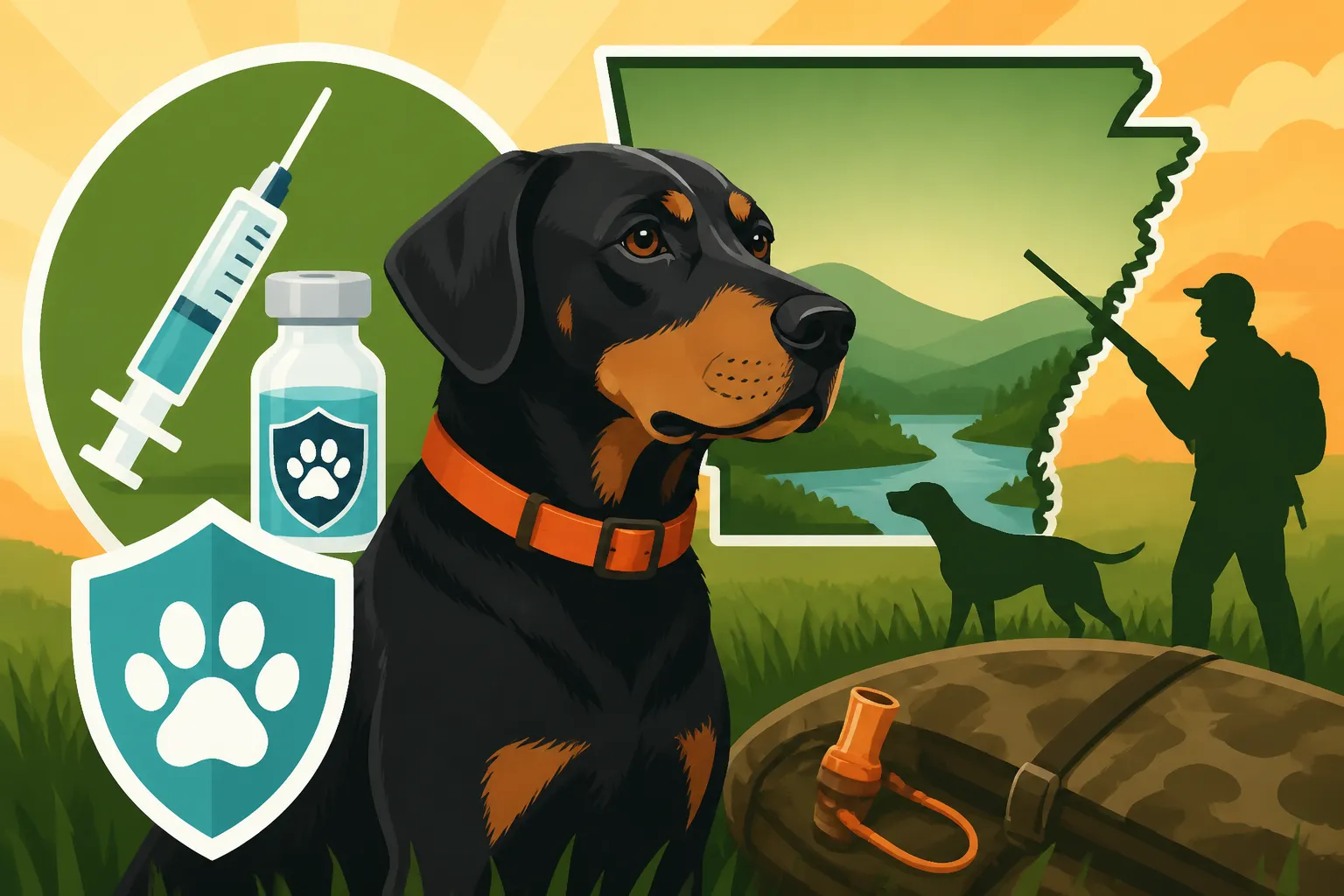
Okay, folks, let's talk about something that often slips our minds until the last minute when we're gearing up for a big hunt: our loyal canine companions and their health paperwork. You've booked that perfect duck blind or deer stand, bought your Arkansas Hunting Licenses and What They Cost, and your dog is practically doing backflips with anticipation. But then it hits you: are their vaccinations up to snuff for travel? It's a common worry, and nothing ruins a trip faster than a sick dog or an unexpected tangle with regulations. This guide is all about ensuring your furry hunting partner is fully prepared, healthy, and legally compliant for your Arkansas hunting adventure.
Why Vaccinations Matter for Your Hunting Dog and the Wider Community
It’s easy to get caught up in the excitement of a hunting trip and view vaccinations as just another item on a seemingly endless checklist. However, the truth is, your dog’s vaccination status is about so much more than just ticking a box. It’s fundamentally about safeguarding their health, protecting other animals they might encounter, and even ensuring the well-being of the humans around them. Hunting dogs are naturally curious and often find themselves in situations that increase their risk of exposure to various diseases, whether they're retrieving in a swampy bottomland or tracking game through dense woods.
Consider the environment your hunting dog operates in. They’re nosing through brush, wading through standing water, and interacting with wildlife—or at least the scent of it—constantly. This puts them in direct contact with potential pathogens from contaminated soil, water, and even the bodily fluids of wild animals. For instance, a common concern in many parts of the country, including Arkansas, is rabies, which can be carried by foxes, raccoons, and skunks. A seemingly minor scratch or bite from an infected critter could have devastating, even fatal, consequences for your best friend if they aren't protected. It's not just a hypothetical threat; it's a very real danger in the field, particularly in areas where wildlife populations are robust.
Beyond the immediate health risk to your own dog, there’s a significant community responsibility when you travel with hunting dogs. Bringing an unvaccinated or under-vaccinated dog into a new area carries the risk of introducing or spreading diseases to local wildlife populations, to domestic animals, or to other hunting dogs in camp. Imagine the heartbreak and logistical nightmare if you unwittingly caused an outbreak of parvovirus or distemper at a popular WMA or a hunting lodge. No responsible hunter wants to be the source of such a problem. Therefore, ensuring your dog is fully vaccinated is a critical part of ethical hunting and responsible dog ownership, offering peace of mind for you and protection for the broader hunting community.
Essential Vaccinations and Health Considerations for Arkansas Travel
When you're making plans for that incredible hunt in the Natural State with your dog, there are a few key vaccinations that are not just highly recommended, but often legally required or critically important for their safety. The absolute cornerstone of any canine vaccination regimen, and a non-negotiable for interstate travel, is the rabies vaccine. Rabies is a horrifying, fatal disease that poses a severe risk to both animals and humans, which is why its control is a public health priority across the nation. Many states, including Arkansas, require proof of current rabies vaccination for dogs entering the state. So, this should be the very first thing you confirm is up-to-date, and make sure you have both your dog's rabies tag and a physical copy of their certificate readily accessible.
Beyond rabies, several other core vaccinations are incredibly important for a hunting dog's overall health and ability to withstand the challenges of the field. These commonly include the DHPP or DAPP vaccine, which provides protection against Distemper, Adenovirus (Hepatitis), Parvovirus, and Parainfluenza. Parvovirus, in particular, is extremely resilient in the environment and can be rampant in areas with high dog traffic, such as popular hunting grounds. It's highly contagious and often deadly, especially for puppies or immunocompromised dogs. Distemper is another severe, multisystemic viral disease that can lead to debilitating illness or death. Having these protections in place gives your dog a strong line of defense when they're exposed to new environments, unfamiliar terrain, and other animals.
Then we move into what are often called "non-core" but are nonetheless highly recommended vaccinations for active hunting dogs, particularly those traveling to areas like Arkansas. Leptospirosis is a big one to consider. This bacterial disease is primarily spread through the urine of infected wildlife such as deer, raccoons, and rodents, and it can readily contaminate water sources and wet soil. Given that hunting dogs are frequently wading through ponds, creeks, and Hunting Arkansas Flooded Green Timber, their risk of exposure is quite high. Another vaccine worth discussing with your veterinarian is for Lyme disease, especially given the prevalence of ticks in the dense woods of the Ozarks or the brushy areas of the Delta. Lastly, the Bordetella vaccine (commonly known as kennel cough) is a very smart choice if your dog will be around other dogs, whether at a hunting lodge that offers Kennel Facilities at Arkansas Lodges or in busy staging areas before a group hunt. It’s always best to have a thorough discussion with your veterinarian well in advance of your trip to tailor the optimal vaccination and preventative health plan for your specific hunting activities and your dog’s unique risk factors.
It's also crucial to understand that many veterinarians highly recommend an official health certificate for interstate travel, even if it's not universally mandated by every state for every situation. This official document, issued by an accredited veterinarian within a specific window (often 10 to 30 days) before your travel date, attests that your dog was examined and appeared healthy and free of contagious diseases at the time of examination. This certificate can be incredibly valuable, potentially saving you significant trouble if you happen to encounter an official who requests proof of health, or if your dog experiences a health issue while away from home. Always, always verify the latest requirements directly with the Arkansas Department of Agriculture or the Arkansas Game and Fish Commission to ensure you meet all necessary criteria for your dog’s entry and presence in the state.
| Vaccination Type | Why It's Crucial for Hunting Dogs Traveling to Arkansas | Typical Initial Schedule | Booster Schedule |
|---|---|---|---|
| Rabies | Legally required for interstate travel; fatal disease transmitted by wild animals (raccoons, foxes, skunks). Essential for public safety. | Puppy series (often 1 shot), then 1-year or 3-year | Required per vaccine type (e.g., annually or every 3 years) |
| DHPP (Distemper, Hepatitis, Parvovirus, Parainfluenza) | Protects against highly contagious and often deadly viral diseases common in areas with other dogs and wildlife (e.g., Camping on Arkansas WMAs). | Puppy series (multiple shots), then annual or 3-year | Required per vaccine type (e.g., annually or every 3 years) |
| Leptospirosis | High risk for dogs exposed to contaminated water or wet soil from wildlife urine, especially in flooded areas or near creeks. Can cause severe organ damage. | Initial series of 2 shots, then annual | Required annually |
| Bordetella (Kennel Cough) | Prevents respiratory illness; highly recommended if your dog will be kenneled or in close contact with many other dogs (e.g., at hunting camps or lodges). | Annual (often intranasal or oral application) | Required annually |
| Lyme Disease | Protects against a tick-borne bacterial disease prevalent in wooded and brushy areas, which hunting dogs frequently encounter (e.g., Hunting Ozark Ridges and Hollows for Deer). | Initial series of 2 shots, then annual | Required annually |
Navigating Arkansas Regulations and Best Practices for Traveling with Hunting Dogs
So, you've diligently covered all the core vaccinations, and your trusted veterinarian has given your dog a glowing bill of health. What's the next step to ensure a smooth, worry-free trip into Arkansas? While specific laws regarding interstate animal travel can sometimes feel like a maze, Arkansas, much like other states, primarily focuses on common-sense health precautions. The most significant and universally enforced legal requirement for dogs entering Arkansas from another state is usually a current rabies vaccination. This isn't just a recommendation; it's a fundamental legal and public health safeguard. Always carry a physical copy of your dog's rabies vaccination certificate, and ensure their rabies tag is securely on their collar at all times. This quick proof can prevent a lot of headaches.
Beyond the mandatory rabies vaccine, while a general health certificate from a licensed veterinarian isn't always a strict legal mandate for every single dog entering Arkansas, it is an overwhelmingly strong and highly recommended best practice. This certificate, which should be issued within a relatively short timeframe (typically 10 to 30 days) of your travel date, serves as official confirmation that your dog was examined and found to be in good health and free of obvious infectious diseases. Think of it as a "good conduct" pass for your canine companion; it demonstrates that you've been a responsible owner and helps mitigate the risk of disease transmission within the state's precious wildlife populations and among other hunters' dogs. This document becomes particularly valuable if you plan to stay at a commercial hunting lodge, participate in organized hunts, or if you simply want to avoid any potential questions from officials. These establishments often have their own specific health requirements for guest dogs.
Another vital aspect of bringing a hunting dog to Arkansas is carefully managing their interactions with local wildlife and other dogs. Arkansas is teeming with diverse game, but also non-game animals, some of which can carry diseases or pose direct threats. Being keenly aware of potential encounters with critters like feral hogs, coyotes, or even unvaccinated domestic animals in rural areas is paramount. Maintaining excellent leash control in public spaces and remaining vigilant in the field can proactively prevent many unnecessary risks. If your hunt takes you to public hunting grounds, such as a Wildlife Management Area (WMA), it’s crucial to remember that specific rules apply concerning activities like Dog Training on Arkansas WMAs or Running Deer Dogs in Arkansas. Always confirm that your dog's activities align perfectly with the regulations for the specific area and hunting season you are targeting.
Finally, prepare for the unpredictable. Even with the most meticulous planning, unforeseen circumstances can arise. Before you leave home, identify the nearest veterinary clinics to your chosen hunting destination. If you're staying at a lodge, ask them about their preferred local vet or any emergency protocols they have in place, as some outfits might even have arrangements for Vet Care and Dog Injuries on a Trip. Packing a basic dog first-aid kit with essentials like bandages, antiseptic wipes, and any regular medications your dog takes is a smart move. Having a clear, well-thought-out plan for your dog’s care, from their pre-trip vaccinations to potential emergency contacts, will allow you to focus more fully on the thrill of the hunt, knowing that your loyal companion is as safe and well-prepared as possible.
Planning Ahead for a Seamless Hunting Trip with Your Dog
Successfully getting your hunting dog ready for an Arkansas adventure involves more than just a quick round of shots; it’s about embracing a comprehensive approach to their health and your travel logistics. The absolute first step, and arguably the most crucial, is to schedule a thorough visit with your veterinarian well in advance of your anticipated travel dates. Seriously, don't wait until the week before you plan to leave! Ideally, you should aim for a vet appointment a month or two out. This ample lead time provides a comfortable window to get any necessary booster shots administered, obtain any required health certificates, and most importantly, discuss any specific concerns tailored to your dog's breed, age, health history, or the specific demands of your hunt. This proactive planning is your best defense against unwelcome surprises right before you hit the road.
During this critical vet visit, be sure to clearly outline your specific hunting plans for your dog. Will they be spending extensive time in water, perhaps in the frigid depths of Green Timber Duck Hunting in Arkansas? Will they be vigorously running through thick brush and dense cover in the Ozarks or Ouachitas, potentially increasing their exposure to ticks, briars, and other hazards? Your veterinarian, armed with this detailed information, can then provide highly personalized advice. This might include recommending additional preventative measures like enhanced flea and tick control products, suggesting specific dietary adjustments to support their increased activity level, or even recommending supplements to support joint health. It's also an excellent opportunity to ensure your dog is on a high-quality, nutrient-dense food that can adequately fuel the rigorous physical demands of a sustained hunting trip.
Beyond the medical preparations, consider the practicalities of the travel itself. If you're embarking on a long drive, plan for frequent, regular stops where your dog can stretch their legs, drink fresh water, and relieve themselves. Always ensure your dog is safely secured within your vehicle, whether it’s in a well-ventilated travel crate or using a proper safety harness. Once you arrive in Arkansas, remain acutely mindful of the local environment. Arkansas weather, particularly during the earlier hunting seasons like Bowhunting Arkansas in September Heat, can be surprisingly warm, posing a significant risk of overheating for active dogs. Always provide abundant fresh water and ample shade, and crucially, never, ever leave your dog unattended in a vehicle, even if the day feels mild.
Finally, think through your lodging and available services. If you’re considering booking a guided hunt, be sure to inquire with the outfitter about their specific policies regarding hunting with dogs and what facilities they provide, as discussed in detail in Bringing Your Own Dog on a Guided Hunt. Some lodges boast fantastic kennel setups, while others might prefer that dogs stay in your vehicle or a personal travel crate. For those planning a self-guided adventure, resources like BookYourHunt or GoHunt can sometimes offer valuable insights into dog-friendly accommodations or specific public land regulations for areas like Camping on Arkansas WMAs. Having all these logistical details squared away well in advance will not only guarantee your dog’s safety and comfort but also allow you to immerse yourself fully in the incredible hunting opportunities that Arkansas so generously offers. After all, a healthy, comfortable, and well-prepared dog truly makes for the best, most enjoyable, and most successful hunting partner imaginable.
Disclaimer
This article is for general informational purposes only and does not constitute professional advice. Laws, prices and regulations vary by location and change over time. Consult a qualified professional for guidance on your specific situation.