Spring Snow Goose Outfitters in the Delta
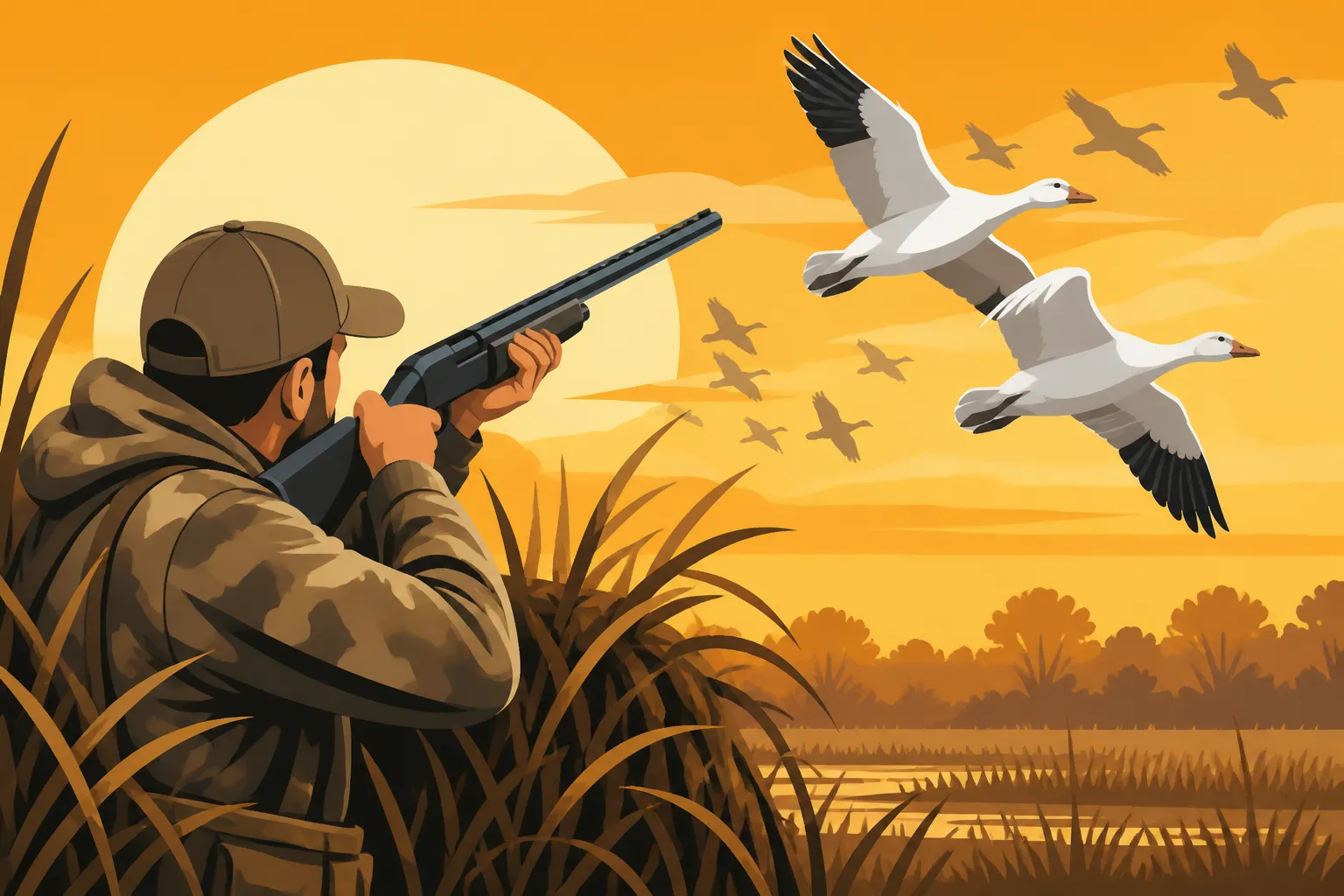
The sheer numbers of snow geese that descend upon the Arkansas Delta during the spring conservation order can be awe-inspiring, but turning that spectacle into a successful hunt is often a monumental challenge for the uninitiated. This guide aims to demystify the process of booking a guided spring snow goose hunt, helping you understand what these specialized trips entail and how to choose an outfitter that fits your hunting style and expectations.
Understanding the Spring Snow Goose Conservation Order
The spring snow goose season isn't your typical waterfowl hunt; it's a special conservation effort designed to reduce the massive populations of migrating snow, blue, and Ross's geese that are literally eating themselves out of house and home on their Arctic breeding grounds. This unique challenge requires an equally unique approach, which is why outfitters are so prevalent and popular.
What Makes This Hunt Different
Unlike regular duck or goose seasons with strict bag limits and specific legal methods, the spring snow goose conservation order throws many of those rules out the window. We're talking about extended shooting hours, no daily bag limits, and the allowance of electronic calls (e-callers) and unplugged shotguns. This isn't just a hunt; it's an all-out effort to make a significant impact on an ecological problem. The sheer volume of birds involved means that what might be considered "overkill" in another hunting scenario becomes a necessary tool for population control. It's an intense, high-energy experience unlike any other waterfowl hunt.
The tactics employed are scaled up dramatically. Instead of a dozen decoys, you're talking about hundreds, sometimes thousands, spread across a massive field. Instead of a single duck call, you have powerful electronic sound systems mimicking thousands of geese. The goal isn't just to shoot a few birds for dinner; it's to decoy massive flocks, creating a chaotic, exhilarating scene that can leave even seasoned hunters speechless. This level of effort and equipment is precisely why many hunters opt for a guided experience – the logistics of a DIY snow goose spread are immense.
Why Outfitter Help is Crucial for Snow Geese
Trying to set up for spring snow geese on your own in the Arkansas Delta can quickly become a lesson in frustration and exhaustion. These birds are incredibly wary, travel in enormous flocks, and require an immense spread of decoys, often 1,000 or more, to even consider setting down. Factor in the sheer volume of gear, the need for powerful electronic calls, and access to private fields where the birds are feeding, and it becomes clear why outfitters are indispensable. They have the land access, the equipment, the experience, and the manpower to scout and set up these elaborate spreads day after day.
A good outfitter doesn't just provide gear; they provide expertise. They understand the patterns of these migrating birds, knowing which fields they prefer based on current agriculture, weather conditions, and hunting pressure. They have relationships with landowners, securing the crucial private access that often determines success. Furthermore, they bring a team to help deploy and retrieve hundreds of full-body or Sentry decoys, set up large white layout blinds or fence row blinds, and manage the complex e-caller systems. Without this specialized support, most hunters would struggle to even get close to these intelligent, highly pressured birds.
Key Regulations and Exemptions
While the conservation order offers some significant relaxations, it's still hunting, and there are rules. It’s crucial to understand the Light Goose Conservation Order Dates and how they differ from regular waterfowl seasons. For instance, while unplugged shotguns are generally allowed, there are still caliber restrictions, and you'll absolutely need to use Nontoxic Shot Rules in Arkansas. You'll also need to ensure you have all the necessary state hunting licenses and federal waterfowl stamps, even if the bag limits are off. Always check the current regulations issued by the Arkansas Game and Fish Commission (AGFC) before your hunt, as rules can occasionally change.
One of the most exciting aspects is the extended shooting hours, often allowing hunting from thirty minutes before sunrise until thirty minutes after sunset. This gives hunters far more opportunities to intercept incoming and outgoing flocks, especially during the middle of the day when geese might be loafing or working distant fields. However, even with these relaxed rules, safety remains paramount. Responsible outfitters will ensure all hunters understand and follow safe firearm handling practices, especially in the chaotic environment of a large snow goose spread. It’s a conservation hunt, yes, but it’s still a true hunt, and ethical behavior is expected.
Finding Reputable Spring Snow Goose Outfitters
Choosing the right outfitter can make or break your spring snow goose hunting experience. With many operations vying for your business in the Arkansas Delta, it's essential to do your homework and not rush into a decision.
Where to Start Your Search for Delta Guides
Starting your search for a reputable spring snow goose outfitter in the Arkansas Delta can feel like navigating a maze. A great first step is to leverage online booking platforms and specialized hunting websites. Sites like BookYourHunt and GoHunt are designed specifically to connect hunters with guides, offering a centralized place to browse available hunts, read reviews, and compare packages. These platforms often vet outfitters to some degree, providing a baseline of credibility and helping you find operations that are actively booking for the spring snow goose season in Arkansas.
Beyond these dedicated platforms, don't underestimate the power of word-of-mouth. Ask fellow hunters, especially those who have experience with Snow Goose Tactics in the Delta or other waterfowl hunts in the region. Hunting forums, Facebook groups dedicated to Arkansas waterfowl, and even local tackle shops in towns like Stuttgart or Brinkley can be goldmines for recommendations. Look for guides who specialize specifically in spring snow geese, as this niche requires a particular skill set and equipment that differs significantly from traditional duck or specklebelly hunts.
Vetting an Outfitter's Experience and Success
Once you have a few potential outfitters in mind, it's time to dig deeper and vet their operations. Don't just look at pretty pictures of piled-up geese; ask specific questions. How many years have they been guiding spring snow geese in the Delta? Do they own or lease their own ground, and how much acreage do they have access to? This is important because access to diverse fields is critical when geese shift patterns. A reliable outfitter will be transparent about their operation and willing to share details. You can get more tips on evaluating guides by looking at Checking an Arkansas Outfitter's Reputation.
Furthermore, ask for references—not just one, but several from recent clients. A good outfitter will be happy to provide contact information for people who have hunted with them in the past year or two. When you call these references, ask about the guide's professionalism, the quality of the equipment (decoys, blinds, e-callers), the cleanliness of the facilities if lodging is included, and how they handled difficult hunting days. No outfitter can guarantee limits, but a consistent track record of effort, good scouting, and a positive attitude, even on slow days, speaks volumes.
Questions to Ask Before Booking
Before you commit, arm yourself with a solid list of questions. Don't be shy; a reputable outfitter will appreciate your thoroughness. Here’s a checklist of things to cover:
| Question Category | Specific Questions to Ask | Why It Matters |
|---|---|---|
| Hunt Details | What is the typical group size per blind/spread? | Affects comfort, shooting opportunities, and guide attention. |
| What does a typical hunting day look like (start/end times)? | Helps manage expectations and plan travel. | |
| What kind of blinds do you use (layout, permanent, fence row)? | Impacts concealment, comfort, and physical demands. | |
| Are shotguns and ammunition provided, or do I bring my own? | Critical for planning gear and understanding costs. | |
| How many decoys are typically deployed? | Large numbers are essential for spring snows; indicates serious effort. | |
| What happens if weather prevents hunting? | Crucial for understanding cancellations, refunds, or rescheduling policies. | |
| Costs & Fees | What is included in the price (meals, lodging, bird cleaning)? | Avoids hidden costs; refer to What an Arkansas Guided Duck Hunt Costs for context. |
| What are the deposit requirements and cancellation policy? | Financial protection; helps plan for unforeseen circumstances. | |
| What is the expected gratuity for guides and staff? | Good to budget for; review Tipping Guides and Dog Handlers. | |
| Logistics | What licenses and stamps do I need, and where can I get them? | Ensures you're legally compliant. |
| What is the nearest airport/town for travel? | Helps with travel planning. | |
| Do you have facilities for cleaning and packaging birds? | Important for preserving your harvest for the trip home. | |
| Can I bring my own hunting dog? (If applicable) | Some outfitters allow it, others don't; clarify policies. |
Getting clear answers to these questions will help you compare options objectively and ensure there are no surprises once you arrive in the Delta. It’s also a good indicator of an outfitter’s professionalism if they can answer these questions thoroughly and confidently.
What to Expect on a Guided Snow Goose Hunt
A guided spring snow goose hunt is an immersive experience. It's not just about pulling a trigger; it's about being part of a well-oiled machine designed to trick thousands of migrating birds. Understanding the setup, the guide's role, and the environment will help you enjoy the hunt even more.
The Gear and Setup: Decoys, E-Callers, and Blinds
When you arrive at a guided snow goose hunt, prepare to be amazed by the sheer scale of the operation. Instead of the relatively modest decoy spreads you might see for Hunting Arkansas Flooded Green Timber or even traditional duck hunting, snow goose spreads are enormous. We're talking hundreds, often thousands, of full-body decoys, silhouette decoys, and flyer kites, meticulously placed across a vast agricultural field. The outfitter's crew will have already spent hours, often in the dark, setting this up to mimic a giant feeding flock of geese, aiming to draw in wary high-fliers.
Accompanying this massive decoy spread is the electronic caller system. Forget mouth calls; these are powerful sound systems with multiple speakers strategically placed within the spread, broadcasting the cacophony of thousands of feeding, roosting, and flying snow geese. This auditory deception is crucial for convincing large flocks that it's safe to descend. Your blinds will likely be white, low-profile layout blinds designed to disappear into the stubble of a harvested field, or perhaps fence-row blinds offering a bit more upright comfort if the situation allows. These setups are elaborate, labor-intensive, and represent a significant investment by the outfitter, all aimed at one goal: bringing those high-flying snows into gun range.
The Role of the Guide and Dog Handler
Your guide is the conductor of this feathered orchestra. They've spent countless hours scouting Hunting Rice Fields and Levees or other agricultural fields, watching bird movements, and understanding where the geese are currently feeding and roosting. Their job is not just to point you to a field; it’s to read the birds, adjust the e-caller volume, direct the shooting, and ensure everyone is safe and has a fair opportunity. They'll be watching for incoming flocks, judging their altitude and trajectory, and giving commands to get ready or hold fire.
Often, a good snow goose outfitter will also have dedicated dog handlers with well-trained retrievers. While not every bird will fall dead in the spread, many will be crippled or sail off, and having experienced dogs and handlers is invaluable for efficient recovery. These dogs are working machines, often covering vast distances in challenging terrain to retrieve downed birds, which is critical for ethical hunting and maximizing your harvest. If you're considering bringing your own dog, make sure you've discussed it thoroughly with the outfitter beforehand, as not all operations are equipped to handle client dogs, and it can sometimes disrupt the flow of the hunt if your dog isn't accustomed to such a high-volume, chaotic environment.
Field Conditions and Hunting Scenarios
Be prepared for varying field conditions in the Delta. Spring weather can be unpredictable, ranging from warm and sunny to cold, wet, and muddy. You might be hunting in a freshly cut corn field, a stubble soybean field, or even a flooded rice field, depending on the outfitter's access and the geese's preference. This means wearing appropriate layers, waterproof gear, and comfortable, sturdy boots is non-negotiable. Hunting from layout blinds can be physically demanding, requiring you to lie flat for extended periods and then quickly sit up and shoot.
Hunting scenarios can be incredibly diverse, even within a single day. You might start with a morning flight of thousands of birds working the edge of the spread, requiring patience and precise shooting. Later, as the sun gets higher, you might see smaller groups circling warily, testing the limits of your decoys and calling. Some days, the geese might be "decoy shy" due to pressure, only giving you a fleeting pass shot. Other days, they might commit fully, creating a surreal experience of hundreds of birds descending into the spread, offering a truly overwhelming and exciting shooting opportunity. It's this unpredictability and the potential for a massive "tornado" of geese that makes spring snow goose hunting so addictive.
Costs and Logistics of a Delta Snow Goose Hunt
Booking a guided hunt involves more than just showing up with your shotgun. Understanding the financial commitments and planning your logistics carefully will ensure a smooth and enjoyable experience.
Understanding Pricing Structures
The cost of a guided spring snow goose hunt in the Arkansas Delta can vary significantly depending on the outfitter, the length of the hunt, and what's included. Most operations offer day hunts, where you pay for a single morning or full day of hunting. However, many hunters opt for multi-day packages, which might include lodging, meals, and multiple hunts. These packages generally offer a better per-day value and allow for more time in the field to adapt to the birds' patterns and the guide's tactics. It’s always best to get a detailed breakdown of what’s included in the price – are licenses, gratuities, or bird cleaning services extra?
Prices are often quoted per person, with discounts sometimes available for larger groups. Remember that these prices reflect the significant investment an outfitter makes in equipment (thousands of decoys, expensive e-callers, blinds, ATVs for transport), land leases, guide wages, and scouting time. Don't simply compare the bottom line; compare what you're getting for that price. A slightly more expensive hunt might offer better accommodations, more experienced guides, or access to less pressured ground, ultimately leading to a more satisfying experience. Always clarify the exact dates of the hunt, as prime periods might command a higher rate.
Deposits, Cancellations, and Tipping Etiquette
Booking an outfitter hunt almost always requires a deposit, often a non-refundable percentage of the total trip cost. This deposit secures your dates and helps the outfitter cover initial costs and turn away other business. Be sure to understand the cancellation policy completely. What happens if you have to cancel? What if the outfitter has to cancel due to unforeseen circumstances like severe weather or lack of birds? Some outfitters might offer to reschedule, while others may have strict "no refund" policies. It's smart to consider travel insurance, especially for longer, more expensive trips, to protect your investment from unexpected events.
Tipping your guide and any support staff (dog handlers, lodge cooks, bird cleaners) is customary and expected. These individuals work incredibly hard, often long hours in challenging conditions, to ensure you have a good experience. A general guideline is to tip your guide a percentage of the hunt cost, but a truly excellent effort, regardless of bird numbers, should be rewarded. For guidance on appropriate amounts, you can refer to common practices outlined in resources like Tipping Guides and Dog Handlers. Handlers, cooks, and other staff often receive separate, smaller gratuities. Always factor these tips into your total budget for the trip.
Travel and Accommodation Considerations
The Arkansas Delta, particularly around cities like Stuttgart, is the epicenter for waterfowl hunting. While some outfitters offer all-inclusive packages with lodging at a dedicated hunt lodge, others might partner with local motels or suggest you book your own accommodations. If lodging isn't included, make sure to book well in advance, especially during peak season, as rooms can fill up quickly. Consider the drive time from your lodging to the hunting fields – early morning starts mean you don't want a long commute.
Travel to the Delta typically involves flying into a major airport like Little Rock (LIT) and then renting a car for the drive to your hunting destination. Factor in the cost of rental cars, fuel, and any necessary supplies for your trip. If you're flying with firearms, be sure to understand TSA regulations and your airline's specific policies for transporting shotguns and ammunition. A smooth travel plan helps reduce stress and lets you focus on the hunt. For more general advice on booking, check out Booking an Arkansas Duck Hunt.
Maximizing Your Experience and Ethical Considerations
A spring snow goose hunt is an experience many hunters dream of. To make the most of it, proper preparation and a strong ethical compass are essential.
Preparing for a Physically Demanding Hunt
While you're not trekking through mountains, a spring snow goose hunt can still be physically demanding. You might need to walk across muddy fields, haul gear, or spend hours lying prone in a layout blind. The quick movements required to sit up and shoot at incoming geese can also be a workout. Ensure you are in reasonable physical condition, and if you have any mobility concerns, discuss them with your outfitter beforehand. Many guides can accommodate different needs, but they need to know in advance to plan accordingly.
Layering your clothing is key, as Delta spring weather can swing wildly from frigid mornings to warm afternoons. Waterproof and windproof outer layers are a must, along with warm underlayers that can be shed as the day progresses. Eye protection and ear protection are also non-negotiable for safety. Being prepared physically and with the right gear will significantly enhance your comfort and enjoyment, allowing you to focus on the action rather than battling the elements or discomfort.
Handling Your Harvest and Transport
One of the unique aspects of the conservation order is the sheer volume of birds you might harvest. Unlike a typical duck hunt where you might come home with a few birds, spring snow goose hunts can result in coolers full of geese. It's important to know your outfitter's policy on bird cleaning and packaging. Some may offer it as part of the package, others as an add-on service, and some might expect you to handle it yourself. Many will have designated cleaning stations or local processors they recommend.
Properly cooling and packing your birds for transport home is critical, especially if you're traveling a long distance. Coolers filled with ice are essential. Understand the rules for transporting game across state lines, particularly if you’re a nonresident. Birds must often be identifiable to species until they reach your home or a processing facility. Always check current regulations for Arkansas Deer Transport Rules or waterfowl specifics to ensure you are compliant. Vacuum sealing and freezing the meat is the best way to preserve it for future meals.
Respecting the Resource and the Land
Even though the spring snow goose hunt is a conservation order designed to reduce numbers, it's still imperative to uphold ethical hunting principles. This means taking clean shots to ensure quick kills, retrieving every bird possible, and never wasting game meat. Good outfitters will emphasize ethical shooting and responsible hunting practices. These magnificent birds are still a part of the ecosystem, and treating them with respect is paramount.
Finally, remember that much of the hunting occurs on private land. Respect the landowner's property by staying within designated hunting areas, leaving no trash behind, and minimizing your impact on their fields. A good relationship between outfitters and landowners is vital for continued access, and hunters are ambassadors for our sport. By acting responsibly and ethically, you help ensure that spring snow goose hunting remains a viable and respected tradition in the Arkansas Delta for years to come. Remember to check regulations on Hunting Under Spring Conservation Order Rules for the latest guidance.
Disclaimer
This article is for general informational purposes only and does not constitute professional advice. Laws, prices and regulations vary by location and change over time. Consult a qualified professional for guidance on your specific situation.