Booking an Arkansas Duck Hunt
So, you've heard the whispers, seen the pictures, maybe even dreamed about it: an Arkansas duck hunt. It's legendary, almost mythical, but trying to figure out where to start, what to expect, and how to actually book one can feel like trying to find a green-winged teal in a decoy spread during a white-out. This guide is here to cut through the confusion, break down the process, and help you navigate the ins and outs of securing that quintessential Arkansas duck hunting experience.
Understanding the Diverse Arkansas Duck Hunting Experience
Before you even think about picking up the phone or clicking a "book now" button, it's crucial to understand that "Arkansas duck hunt" isn't a monolithic concept. Just like deer hunting varies from the Ozarks to the Delta, duck hunting here offers distinct flavors, each with its own allure, challenges, and requirements. Knowing what kind of experience you're truly seeking is the first step in finding the right fit.
The Allure of Flooded Green Timber
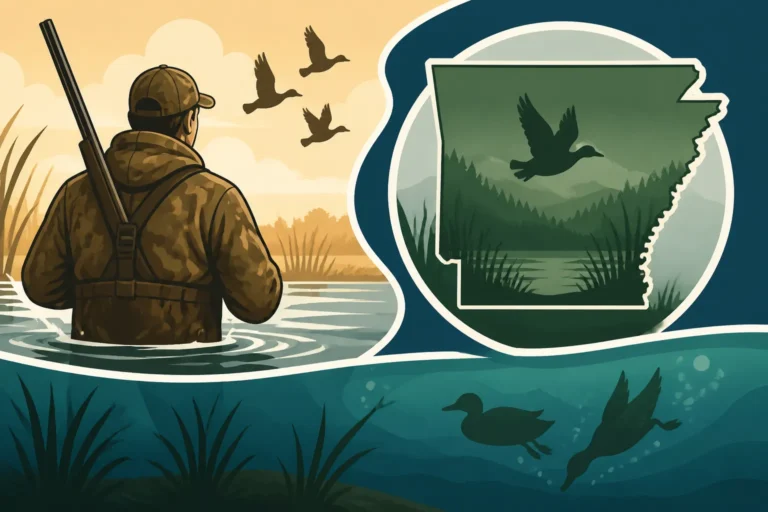
Ah, green timber. For many, this is the very image that springs to mind when they think of Arkansas duck hunting. Picture ancient hardwood trees, standing in feet of cold, clear water, draped in Spanish moss, as mallards buzz through the canopy, cupping their wings to land in a small, expertly crafted hole. The sound of whistling wings, the splash of a landing bird, the echoing calls bouncing off the trees – it's an immersive, almost spiritual experience.
Hunting Green Timber Duck Hunting in Arkansas is incredibly atmospheric. You're typically wading, perhaps pushing a boat through flooded woods, to reach a pre-set blind or a strategic spot where the guide can call birds right into your face. The shooting can be fast and furious, but it often requires precise timing and quick reactions as ducks dart through openings in the trees. The water levels are critical here; too much or too little, and the ducks might not be there. It's a dance with Mother Nature, making a successful timber hunt feel like a profound accomplishment. It's also often the most physically demanding, requiring comfortable waders, good balance, and the willingness to stand or move through cold water for hours.
The Excitement of Rice Fields and Open Water
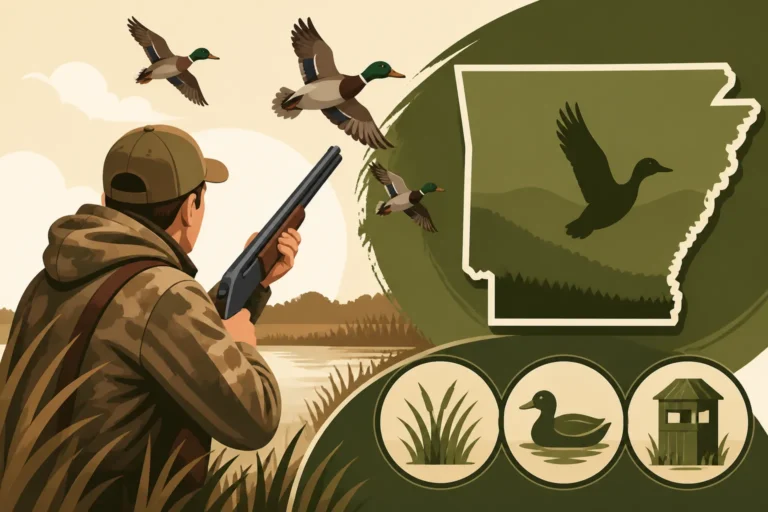
While green timber gets a lot of the glory, hunting rice fields, soybean fields, and other open-water scenarios in the Delta is just as productive, and for many, equally exciting. Imagine miles of harvested fields, often flooded a few inches deep, with sprawling decoy spreads under a vast sky. This is where you might see enormous flocks of ducks, not just mallards, but pintails, gadwalls, wigeon, and shovelers, circling overhead, committing to a huge spread.
Field and Flooded Rice Duck Hunting in the Delta often involves sitting in a permanent pit blind, a mobile layout blind, or a brushed-in boat blind along a levee. The calling is usually louder, designed to carry across open spaces, and the shooting can involve longer shots as birds work into the spread. This type of hunting can be less physically demanding than wading timber but demands patience and keen observation skills. Guides often manage water levels with pumps, giving them more control over the hunting conditions compared to relying solely on natural rainfall in timber. For hunters seeking high volume and a variety of species, open field hunting is often the ticket.
Less Common but Equally Rewarding: Reservoirs and Rivers
Arkansas has more to offer than just the Delta's timber and fields. Our state is dotted with numerous large reservoirs and expansive river systems that also hold significant numbers of wintering waterfowl. While not as universally iconic as the flooded timber, hunting these larger bodies of water can provide incredible opportunities, particularly for diverse species and often with less hunting pressure.
Reservoir hunting might involve setting up on points, islands, or along secluded coves, often from a boat blind or a strategically placed shoreline blind. Diver ducks like scaup, canvasbacks, and redheads, alongside puddle ducks, frequent these areas. River hunting, particularly along the Arkansas River or smaller tributaries, can mean setting up on sandbars, along timbered banks, or in oxbow lakes. These hunts can offer a different kind of challenge, requiring specific boat handling skills and an understanding of currents and expansive water. While perhaps not the "classic" Arkansas experience most people envision, these hunts offer unique experiences and can be a fantastic option, especially for those who prefer less crowded environments.
Deciding Between Guided and Self-Guided Hunts
Once you have a general idea of the type of Arkansas duck hunt that appeals to you, the next major decision is whether to go with a guided outfitter or to attempt a do-it-yourself (DIY) adventure. Both have their merits and drawbacks, and understanding them will save you a lot of frustration and potentially, money.
The Benefits and Convenience of a Guided Hunt
For many hunters, especially those traveling from out of state or those new to Arkansas duck hunting, a guided hunt is often the best choice. Outfitters in Arkansas, particularly in the Delta region around Stuttgart, are specialists in their craft. They have spent years, sometimes generations, acquiring and managing prime hunting land, securing water rights, scouting birds, and honing their calling and decoying techniques.
When you book a guided hunt, you're essentially paying for access, expertise, and convenience. The guide knows where the birds are, how to get to them, and how to set up for success. They provide the blind, the decoys, often a dog, and typically handle all the logistics from before dawn until the birds are cleaned. This means less stress, less equipment to buy or transport, and a much higher likelihood of a successful hunt, especially if it's your first time in the state. Lodges often offer comprehensive packages that include meals, accommodation, and bird cleaning, making it a true "turnkey" hunting vacation. What an Arkansas Duck Lodge Provides offers more detail on these services.
The Challenges and Rewards of a Do-It-Yourself Approach
A DIY duck hunt in Arkansas can be incredibly rewarding, but it's not for the faint of heart or the unprepared. This state has a vast amount of public hunting land, including numerous Wildlife Management Areas (WMAs) and National Wildlife Refuges. Many seasoned hunters enjoy the challenge of scouting, interpreting aerial maps, reading water levels, and setting their own spreads.
However, the challenges are significant. Public land, especially popular WMAs, can experience intense pressure. Competition for prime spots can be fierce, often requiring early morning races to boat ramps or long walks into remote areas. You need all your own gear: waders, decoys, calls, a boat (if hunting flooded timber or large water), and the knowledge to use it effectively. Scouting is paramount and often requires multiple days of pre-season work to locate birds and identify access points. Understanding Arkansas WMA Permits and Draw Hunts is also crucial, as some areas require specific permits. While the cost of a DIY hunt might be lower upfront, the time investment, equipment costs, and potential for unproductive days are high. But when you pull off a successful DIY hunt on public land, the sense of accomplishment is unmatched.
Hybrid Approaches: Day Leases and Semi-Guided Options
For those who want a taste of both worlds, or who aren't ready for a full-on guided experience but also lack the resources for a pure DIY trip, hybrid options exist. Some landowners or smaller outfitters offer "day leases" or blind leases. Here, you pay a fee for access to a pre-set blind for a day, often with decoys already out. You bring your own calls, gun, and dog, and do your own calling and retrieving.
This can be a great middle-ground, offering guaranteed access to private land without the full cost of a guided hunt. You still need to possess hunting skills, but the major hurdles of land access and blind setup are removed. Another variation is a "semi-guided" hunt, where the outfitter provides the blind, decoys, and access, points you in the right direction, but doesn't sit with you in the blind to call or work a dog. You handle the actual hunting, providing a bit more independence while still benefiting from their managed property. This allows for a blend of convenience and autonomy, catering to those who prefer to call their own birds.
| Feature | Guided Hunt | Do-It-Yourself (DIY) Hunt | Day Lease / Semi-Guided |
|---|---|---|---|
| Access | Prime private land, often exclusive | Public lands (WMAs, Refuges, Corps), intense competition | Private land access with pre-set blinds |
| Expertise | Provided by guide (scouting, calling, setup) | Requires hunter's own extensive knowledge | Hunter provides expertise, guide provides access |
| Equipment | Typically provided by outfitter (decoys, blind) | Hunter provides all equipment | Blind/decoys often provided, hunter brings essentials |
| Cost | Higher upfront cost, all-inclusive options | Lower direct cost, high hidden costs (gear, travel, scouting) | Mid-range, pay for access and some amenities |
| Convenience | High; logistics handled, often includes meals/lodging | Low; significant time investment for scouting/setup | Medium; less setup than DIY, more independence than guided |
| Success Rate | Generally higher due to managed land & expertise | Variable; heavily dependent on hunter's skill & luck | Moderate to high, depending on land quality & hunter's skill |
| Flexibility | Limited to outfitter's schedule | High; hunt when and where you choose | Moderate; specific dates for lease, more independence in field |
| Physical Demand | Varies, can be low (pit blinds) or high (timber wading) | Can be very high (long walks, carrying gear, scouting) | Varies; often less than DIY, can be similar to guided |
Finding and Vetting Outfitters and Lodges
So you’ve decided on a guided hunt, or at least a semi-guided experience. Great! Now comes the exciting, yet sometimes daunting, task of finding the right outfitter. Arkansas has a wealth of fantastic duck hunting operations, but like any service, quality can vary. It’s crucial to do your homework.
Where to Look for Reputable Guides
The digital age has made finding hunting outfitters easier than ever, but it also means wading through a lot of information. Start with broad searches, but then narrow your focus.
- Online Booking Platforms: Websites like BookYourHunt are becoming increasingly popular for finding and comparing outfitters. These platforms often list details about the hunt, what's included, available dates, and crucially, client reviews. They can be a great starting point for seeing what's out there and getting an initial feel for prices and packages. Just remember that what you see online is only part of the story, and direct communication is always key.
- Hunting Forums and Social Media Groups: Online communities dedicated to duck hunting are treasure troves of information. Ask for recommendations, read discussions, and pay attention to what experienced hunters say about specific lodges or guides. Be discerning, as not all opinions are equally informed, but you can often pick up valuable insights and direct contacts.
- Word-of-Mouth: Nothing beats a personal recommendation. Talk to friends, family, or fellow hunters who have hunted Arkansas before. Their firsthand experiences can offer invaluable perspectives on an outfitter’s professionalism, the quality of their hunting, and the overall atmosphere of their lodge.
- Hunting Shows and Expos: If you have the opportunity, attending a major hunting show can allow you to meet outfitters in person. This face-to-face interaction can give you a better feel for their operation, their personality, and allow you to ask specific questions directly.
Key Questions to Ask Prospective Outfitters
Once you’ve identified a few potential outfitters, it’s time to start asking some pointed questions. Don't be shy; a reputable outfitter will welcome your inquiries.
- What kind of ground do you hunt? Is it primarily flooded timber, rice fields, or a mix? How much acreage do you have access to? Is it owned or leased? Knowing this helps ensure they offer the type of hunt you desire.
- What is the typical hunter-to-guide ratio? Are you in a private blind with just your group, or will you be sharing with others? How many hunters per blind? This impacts your personal space and the overall experience.
- What is included in the price? This is critical. Does it cover meals, lodging, bird processing, transportation to and from the blind, or just the hunt itself? Clarify what you need to bring versus what they provide. For example, some lodges provide shells, others expect you to bring your own.
- What are your success rates? While no outfitter can guarantee a limit every day, they should be able to provide realistic expectations or historical data. Be wary of anyone who promises limits daily. Ask about the average number of birds per hunter.
- Do you allow clients to bring their own dogs? If you have a retriever, this is an important question. Some lodges have their own dogs and prefer not to mix, while others welcome well-behaved client dogs. Inquire about Bringing Your Own Dog to an Arkansas Lodge and any associated fees or kennel rules.
- What happens in case of bad weather or low bird numbers? This is crucial. What's their policy if the weather makes hunting impossible or if birds aren't in the area? Is there a rain check, a refund policy, or alternative activities?
- Can you provide references from recent clients? A good outfitter will gladly provide contacts for past clients. Take the time to call these references and ask them about their experience, particularly regarding guide professionalism, hunt quality, and overall satisfaction.
Red Flags and Things to Watch Out For
While most Arkansas outfitters are professional and ethical, it's wise to be aware of potential red flags. Trust your gut feeling.
- Guaranteed Success: As mentioned, no hunt is ever guaranteed. If an outfitter promises you a specific number of birds or a limit every day, proceed with extreme caution. Wildlife is wild, and conditions change.
- Lack of Specifics: If an outfitter is vague about what's included, their land access, or their policies, it's a warning sign. You want clear, transparent answers to all your questions.
- Unsolicited Deals or "Too Good to Be True" Prices: Be skeptical of deals that seem significantly cheaper than other reputable operations. There's often a reason for it, which could mean poor land, inexperienced guides, or hidden costs.
- No Contract or Poorly Written Contract: A professional operation will always provide a detailed written contract. This protects both parties and outlines all the terms and conditions. If they balk at a contract, walk away.
- Poor Communication: If an outfitter is slow to respond to inquiries, difficult to get a hold of, or generally unresponsive, imagine how communication will be if an issue arises during your hunt. Good communication is key to a smooth experience.
The Booking Process and What to Expect in Contracts
You’ve found your ideal outfitter, asked all the right questions, and now you’re ready to commit. The booking process is more than just picking dates; it involves understanding financial commitments and the legal framework of your hunting trip. This part is vital to prevent misunderstandings down the road.
Understanding Deposits and Cancellation Policies
Almost every reputable outfitter will require a deposit to secure your hunting dates. This deposit is usually a percentage of the total hunt cost and is non-refundable or only partially refundable under specific conditions. It's their assurance that you are serious, and it covers their costs for holding those dates and potential loss of business if you cancel last minute.
Key things to clarify:
- Deposit Amount: How much is required upfront?
- Payment Schedule: When is the remaining balance due? Is it before the hunt, or upon arrival?
- Cancellation Policy: This is critical. What happens if you need to cancel? Is there a deadline for a partial refund? Can you transfer your booking to another date or person? Some outfitters might offer to rebook if they can fill your spot, but this is often at their discretion. Understanding Cancellation Terms at an Arkansas Lodge before you commit is paramount.
- Weather Clause: What if the weather is terrible, or, for duck hunting, if the water levels are too low/high to hunt? Does the outfitter have a policy for rebooking or partial refunds in extreme cases beyond anyone's control? Don't assume anything; get it in writing.
What a Solid Contract Should Cover
A comprehensive written contract is your best friend when booking a guided hunt. It protects both you and the outfitter by clearly laying out all the terms and expectations. Never book a hunt without one.
Your contract should explicitly state:
- Dates of Your Hunt: Confirm the exact start and end dates.
- Services Included: A clear itemized list of what the hunt package entails (e.g., number of hunts, meals, lodging, guide service, bird cleaning, transportation to blind). This helps avoid any "he said, she said" arguments later.
- Total Cost and Payment Schedule: The final price, the deposit paid, and when any remaining balances are due.
- Cancellation and Refund Policy: As discussed, this needs to be explicitly detailed.
- Liability Waiver: Most outfitters will require you to sign a liability waiver. Read it carefully to understand your responsibilities and what you are agreeing to.
- Rules and Regulations: Any specific lodge rules, safety guidelines, or local hunting regulations you need to be aware of.
- Guide and Lodge Contact Information: Clear contact details for pre-hunt communication and during your stay.
If anything in the contract is unclear, ask for clarification before signing. A good outfitter will be happy to explain any clauses.
Timing Your Booking for Prime Dates
Arkansas duck hunting dates, especially the opening weekend and prime weeks in December and January, fill up incredibly fast. If you have specific dates in mind, particularly for the early season or during the Hunting the Peak Rut Week in Arkansas for deer (which sometimes coincides with early duck season for combo trips), you'll need to book well in advance.
- Popular Weeks: For peak duck migration and colder weather, many hunters book a year or more in advance. If you're aiming for opening weekend, or the post-Christmas "second split" duck season, plan to reserve your spot very early. You can find general season dates in Arkansas Duck Season Dates.
- Off-Peak or Late Season: If your schedule is more flexible, you might find more availability and potentially better deals during less popular times, such as late November or mid-January. These times can still offer phenomenal hunting, often with fewer crowds.
- Last-Minute Openings: Sometimes, cancellations happen. It's worth reaching out to outfitters closer to the season if you're looking for a last-minute trip, especially if you're flexible with dates. Keep an eye on online platforms like BookYourHunt for any newly available spots that pop up.
Preparing for Your Arkansas Duck Hunt
You’ve booked the hunt, marked your calendar, and are counting down the days. Now it’s time to shift your focus to preparation. A well-prepared hunter is a comfortable and effective hunter, and nothing sours an experience faster than being ill-equipped for Arkansas's notoriously unpredictable winter weather.
Essential Gear for the Arkansas Blind
Arkansas weather can be a rollercoaster – one day it's shirt-sleeve warm, the next it's freezing rain. Layering is your best friend.
- Waders: Good quality, insulated waders are non-negotiable, especially for timber hunting where you'll be wading in cold water. Make sure they fit well and don't leak. If you plan on Hunting Arkansas Flooded Green Timber, deep wading is often involved.
- Waterproof Outerwear: A high-quality, waterproof, and windproof jacket and pants are essential. Look for something that allows for movement and is quiet. Camo patterns that blend with winter timber or field stubble are ideal.
- Layering Clothes: Start with moisture-wicking base layers, add insulating mid-layers (fleece or down), and top with your waterproof outer shell. You can always shed layers if it warms up. Don't forget insulated socks!
- Headwear and Gloves: A warm, waterproof hat is crucial for retaining body heat. Waterproof gloves are also a must, preferably those that allow you to operate your firearm.
- Shotgun: A reliable 12-gauge shotgun is the standard for duck hunting. Make sure it's clean, oiled, and you're comfortable shooting it.
- Ammunition: Arkansas requires non-toxic shot for waterfowl hunting. Steel shot is the most common, but bismuth or tungsten-based loads are also popular, albeit more expensive. Bring plenty, usually a box or two per day of hunting, in shots sizes like #2, #3, or #4. Nontoxic Shot Rules in Arkansas provides more information on this.
- Calls: While your guide will do most of the calling, having your own call and being able to make basic quacks or feed chuckles can add to the experience.
- Hunting License and Stamps: This is crucial. Before you arrive, ensure you have purchased all necessary licenses, state stamps, and federal duck stamps. You'll need an Arkansas hunting license, a state waterfowl stamp, and a federal duck stamp. You might also need HIP registration for migratory birds. Check What an Arkansas Hunting License Covers and Arkansas Waterfowl Stamp Requirements for specific details. Have digital or physical copies readily accessible.
Physical and Mental Preparation
Duck hunting, while often perceived as static, can be physically demanding, especially if you're timber hunting.
- Physical Conditioning: If you're planning on wading green timber, getting in some walks or light hikes before your trip can make a big difference in your comfort levels. Carrying your shotgun, decoys (if DIY), and wading through sticky mud or cold water can be tiring.
- Early Mornings: Be prepared for very early mornings. Wake-up calls for guided hunts are often 4:00 AM or earlier to allow time for breakfast, travel to the blind, and setup before shooting light. Adjusting your sleep schedule a few days before can help.
- Patience and Persistence: Duck hunting sometimes involves long periods of waiting, especially on bluebird days. Be mentally prepared for this. The birds will eventually fly, and when they do, it's fast action.
- Marksmanship: Practice shooting clays before your hunt. It’s amazing how much a few rounds of skeet or trap can improve your confidence and accuracy, leading to more successful shots in the blind.
What to Expect on a Guided Hunt Day
The alarm blares long before dawn, signaling the start of your Arkansas duck hunting adventure. Knowing the general flow of a guided hunt can help ease any first-day jitters and allow you to fully immerse yourself in the experience.
The Typical Morning Routine
Guided duck hunts are an orchestrated affair, beginning well before the sun even considers showing its face.
- Early Start: Expect your alarm to go off around 3:30 AM to 4:00 AM. This early start allows time for a hearty breakfast at the lodge, gathering your gear, and then making the drive to the hunting area.
- Travel to the Blind: After breakfast, you'll head out with your guide. Depending on the location, this might involve a truck ride down a gravel road, a boat ride across a flooded field, or a short walk into the timber. Pay attention to your guide’s instructions for safe travel.
- Blind Setup and Waiting: Once at the blind, your guide will already have decoys set or will quickly get them out. You'll settle into your spot, load your shotgun (only when instructed by the guide and when shooting hours commence), and wait for legal shooting light. This is when the anticipation truly builds, listening to the sounds of the marsh coming alive.
Dynamics in the Blind: Calling, Shooting, and Dog Work
Once shooting hours begin, the magic unfolds. The blind is a team effort, with the guide usually running the show.
- Calling and Working Birds: Your guide is the expert caller. They'll be listening for incoming birds and using a variety of calls to entice them into the decoys. Trust their judgment on when to call and when to be quiet. Sometimes, silence is the best call. If you're a caller, ask your guide if they prefer you to join in or lay low.
- Shooting Etiquette: When ducks commit and the guide gives the command, that's your cue to stand and shoot. Focus on one bird, pick it cleanly, and try not to "flock shoot." Safety is paramount: always be aware of your muzzle, other hunters, and especially the guide and dog.
- Dog Work: Most Arkansas duck guides will have highly trained retrievers to fetch downed birds. Watch the dog work; it's a spectacle in itself. After the shot, your guide will typically send the dog, or you might be asked to help mark downed birds. For those considering Running Deer Dogs in Arkansas, the training and discipline are similar. Avoid interfering with the dog's retrieve unless specifically asked.
- Breaks and Warm-ups: Depending on the weather and bird activity, there might be periods of slower action. Some blinds have heaters, or you might take a break to warm up with coffee or hot chocolate. Your guide will often bring these amenities.
Tipping and Gratuities
After a successful hunt, it’s customary to tip your guide and any lodge staff who have made your experience enjoyable. This is an important part of the hunting culture and shows your appreciation for their hard work and dedication.
- Guide Tips: The standard recommendation for tipping a duck hunting guide is typically around 15-20% of the daily hunt cost per person, assuming a good effort and positive experience. If they went above and beyond, consider tipping more. This is their livelihood, and they work incredibly hard for your success. More information can be found in Tipping an Arkansas Duck Guide.
- Lodge Staff: If you stayed at a lodge that provided meals, cleaning services, or other amenities, a general tip for the lodge staff (cooks, housekeepers, bird cleaners) is also appreciated. A pooled tip jar or individual tips are common. Discuss with the outfitter beforehand if gratuities are pooled or individual.
- When to Tip: Tips are generally given at the end of your hunt or stay. Have cash on hand, as not all outfitters or staff can process card tips.
Post-Hunt Logistics and Getting Your Game Home
The hunt might be over, but the work isn’t quite done. Handling your harvest properly and getting it home legally and safely are critical steps that complete the experience.
Bird Cleaning and Packaging Services
After the morning hunt, one of the first things to consider is how your ducks will be processed.
- Lodge Services: Many Arkansas duck lodges offer bird cleaning services, often for an additional fee per bird or as part of an all-inclusive package. This is incredibly convenient, as professional cleaners can quickly breast out or whole-pluck your birds. They will then typically package them in plastic bags. Ensure you understand the specific rules for Arkansas Deer Checking and Tagging or bird tagging if you harvest deer on a combo hunt or if the rules require it for waterfowl.
- DIY Cleaning: If you're on a self-guided hunt or prefer to clean your own birds, make sure you have the necessary tools (sharp knife, cleaning station) and the knowledge to do so efficiently. Arkansas regulations require that one fully-feathered wing must remain attached to all migratory game birds until they reach your home or a commercial migratory bird processor. This allows for species identification.
Transporting Game Home Legally
Getting your prized ducks home is subject to specific regulations, especially if you’re traveling across state lines.
- Feathered Wing Rule: Remember the rule about the fully-feathered wing still attached to each bird. This is a federal regulation for migratory game birds. Do not remove it until your birds are at your permanent residence or a commercial processor.
- Cooling and Freezing: Immediately after cleaning, get your birds on ice or into a freezer. Arkansas can still be relatively warm during parts of duck season, and proper cooling is essential to prevent spoilage. Use coolers with plenty of ice or dry ice for transport.
- State and Federal Regulations: Understand the transport rules for Carcass Transport Rules Out of Arkansas if you're a nonresident. There are limits to how many daily limits you can possess, so ensure you don't exceed these. Generally, you can possess two daily bag limits away from your permanent residence. If you're flying, check airline policies for transporting frozen game meat. Most require it to be rock-solid frozen and properly packaged in a cooler that can withstand transport. More guidance on Getting Ducks Home From Arkansas can be invaluable.
Preserving Memories: Taxidermy and Mounts
For that truly special bird, a taxidermy mount is a lasting way to commemorate your hunt.
- Finding a Taxidermist: Many local taxidermists in Arkansas specialize in waterfowl. Your guide or lodge might have recommendations. If you plan to use a taxidermist in your home state, you'll need to properly cape and freeze the bird for transport.
- Caping and Freezing: For a full mount, the bird needs to be carefully caped and frozen. Consult with your chosen taxidermist before your hunt on their specific requirements. They will often advise on how to make the initial cuts and store the bird.
- Shipping: Shipping frozen caped birds across state lines requires careful packaging (often with dry ice) and proper labeling. This can be costly, but ensures your trophy arrives in good condition for the taxidermist. Keep in mind the timeline for getting a mount back can often be a year or more.
Avoiding Common Pitfalls and Ensuring a Great Trip
Even with the best planning, hunting has its unpredictable elements. Acknowledging these and preparing for them emotionally can make all the difference in having a truly memorable trip.
Managing Expectations: The Reality of Hunting
It’s easy to get caught up in the hype of "The Duck Capital of the World" and expect every hunt to be a limit-out affair. The reality is, hunting wild animals is unpredictable.
- Weather and Migrations: Bird numbers and activity are heavily influenced by weather patterns and major cold fronts farther north. Some days, the ducks just aren’t flying, or they’re not in your particular spot.
- "Bluebird Days": Clear, still, sunny days, often called "bluebird days," can be notoriously tough for duck hunting. Birds tend to sit tight and move less.
- Enjoy the Process: Don't let a slow day ruin your entire experience. Embrace the camaraderie in the blind, the beauty of the Arkansas landscape, the spectacular sunrises, and the simple joy of being out in nature. Sometimes, the best hunts are not measured in the number of birds in the bag, but in the memories made.
- Communicate with Your Guide: If you have concerns or questions during the hunt, talk to your guide. They want you to have a good time and can often provide insight into why the birds might be acting a certain way or offer strategies for future hunts.
Communicating with Your Guide: Your Best Ally
Your guide is your most valuable resource on a guided hunt. Establishing clear and respectful communication is paramount for a successful and enjoyable trip.
- Ask Questions (Respectfully): Don't be afraid to ask questions about tactics, bird behavior, or the local environment. Most guides love sharing their knowledge. However, avoid questioning their judgment during critical moments, like when they’re working birds.
- Be Clear About Your Preferences: If you have a specific preference (e.g., wanting to try calling, or if you have a physical limitation), communicate this beforehand. A good guide will do their best to accommodate.
- Provide Feedback: After the hunt, whether good or bad, offer constructive feedback. If something was exceptional, let them know. If there was an issue, discuss it professionally and calmly. This helps outfitters improve their services.
- Listen and Follow Instructions: This sounds obvious, but it's crucial. Your guide is responsible for your safety and success. Pay attention to their directions regarding shooting lanes, when to stand up, and any blind etiquette.
Respecting the Resource and Local Rules
Being a responsible hunter means more than just following the law; it means respecting the wildlife, the land, and the local traditions. Arkansas has specific regulations to protect its incredible hunting heritage.
- Know the Regulations: Even on a guided hunt, you are personally responsible for knowing and adhering to all Arkansas Waterfowl Seasons and Zones and bag limits. Your guide will reinforce these, but it's your duty to be informed.
- Ethical Shooting: Only shoot at birds within your effective range to minimize crippling. A cleanly killed bird is always the goal.
- Leave No Trace: Pack out everything you pack in. Leave the hunting area cleaner than you found it.
- Chronic Wasting Disease (CWD): While primarily a deer and elk concern, it's a critical issue in Arkansas. Be aware of Arkansas CWD Rules and Carcass Transport if you happen to be on a combo hunt or in an area where deer are present. Always follow AGFC guidelines.
- Nontoxic Shot: Reiterate that Nontoxic Shot Rules in Arkansas are strictly enforced for waterfowl. Using lead shot can result in significant fines and loss of hunting privileges.
Booking an Arkansas duck hunt is an investment in an unforgettable experience. By doing your homework, communicating effectively, and preparing thoroughly, you'll be well on your way to making those legendary Delta dreams a reality.
Disclaimer
This article is for general informational purposes only and does not constitute professional advice. Laws, prices and regulations vary by location and change over time. Consult a qualified professional for guidance on your specific situation.