Tipping Dog Handlers and Lodge Staff
One of the trickiest parts of navigating any guided hunting trip, especially here in Arkansas where hospitality runs deep, is figuring out the unspoken rules of tipping. It can feel awkward and confusing, leaving you wondering if you've done enough, too much, or even offended someone. This guide aims to clear up that confusion, offering practical advice on how to properly tip the dedicated dog handlers and lodge staff who work tirelessly behind the scenes to make your Arkansas hunting adventure unforgettable.
The Etiquette of Tipping in Arkansas Hunting Camps
Let's face it, stepping into a hunting lodge, especially if it's your first time with a guide, can feel like entering a whole new world with its own set of customs. You're there for the hunt, the camaraderie, the experience of Hunting Arkansas Flooded Green Timber or chasing a big Delta buck, but then there's the lingering question of how to show appreciation financially. Tipping isn't just about charity; it's a fundamental part of the service industry, and hunting guides, dog handlers, and lodge staff are absolutely part of that. They rely on these gratuities as a significant portion of their income, and it reflects directly on the quality of service you receive and the effort they put in.
Why Tipping Matters in the Hunting Industry
Think about the long hours, the early mornings, the late nights, the constant scouting, and the dedication it takes to put you on game day after day. A good guide isn't just pointing you in a direction; they're reading the wind, understanding animal behavior, navigating complex terrain, and making split-second decisions that can make or break your hunt. Dog handlers, in particular, spend years training their animals, forging an incredible bond and developing a skill set that is truly unique. This isn't just a job for many of them; it's a passion, a lifestyle, and a significant investment of time, money, and personal sacrifice. Your tip acknowledges that effort and skill beyond the base fee of the hunt itself. It's a direct way to say, "Thank you for making this experience exceptional."
Understanding the "Hidden" Workforce: Beyond the Guide
While the guide is often the most visible face of your hunt, there's an entire team working behind the scenes. At a well-run Arkansas lodge, you might have cooks preparing delicious meals, housekeepers ensuring your room is clean and comfortable, bird cleaners meticulously processing your harvest, and administrative staff handling bookings and logistics. These individuals are crucial to the smooth operation of the entire camp, yet they often receive less direct interaction and, consequently, less direct tipping attention. Neglecting them is like enjoying a fantastic meal but forgetting to thank the chef or the dishwasher. They contribute significantly to the overall comfort and enjoyment of your trip, allowing you to focus solely on the hunt. When you're dreaming of Mallards in the Arkansas Delta, remember the crew who made your stay comfortable.
Setting Expectations: What to Budget for Tips
Budgeting for tips needs to be as much a part of your pre-trip planning as buying your license or packing your gear. Many hunters arrive without a clear idea, leading to last-minute scrambling or, worse, underserving those who served them. While there's no hard and fast rule that applies universally, industry standards generally recommend tipping a percentage of your total hunt cost for guides, and then separate, often smaller, amounts for other staff. It's a good idea to factor in an additional 15-20% of your total hunt cost specifically for gratuities. This cushion allows you to adequately reward excellent service across the board without feeling stretched thin at the end of the trip. Remember, whether you found your hunt through a platform like BookYourHunt or directly with a local outfitter, understanding the full financial picture upfront will prevent any awkwardness later on.
Tipping Your Dog Handler in Arkansas
For many hunters coming to Arkansas, especially for waterfowl, the dogs are half the show. They're magnificent animals, incredibly trained, and the bond they share with their handler is something to behold. These dogs, and their handlers, are often the reason you recover birds you might otherwise have lost, turning a good hunt into a truly memorable one.
The Value a Good Dog Handler Brings to Your Hunt
Imagine watching a beautiful mallard tumble from the sky, landing in a tangle of cypress knees or deep water. Without a skilled dog, that bird is likely lost, a missed opportunity, and a waste. A top-notch dog handler, alongside their well-trained retriever, makes those impossible retrieves look effortless. They read the fall, direct their dog with subtle commands, and often brave difficult terrain or frigid water themselves to ensure every bird is brought to hand. This expertise saves game, respects the resource, and elevates the entire experience. Their knowledge of Setting Decoys in Timber Holes is often matched by their knowledge of dog work in those same holes. It's not just about the dog; it's the seamless teamwork between human and canine.
How Much to Tip Your Dog Handler
Tipping for a dog handler often falls within a similar range as your main guide, or sometimes a slightly lower but still significant amount. A common recommendation for a full-day guided waterfowl hunt is to tip the dog handler roughly $50 to $100 per day, per hunter, if they are a dedicated handler separate from your main guide. If your guide is also handling the dogs, their overall tip should reflect this added responsibility and skill. For example, if you're tipping your guide 15-20% of the hunt cost, and they're also running the dogs, that percentage covers both roles. If it's a separate handler, consider that daily rate as an addition. On a longer, multi-day trip, this might translate to a lump sum at the end, but thinking of it on a per-day basis helps ensure fairness.
Factors That Influence Your Dog Handler's Tip
Several factors should weigh into your decision when tipping your dog handler.
- Performance: Did the dog make incredible retrieves? Were they well-behaved, obedient, and efficient? A dog that consistently delivers birds from tough spots, or one that shows remarkable control in a chaotic environment, absolutely deserves a higher tip.
- Conditions: Hunting in pouring rain, freezing temperatures, or thick, muddy cover often means more work for both the dog and the handler. If they endured harsh conditions with a positive attitude and continued to perform, that extra effort warrants recognition.
- Retrieve Count: While not the sole factor, a higher retrieve count often indicates a busier, more effective dog and handler team. Don't just count the birds you shot; consider the effort put into every retrieve, even those for other members of the group.
- Interaction and Professionalism: Was the handler friendly, knowledgeable, and engaging? Did they enhance your overall experience with their personality and willingness to share insights?
It's about the overall contribution to your successful and enjoyable hunt, not just a tally of birds in the bag.
Tipping the Lodge Staff: The Unsung Heroes
While the action is out in the field or in the blind, the comfort and convenience of the lodge are what often make a multi-day hunting trip truly relaxing. The lodge staff ensures that when you return cold and tired, a warm meal and a clean bed are waiting for you.
Who Makes Up the Lodge Staff and Their Contributions
The lodge staff can include a variety of roles, all vital to your experience:
- Cooks: Preparing hearty breakfasts, packed lunches, and delicious dinners.
- Housekeepers: Cleaning rooms, making beds, and ensuring the common areas are tidy.
- Bird Cleaners/Game Processors: The folks who meticulously clean and package your ducks, deer, or other game, saving you hours of work. This is especially valuable after a successful Green Timber Duck Hunting in Arkansas trip.
- General Assistants/Maintenance: Anyone who helps with luggage, runs errands, maintains equipment, or keeps the facility in top shape.
- Lodge Manager/Host: While often a primary contact, they also contribute to the overall comfort and logistics.
Each person contributes to a seamless experience, and their combined efforts allow you to unwind and focus on the hunt.
Recommended Tipping for Lodge Staff
Tipping for lodge staff can be handled in a few ways. Many lodges, particularly in the prime waterfowl country of the Arkansas Delta, will have a communal "tip jar" or a designated envelope for lodge staff gratuities, often collected at checkout. This is often the easiest and most equitable way to ensure everyone who contributed gets a share. A good guideline for communal lodge staff tips is $25 to $50 per hunter, per day. For a multi-day trip, you'd calculate this daily rate multiplied by the number of hunting days.
If there isn't a communal option, and you feel strongly about recognizing specific individuals who went above and beyond (e.g., a cook who made your favorite dish or a bird cleaner who was exceptionally fast and careful), discreetly handing them a personal cash tip is always appreciated. For bird cleaners, a separate tip of $1-$2 per bird cleaned is a common practice, depending on the species and the effort involved. Don't hesitate to ask the lodge manager or your guide for their recommended tipping structure if you're unsure; they'll likely appreciate your thoughtfulness. Hunting resources like GoHunt often detail expected tipping practices for various regions, which can be a great starting point for research.
Considering All-Inclusive vs. A La Carte Services
The structure of your hunt package can sometimes influence how tipping is handled or perceived.
- All-Inclusive Packages: These typically bundle lodging, meals, and guiding into one price. While some "all-inclusive" packages might state that gratuities are included, this is rare and usually only applies to the base guide fee, not necessarily the entire staff. Always clarify what "all-inclusive" truly means regarding tips. Assume tips are not included unless explicitly stated otherwise in your contract.
- A La Carte Services: If you're paying separately for lodging, meals, guiding, and bird cleaning, it might make sense to tip each service provider individually or as you use their service. For example, if you're staying at a separate motel and just hiring a guide for the day, your tip would primarily be for the guide and their dog handler. If you use an external bird cleaner, they would receive a separate payment and tip. Understanding your package details, whether found on a site like BookYourHunt or directly from the outfitter, is key.
Here's a quick summary table for common tipping recommendations:
| Service Provider | Typical Recommended Tip (Per Hunter) | Notes |
|---|---|---|
| Main Hunting Guide | 15-20% of the total hunt cost (daily rate) | For their expertise, effort, and successful hunt facilitation. |
| Dedicated Dog Handler | $50 – $100 per day | If separate from the main guide; based on dog's performance and effort. |
| Lodge Staff (Communal) | $25 – $50 per day (for cooks, housekeepers, general staff) | Often collected in a communal jar; distributed among staff. |
| Bird Cleaner/Game Processor | $1 – $2 per bird cleaned (or a flat daily rate for large volume) | Based on the number of birds and meticulousness. |
General Tipping Best Practices and Considerations
Tipping is a gesture of appreciation, and how you present it can be just as important as the amount itself. A little thoughtfulness goes a long way in showing genuine gratitude.
When and How to Deliver Tips
Timing and method are crucial.
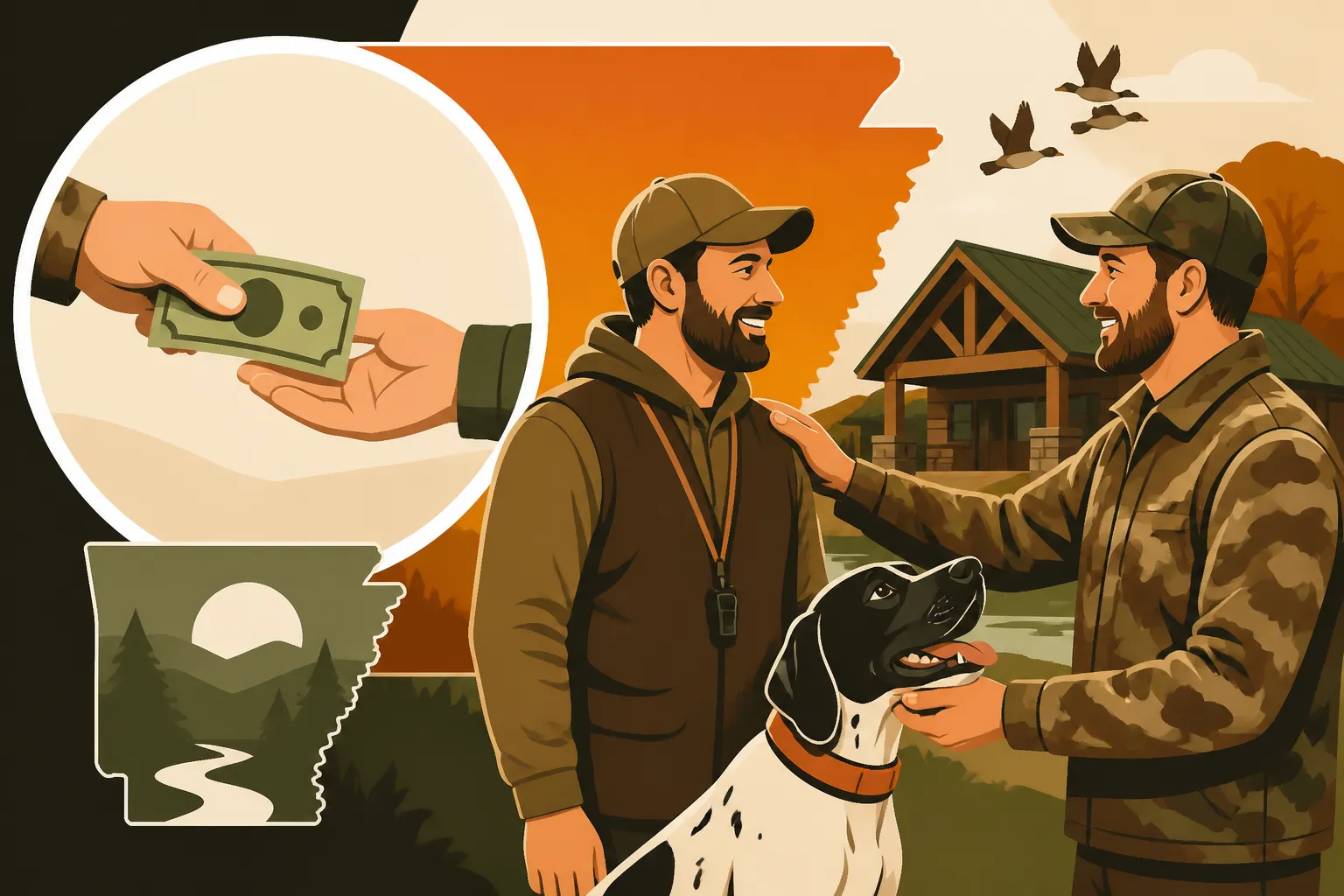
- Cash is King: This cannot be stressed enough. Cash tips are almost always preferred. They are immediate, universally accepted, and avoid any potential tax implications or delays that might come with adding tips to credit card charges. It's a good idea to bring a supply of crisp bills in various denominations for this purpose.
- End of the Trip: For guides and dog handlers, tips are typically given at the very end of the hunt, after the final retrieves are made or the last deer is loaded. This allows you to evaluate the full experience. Present it discreetly and personally, if possible, along with a sincere "Thank you" and perhaps a specific compliment about something they did well.
- Lodge Staff: If there's a communal tip jar or envelope, contribute to it at the end of your stay, usually at checkout. If you're tipping individuals, a personal moment with a heartfelt thank you is best.
Avoid making a big show of tipping, as it can make some uncomfortable. A quiet, personal gesture is often more impactful.
Group Tips vs. Individual Recognition
When hunting with a group, discussions about tipping should happen before the trip or at the beginning of the hunt.
- Group Pot: One common approach is for the group to collect a "tip pot" from everyone, and one person (often the trip organizer) is designated to distribute the tips on behalf of the group. This ensures consistency and simplifies the process.
- Individual Discretion: Alternatively, each hunter can be responsible for their own tips. This allows for individual recognition of exceptional service, but it can also lead to discrepancies within the group if not everyone is on the same page.
- Hybrid Approach: A hybrid might involve a communal tip for the lodge staff, and then individual tips for the guides and dog handlers based on each hunter's experience.
Whatever method you choose, communicate it clearly with your hunting partners. This helps avoid awkward moments and ensures everyone is fairly compensated. This type of detail is often something experienced hunters discuss when planning a trip found on platforms like GoHunt.
What if the Service Wasn't Up to Par?
This is a tough one, but it's important to address. If you genuinely feel the service was unsatisfactory, or even poor, you have the right to adjust your tip accordingly.
- Reduced, Not Eliminated: In most cases, a reduced tip is more appropriate than no tip at all, unless the service was truly egregious or unsafe. Remember that unforeseen circumstances (like uncooperative weather or an off-day for the game) are often beyond the guide's control. A reduced tip still acknowledges the effort, even if the outcome wasn't ideal.
- Communicate Respectfully: If you choose to reduce a tip significantly, it's often helpful (though not always easy) to offer constructive feedback directly, but politely, to the guide or lodge manager. This allows them to understand your concerns and potentially improve for future clients. Do so privately and calmly, not in front of others or in an aggressive manner.
- Evaluate Objectively: Before reducing a tip, take a moment to reflect. Was the issue truly due to poor service, or was it a result of factors outside the staff's control (e.g., tough hunting conditions, your own shooting performance)? Be fair in your assessment.
Ultimately, tipping is a personal decision, but by following these guidelines, you can ensure you're showing proper respect and appreciation to the hard-working individuals who make Arkansas hunting special.
Disclaimer
This article is for general informational purposes only and does not constitute professional advice. Laws, prices and regulations vary by location and change over time. Consult a qualified professional for guidance on your specific situation.