Reservoir and Big Water Guided Hunts
There's a common misconception that Arkansas duck hunting is solely about standing knee-deep in flooded timber, listening to mallards whistle through the cypress trees. While that picture is certainly iconic and a huge part of our heritage, it completely overlooks another incredible and often overlooked experience: hunting the state's vast reservoirs and big river systems. Many hunters feel overwhelmed by the sheer scale of these open-water environments, or they simply don't have the specialized gear and knowledge to tackle them. This guide aims to demystify guided hunts on Arkansas's big water, helping you understand what to expect and how to find the right outfitter for a thrilling experience.
Why Reservoirs and Big Water? The Unique Challenge
Hunting large bodies of water like Beaver Lake, Greers Ferry, Millwood Lake, or even the sprawling navigation pools of the Arkansas River, presents a distinct set of challenges and rewards. It's a different beast entirely from the classic flooded woods or even the cut rice fields, and it often attracts a different caliber of duck hunter or offers a refreshing change of pace for those accustomed to traditional Delta hunts.
Beyond the Timber Hole
If you've spent your life chasing ducks in knee-deep water through a flooded green tree reservoir, the thought of setting up on a vast, windswept lake might feel daunting. There's no canopy to hide under, no familiar tree line to break up your silhouette, and the water dynamics are entirely different. This isn't just about finding a hole in the timber and waiting for the ducks to commit; it's about understanding current, wind, waves, and how birds use expansive aquatic landscapes. You'll often be hunting from large, stable boats that double as blinds, or strategically placed permanent blinds on points and islands. The calling can be different, often louder to carry across open water, and decoy spreads are typically much larger and more spread out to cover more territory and attract birds from a distance. The logistics of moving gear, people, and dogs in these environments require specialized boats and expertise, which is precisely where a good guide becomes invaluable.
Species and Opportunity
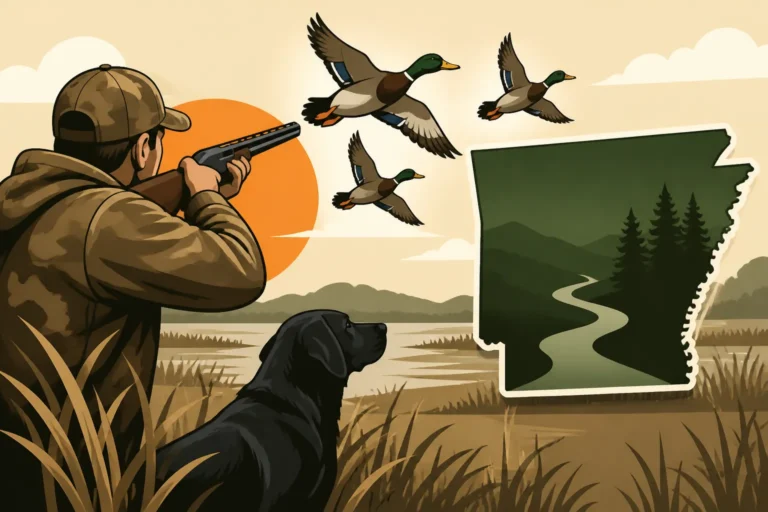
While mallards certainly frequent larger water bodies, especially during colder weather or when smaller, more intimate wetlands are heavily pressured, reservoir hunting often shines for other species. You'll frequently encounter diving ducks like Canvasbacks, Redheads, Bluebills (scaup), Ringnecks, and Buffleheads, which thrive on deeper water and readily raft up in large groups. These fast-flying birds offer incredibly challenging shooting. Beyond divers, you might also find good numbers of Gadwalls, Wigeons, and even larger groups of Canada geese or Snow geese using the edges of these big lakes or feeding in nearby fields before returning to the open water for safety. A guided hunt on these waters specifically targets these abundant, often less-pressured species, providing a diverse hunting experience. If you're looking for a change from the typical "greenhead only" pursuit, a reservoir hunt can open up a whole new world of waterfowl. Hunting Arkansas Reservoir Ducks and Diver Hunting on Arkansas Lakes delve deeper into these specific opportunities.
What a Guided Reservoir Hunt Looks Like
Stepping onto a big-water hunt is often a stark contrast to wading into timber. The equipment, the setup, and the overall rhythm of the hunt are tailored to the immense scale and unique demands of these environments.
Equipment and Logistics
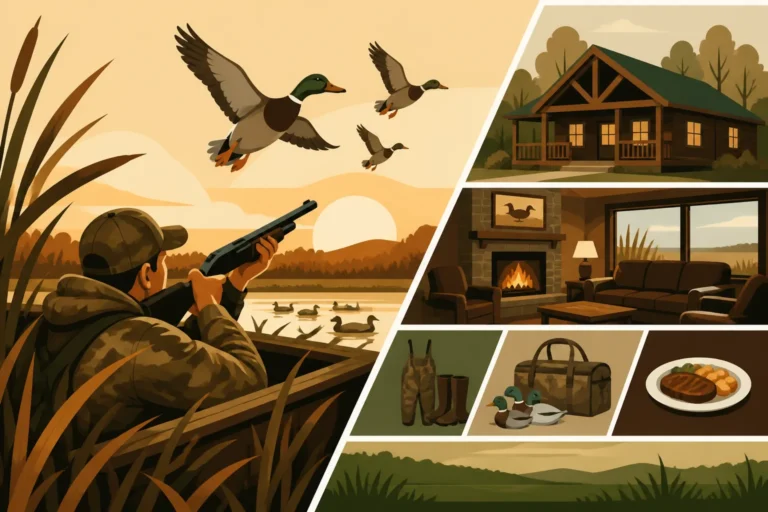
A guided reservoir hunt usually begins with a stout, seaworthy boat designed to handle choppy conditions and carry a substantial amount of gear and hunters. These aren't your typical flat-bottomed john boats for timber. Outfitters often utilize larger vessels, sometimes customized with built-in blinds, comfortable seating, and powerful motors to cover vast distances quickly and safely. Once on location, which might be a long, windswept point, a secluded cove, or even open water with strategically placed anchors, the setup begins. This typically involves deploying a massive decoy spread – we're talking dozens, sometimes hundreds, of decoys arranged in large V-patterns, J-hooks, or broad lines to mimic a large flock of resting birds. Motion decoys, flags, and spinning wing decoys are commonplace to draw attention from afar. Instead of brushing up a small blind, you might be hunting from a substantial boat blind that's been brushed in with local vegetation, or from a semi-permanent blind already established on a point. Dogs are still a crucial part of the team, but they often work from the boat or a small platform, retrieving birds from the open water. This entire operation requires a guide who intimately knows the water, the wind patterns, and where the birds prefer to stage and feed, which is critical for safety and success.
Calling and Spreads
The vastness of big water means your calling needs to carry further and be more assertive. While soft quacks and feeding chuckles work well in tight timber, on open reservoirs, you'll often hear guides employing louder, more aggressive hail calls and multiple comeback calls to grab the attention of high-flying flocks. The goal is to make your spread irresistible from a distance. Spreads on big water are a work of art, often much larger and more complex than those used in timber or small fields. They're designed to be highly visible and create a natural-looking landing zone, often with a large "kill hole" right in front of the blind. Divers, particularly, respond well to large numbers, so seeing hundreds of decoys isn't uncommon. Your guide will know the local nuances – whether birds prefer to land short, wide, or directly into the spread – and adjust accordingly. They'll also know how to adapt the spread and calling to changes in wind and sun, two critical factors on open water. Mastering the art of Calling Ducks in Tight Arkansas Timber is one thing, but reservoir calling takes a different touch and approach entirely.
Finding and Choosing a Big Water Guide
Selecting the right guide is paramount for a successful and safe experience on Arkansas's large reservoirs. It's not just about who promises the most birds; it's about expertise, safety, and compatibility.
Questions to Ask Your Outfitter
When you're looking to book a big water hunt, don't be shy about asking detailed questions. Start by inquiring about their experience specifically on the reservoir or river system you're interested in. How many years have they guided there? What kind of boats and safety equipment do they use? Since big water can get rough, understanding their vessel's capabilities and their safety protocols is critical. Ask about the typical species harvested – while mallards might be present, confirm if they specialize in divers or if it's a mixed bag. Also, clarify group sizes; big water hunts can sometimes accommodate more hunters, but you want to ensure it's still an enjoyable experience without feeling overcrowded.
Inquire about what's included in the price: is it just the guided hunt, or does it cover bird cleaning, lodging, or meals? Many guides operate as "day hunt" services, meaning you're responsible for your accommodations and food. It’s also wise to ask about their policy on weather. Big water can become unfishable (or unhuntable) in strong winds or severe cold. Do they offer rain checks, refunds, or alternatives? Reputable services often have cancellation terms that are clear and upfront. Platforms like BookYourHunt can be a good starting point to browse various outfitters and their stated specialties, though direct communication remains key for specific details.
What to Expect Regarding Costs and Inclusions
Guided big water hunts typically fall into a similar price range as other quality guided duck hunts in Arkansas, but there can be variations. Factors like the length of the hunt, the number of hunters in your party, and any additional amenities (like bird cleaning, lodging, or meals) will influence the final cost. Generally, you'll pay a per-person, per-day rate. Keep in mind that these costs are for the guide's expertise, specialized equipment, decoys, fuel, and the time spent scouting and setting up.
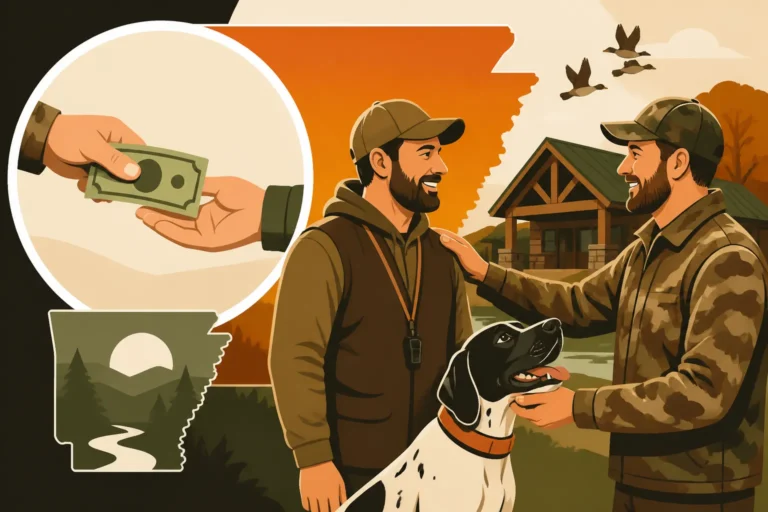
Most often, the hunt fee covers the guide service, boats, decoys, and usually the use of trained retrieval dogs. What's usually not included are your hunting licenses, federal and state duck stamps, and HIP registration. You'll need to purchase these separately before your hunt. Tipping your guide is customary and highly recommended for a good experience; a standard tip usually ranges from 15-20% of the hunt cost, but always tip what you feel is appropriate for the service received. While a specific price can't be given, you should anticipate this to be an investment in a unique and often highly successful hunt. Before booking, ensure you understand all the Arkansas Hunting Licenses and What They Cost requirements, including the Arkansas Federal Duck Stamp Rules, so there are no surprises.
| Feature | Flooded Green Timber Hunt | Reservoir / Big Water Hunt |
|---|---|---|
| Primary Species | Mallards, Wood Ducks, Gadwalls | Divers (Cans, Redheads, Scaup), Mallards, Geese |
| Environment | Cypress/Oak forests, shallow water, dense cover | Open lakes, large rivers, exposed points, deeper water |
| Blind Style | Wading, standing in trees, small portable blinds | Large boat blinds, permanent shore blinds, stable platforms |
| Decoy Spreads | Smaller (1-3 dozen), realistic, often within tight openings | Much larger (dozens to hundreds), highly visible, open water |
| Calling Style | Softer, subtle, often feed chuckles and soft quacks | Louder, aggressive hail calls, carry over long distances |
| Movement | Wading, shallow draft boats, ATVs | Large, powerful boats, capable of handling waves |
| Typical Challenge | Deciphering subtle bird behavior in dense cover | Battling weather elements, reading vast open water, long shots |
| Required Gear | Waders, waterproof jacket, light layers | Insulated waders/bibs, heavy waterproof outer layers, PFD |
Preparing for Your Reservoir Hunting Trip
Hunting on large bodies of water demands a bit more forethought when it comes to personal gear and safety. The conditions can change rapidly, and being prepared is key to staying comfortable and safe.
Essential Gear for Open Water
Forget the notion of just throwing on some light waders and a jacket. Big water means big weather, often. Wind is amplified across open expanses, and temperatures can feel significantly colder due to wind chill and spray. You'll want serious insulation: think thick, insulated waders or waterproof bibs, layered clothing, and a high-quality, fully waterproof and windproof outer shell. A good personal flotation device (PFD) is absolutely non-negotiable – your guide will likely provide them and insist you wear one, especially when moving in the boat. Waterproof gloves, a warm hat, and face protection are also essential to ward off the cold. Since shots can often be longer over open water, practicing with your shotgun at various distances before the hunt is a great idea. And remember, Nontoxic Shot Rules in Arkansas are always in effect for waterfowl hunting, so make sure your ammunition complies. Many outfitters list suggested gear on their websites or can provide a packing list, and resources like GoHunt often offer detailed gear recommendations for various hunting scenarios.
Safety on Big Water
Safety isn't just a suggestion when you're dealing with vast reservoirs and powerful rivers; it's the absolute priority. Your guide will be an expert in navigating these waters, but you also have a role to play. Always listen carefully to their instructions, especially regarding movement in the boat, PFD usage, and shooting zones. Hypothermia is a real concern in cold, wet conditions, so dressing in layers that can be shed or added is smart. Keep an eye on the weather forecast and understand that plans can change rapidly if high winds or storms roll in. Respecting the power of the water and the elements is crucial.
Additionally, always be mindful of legal shooting hours; these are strictly enforced, and your guide will ensure you comply with Arkansas Waterfowl Shooting Hours. Knowing your limits, both physically and in terms of shooting ability, contributes to a safer and more enjoyable hunt for everyone. A guided big water hunt offers an incredible experience, but it's one where preparedness and respect for the environment truly pay off.
Disclaimer
This article is for general informational purposes only and does not constitute professional advice. Laws, prices and regulations vary by location and change over time. Consult a qualified professional for guidance on your specific situation.