Rice Field Guided Hunt Prices
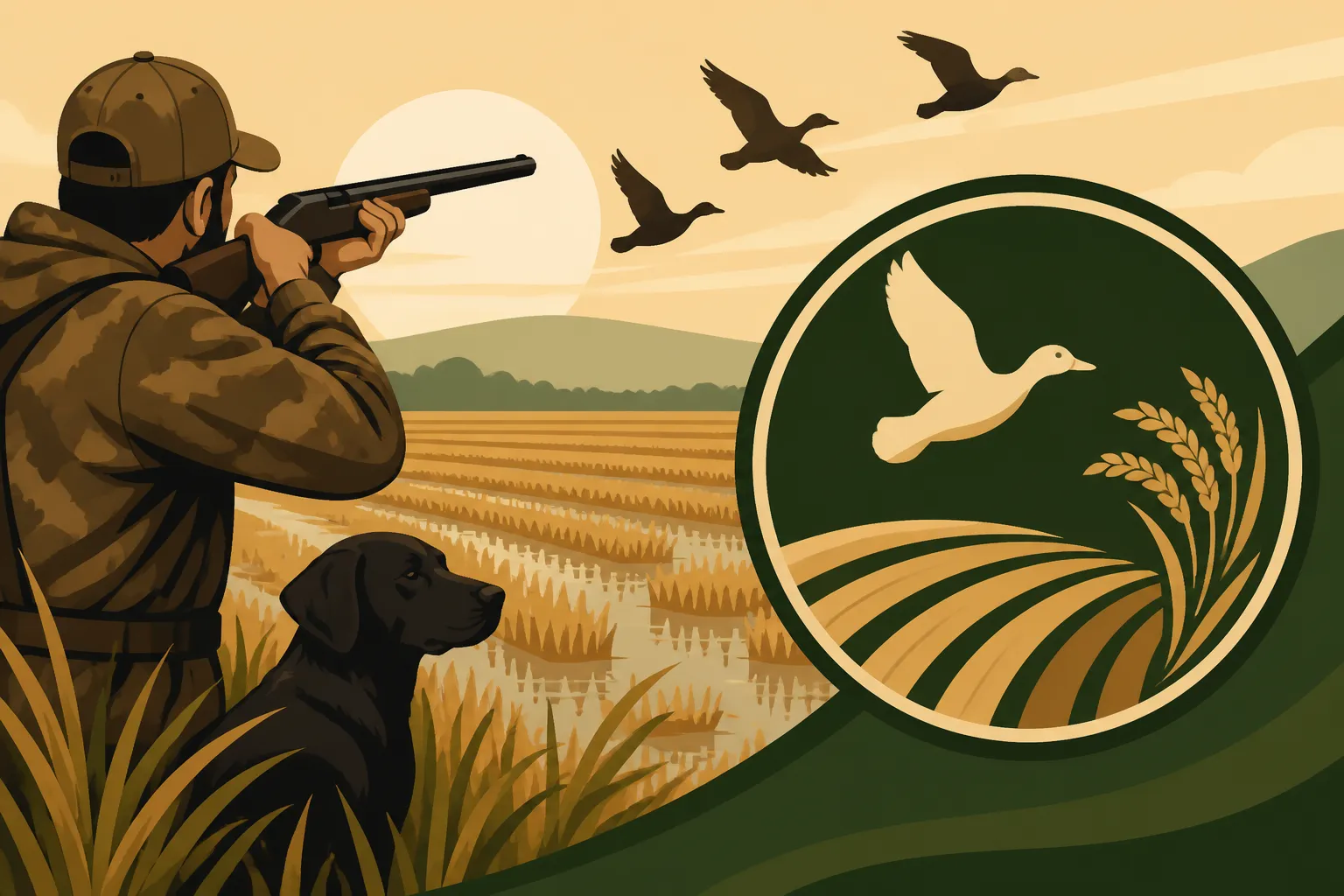
For many folks dreaming of a classic Arkansas duck hunt, the image of mallards cupped over a flooded rice field is iconic. But trying to figure out what a guided hunt in these legendary fields actually costs can feel like navigating a maze, leaving you wondering if your budget can handle the experience. This guide aims to clear up that confusion, breaking down the factors that influence rice field hunt prices, what your money typically gets you, and how to approach booking a trip that fits your wallet and your expectations.
Understanding the Factors Influencing Rice Field Hunt Prices
When you start looking into guided rice field duck hunts in Arkansas, you'll quickly notice that prices aren't one-size-fits-all. A lot goes into how outfitters determine their rates, and understanding these elements is key to budgeting realistically and knowing what to expect. It's not just about showing up and shooting; it's about the entire package, the service, and the quality of the experience.
Daily Rates vs. Multi-Day Packages
Most outfitters offer their services in one of two primary structures: a single-day hunt or a multi-day package. The daily rate is straightforward: you pay for one morning (or sometimes an afternoon, though morning hunts are most common for ducks) of guided hunting. This can be appealing for those with limited time or who are just looking to dip their toes in the water. However, you'll often find that the per-day cost can be higher when booked individually.
Multi-day packages, on the other hand, bundle several hunts, often including lodging, meals, and sometimes additional amenities. While the upfront cost is higher, the per-day rate within a package is often more economical. Think of it like buying in bulk; the outfitter can offer a better deal because you're committing to a longer stay. These packages are popular because they allow hunters to settle in, experience different weather patterns, and increase their chances of hitting a good flight day. If you're looking for a comprehensive experience, a package often makes more sense, offering more bang for your buck and reducing the stress of finding accommodations and food separately. For a deeper dive into what a typical guided hunt involves, you might want to read What an Arkansas Guided Duck Hunt Costs.
Inclusions and Exclusions: What You're Really Paying For
This is where understanding the fine print becomes critical. What's included in that advertised price can vary wildly from one outfitter to another, and what seems like a great deal initially might end up costing more once you factor in all the extras. A "guided hunt" can mean anything from just the guide and access to the field, to an all-inclusive luxury experience.
Typically, a basic guided rice field hunt will include the guide, decoys, a blind, and access to the hunting property. This means you're responsible for your own lodging, meals, transportation to and from the lodge/meeting spot, ammunition, waders, shotgun, and licenses. An all-inclusive package, however, often covers lodging, three meals a day, bird cleaning, and sometimes even transportation from a nearby airport. Some might even offer a limited supply of non-alcoholic beverages. It's crucial to ask for a detailed list of what's included and, just as importantly, what isn't. Don't assume anything. Confirming these details upfront prevents unwelcome surprises later on, helping you budget accurately for your entire trip, not just the hunt itself. Exploring All-Inclusive Arkansas Duck Packages can provide more insight into these comprehensive offerings.
Prime Season vs. Off-Peak Opportunities
Just like any travel or recreational activity, demand plays a huge role in pricing. For Arkansas duck hunting, certain times of the season are considered "prime," and these dates often command higher prices. The opening weekend, the period around Thanksgiving, and particularly the cold weeks of December and January when large numbers of migratory ducks have pushed down into Arkansas, are typically the most sought-after. These are the times when the fields are likely to be full of birds, and the action can be fast and furious.
Conversely, hunting earlier in the season, such as during the first split in November when migrating ducks are just starting to arrive and local birds are still plentiful, or later in January after the main rush, might present more affordable options. While the hunting might be different—perhaps fewer birds overall or more challenging conditions—it can still offer a fantastic experience without the premium price tag. You might encounter more resident birds early on, or deal with late-season educated ducks, but the opportunity to hunt Arkansas's famed rice fields remains. Always check the Arkansas Duck Season Dates to understand these splits and plan accordingly.
What to Expect From a Guided Rice Field Hunt
Stepping into a flooded Arkansas rice field for the first time is an experience unlike any other. It’s not just about the shot; it's about the atmosphere, the camaraderie, and the chance to witness the incredible spectacle of waterfowl migration. Knowing what to expect in terms of the actual hunt and what you need to bring can help you prepare mentally and practically for your trip.
The Typical Hunt Day Experience
Your guided rice field hunt will generally begin well before dawn. Most outfitters will have you meet at a designated lodge or meeting spot a couple of hours before legal shooting light. This gives you time to enjoy a hot breakfast, go over safety rules, and receive your hunting assignment for the morning. From there, you'll travel, often in a UTV, ATV, or truck, to the edge of the rice field.
Depending on the setup, you might walk a short distance to a permanent pit blind, a sunken box blind, or a layout blind brushed into the levee. The guide will have already set out a decoy spread, carefully arranged to entice passing birds. Once you're settled, it's a waiting game, filled with the sounds of the marsh coming alive. When ducks start flying, your guide will manage the calling, working tirelessly to bring birds into range. It's a symphony of anticipation, calling, and hopefully, shooting. Most hunts conclude around late morning, usually after a flurry of activity, and you'll head back to the lodge for another meal and stories of the morning's adventure. You can get more details on setting up for this kind of hunt in Setting a Spread on a Levee.
Gear and Preparation for a Rice Field Hunt
Being properly equipped is non-negotiable for a successful and comfortable rice field hunt. The Arkansas Delta can be chilly and damp, even if the thermometer doesn't show extreme lows. Your most critical piece of gear will be a good pair of waterproof waders. Chest waders are almost always necessary, as you'll be wading through flooded fields, and sometimes crossing irrigation ditches. Layering your clothing is also crucial. Start with a moisture-wicking base layer, add insulating layers like fleece or down, and top it off with a waterproof and windproof outer shell in camouflage patterns suitable for drab fields.
Beyond clothing, you'll need your shotgun (check with your outfitter on gauge recommendations, but 12-gauge is standard), plenty of non-toxic ammunition (steel shot is legally required for waterfowl), and appropriate hunting licenses and stamps. Don't forget essentials like ear protection, shooting gloves, a waterproof bag for personal items, a headlamp for navigating in the dark, and a good thermos for coffee or hot chocolate. Remember, being cold or wet can quickly ruin a hunt, so invest in quality gear. Your outfitter might offer some gear rentals, but it's best to confirm this well in advance. For those keen on scouting, the AGFC map tool can be invaluable, but for the actual hunt, your outfitter will handle the specifics of field choice.
Understanding Success Rates and Expectations
It’s important to manage your expectations when booking any guided hunt, and rice field duck hunting is no exception. While Arkansas is renowned for its duck hunting, it's still hunting, and there are no guarantees. Factors like weather, migration patterns, hunting pressure, and even the skill of the birds themselves all play a role in daily success. Outfitters work incredibly hard to put you on birds, utilizing years of experience, scouting efforts, and access to prime properties.
However, a "good hunt" isn't always measured solely by the number of ducks in your strap. It's about the overall experience: the beauty of the sunrise over a flooded field, the thrill of calling birds, the camaraderie in the blind, and the memories made. A reputable outfitter will provide a realistic picture of current conditions and what kind of hunting to expect. Be wary of any operation that promises limits every day, as that's simply not how wild bird hunting works. Focus on finding an outfitter known for consistency, ethical practices, and providing an enjoyable experience, regardless of the final bird count. Websites like BookYourHunt and GoHunt can be good resources for researching outfitters and reading reviews to get a sense of their reputation.
Budgeting and Booking Your Arkansas Rice Field Hunt
Once you have a better grasp of what influences prices and what to expect on the hunt, the next step is to figure out your budget and navigate the booking process. This involves understanding financial commitments beyond the base price, finding an outfitter that aligns with your needs, and even looking for ways to maximize your value.
Navigating Deposits, Cancellations, and Gratuities
Booking a guided hunt usually requires a deposit, often a significant percentage of the total cost, paid upfront. This deposit secures your dates and helps the outfitter cover initial expenses. It's crucial to understand the outfitter's cancellation policy before you put any money down. What happens if you have to cancel? Is the deposit refundable, transferable, or forfeited? What if the weather makes hunting impossible, or water levels are too low/high? These are important questions to ask and get in writing. For more details, consider reading What Happens if the Water Is Wrong.
Beyond the base price and deposit, always factor in gratuities for your guide and any lodge staff. Tipping is customary and a significant part of their income, reflecting their hard work and dedication. A general guideline is to tip your guide around 15-20% of the daily hunt cost per person, depending on the quality of service. If there's lodge staff (cooks, housekeepers), a separate tip pool or individual tips are also appreciated. Don't forget expenses for ammunition, licenses (including the Arkansas Waterfowl Stamp and Federal Duck Stamp), travel to and from Arkansas, and any personal gear you might need to purchase. You can read more about Tipping an Arkansas Duck Guide for specific recommendations.
Here's a simplified table comparing typical inclusions and factors affecting price:
| Feature/Cost Factor | Basic Guided Hunt (Higher Per-Day Rate) | All-Inclusive Package (Lower Per-Day Rate) |
|---|---|---|
| Guide & Field Access | Included | Included |
| Decoys & Blind | Included | Included |
| Lodging | Excluded (You arrange) | Included (Lodge stay) |
| Meals | Excluded (You arrange) | Included (Breakfast, lunch, dinner) |
| Bird Cleaning | Often Excluded (Extra fee or DIY) | Usually Included |
| Transportation | Excluded (You arrange to meeting point) | Often includes transportation from local airport/to hunting spots |
| Ammunition | Excluded (You purchase) | Excluded (You purchase) |
| Licenses/Stamps | Excluded (You purchase) | Excluded (You purchase) |
| Gratuities | Excluded (Expected) | Excluded (Expected) |
| Season Timing | Can be found throughout the season, but prime dates are higher. | Packages often align with prime dates, making them more expensive overall. |
| Flexibility | More flexible for single days. | Less flexible for date changes. |
| Upfront Cost | Lower | Higher |
| Total Trip Cost | Can be higher once all exclusions are accounted for. | Generally more predictable total cost. |
Finding the Right Outfitter for Your Budget and Style
With so many outfitters in Arkansas, finding the right one can feel overwhelming. Start by clearly defining what you're looking for in a hunt. Are you a solo hunter, or part of a large group? Do you prefer a rustic experience or luxury accommodations? What's your top priority: big limits, great food, a relaxed atmosphere, or learning new techniques? Your answers will help narrow down your options significantly.
Online resources like BookYourHunt and GoHunt are excellent starting points for finding outfitters, as they often list services, pricing structures, and reviews. However, don't stop there. Contact several outfitters directly. Ask detailed questions about everything from group size in the blind to their water management practices. Pay attention to how quickly and thoroughly they respond. A good outfitter will be transparent and happy to answer all your questions, making you feel confident and comfortable with your booking. Don't hesitate to ask for references from past clients to get an unbiased perspective. You can learn more about finding reliable guides by reading Checking an Arkansas Outfitter's Reputation.
Tips for Saving Money Without Sacrificing Experience
Even if you're on a tighter budget, experiencing a guided Arkansas rice field duck hunt is still within reach. One of the best ways to save money is to consider booking during the "shoulders" of the season, outside of the absolute prime weeks. While the hunting might not be as consistently epic, it can still be fantastic, and prices are often more approachable. Hunting early in the first split or during the later weeks of January, after the holiday rush, can yield good opportunities. Check out Booking January Ducks After the Crowds for more on this strategy.
Another approach is to opt for a "day lease" or a hunt that focuses solely on the guide and the birds, handling your own lodging and meals at a nearby hotel or rental. Traveling with a group can also help reduce costs, as many outfitters have per-person rates that become more economical with more hunters. Lastly, consider places just outside the most famous areas like Stuttgart. While Stuttgart is iconic, surrounding counties also offer excellent rice field hunting, sometimes at a slightly lower price point. Comparing Green Timber Versus Rice Field Guides might also help you decide which type of hunt best suits your budget and preferred style. Always remember, a great experience is often more about the people you're with and the memories you make than the absolute lowest price or highest bird count.
Disclaimer
This article is for general informational purposes only and does not constitute professional advice. Laws, prices and regulations vary by location and change over time. Consult a qualified professional for guidance on your specific situation.