Green Timber Guided Hunt Prices
Trying to figure out what a guided green timber duck hunt in Arkansas actually costs can feel like navigating a maze blindfolded. You see all these amazing photos and hear the legendary tales, but the actual price tags often remain vague until you're deep into the booking process. This guide is here to shed some light on the various factors that go into pricing these iconic hunts, helping you understand what to expect and how to make the best decision for your hard-earned money.
The Unique Appeal of Green Timber Duck Hunting
There’s something truly magical about hunting ducks in flooded timber. It’s an experience that’s uniquely Arkansas, deeply ingrained in our hunting heritage, and sought after by waterfowlers from all corners of the globe. But what exactly makes it so special, and why does it often come with a different price point than other types of duck hunting?
Understanding the Green Timber Experience
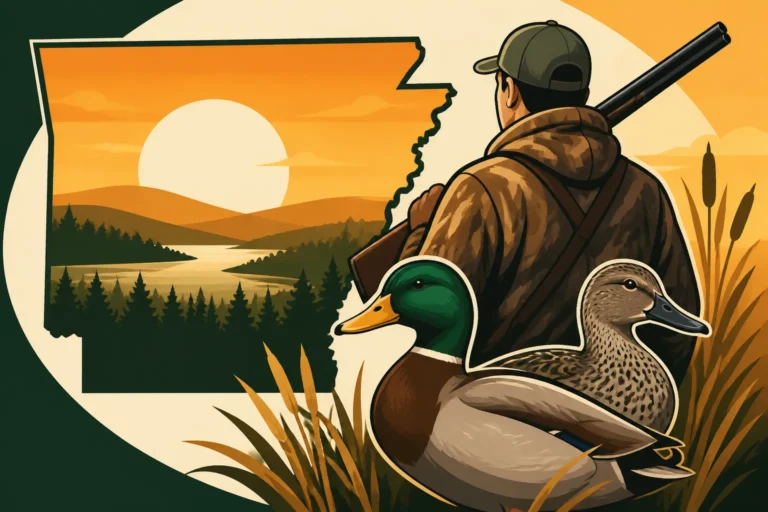
Imagine standing knee-deep in still, dark water, surrounded by towering oak trees, their branches bare and reaching towards the grey winter sky. The air is crisp, filled with the muffled sounds of the swamp, and then, a distant whistle. Suddenly, the sky above explodes with the rapid wing beats of mallards dropping through the canopy, circling your carefully placed decoys. Your heart pounds as the guide whispers "Take 'em!" and the timber echoes with shotgun blasts. That, my friends, is the essence of green timber duck hunting. It's not just about shooting ducks; it's about the immersion in a wild, ancient environment, the intense interaction with the birds as they commit to the hole, and the unique challenges of Calling Ducks in Tight Arkansas Timber and Setting Decoys in Timber Holes. This isn't your typical open-water field hunt; it's a cathedral of nature, and the demand for this specific experience drives much of its market value.
Why Green Timber Commands a Premium
The "why" behind the higher price tag for green timber hunts compared to, say, a flooded rice field hunt, comes down to several factors, mostly related to access, maintenance, and the sheer logistics involved. First, prime green timber is a finite resource. It takes decades, even centuries, for these forests to grow into the ideal hunting habitat. Many of the best timber holes are privately owned or managed, requiring significant investment to acquire and maintain. Then there's the ongoing management of water levels, which involves complex pump systems and careful planning to ensure the timber is flooded at the right time and depth for the migrating mallards. Green Tree Reservoir Management in Arkansas is a serious endeavor. These areas are often more challenging to access, sometimes requiring ATVs, boats, or long wades, which adds to the operational costs for an outfitter. Furthermore, the specialized knowledge required to consistently hunt green timber successfully – from understanding duck flight patterns through the trees to expert timber calling – is a skill that takes years to master. When you book a green timber hunt, you're not just paying for a blind and decoys; you're paying for access to a prime, well-managed ecosystem and the expertise of guides who live and breathe this unique style of hunting.
Key Factors Influencing Pricing
When you start looking into guided green timber duck hunts, you'll quickly notice a range of prices. It's not a one-size-fits-all situation, and understanding what drives these differences can help you manage your expectations and budget.
The Guide's Reputation and Experience
Just like any specialized service, the reputation and experience of your guide and their outfitter play a huge role in pricing. A guide who has been working the same timber for decades, knows every eddy and every tree, and consistently puts clients on birds is naturally going to charge more than a newer, less established operation. These seasoned professionals have built their business on years of successful hunts, repeat clientele, and word-of-mouth recommendations. Their expertise in reading the weather, knowing where the ducks want to be, and adapting tactics on the fly is invaluable. Think of it this way: you're not just paying for a day in the woods; you're paying for the accumulated wisdom and hard work that leads to a memorable and often successful hunt. A highly regarded outfitter might be featured on platforms like BookYourHunt, showcasing their long-standing success and professional approach. Don't underestimate the value of a guide who can adapt to conditions, especially considering the variability of Arkansas Duck Season Dates and weather.
Lodge Amenities and Services
Another significant factor in the overall cost is the level of accommodation and services provided by the lodge. Arkansas duck hunting, especially in the Delta, has a rich tradition of lodges, from rustic bunkhouses to luxurious estates.
Are you looking for a simple, comfortable place to crash after a cold morning hunt, or do you envision gourmet meals, a full-service bar, and a cozy lounge with a roaring fireplace? These amenities come at a price.
A basic hunt package might include a clean bed and hearty breakfast, while a premium lodge might offer chef-prepared dinners, bird cleaning services, dog kennels, and even transportation from a nearby airport. When comparing prices, always clarify what's included beyond the actual hunting time. For a deeper dive into options, consider checking out guides on platforms like GoHunt, which often categorize hunt types and amenities, allowing you to filter based on your preferences and budget.
Location and Access to Prime Timber
Location, location, location! In Arkansas duck hunting, this often translates to proximity to major flyways, historical wintering grounds, and well-managed private timber. Areas like Stuttgart, often called the "Duck Capital of the World," are in high demand due to their consistent duck numbers and rich hunting culture. Properties near major rivers like the White River or the Cache River, which funnel huge numbers of migratory birds, are particularly valuable. Outfitters who own or lease large tracts of prime Hunting Arkansas Flooded Green Timber or are adjacent to wildlife refuges often have better access to consistent concentrations of ducks. The easier it is for ducks to find undisturbed roosting and feeding areas on or near the property, the higher the perceived value. This also ties into the operational costs; properties requiring extensive levee systems, pumping stations, or specialized equipment for access can lead to higher prices.
What's Typically Included in Your Hunt Price
Understanding what you're actually getting for your money is crucial when evaluating guided hunt prices. Packages can vary widely, so it's always best to get a clear breakdown from the outfitter.
The Core Hunting Experience
At its heart, any guided hunt package will include the actual guided hunting experience. This means access to the hunting property, the expertise of a professional guide, and the use of their equipment, such as decoys, calls, and often a well-trained retrieving dog. For a green timber hunt, this typically involves being led to a pre-scouted timber hole, assistance with setting up, calling ducks, and retrieving fallen birds. Most outfitters offer morning hunts, lasting until limits are reached or a predetermined time. Some might offer afternoon hunts, though this is less common in timber due to the desire to let birds rest.
What might not be included in the "core" experience are things like your hunting license, federal and state duck stamps, or any specific WMA permits, if applicable. These are almost always the hunter's responsibility to acquire before the trip. You'll also need your own shotgun and ammunition, though some lodges might have guns available for rent. Always ask about the group size; knowing how many hunters will be sharing the blind or timber hole can impact your experience and shot opportunities. When looking at platforms like BookYourHunt, pay close attention to the "Inclusions" and "Exclusions" sections of each hunt listing.
Lodging and Meals
For many hunters, the appeal of a guided hunt extends beyond the field to the camaraderie and convenience of a lodge experience. Most multi-day guided hunt packages will include lodging and meals. Lodging can range from a shared bunk room in a rustic hunting camp to a private suite in a luxurious lodge. Meals typically include breakfast before the hunt and dinner afterwards, with some offering a grab-and-go lunch option. The quality and variety of food will often reflect the overall price point of the hunt.
It’s important to clarify the meal schedule and what beverages, if any, are included. Are snacks provided? Is there a self-service coffee bar? For hunters with dietary restrictions, confirming the kitchen's ability to accommodate these needs beforehand is a must. If you're on a budget, some outfitters might offer "hunt-only" options where you arrange your own lodging and meals, which can significantly reduce the cost. Places like Stuttgart and Grand Prairie Duck Lodges often have detailed breakdowns of their lodging and meal plans on their websites or booking portals.
Additional Services and Hidden Costs
Beyond the basics, many outfitters offer additional services that can add to the overall price or be an extra cost you need to budget for. These often include bird cleaning and packaging services, where the lodge staff will breast out and bag your ducks. Some may even have freezer space to store your birds until your departure. Gratuities for guides, dog handlers, and lodge staff are customary and should always be factored into your budget, typically paid in cash at the end of your trip.
Other potential "hidden" costs could include transportation to and from the hunting grounds if it's not within walking distance of the lodge, or if you need to be picked up from a distant airport. Ammunition, gun rental, and gear rentals (like waders or rain gear) are often extra. If you plan to bring your own retriever, check if there are kennel fees or specific rules. It's also wise to consider travel insurance, especially for a significant investment, in case of unexpected cancellations or weather-related issues. Always read the fine print and ask for a detailed breakdown of all costs before committing to a booking. Websites like GoHunt often include comprehensive FAQs that cover many of these potential add-ons.
| Service/Item | Typically Included in Package | Often an Extra Cost/Hunter's Responsibility |
|---|---|---|
| Guided Hunt | Yes | |
| Guide's Expertise | Yes | |
| Use of Decoys & Calls | Yes | |
| Retriever Dog | Yes | |
| Lodging | Often | Sometimes (for hunt-only packages) |
| Meals | Often | Sometimes (for hunt-only packages) |
| Bird Cleaning | Sometimes | Often |
| Gratuities | No | Yes (always budget for these!) |
| Hunting License | No | Yes |
| Duck Stamps | No | Yes |
| Shotgun | No | Yes (rental may be available) |
| Ammunition | No | Yes |
| Waders/Gear | No | Yes (rental may be available) |
| Alcoholic Beverages | Sometimes | Often |
| Transportation | Sometimes (local) | Yes (to/from airport, if not specified) |
Making an Informed Decision and Maximizing Value
Choosing the right green timber hunt isn't just about finding the cheapest option; it's about finding the best fit for your expectations, budget, and hunting style. A little research and planning go a long way.
Researching and Comparing Outfitters
Before you commit, do your homework! Start by exploring various outfitters, especially those known for their Green Timber Duck Hunting in Arkansas. Look at their websites, social media, and read reviews from past clients. Pay attention to what hunters say about the guides, the quality of the hunting, and the lodge experience. Platforms like BookYourHunt and GoHunt are excellent resources for finding reputable outfitters, often providing detailed descriptions, photos, and genuine client testimonials. Don't be shy about asking for references; a good outfitter will be happy to connect you with previous clients.
When comparing, consider not just the price but also the outfitter's communication, their track record, and how well their offerings align with your priorities. Is it a high-volume operation focused on limits, or a more intimate experience prioritizing quality over quantity? Some outfitters might specialize in Hunting the Arkansas Christmas Modern Gun Days or focus on different parts of the season, which could affect bird numbers. Clarify everything in writing, from the exact dates of your hunt to what's included and any cancellation policies. This transparency is key to avoiding surprises down the road.
Understanding What You're Paying For
Remember, a green timber hunt is an investment in an experience. While you won't get a specific price from me, know that costs reflect the value of prime private land, the expertise of the guides, the quality of the accommodations, and the overall management of the resource. Don't just look at the dollar figure; consider the entire package. A slightly higher price might include bird cleaning, better meals, or access to superior hunting ground, which could ultimately lead to a more enjoyable and successful trip.
Conversely, a lower-priced hunt might be bare-bones, requiring you to handle more logistics yourself, which is perfectly fine if that's what you prefer! Think about the value proposition. Is it an all-inclusive experience where you just show up and hunt, or are there aspects you'll need to arrange? Understanding these nuances helps you appreciate the true cost and avoid feeling short-changed. Looking at the specifics covered in What an Arkansas Guided Duck Hunt Costs can help you set realistic expectations.
Securing Your Spot and Planning Ahead
Once you've found an outfitter and a package that suits you, don't delay in securing your spot, especially for prime dates like opening weekend or the peak of the migration in December and January. Good green timber guides book up quickly, sometimes a year or more in advance. Most outfitters will require a deposit to hold your reservation, with the remaining balance due closer to the hunt date. Be sure to understand their cancellation and refund policies.
Beyond booking, plan your travel, ensure your hunting license and stamps are in order, and pack appropriately for the ever-changing Arkansas weather. This includes good waders, warm layers, rain gear, and comfortable camp clothes. Consider reviewing Field Dressing in Arkansas Heat or Cooling Meat in an Arkansas November if you plan to process your own birds, or ask your outfitter about their bird cleaning services. The more prepared you are, the smoother and more enjoyable your green timber adventure will be.
Disclaimer
This article is for general informational purposes only and does not constitute professional advice. Laws, prices and regulations vary by location and change over time. Consult a qualified professional for guidance on your specific situation.