Wading Depth and Water Conditions
You've booked that long-awaited hunting trip to Arkansas, probably dreaming of crisp mornings and limits of greenheads cupping into flooded timber, or maybe a big buck stepping out of a delta slough. But then you start wondering: "How deep is the water really going to be? What if it's too shallow? Or worse, too deep?" These worries are completely valid, because water depth and its condition can make or break your hunt, impacting everything from your mobility to your safety. This guide will help you understand the dynamic world of Arkansas's hunting waters, what to expect from various conditions, and how to effectively prepare yourself and communicate with your outfitter to ensure a successful and safe experience.
Understanding Wading Depths and Their Impact on Your Hunt
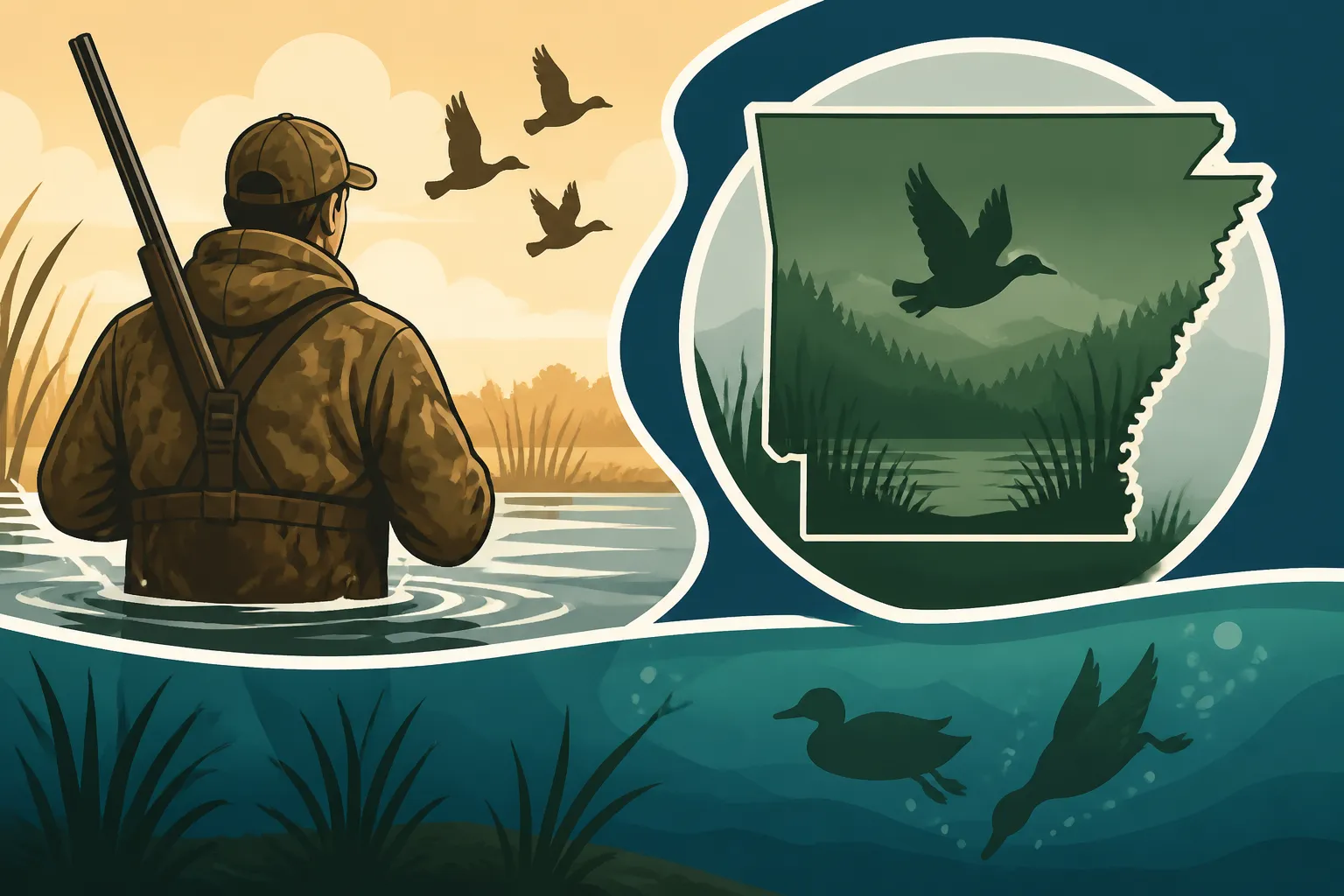
When we talk about "wading depth," it's more than just a number; it's a critical factor that dictates your entire hunting experience, especially in Arkansas's renowned waterfowl country. From flooded timber to rice fields, the water's depth directly affects how you move, how your gear performs, and even how your hunting dog can do its job. A misjudgment here can lead to anything from discomfort to a potentially dangerous situation.
The Realities of Varied Water Levels
Imagine planning a hunt for flooded timber, picturing serene knee-deep water, perfect for walking and setting decoys. Then you arrive, and the water is suddenly waist-deep due to recent heavy rains. Your waders, bought for "standard" depths, are now barely adequate, and every step becomes a monumental effort against unseen submerged obstacles. This isn't just uncomfortable; it severely limits your mobility, making it difficult to spread out or even adjust your position to changing flight patterns. In these deeper conditions, what was once an easy walk to a timber hole can become a strenuous swim, impacting your energy levels before the first duck even buzzes the trees.
Conversely, think about hunting a rice field. You expect a foot or two of water, enough to hide in the stubble and float decoys effectively. What if a dry spell has left only a few inches of muddy slush? Suddenly, your carefully planned decoy spread isn't floating naturally, and you're struggling to find enough cover. Shallow water can expose blinds, make dog retrieves difficult in thick mud, and force you to get creative with concealment. The "perfect" water depth is often somewhere in the middle, allowing for easy movement, effective decoy spreads, and comfortable concealment.
Safety and Equipment Considerations
Safety is paramount, and wading depth plays a huge role. Deep, fast-moving water, common in some river bottom areas or during flood events, poses a significant drowning risk, even for experienced hunters. Hidden stumps, logs, and drop-offs become treacherous unseen hazards. This is why understanding the specific conditions you'll face is so important; it informs your gear choices, like whether you need chest waders versus hip boots, or even a life vest if you'll be navigating deeper channels.
Beyond personal safety, water depth affects your equipment. Decoys need sufficient water to sit naturally and move with the slightest breeze or current. If the water is too shallow, they might rest on the bottom, looking unnatural, or become impossible to deploy. Dogs also struggle in certain depths. Retrievers are built for swimming, but slogging through deep mud in shallow water can be exhausting and cause undue stress on their joints, while navigating swiftly flowing, deep water with heavy current can be dangerous for them. It’s a delicate balance, and experienced guides usually have a good handle on what works best for their specific hunting locations. For more on navigating these unique environments, check out Hunting Arkansas Flooded Green Timber.
Navigating Arkansas's Diverse Water Conditions
Arkansas's landscape offers a rich tapestry of hunting environments, each with its own unique water conditions. From the vast, intricate networks of flooded timber in the Delta to the open expanse of agricultural fields, understanding these differences is key to a successful hunt. The state's waters are dynamic, influenced by rainfall, river levels, and human-managed infrastructure, meaning conditions can change not just season to season, but day to day.
Flooded Timber and Its Challenges
The legendary flooded timber of the Arkansas Delta is arguably the state's most iconic duck hunting habitat. Here, the water is typically controlled by natural flooding from major rivers or by man-made levees and pumps on private lands and Wildlife Management Areas (WMAs). Wading depths can range dramatically. Early in the season, you might find ankle-deep water in some areas, making for easy walking but potentially exposing more bottom structure or stumps. As the season progresses and rainfall increases, it's not uncommon to find areas with knee- to waist-deep water, especially within the deeper "holes" or sloughs. This can significantly increase the physical demands of a hunt.
The challenges in flooded timber extend beyond just depth. The bottom can be uneven, littered with submerged logs, roots, and sudden drop-offs into deeper channels or cypress knees. The current, especially in naturally flooded river bottoms, can be surprisingly strong. Mud can be a major factor, particularly in areas with less flow, making every step a suction battle. Knowing your entry and exit routes, and understanding how to navigate these underwater obstacles, is crucial for safety and efficiency. This is where good scouting and local knowledge really pay off, and an outfitter's experience with Entry Routes Through Flooded Timber becomes invaluable.
Rice Fields, Sloughs, and River Bottoms
Beyond the timber, Arkansas offers diverse water settings. Flooded rice and soybean fields, often managed specifically for waterfowl, typically have more controlled and consistent water levels, usually ranging from 6 inches to 2 feet deep. While generally less physically demanding for wading than timber, the mud in these fields can be notoriously thick and sticky, sucking at your boots with every step. Uneven ground or hidden irrigation ditches can still present tripping hazards. Hunting Rice Fields and Levees often involves navigating these slick, muddy conditions, so good traction on your waders is a must.
Natural sloughs, oxbows, and river bottoms, particularly along the White River or Cache River systems, introduce different dynamics. Water levels here are directly tied to river stages, which can fluctuate wildly with rainfall upstream. You might find swift currents, unexpected sandbars, or deep scour holes. Water conditions can shift from crystal clear to heavily turbid with a fresh rain. When you are assessing public land, it's vital to know how to interpret river gauges and understand what various water levels mean for access and hunting, as covered in Reading Water Levels on the White River. The combination of current, depth variations, and potential debris requires heightened awareness and sturdy wading gear.
How Outfitters and Guides Manage and Communicate Water Intel
One of the biggest advantages of booking a guided hunt in Arkansas is gaining access to an outfitter's intimate knowledge of water conditions. They're on the ground, constantly monitoring, and often have the ability to adapt to what Mother Nature throws their way. However, it's still crucial for hunters to know what questions to ask and what information they should expect.
The Guide's Role in Water Management
Arkansas outfitters operate across various landscapes, from private green timber reservoirs to leased rice fields. Many guides meticulously manage their water. In flooded timber, this might involve manipulating water levels with pumps and gates to create ideal wading conditions or to hold ducks longer. In rice fields, they'll work with landowners to ensure fields are flooded to the optimal depth for their blinds and decoy spreads. They're watching weather forecasts, checking river gauges, and scouting constantly to find the best water for their clients. This proactive management means they often have multiple spots and can shift based on current conditions, aiming to provide the best possible hunt despite fluctuating water.
However, even the most experienced guide can't control everything. Extreme weather, like prolonged drought or torrential rain, can override even the best water management efforts. A sudden cold snap might freeze shallower areas overnight, changing the game completely. What they can do is provide timely and accurate information, and pivot to alternative hunting locations if their primary spots become unhuntable. This flexibility is a key aspect of a quality guided hunt. When considering Booking an Arkansas Duck Hunt, always ask about their contingency plans for adverse water conditions.
Asking the Right Questions Before Your Hunt
As a client, it's your responsibility to ask specific questions about expected water conditions before you arrive. Don't be shy! A good outfitter will appreciate your proactive approach and be transparent. Here are some key questions:
- "What is the typical wading depth in the areas we'll be hunting?" Ask for ranges (e.g., "usually knee to waist-deep").
- "How does recent rainfall or lack thereof affect your hunting spots?" This helps you gauge the variability.
- "Are there specific areas that might be deeper or have stronger currents?" Understand potential physical demands.
- "What kind of bottom can I expect – muddy, firm, lots of stumps?" This informs your choice of wading boots.
- "What happens if water levels are too low or too high to hunt effectively?" Ask about their backup plans or rescheduling policies. This relates to What Happens if the Water Is Wrong.
- "Will we be wading significant distances, or will transportation via boat be common?" Understanding the physical exertion required is vital, especially if you have physical limitations, as discussed in Asking About Physical Demands.
Platforms like BookYourHunt or GoHunt often provide initial descriptions, but a direct conversation with the outfitter is indispensable for clarifying these crucial details. Don't rely solely on website text; a quick phone call can provide peace of mind and help you pack correctly.
Preparing for the Unpredictable: Gear and Mindset
Arkansas's hunting environments are beautiful but often challenging, and water conditions are a prime example of that unpredictability. Showing up prepared, both with the right gear and the right mindset, is crucial for turning potential frustrations into memorable adventures. No matter how much research you do or how well you communicate with your guide, Mother Nature always has the final say, so embracing flexibility is key.
Essential Gear for Varied Water Depths
Your waders are your most important piece of equipment when hunting Arkansas's water. Don't skimp! Chest waders are almost always the safest bet, even if you anticipate shallower water, simply because you never know when you might step into an unexpected dip or a deeper slough. Look for durable, well-insulated waders with good traction on the boots – felt or aggressive rubber soles are often preferred for slippery mud or submerged timber. Breathable waders are excellent for early season comfort, but ensure you can layer underneath for colder late-season hunts. A wading belt is essential for safety, minimizing water intrusion if you do take a tumble.
Beyond waders, consider waterproof bags for your calls, snacks, and electronics. A sturdy wading staff or walking stick can be a lifesaer in deep, muddy, or uneven bottom conditions, providing stability and allowing you to probe ahead for obstacles. Even a small, lightweight personal flotation device (PFD) can offer peace of mind, especially if you know you'll be navigating deeper, faster water. Always pack layers of clothing. What starts as a bone-chilling morning in knee-deep water can quickly warm up once the sun hits or if you're exerting yourself, making proper layering vital for comfort.
Flexibility and Communication in the Field
Even with the best planning, water conditions can change overnight. A surprise heavy rain can flood fields, or a sudden cold front can skim ice across shallow areas. This is where your mindset really comes into play. Approach your hunt with a flexible attitude, ready to adapt to whatever the day brings. An experienced guide will adjust tactics, move to different locations, or even change the species you target if water conditions make the original plan unfeasible. Trust their judgment, as they are intimately familiar with their hunting grounds and the local wildlife behavior.
Open and honest communication with your outfitter or guide is paramount, both before and during your hunt. If you're struggling with the depth, feeling unsafe, or find the physical demands too great, speak up immediately. Don't try to tough it out and risk injury or ruin the experience for others. Guides want you to have a safe and enjoyable trip, and they can often adjust the plan, find a shallower route, or offer assistance. This adaptability, combined with proper preparation, ensures that you can make the most of your Arkansas hunting adventure, no matter what surprises the water holds.
Disclaimer
This article is for general informational purposes only and does not constitute professional advice. Laws, prices and regulations vary by location and change over time. Consult a qualified professional for guidance on your specific situation.