Asking About Physical Demands
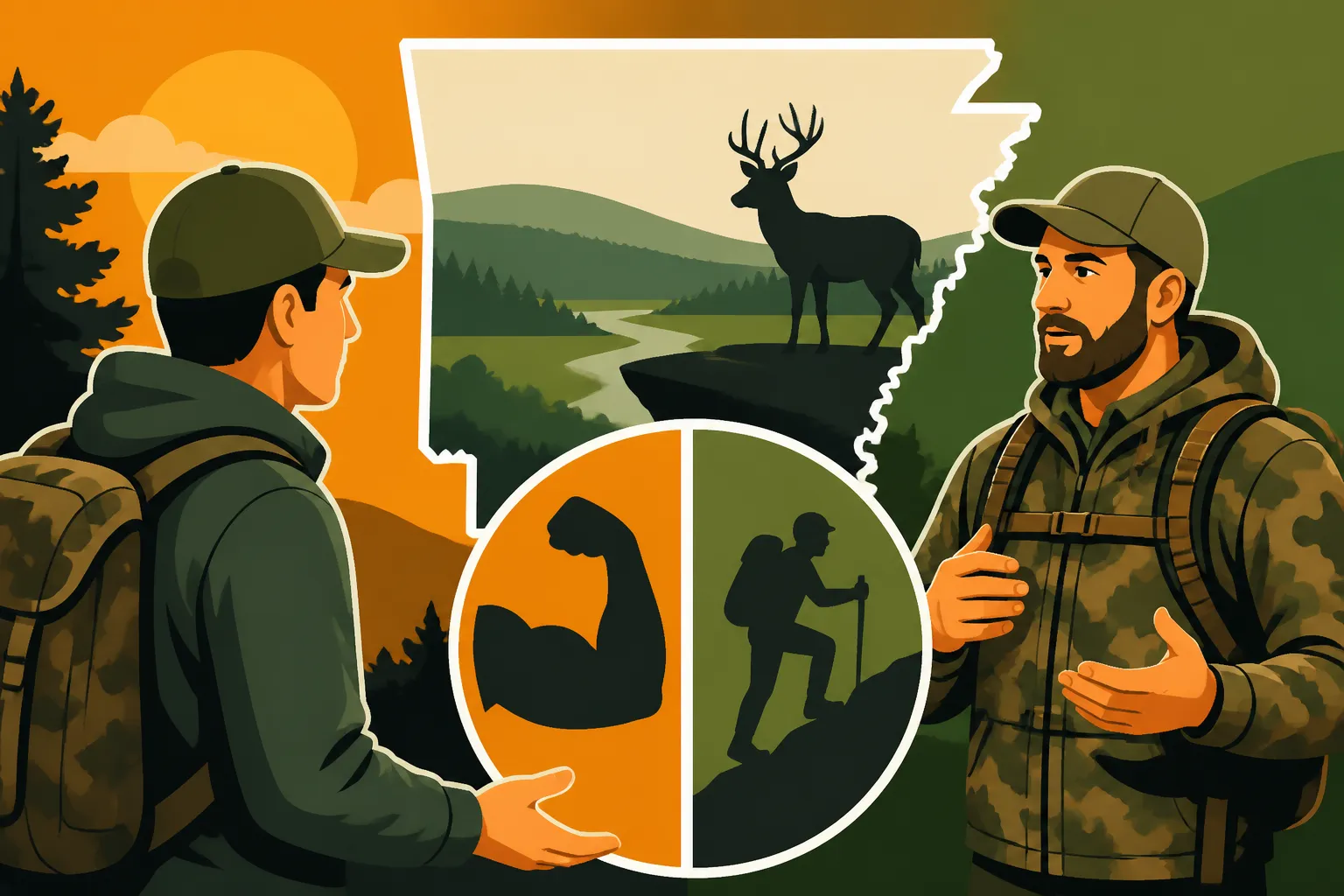
One of the biggest heartbreaks I’ve seen in my decades of hunting, both for myself and for friends, is when a hunter arrives for a long-anticipated trip only to find out the physical demands are far beyond what they anticipated. It’s not just about being able to walk a few miles; it’s about the terrain, the pace, the potential for heavy lifting, and the sheer endurance required. This guide is all about helping you understand the crucial questions to ask before you book any hunting trip in Arkansas, ensuring your body is as ready as your spirit for the adventure ahead.
Why Understanding Physical Demands Matters for Your Arkansas Hunt
There’s nothing quite like the excitement leading up to a hunt, especially when you’re venturing to a new area or trying a new type of hunting. You’ve invested time, money, and emotional energy into this pursuit. The last thing you want is to be sitting on the sidelines, winded and sore, while your buddies are out enjoying the experience. Understanding the physical demands isn't just about personal comfort; it's about making sure you can fully participate and, more importantly, stay safe.
Avoiding Unpleasant Surprises on Your Trip
Imagine booking a deer hunt in the Ozark Mountains, picturing gentle rolling hills, only to discover you’re expected to climb steep, rocky inclines all day. Or perhaps you’ve signed up for a duck hunt, assuming a leisurely sit in a blind, but then realize it involves slogging through chest-deep mud and water for a mile before dawn. These kinds of surprises can quickly turn a dream hunt into a miserable ordeal. I've seen it happen. A friend of mine went on an "easy" public land duck hunt only to find out the blind was a mile back in flooded timber, and he had to carry his waders, gun, and decoys through thick underbrush and deep water. He was exhausted before he even got a shot off.
Arkansas terrain varies wildly, from the flat, often flooded delta lands to the rugged, steep peaks of the Ozark and Ouachita mountains. Each region presents its own set of physical challenges. A hunt that's a breeze for one person might be grueling for another, depending on their fitness level and prior experience. Asking specific questions beforehand allows you to gauge whether the hunt aligns with your capabilities and helps you prepare accordingly. This foreknowledge can also help you make informed decisions, whether you're using a resource like BookYourHunt to find an outfitter or planning a DIY adventure through GoHunt.
Safety First: Preventing Injury in the Field
Beyond comfort, your physical conditioning directly impacts your safety in the field. Hunting often takes place in remote, uneven, and sometimes hazardous environments. A twisted ankle far from the truck, a fall in slick conditions, or exhaustion leading to poor judgment can have serious consequences. Navigating steep ravines, crossing swollen creeks, or dragging a deer out of a dense thicket all require strength, balance, and endurance. If you're not up to the task, you put yourself and potentially your hunting partners at risk.
Consider the heat, especially during Arkansas’s early seasons. Bowhunting Arkansas's Five-Month Archery Season often starts in September, when temperatures can still be stifling. Carrying a pack, climbing into a treestand, or tracking a deer in that kind of heat can be incredibly taxing. Dehydration and heat exhaustion are real dangers. Similarly, in the duck woods, the combination of cold water, heavy waders, and sometimes slippery footing can lead to falls or hypothermia if you’re not physically prepared. Knowing what to expect allows you to train your body, pack appropriate gear, and make smart decisions in the field to prevent injuries.
Key Questions to Ask About Physical Demands
When you’re talking to an outfitter, a guide, or even just planning a DIY trip with friends, don’t be shy about asking direct questions about the physical requirements of the hunt. This isn't a sign of weakness; it's a sign of a smart, responsible hunter. I've compiled a list of crucial areas to cover. You can even find specific insights into these aspects if you're looking at various outfitters or public land opportunities on platforms that provide detailed hunt descriptions.
Terrain and Travel: Getting to the Hunting Spot
This is often the first hurdle. How far, and over what kind of ground, will you need to travel just to reach your hunting area?
- Distance to the Stand/Blind: Ask for a realistic estimate of the average distance from the vehicle or lodge to the hunting location. Is it a quarter-mile stroll, a half-mile hike, or a two-mile trek?
- Mode of Transport: Will you be walking? Riding in a UTV, ATV, or boat? If it’s a boat, how far do you have to walk from the boat drop-off? If it’s an ATV, will you be required to walk further into the woods after the trail ends? For duck hunting, specifically ask about Entry Routes Through Flooded Timber. Is it a deep-water wade or a shallow-water walk?
- Elevation Changes: This is huge, especially in the Ozarks and Ouachitas. Are you climbing steep hills, navigating rocky bluffs, or traversing relatively flat ground? A hunt described as "hilly" might mean a gentle rise in one area, or it could mean scaling near-vertical slopes in another. Don't assume. A hunt in the White Rock WMA in the Ozark National Forest, for example, will be vastly different physically than one in the Bayou Meto WMA.
- Ground Conditions: What’s the typical ground like? Is it firm soil, slick mud, thick sand, rocky terrain, or soft swampy ground? Will there be thorny brush, fallen timber, or dense undergrowth to push through? These details significantly impact the effort required. For example, Hunting Ozark Ridges and Hollows for Deer often involves navigating slippery leaves, loose rocks, and steep descents.
- Water Levels and Depths: This is paramount for waterfowl hunting. If you're hunting in flooded timber or rice fields, ask about Wading Depth and Water Conditions. Are you expecting ankle-deep water, knee-deep, or potentially chest-deep? How far do you have to wade at that depth? Will you be crossing creeks or sloughs?
The Act of Hunting: What Will You Be Doing?
Once you're at the hunting spot, what does the actual hunting entail physically? It’s not always just sitting still.
- Pace of the Hunt: Is it primarily a stationary hunt from a blind or stand? Or will it involve significant still-hunting, stalking, or moving to different locations throughout the day? Some guides run a more aggressive, fast-paced hunt than others.
- Stand/Blind Access: If hunting from a treestand, how do you get into it? Is it a ladder stand, a climbing stand, or a hang-on that requires climbing sticks? How high off the ground is it? If using a ground blind, will you be crawling into it in tight spaces?
- Calling and Decoy Setup: For duck hunting, will you be helping set out decoys in potentially deep, cold water? Will you be running a jerk cord or other motion devices? How much gear will you be responsible for carrying and setting up?
- Retrieval of Game: For bird hunting, will you be expected to retrieve birds from water or thick cover, especially if there isn't a dog available or the dog needs assistance?
- Length of Hunt: How long are the typical hunting sessions? A full day from dawn till dusk is a very different physical commitment than a morning-only hunt. Are breaks provided, or is it continuous activity?
Game Recovery: The Often-Overlooked Challenge
This is perhaps the most physically demanding aspect of any successful big game hunt, and it's frequently underestimated. Even if you've had an "easy" hunt, hitting an animal means a whole new set of physical demands.
- Tracking: How far might you need to track a wounded animal? Over what kind of terrain? Tracking a deer through dense brush or up a steep ridge can be exhausting, especially if it's a lengthy endeavor.
- Field Dressing: Will you be expected to help field dress the animal? This involves bending, lifting, and working in potentially awkward positions, sometimes in challenging weather conditions, as highlighted in topics like Field Dressing in Arkansas Heat.
- Extraction: This is where the real work often begins. How will the animal be transported from the kill site to the vehicle?
- Drag/Carry: Will you need to physically drag the animal out, possibly uphill or through thick timber? How many people will be assisting? Pulling a mature deer through a mile of rough terrain is no small feat.
- ATV/UTV/Boat Access: Is there ATV or UTV access close to the typical kill zones? If so, how close? Will a boat be used for extraction in flooded areas?
- Pack Out: For hunts in very remote, rugged areas, are you expected to quarter the animal and pack it out? This is an entirely different level of physical fitness, often seen in backcountry hunts, though less common for a typical guided deer hunt in Arkansas, it's worth clarifying for specific situations like deep in the Ouachita National Forest. I’ve seen hunters try to drag deer through creek beds in the Ozarks, and it’s grueling work, much like Getting a Deer Out of an Ozark Hollow.
- Assistance Available: Will the outfitter or guide provide direct assistance with recovery, or are you primarily responsible? If you're Running Deer Dogs in Arkansas, for example, the dogs help find the animal, but getting it out is still on you.
Self-Assessment: Matching Your Fitness to the Hunt
Being honest with yourself about your current physical condition is just as important as asking the right questions. We all want to be Superman (or Superwoman) in the woods, but reality often has other plans.
Honest Evaluation of Your Current Fitness Level
Before you even start looking at hunts, take stock of your own body. How easily do you get winded? Can you walk a couple of miles comfortably? Can you carry a 20-pound pack for an hour? How are your knees and back? Do you have any chronic conditions that might be exacerbated by physical exertion, cold, or heat?
It's tempting to embellish, even to yourself, but this is one area where honesty pays off. If you haven't climbed a flight of stairs without huffing in a while, a mountain elk hunt is probably not your best first step. Think about recent activities: have you been regularly exercising? Are you active in your daily life? Be realistic about your current capabilities, not just what you wish they were or what they used to be.
Preparing Your Body for the Hunt
Once you have a clear picture of the hunt's demands and your own fitness level, you can create a targeted preparation plan. This isn't about becoming a marathon runner; it's about building functional strength and endurance for hunting.
- Cardio is King: Walking, hiking, jogging, or cycling are excellent ways to build cardiovascular endurance. If your hunt involves hills, try to incorporate hill repeats or stair climbing into your routine. Aim for consistent activity several times a week.
- Strength Training: Focus on your core, legs, and back. Squats, lunges, deadlifts (or good mornings), and planks will pay dividends. These movements mimic the actions you'll be doing in the field, like climbing, lifting, and carrying.
- Practice with Gear: Wear your hunting boots and a loaded backpack (mimicking your hunting pack's weight) while you train. This helps break in your gear and identify any pinch points or discomfort before you're deep in the woods. If you plan on Hunting Arkansas Flooded Green Timber, try walking in your waders for short distances to get used to the movement.
- Nutrition and Hydration: Fuel your body properly. Eat a balanced diet and stay well-hydrated, especially in the weeks leading up to your hunt. This will optimize your energy levels and aid in recovery.
Remember, even small improvements can make a big difference. Don't wait until the week before the hunt; start your preparation months in advance for the best results.
Discussing Limitations with Outfitters or Hunting Partners
It's perfectly acceptable, and even advisable, to communicate any physical limitations or concerns with your outfitter or hunting partners. A good outfitter wants you to have a safe and successful trip, and they can often accommodate reasonable requests if they know about them in advance. This is why having a thorough conversation, much like the general Questions to Ask an Arkansas Outfitter, is so vital.
For instance, if you have a bad knee, you might ask if there are stands that don’t require a long climb, or if a ground blind option is available. If you're concerned about a long pack-out, discuss whether an ATV can get closer, or if more assistance is typically provided for game recovery. Don't be embarrassed to say, "My back isn't what it used to be, so I'd appreciate knowing the options for getting a deer out."
Most outfitters and seasoned hunting companions are understanding. They’d much rather adjust expectations or make small modifications than have someone get injured or sit out the hunt entirely. Open communication ensures everyone is on the same page, leading to a more enjoyable and safer experience for all involved.
Physical Demands of Common Arkansas Hunts
To give you a clearer picture, here's a general overview of the physical demands you might expect from different types of hunting in Arkansas. Keep in mind, these are averages; individual hunts can vary wildly!
| Hunt Type | Terrain | Expected Activity | Game Recovery Effort | Typical Fitness Level Needed |
|---|---|---|---|---|
| Delta Duck Hunting | Flat, flooded timber/fields | Wading long distances (ankle to chest deep), setting decoys, standing in blinds | Slogging through water/mud, carrying birds, potentially heavy | Moderate to High |
| Ozark Deer Hunting (Archery) | Steep, rocky, thick forest | Hiking steep inclines, climbing treestands, still-hunting, navigating dense woods | Dragging deer up/down hills, potentially long distances | High |
| Modern Gun Deer Hunting | Varies (Delta to Mountains) | Sitting in stands/blinds, some walking, potentially deer drives | Dragging deer (sometimes with ATV assist), often heavy | Low to Moderate |
| Spring Turkey Hunting | Varies (Hills to Pine Plantations) | Lots of walking, "run-and-gun" tactics, setting up quickly against trees | Carrying bird (lighter than deer), walking over varied ground | Moderate |
| Bear Hunting (Ozarks/Ouachitas) | Very rugged, steep, dense forest | Long hikes, climbing, navigating thick cover, often over bait stations | Extremely heavy, quartering and packing out common | High (Very) |
| Small Game (Squirrel/Rabbit) | Varied (hardwoods, brush piles) | Steady walking, navigating dense cover, quick movements, standing | Light carrying of small game | Low to Moderate |
Ultimately, a successful hunting trip in Arkansas isn't just about bagging game; it's about the experience, the camaraderie, and the challenge. By thoroughly vetting the physical demands and honestly assessing your own capabilities, you set yourself up for a fulfilling and safe adventure, no matter where in the Natural State your hunting takes you.
Disclaimer
This article is for general informational purposes only and does not constitute professional advice. Laws, prices and regulations vary by location and change over time. Consult a qualified professional for guidance on your specific situation.