Arkansas Hog Hunting Guides
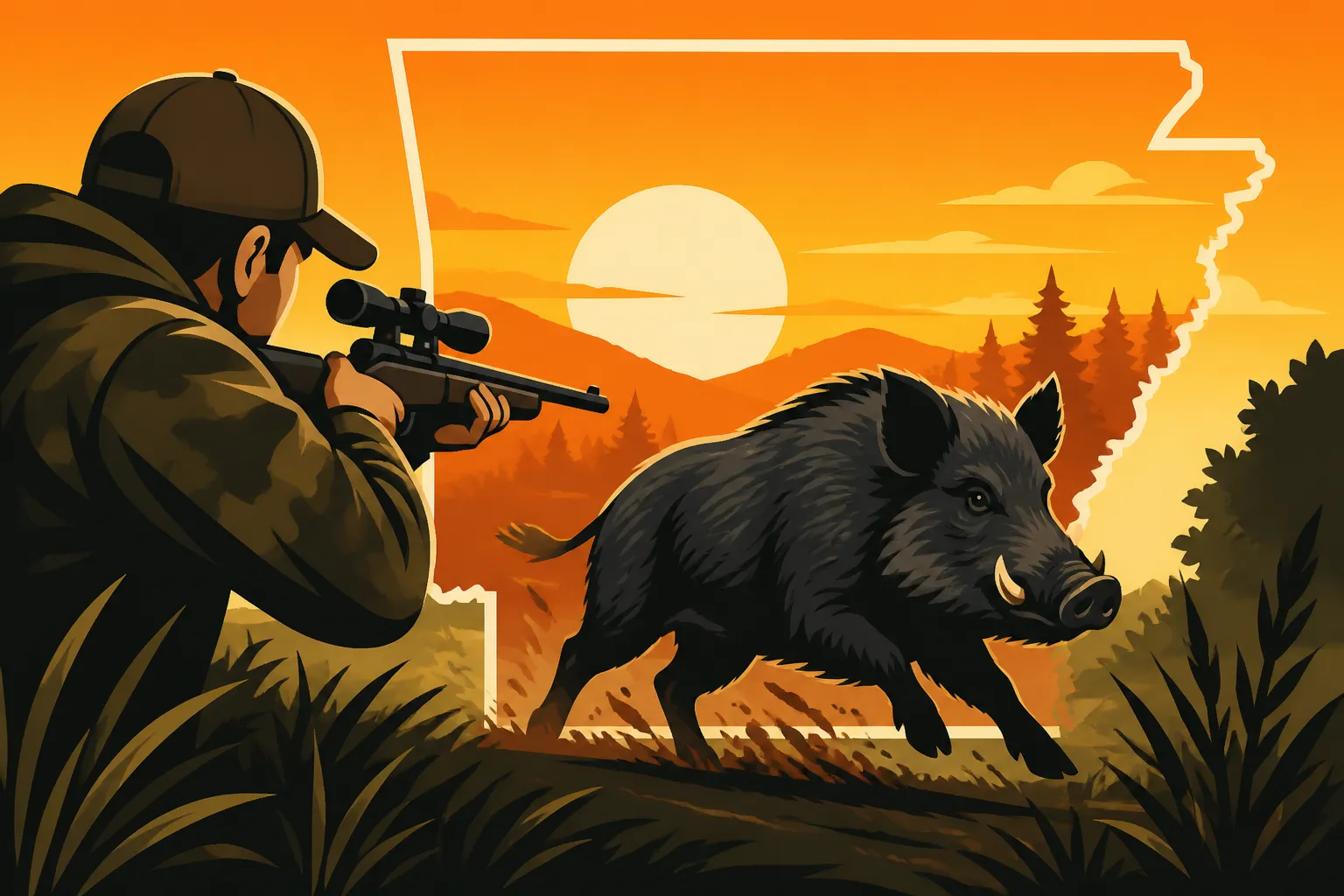
Hunting feral hogs in Arkansas can feel like a never-ending battle against a cunning and destructive adversary. These intelligent, prolific animals wreak havoc on agricultural lands, forests, and native wildlife, leaving many landowners and frustrated hunters scratching their heads about the best way to tackle the problem. This guide aims to demystify the process of enlisting an Arkansas hog hunting guide, helping you understand the immense value they bring and how to pick the right one for a successful and impactful hunt.
Why Consider an Arkansas Hog Hunting Guide?
Let's face it, feral hogs are a serious problem across much of Arkansas. They're not just a nuisance; they're an invasive species causing millions of dollars in damage annually to crops, pastures, and natural habitats. Hunting them is less about bagging a trophy and more about population control and protecting the land. While the idea of a DIY hunt is appealing, these creatures are incredibly intelligent and often nocturnal, making them exceptionally challenging to hunt effectively, especially for those unfamiliar with their patterns and the local terrain. This is where a skilled hog hunting guide truly shines, offering an advantage that can turn frustration into a successful endeavor.
The Menace of Feral Hogs in Arkansas
Anyone who lives in or regularly visits the agricultural heartland of Arkansas, or even the wilder sections of the Ozarks and Ouachitas, has likely seen the tell-tale signs of feral hogs: rooted-up fields, destroyed timber stands, and trampled game trails. They compete directly with native wildlife like deer and turkey for food sources, and their presence can decimate sensitive ecosystems. Because they breed so rapidly, often having multiple litters a year, their populations can explode, making comprehensive management a constant necessity. When you're out there pursuing a hog, you're not just enjoying a hunt; you're actively participating in conservation, helping to mitigate a significant threat to Arkansas's natural resources and agricultural economy. The sheer scale of their impact means that every hog taken helps, and guides are often on the front lines of this battle, intimately familiar with local hotspots and hog behavior. You might not even realize how much damage these animals cause until you see it firsthand, and that's a powerful motivator to get involved.
The Guide Advantage: Expertise and Access
Navigating Arkansas's diverse landscapes, from the dense bottomland hardwoods of the Delta to the rugged terrain of the Ozark mountains, requires local knowledge. Feral hogs are masters of concealment, adapting quickly to pressure and often becoming nocturnal. An experienced guide brings invaluable local expertise, knowing where hogs are likely to be, their travel corridors, and their bedding areas based on seasonal patterns and recent activity. They often have access to private land where hogs are a constant issue, property that would otherwise be inaccessible to the average hunter. This private access is a huge plus, as many public lands, while holding hogs, can also be subject to significant hunting pressure that pushes these intelligent animals into even thicker cover. Guides also come equipped with specialized gear, like thermal imaging or night vision equipment, which is often crucial for successful hog hunting, especially in areas where they've become primarily nocturnal. Their knowledge of Scouting Arkansas Public Land Before Season can also be applied to specific hog hot spots, saving you countless hours of trial and error.
What to Expect from an Arkansas Guided Hog Hunt
Arkansas hog hunting isn't a one-size-fits-all experience. Depending on the region, the guide, and the time of year, your hunt could involve a variety of tactics. It's crucial to have a clear understanding of what a guided hunt typically entails so you can set realistic expectations and choose a trip that aligns with your hunting preferences and physical capabilities.
Common Hunting Methods for Hogs in Arkansas
Hog hunting guides in Arkansas employ several effective methods, each offering a unique experience:
- Still-Hunting/Spot-and-Stalk: This method involves quietly moving through the woods or along field edges, looking for fresh sign or hogs themselves. It requires patience, stealth, and keen observation. Guides using this method often focus on areas with recent rooting, wallows, or trails leading to food sources. This can be particularly effective in areas like the Still-Hunting Arkansas Pine Country or along river bottoms where hogs frequent.
- Stand Hunting: Similar to deer hunting, this involves waiting in a blind or treestand overlooking a known hog travel route, feeding area, or water source, often near agricultural fields or food plots. This can be less physically demanding and offers a more controlled shot opportunity.
- Night Hunting with Thermal/Night Vision: This has become one of the most popular and effective methods, especially as hogs become increasingly nocturnal due to hunting pressure. Guides use specialized thermal or night vision optics to locate and stalk hogs under the cover of darkness. This can be an incredibly exciting and productive experience, allowing hunters to target large groups of hogs unseen by the naked eye. Given Arkansas's warm climate for much of the hunting season, Bowhunting Arkansas in September Heat is often done in the early mornings or late evenings, and night hunting extends these prime times significantly.
- Dog Hunting: For those seeking a more traditional and adrenaline-fueled experience, some guides offer hog hunting with dogs. This involves a pack of bay dogs locating and cornering a hog, with catch dogs then moving in to hold it. The hunter then moves in for a close-range shot, often with a pistol or knife. This method is highly active and requires a good level of physical fitness to keep up with the dogs.
Services and Inclusions
When you book a guided hog hunt, what you get can vary significantly from one outfitter to another. It's vital to clarify these details upfront.
A basic guided hunt often includes:
- Guide Services: The guide's expertise, local knowledge, and active assistance in locating and pursuing hogs.
- Property Access: Permission to hunt on private lands where the guide has agreements, or guided access on public lands they know well.
- Field Dressing Assistance: Help with the initial processing of harvested hogs, which can be a relief, especially with larger animals or in warmer weather.
- Transportation During the Hunt: Getting you to and from hunting areas, often using ATVs or trucks in rough terrain.
More comprehensive packages might include:
- Lodging: On-site cabins, bunkhouses, or arrangements with local hotels.
- Meals: Some outfitters provide meals, ranging from basic camp fare to full dining experiences.
- Equipment Rental: Use of thermal scopes, night vision, specific firearms, or even specialized hunting vehicles.
- Game Recovery and Hauling: Assistance in retrieving hogs from difficult terrain, like getting a deer out of an Ozark Hollow, which can be substantial for a large hog.
- Meat Processing: Basic processing services or a referral to a local butcher.
It's always a good idea to create a checklist and confirm exactly what's included and what you'll need to bring or pay extra for.
| Hunting Method | Description | Typical Activity Level | Requires Specialized Gear (from hunter) | Guide Involvement |
|---|---|---|---|---|
| Still-Hunting/Spot-Stalk | Quietly moving through terrain, seeking hogs by sign or sight. | Moderate to High | Good binoculars, stealthy clothing | Extensive scouting, tracking, leading the stalk |
| Stand Hunting | Waiting in a blind or stand over known hog activity areas. | Low to Moderate | Basic hunting gear | Placement of stands, scouting food sources/trails |
| Night Hunting (Thermal) | Hunting after dark using thermal or night vision optics. | Moderate | Often guide-provided thermal gear | Locating hogs with optics, leading the stalk in dark |
| Dog Hunting | Using trained dogs to bay or catch hogs, then moving in for the kill. | High (fast-paced) | Protective gear, sidearm (optional) | Handling dogs, tracking, ensuring safety |
Choosing the Right Arkansas Hog Hunting Guide
Finding the right hog hunting guide can make all the difference between a memorable, successful hunt and a frustrating, unproductive one. Don't rush into booking the first guide you find. Take your time, ask plenty of questions, and do your research.
Key Questions to Ask Potential Guides
Before you commit, arm yourself with a list of questions. A reputable guide will be happy to answer them thoroughly.
- Experience and Property: "How long have you been guiding hog hunts in this specific area? What kind of land do you hunt – private, public, or both? What's the typical terrain like?" Understanding their experience level and the specific properties they operate on will give you a good idea of their local knowledge and access.
- Hunting Methods: "What hunting methods do you primarily use? Do you offer night hunting with thermal? What's the typical success rate for these methods?" Match their preferred methods with what you're hoping to experience. If you're keen on the thrill of Coyote and Bobcat Calling in Arkansas, you might enjoy thermal hunting, but if you prefer a quieter stalk, ensure they offer that.
- Group Size and Guide-to-Hunter Ratio: "How many hunters are typically in a group? What is your guide-to-hunter ratio?" A smaller ratio often means more personalized attention.
- What's Included/Excluded: "What exactly is included in the price? What are the additional costs I might incur (e.g., license, processing, gratuities, equipment rental)?" Get a clear breakdown to avoid surprises.
- Success Rates and Expectations: "What's a realistic expectation for success on your hunts? Do you guarantee a hog?" Most ethical guides will explain that hunting involves variables and won't offer guarantees, but they should share their typical success rates.
- Physical Demands: "What are the physical demands of this hunt? Am I expected to walk long distances or hike steep terrain?" This is especially important if you have any physical limitations.
- Best Time to Hunt: "When do you consider the best time of year or season to hunt hogs in Arkansas, given the local patterns?" Hog activity can vary with weather and food availability.
- References: "Can you provide references from recent clients?" Speaking to past clients is one of the best ways to gauge a guide's reputation and client satisfaction.
Understanding Costs and Inclusions
Hog hunting guide prices in Arkansas can vary widely based on the duration of the hunt, the inclusions (e.g., lodging, meals, equipment), the hunting method, and the guide's reputation. You might find everything from a single-day, unguided (but with access) hunt to multi-day, all-inclusive packages.
- Day Rates vs. Packages: Many guides offer day rates for just the hunting experience. Others provide multi-day packages that bundle in accommodations and meals. Always compare apples to apples when looking at pricing.
- Deposits and Cancellation Policies: Expect to pay a deposit upfront to secure your dates. Understand the cancellation policy thoroughly. What happens if weather makes hunting impossible? What if you need to reschedule?
- Gratuities: It's customary to tip your guide if you're satisfied with their service, typically a percentage of the hunt cost. Clarify if this is included or expected.
- Additional Fees: Ask about any potential trophy fees (though rare for hogs), game processing fees, or any other hidden costs.
Finding Reputable Guides and Booking Platforms
The internet has made finding guides much easier. Many hunters start by searching online for "Arkansas hog hunting guides" or similar terms. You'll find a mix of independent outfitters and larger booking platforms.
- Online Platforms: Websites like BookYourHunt and GoHunt are popular resources for finding and booking guided hunts across various species and regions. They often feature profiles of guides, details on their offerings, pricing, and sometimes even reviews from previous clients. Using these platforms can streamline your search and provide a central place to compare options. When exploring these sites, pay close attention to the details provided by the outfitters, especially regarding hunting style and inclusions. These platforms can be a great starting point to explore options without having to individually contact dozens of guides.
- Direct Websites: Many reputable guides maintain their own websites with detailed information, photos, and contact forms.
- Social Media and Forums: Hunting groups on social media platforms or online forums can be excellent places to ask for recommendations and hear firsthand experiences from other hunters.
- Sporting Goods Stores: Local sporting goods stores in Arkansas, particularly in hunting hotspots, might have recommendations or business cards for local guides.
Always do your due diligence, cross-reference information, and don't hesitate to reach out directly to guides with your questions.
Preparing for Your Arkansas Hog Hunt
Once you've booked your hunt, the next step is preparation. A well-prepared hunter is a successful hunter. This goes beyond just packing a bag; it involves understanding the gear you'll need and ensuring you're legally compliant.
Essential Gear for Hog Hunting
The specific gear you'll need will depend on the hunting method, but here are some common items:
- Firearm/Bow: For rifles, common calibers like .223, .270, .308, or 6.5 Creedmoor are popular choices, offering enough power for hogs. Shotguns with slugs or muzzleloaders are also effective. If bowhunting, ensure your setup is capable of ethical hog harvest. For those considering Hunting Arkansas Deer With a Muzzleloader or using other What Counts as an Alternative Firearm, these can also be viable for hogs. Always confirm any caliber or weapon restrictions with your guide.
- Ammunition: Bring plenty of reliable ammunition. Hogs can be tough, and follow-up shots may be necessary.
- Optics: Good quality binoculars are essential for spotting hogs. If hunting at night, thermal or night vision optics will be key, and your guide may provide these.
- Clothing: Dress in layers appropriate for Arkansas's weather, which can be unpredictable. Camouflage is generally preferred. Consider sturdy boots for rough terrain, insect repellent (especially for ticks and mosquitoes), and rain gear.
- Headlamp/Flashlight: Essential for moving around in the dark, even if you're not night hunting.
- Knife and Gloves: A sharp knife for field dressing and gloves to protect your hands.
- Cooler and Ice: Especially important if you plan to take meat home. Arkansas can be warm, and proper meat care is crucial.
- Backpack: To carry essentials like water, snacks, extra ammo, and personal items.
Licensing and Regulations
Even though feral hogs are an invasive species, you still need to be aware of Arkansas's hunting regulations. Generally, a valid Arkansas hunting license is required to hunt hogs. You won't typically need specific hog tags, as they are not considered game animals in the traditional sense, but you must have the appropriate base license. It’s always best to consult the current regulations from the Arkansas Game and Fish Commission (AGFC) or ask your guide specifically about Arkansas Hunting Licenses and What They Cost and any other permits you might need. If you're a nonresident, you'll need to look into Arkansas Nonresident License Options to ensure you're covered. Some WMA permits might also be required if hunting on specific public lands. Your guide should be up-to-date on all local regulations, but it's ultimately your responsibility as a hunter to be compliant.
Disclaimer
This article is for general informational purposes only and does not constitute professional advice. Laws, prices and regulations vary by location and change over time. Consult a qualified professional for guidance on your specific situation.