Morning and Afternoon Hunts in One Day
It's a common dream for many hunters: to squeeze every possible moment out of a precious day afield. The idea of a morning hunt followed by an afternoon session, perhaps even for different game, is incredibly appealing for those who crave maximum time in the woods or marsh. But anyone who's tried it knows it's not as simple as just staying out longer; it involves careful planning, understanding animal behavior, and a good dose of self-awareness to avoid burning out. This guide will walk you through the realities, strategies, and essential logistics for successfully tackling both morning and afternoon hunts in a single day here in Arkansas.
The Double-Dip Dilemma: Why Hunters Chase Morning and Afternoon Opportunities
The romantic notion of being out from before dawn until after dusk, soaking in every minute of a hunting day, is powerful. We all want to make the most of our time, especially when travel, work, and family commitments limit our opportunities. For many, the chance to hunt both morning and afternoon isn't just about bagging more game, but about the immersive experience, the challenge, and the deep satisfaction of truly living a day in the wild.
The Drive to Maximize Field Time
Think about it: you wake up early, maybe drive an hour or two, set up your stand, or wade into the timber before first light. To pack up mid-day, drive home, and wait until the next morning can feel like a waste of valuable time. The desire to keep the momentum going, to stay connected to the rhythm of the woods or water, pushes many of us to consider the "double-dip" hunt. It's about optimizing the finite windows of prime activity that different species offer throughout the day. For example, deer might be most active at dawn and dusk, while squirrels might be all over the hardwoods mid-morning. Knowing this, a hunter might try to combine these peak periods.
This motivation is especially strong for those traveling from out of state or even across Arkansas to a prime hunting location. When you've invested money and vacation days, you want to ensure every minute counts. The thought of adding a second hunt, even if it's just for an hour or two, can feel like getting extra value from your trip. It speaks to the core drive of a hunter to be present, observant, and engaged with the natural world for as long as possible. Many hunting resources, from local guides to platforms like BookYourHunt, will sometimes showcase packages that offer exactly this type of extended hunt, understanding the demand for maximized field time.
Acknowledging the Energy and Equipment Toll
While the allure of all-day hunting is strong, it's crucial to be realistic about the demands it places on you and your gear. Hunting, especially in Arkansas's diverse and often challenging terrain, is physically taxing. Wading through a Delta slough for ducks or climbing Ozark ridges for deer in the same day can quickly sap your energy. Fatigue not only makes the hunt less enjoyable but can also lead to mistakes, missed opportunities, and even safety hazards.
Beyond physical exhaustion, there's the mental toll. Staying focused, alert, and patient for hours on end, especially when transitioning between different hunting styles or locations, is difficult. You might find yourself less observant in the afternoon, or struggling with decision-making. Your equipment also takes a beating. From getting soaked in a duck blind in the morning to needing quiet, dry gear for an afternoon deer stalk, the transition can be hard on everything you carry. Preparing for these realities is just as important as planning your strategy.
Strategizing Your Species for All-Day Action in Arkansas
Successfully executing morning and afternoon hunts often means being adaptable and sometimes even targeting different species or employing different tactics as the day progresses. Arkansas offers a fantastic variety of game, making these transitions possible if you plan wisely.
Whitetails: Transitioning from Roost to Bed
Deer hunting usually peaks during the first and last hours of daylight. A classic morning setup might involve heading into a secluded bottomland hardwood block before dawn, hoping to intercept deer moving from feeding areas back to bedding cover. You're likely focused on pinch points, creek crossings, or funnels. After the morning activity subsides around mid-morning, those deer typically bed down.
If you plan an afternoon deer hunt, you're essentially reversing the pattern. The key is to avoid disturbing those bedding areas. Instead, you might reposition to a food source, like a newly cut soybean field, a white oak ridge dropping acorns, or a destination plot, well in advance of dusk. This often means having two distinct stand locations or areas in mind, far enough apart that your morning activity doesn't blow out your afternoon spot. For example, after an early morning sit Hanging a Stand in Bottomland Hardwoods, you might pack up by 10 AM, head out, grab a bite, and then slip into a different property or section of public land by 2:30 PM to hunt a different pattern. This strategic transition is what makes the difference between a successful double-hunt and a wasted effort.
| Time of Day | Deer Behavior Focus | Preferred Tactics | Key Considerations |
|---|---|---|---|
| Morning | Moving from feeding to bed | Ambush travel corridors, funnels | Approach quietly, hunt until mid-morning activity slows |
| Afternoon | Moving from bed to feeding | Hunt food sources, staging areas | Approach stealthily, stay until dark, consider wind |
Waterfowl: Chasing Flights and Resting Birds
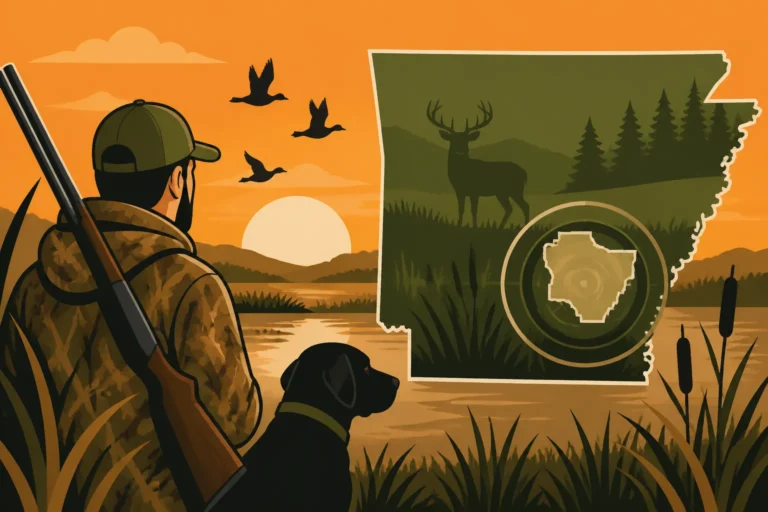
Arkansas's legendary duck hunting often starts with a bang at legal shooting time, as birds leave their roosts and head for morning feeding grounds. A typical morning hunt in flooded green timber or a rice field can be exhilarating. However, by late morning, many ducks have settled in for the day, often on refuges or large, undisturbed bodies of water, and the flight can die down.
For an afternoon waterfowl hunt, you might need a completely different strategy. Instead of focusing on the initial morning flight, you might target smaller, less pressured holes where birds raft up, or try pass shooting ducks moving between feeding and loafing areas. Sometimes, an afternoon hunt can be productive if a new wave of birds comes in, perhaps pushed by weather or hunting pressure from other areas. This could mean moving from a timber hole to Hunting Rice Fields and Levees or scouting for small, overlooked sloughs that might attract resting birds later in the day. Understanding Reading Water Levels on the White River or other large bodies of water can give you an edge in finding these less-pressured afternoon spots.
Small Game: Continuous Opportunity, Changing Tactics
Small game hunting, like squirrel or rabbit hunting, lends itself quite well to all-day excursions, though the specific tactics might shift. Squirrels are often most active in the early morning and late afternoon, but they can be found throughout the day, especially if conditions are cool and cloudy. You might start your morning with a still-hunt through a block of hardwoods, focusing on acorn flats, then transition to a more aggressive squirrel drive or focus on specific hickory groves as the day progresses. Squirrel Hunting Arkansas Hardwoods is a great way to start the day.
For rabbits, morning and evening activity are also key, but brush piles and dense cover provide opportunities throughout the day. After a morning of actively pushing briar patches, you might take a break, and then in the afternoon, focus on scouting new cover or setting up more strategically around known rabbit haunts. The key is maintaining a flexible mindset and being ready to change your approach as the animals' routines adapt to sunlight, temperature, and pressure. Remember, persistent small game hunting is often about covering ground and recognizing sign, which can be done all day.
Navigating the Logistics: Gear, Food, and Fatigue Management
Attempting a morning and afternoon hunt is exciting, but it demands meticulous preparation. Without the right gear, enough sustenance, and a clear plan for managing your energy, you're setting yourself up for a long, uncomfortable, and potentially unproductive day.
Packing Smart for Shifting Conditions
One of the biggest challenges is preparing for varying conditions and needs. If you're going from a wet, cold duck hunt to a dry, quiet deer stand, your clothing and gear needs will change dramatically. Layers are your best friend here. Being able to shed or add insulation is critical for comfort and stealth. Consider having separate gear bags pre-packed for each type of hunt or each location. This minimizes fumbling and ensures you have everything you need without overpacking for any single leg of the journey.
For instance, after a successful morning in the duck blind, you'll want a dry change of base layers and outer shell if you're going to sit quietly for deer in the afternoon. Keeping these changes in a dry bag in your vehicle, along with any scent-control items for deer hunting, is a game-changer. Don't forget species-specific essentials: calls, specialized ammunition, decoys (if applicable), and even different types of footwear. Hunting boots that are perfect for wading Entry Routes Through Flooded Timber won't be ideal for a quiet stalk through dry woods. This is where advanced planning tools, like those you might see highlighted on platforms such as GoHunt, really come in handy for visualizing terrain and planning your gear needs down to the smallest detail.
Sustaining Energy and Mental Focus
A full day of hunting is a marathon, not a sprint. Proper nutrition and hydration are non-negotiable. Forget the sugary energy drinks that lead to a crash; focus on sustained energy. Pack high-protein snacks, complex carbohydrates, and plenty of water or electrolyte drinks. Think sandwiches, trail mix, fruit, and energy bars. A small, insulated thermos with hot coffee or soup can be a huge morale booster during a cold mid-day break.
Beyond physical fuel, you need to manage your mental energy. Use your mid-day break wisely. Instead of rushing, take an hour or two to genuinely rest, eat a good meal, and mentally reset. Stretch, review your afternoon plan, and try to relax. Sometimes, a short power nap in your truck can make all the difference. Pushing through exhaustion can lead to poor decision-making, like taking a questionable shot or getting lost in unfamiliar territory, so prioritizing rest is not a luxury, it's a necessity.
Safety First: Avoiding Burnout in the Woods
Safety should always be paramount, and fatigue is a major contributor to accidents in the field. When you're tired, your awareness diminishes, your reaction time slows, and you're more prone to errors. This can impact everything from safe firearm handling to navigating rough terrain. If you're hunting with a partner, communicate your energy levels openly. Don't be afraid to call it a day if you or your partner are genuinely exhausted.
Be especially mindful of your physical limitations and the specific hazards of the terrain. Hunting around water for ducks or traversing steep Ozark inclines for Hunting Ozark Ridges and Hollows for Deer requires peak attention. If you're feeling drained, stick to simpler, lower-risk hunting scenarios, or just head back to camp. It's far better to end a day safely, even if it means cutting a hunt short, than to push yourself into a dangerous situation. Remember, the game will still be there tomorrow, but your health and safety are irreplaceable.
Disclaimer
This article is for general informational purposes only and does not constitute professional advice. Laws, prices and regulations vary by location and change over time. Consult a qualified professional for guidance on your specific situation.