Choosing Between Two Arkansas Lodges
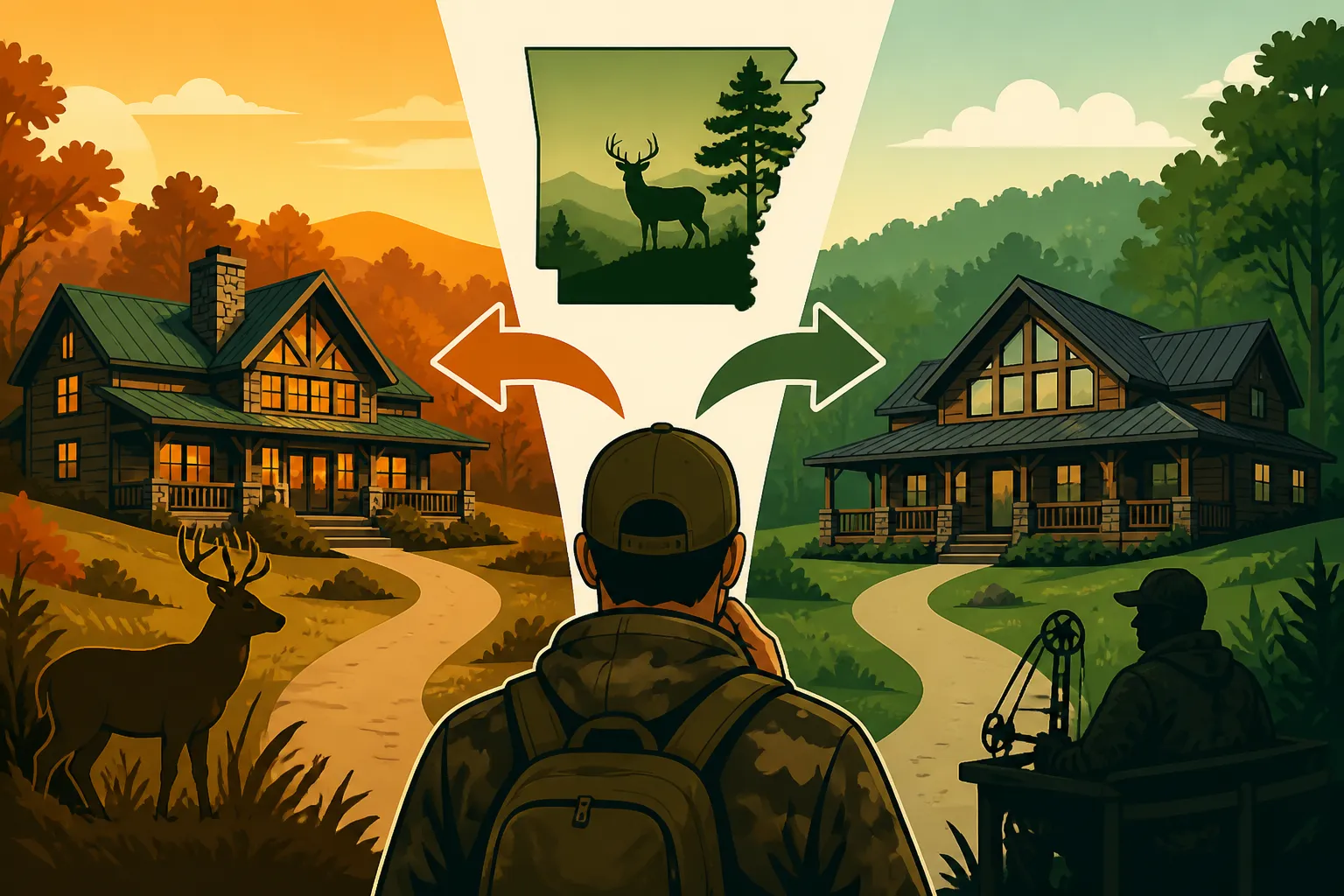
Oh, the sweet agony of choice! You’ve done your homework, sifted through countless photos of happy hunters, read a few reviews, and now you’re down to two Arkansas lodges for your next big hunt. It's a fantastic problem to have, truly, but it also comes with that nagging feeling: "Am I making the right call?" Picking between two seemingly great options for an Arkansas hunting adventure can feel like trying to guess which acorn a squirrel will bury—both look good, but only one is perfect for your stash. This guide is here to walk you through the nitty-gritty details, helping you peel back the layers and confidently choose the lodge that's the absolute best fit for you and your hunting party.
Digging Deeper Than the Brochure: Key Questions to Ask
When you're staring at two brochures, or two websites, often the marketing materials make both places sound like heaven on earth. Every outfitter promises great hunting, comfortable lodging, and a memorable experience. But the real difference often lies in the details that aren't immediately obvious. It's time to put on your investigative hat and ask some pointed questions that will truly differentiate your two finalists.
Understanding the Hunt Experience
This isn't just about what you'll be hunting, but how the hunt actually unfolds. The ambiance, the pace, the style of the hunt—these elements can dramatically affect your enjoyment.
You need to know the typical guide-to-hunter ratio. Is it one guide for every two hunters, or one guide for six? This makes a huge difference in personal attention, calling instruction (if it's a duck hunt), and overall safety. For example, if you're primarily interested in Calling Arkansas Gobblers in the Ozarks, a lower guide ratio means more dedicated attention to your setup and calling strategy, which can be crucial for success. Ask about the average group size in a blind or stand. Do they put four hunters in a timber hole designed for three, or do they prioritize comfort and space? Some hunters love a lively, bustling blind with a big group, while others prefer a more intimate, quiet setting. Neither is right or wrong, but knowing which one you're stepping into is key to matching your personal hunting style.
For duck hunting, clarify if it's primarily a wade hunt through flooded timber, or if you'll be hunting from permanent blinds accessible by boat or ATV. A wade hunt in deep green timber is a classic Arkansas experience, but it’s also physically demanding and requires specific gear. If you’re not prepared for wading through chest-deep water and mud, a boat-accessible blind in a flooded field might be a better fit. Also, don't shy away from asking about typical shooting distances. Some outfitters pride themselves on getting ducks into the decoys at spitting distance, while others might manage larger spreads where longer shots are more common. Be honest with yourself about your comfort level and skill with your shotgun. And if you're considering Bringing Your Own Dog on a Guided Hunt, you absolutely need to know the lodge's policy. Will your dog be allowed in the blind, or kenneled separately? Will the guide's dogs be prioritized? These seemingly small details can be deal-breakers.
Habitat and Management Practices
The ground an outfitter hunts is their bread and butter, but how they manage it and for how long they’ve had access to it speaks volumes about their long-term commitment and the quality of your potential hunt.
First, ask if the land is owned outright or leased. While both can provide excellent hunting, owned land often implies a greater investment in habitat improvements and a more stable, long-term approach to game management. Leased land isn't necessarily bad, but understanding the duration of the lease and the outfitter's relationship with the landowner can give you insight. How long has the outfitter been hunting this specific ground? A lodge that's been on the same acreage for decades has a deep understanding of the local game movements, water patterns, and pressure points, which is invaluable. Then, get specific about the habitat. Are you hunting exclusively green timber, flooded rice fields, open reservoirs, or a mix? Each offers a unique challenge and experience. If your dream is Hunting Arkansas Flooded Green Timber, make sure that's a significant part of the experience, not just an occasional offering. In the Delta, asking about water management strategies is critical. Do they rely solely on natural rainfall and river levels, or do they have pumps and wells to ensure water is where it needs to be, regardless of conditions? This is a huge factor in consistent duck hunting success.
Finally, inquire about neighboring pressure. Even the best managed property can suffer if the surrounding land is hammered by other hunters. A good outfitter will have strategies to mitigate this, perhaps by setting up blinds away from property lines or by rotating hunting areas to rest birds. This kind of detail, often overlooked, can be a major differentiator between two lodges. It's about knowing if they are truly masters of their domain or just making the best of what they have for a season.
Beyond the Hunt: What Else Matters for Your Trip?
A hunting trip is more than just pulling a trigger; it's an entire experience. From where you lay your head to how flexible the outfitter is if plans change, these logistical and comfort factors can significantly impact your overall satisfaction, especially when trying to decide between two strong contenders.
Lodge Amenities and Comfort
After a long, cold day in the field, returning to a comfortable, well-run lodge can make all the difference. Don’t underestimate the value of a warm bed and good food.
Ask about the sleeping arrangements. Are you in a shared bunk room with multiple other hunters, or do they offer private or semi-private rooms? Some lodges cater to large groups with communal bunkhouse setups, which can be a lot of fun, fostering camaraderie. Others prioritize a more private, hotel-like experience. Consider your preference and the dynamic of your hunting party. The quality and type of meals provided are also important. Is it hearty, home-cooked fare, or more basic, self-serve options? Are snacks and drinks available throughout the day? For many, the meals and fellowship around the dinner table are as much a part of the "lodge experience" as the hunt itself. You might also want to inquire about common areas—is there a comfortable lounge for relaxing, watching TV, or playing cards? These spaces contribute to the overall enjoyment, especially if the weather keeps you indoors longer than expected.
A critical, often overlooked detail is how they handle Bird Cleaning and Packaging Services for duck hunters, or Game Processing After an Arkansas Hunt for deer hunters. Is it included in the price, or an extra charge? Do they provide freezer space, and how do they ensure your game is properly tagged and prepared for transport home? These practical considerations can save you a lot of hassle at the end of a trip. If you're bringing non-hunting guests or youth hunters, confirm their policies and any associated costs or activities available for them. Some lodges are very family-friendly, while others are strictly focused on the hunters.
Logistics and Flexibility
Life is unpredictable, and sometimes, even the best-laid hunting plans need to adapt. Understanding an outfitter's policies regarding deposits, cancellations, and unexpected events is crucial for peace of mind.
Get a clear picture of their deposit schedule and, more importantly, their cancellation policy. What happens if you need to cancel a month out, a week out, or even the day before due to an emergency? Are deposits refundable, transferrable, or do they offer credit for a future hunt? This is where platforms like BookYourHunt or GoHunt can be invaluable resources, as they often standardize or clearly outline these policies for various outfitters, allowing for easier comparison. Similarly, ask about their plan for unexpected weather, especially relevant for duck hunting in Arkansas where water levels can fluctuate. What if the water is too low, or unexpectedly too high, making hunting impossible? Do they offer alternative dates, partial refunds, or other accommodations? This is a huge question, as it directly impacts your financial investment. For instance, if you're interested in Hunting Arkansas Reservoir Ducks, high winds or freezing temperatures can significantly impact the hunt; a good lodge will have a contingency plan.
Understand what's truly included in the quoted hunt price. Is ammunition provided? Are licenses and stamps your responsibility (they almost always are, but it's worth asking)? What about taxes, guide tips, or any other hidden fees? Nobody likes surprises when it comes to the final bill. You can find more detail on this in articles like What an Arkansas Hunt Price Includes. Also, inquire about what happens if you or your group limits out early. Will you be done for the day, or do they offer other activities or opportunities? Some lodges might have access to other types of hunting (like squirrels or hogs) as an add-on, or simply allow you to enjoy the lodge amenities. This flexibility can be a major factor in choosing between two experiences.
The Intangibles: Gut Feelings and Reputations
Sometimes, the numbers and details don't tell the whole story. The "feel" of a place, the reputation among past clients, and how transparent an outfitter truly is can be the deciding factor when you’re down to two great options.
Reading Between the Lines of Success Claims
Every outfitter wants to put their best foot forward, showcasing trophy photos and high success rates. It's smart to look at these claims with a critical eye.
Don't just glance at the photo gallery; scrutinize it. Are all the photos from the same year, or do they span many seasons? Are the deer all trophy class, or is there a realistic mix of ages? For duck hunts, are the birds all mallards, or a variety? While an outfitter might feature their best hunts, a truly honest one will show a realistic representation over time. Ask about their average harvest per hunter, not just their "best day ever." Understanding what "average" truly means for their operation will give you a much clearer expectation for your own trip. Remember, no reputable outfitter can guarantee success, especially with wild animals. If a lodge boasts 100% success on deer or ducks, be wary. Wild hunting involves too many variables—weather, migration, game movement, and hunter skill—for such a guarantee to be realistic. A more honest approach is often a better indicator of integrity.
It's also a good idea to understand how much pressure the area typically sees, especially if you're planning your trip around popular times like Hunting the Arkansas Rut by Zone or the opening weekend of duck season. A lodge that manages pressure by rotating blinds or hunting different properties might be more appealing than one that pounds the same spots day after day.
Seeking Out Unbiased Feedback
While an outfitter’s testimonials are nice, truly independent reviews and direct conversations with past clients are gold.
Always, always ask for references. And don't just accept a pre-selected list. If possible, ask for references from hunters who traveled from your region, or who hunted around the same time of year you plan to go. When you call them, ask specific questions about the guide, the lodge, the food, and any issues they might have encountered. Did the hunt match their expectations? Would they go back? You can find more targeted advice on this in Getting References From Past Clients. Beyond direct references, scour online hunting forums, social media groups, and dedicated review platforms. Websites like BookYourHunt and GoHunt often aggregate reviews from verified clients, providing a broader, less curated perspective. Look for consistent themes—both positive and negative. One bad review might be an anomaly, but a pattern of similar complaints (or praises) is a strong indicator.
Pay attention to how the outfitter responds to any negative feedback online, if you find it. A professional and respectful response, even to criticism, speaks volumes about their commitment to customer satisfaction. Conversely, an aggressive or dismissive response can be a major red flag. Ultimately, your goal is to find an outfitter whose stated values and promises align with the real-world experiences of their clients.
Making the Final Call: A Structured Approach
You've gathered all the information, asked the hard questions, and maybe even done a bit of digital sleuthing. Now, it's time to synthesize all that data and make your ultimate decision. This process should bring clarity and confidence to your final choice.
The Pro/Con List and Prioritization
Sometimes, the simplest tools are the most effective. A good old-fashioned comparison table can bring everything into sharp focus.
Create a table (like the example below) that lists key decision factors down one side and your two lodge options across the top. Fill in the details for each lodge based on your research. This visual comparison can immediately highlight strengths and weaknesses that might have been less obvious when looking at each lodge in isolation.
| Factor | Lodge A (Example: Delta Timber Hunt) | Lodge B (Example: Rice Field & Reservoir Combo) |
|---|---|---|
| Hunt Type/Habitat | Primarily flooded green timber, wade access | Mix of flooded rice fields and reservoir blinds, boat/ATV access |
| Guide Ratio | 1:2 (smaller, more personal) | 1:4 (larger groups, more social) |
| Lodge Accommodation | Private rooms with shared bathroom, rustic charm | Modern lodge, private rooms with en suite bathrooms |
| Meals | Home-cooked, traditional Southern fare | Catered, varied menu, includes some wild game |
| Cancellation Policy | Deposit non-refundable, credit for future hunt within 1 year | Deposit 50% refundable up to 60 days out, no credit after |
| Water Management | Relies on natural river levels, some gates | Extensive pumping system, consistent water levels |
| Bird Cleaning | Included, basic packaging | Included, vacuum-sealed and labeled |
| References/Reviews | Consistent positive reviews, strong repeat clientele | Mixed reviews on forums, some recent complaints about overcrowding |
| Price (per hunter) | Check current rates directly | Check current rates directly |
After filling out the table, take it a step further. Rank your decision factors by importance. Is luxurious lodging your top priority, or is consistent access to water more critical? Does a lower guide-to-hunter ratio outweigh a slightly higher price point? Assign a mental "weight" to each factor. For instance, if you're traveling a long distance, a flexible cancellation policy might be weighted heavily. If you're a purist who dreams of Green Timber Duck Hunting in Arkansas, then the habitat description carries immense weight. By explicitly prioritizing what matters most to you, you can see which lodge truly aligns with your core desires, not just which one has the flashiest photos.
Trusting Your Gut
After all the meticulous research, the lists, the comparisons, and the phone calls, sometimes there's an undeniable feeling—a gut instinct that pulls you towards one option over the other.
Don't dismiss this feeling. Often, our subconscious mind has processed countless subtle cues—the tone of voice on the phone, the promptness of email replies, the overall vibe you get from their website—that contribute to a "gut feeling." If one lodge just feels right, more welcoming, more aligned with your ideal hunting trip, that's a powerful indicator. This isn't to say you should disregard all your research, but rather, let your informed intuition guide your final decision. Consider the overall "fit" with the outfitter's philosophy and the atmosphere of the lodge. Some places are high-energy party environments, while others are quiet, serene retreats. Which one truly resonates with your desired experience? For many hunters, the camaraderie, the stories shared, and the overall spirit of the camp are just as important as the number of birds shot or deer seen.
Ultimately, the goal is to feel confident and excited about your choice, not to second-guess yourself later. By combining diligent research with a clear understanding of your own preferences and a healthy dose of intuition, you'll be well-equipped to pick the Arkansas hunting lodge that's destined to give you the adventure of a lifetime. Happy hunting!
Disclaimer
This article is for general informational purposes only and does not constitute professional advice. Laws, prices and regulations vary by location and change over time. Consult a qualified professional for guidance on your specific situation.