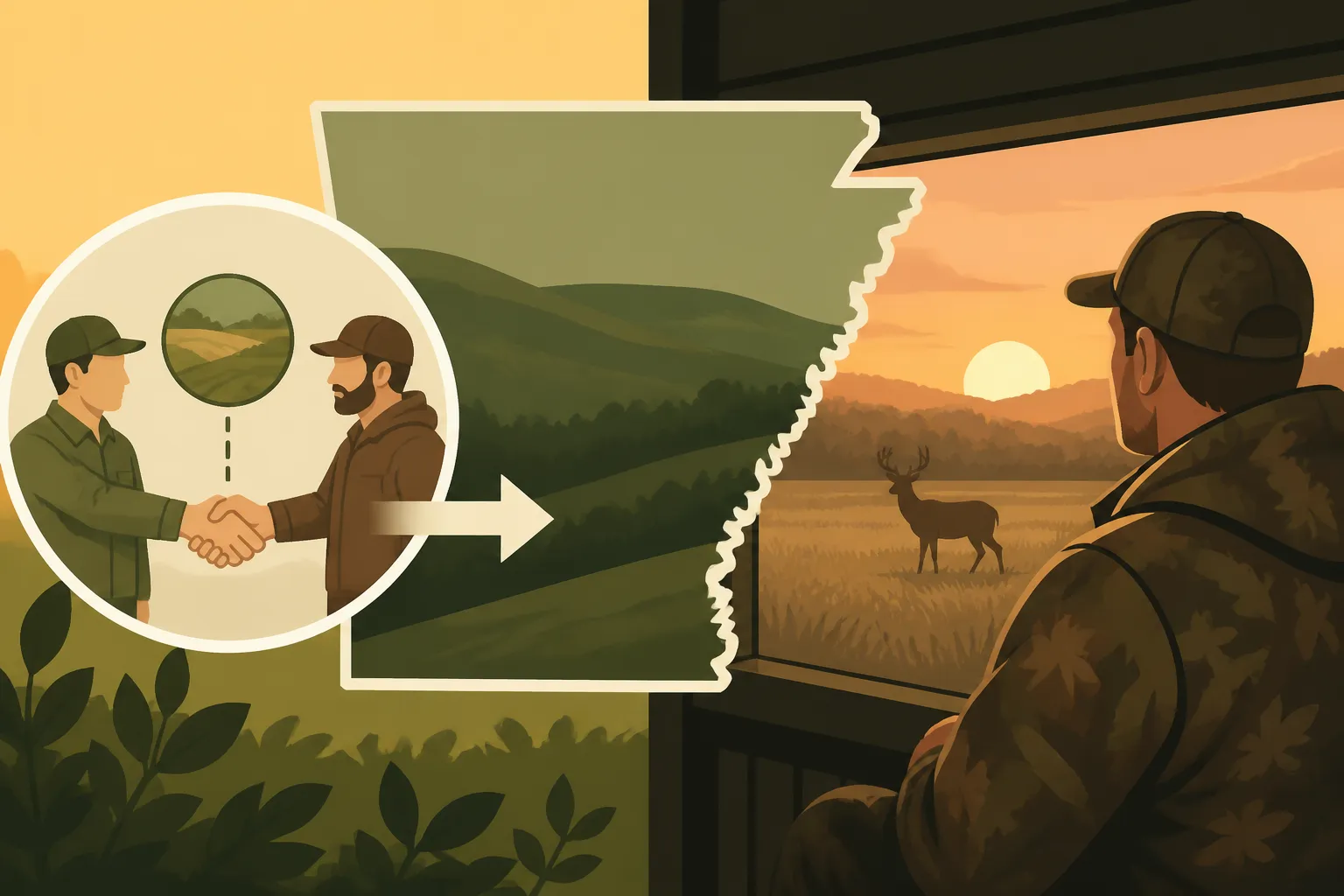
How Day Blind Leases Work in Arkansas
Let's be honest, finding quality duck hunting access in Arkansas can feel like a game of musical chairs where someone always takes your seat just as the music stops. For many of us, a full-season lease is out of reach financially or logistically, and the public land draws can be a total crapshoot, leaving us wondering if we'll even get a chance to throw out a decoy spread. That's where day blind leases step in, offering a compelling middle ground for hunters looking for a reliable spot without the massive commitment. This guide is all about peeling back the layers on how these day leases work, helping you decide if they're the right fit for your next Arkansas waterfowl adventure.
What Exactly is an Arkansas Day Blind Lease?
Imagine you want to hunt a prime piece of ground, perhaps a flooded timber hole or a well-situated rice field, but you don't own the land, nor do you have a year-long lease. A day blind lease is your answer. It's essentially a short-term rental arrangement where you pay a fee to use a pre-established hunting blind on private land for a single day, or sometimes for a specific hunting period like a morning or afternoon hunt. It's a pragmatic solution for many hunters, especially those who can't commit to a full season of scouting, managing property, or shelling out thousands for an annual lease.
The Concept of Temporary Access
At its core, a day blind lease is about temporary, convenient access to hunting grounds that are typically well-managed for waterfowl. Instead of the uncertainty of public lands, where you might compete with dozens of other hunters for a good spot, or the heavy investment of a private lease, a day lease gives you a dedicated spot for your hunt. You're usually paying for the privilege of a known location, often with some level of habitat management behind it – maybe actively flooded timber or pumped rice fields. It's a pay-as-you-go system that allows for flexibility, letting you pick and choose your hunting days based on weather, bird migration, or simply your own schedule, without the burden of year-round responsibility. You show up, hunt, and leave, leaving the long-term work to the landowner or outfitter.
This model is a fantastic alternative for hunters who love the sport but have busy lives. Think about it: no agonizing over property taxes, maintaining expensive equipment like pumps, or dealing with landowner issues. You just focus on the hunt itself. It’s a stark contrast to wading into a public WMA in the dark, hoping you get to your preferred spot before someone else, or going through the sometimes-frustrating process of Arkansas WMA Permits and Draw Hunts. With a day blind lease, your spot is reserved, taking a significant chunk of the pre-dawn stress out of the equation.
Common Locations and Blind Types
When you're looking into day blind leases in Arkansas, especially for duck hunting, you'll find them scattered across the state's prime waterfowl regions. The vast Mississippi Delta, with its flooded rice fields and green timber, is a hotspot, as are areas closer to major rivers like the White, Arkansas, and Cache. Depending on the location and terrain, you'll encounter a variety of blind types. In flooded timber, you might find custom-built, elevated box blinds that keep you dry and offer a great vantage point, or sometimes simple tree stands that are brushed in. Out in the expansive rice fields, pit blinds are king – dug into the ground and camouflaged, they provide excellent concealment against the flat landscape.
You might also come across boat blinds in larger flooded areas or even portable layout blinds in cut agricultural fields for geese or specks. Each blind type is designed for maximum concealment and effectiveness in its particular environment. For example, a well-placed pit blind in a flooded rice field can make all the difference when ducks are circling, wary of any movement. Similarly, a brushed-in timber hole requires a specific kind of blind to blend seamlessly with the natural canopy. Understanding these differences can help you pick the right lease for your preferred style of hunting, whether you're dreaming of classic Green Timber Duck Hunting in Arkansas or a wide-open spread in a Field and Flooded Rice Duck Hunting in the Delta.
Why Choose a Day Blind Lease Over Other Options?
The decision to opt for a day blind lease often comes down to a careful weighing of cost, convenience, and control. For many, it strikes a perfect balance, offering more reliable access than public land but less financial strain and commitment than a full-season private lease or a fully guided trip. It's not a one-size-fits-all solution, but it certainly fills a crucial niche in the Arkansas hunting landscape.
Balancing Cost and Convenience
One of the most attractive aspects of a day blind lease is its cost-effectiveness compared to other private land options. A fully guided duck hunt, while fantastic for an all-inclusive experience, can be quite an investment, covering the guide's expertise, dogs, decoys, meals, and sometimes lodging. A day blind lease, on the other hand, typically only charges for the use of the blind and the ground. You're responsible for bringing your own decoys (unless specified), your calls, your dog, and doing your own calling and shooting. This DIY element significantly reduces the overall price point, making prime hunting accessible to a wider range of budgets. For those who enjoy the challenge of calling their own birds and setting their own spreads, but want to avoid the crowds, it's a no-brainer.
Furthermore, the convenience factor is huge. There's no months of scouting before the season, no planting food plots, no managing water levels, and no fixing busted pumps. The landowner or outfitter handles all that heavy lifting. All you need to do is show up at the designated time, set your decoys if needed, and hunt. This is a massive relief for hunters who might only get a few weekends a year to chase ducks. You're buying into a system that has, theoretically, put in the work to attract birds, allowing you to maximize your limited hunting time. It’s about getting straight to the action without the year-round property management headaches.
The Appeal for Out-of-State Hunters and Weekenders
Day blind leases hold particular appeal for hunters traveling from out of state or those who are local but can only hunt on weekends. If you're coming from Texas, Louisiana, or Missouri, setting up a full-season lease in Arkansas requires a substantial commitment in travel, time, and money. A day lease allows you to target specific days during peak migration or preferred weather windows, maximizing your chances of a good hunt without the overhead. You can drive up for a weekend, hunt a pre-arranged blind, and head home, having experienced some of Arkansas's legendary duck hunting.
For hunters who can't dedicate weeks to Scouting Arkansas Public Land Before Season or learning new public land territories, these leases are a godsend. They offer a known commodity, a place where the infrastructure is already in place. This means less guesswork and more actual hunting time. It also allows for flexibility; you could book a timber hole one weekend and a rice field the next, trying different styles of hunting without being tied to a single piece of property. It's an excellent way to experience the diversity of Arkansas waterfowl habitat without the massive investment required for multiple long-term leases. Remember, if you're traveling from afar, you'll need to sort out your Short-Term Nonresident Hunting Licenses before you hit the road.
Navigating the Booking Process for Day Blind Leases
So, you're sold on the idea of a day blind lease. Fantastic! Now comes the practical part: actually finding and booking one. This process requires a bit of research and due diligence to ensure you're getting a good deal and a reputable experience. It's not just about finding an open date; it's about finding the right open date with the right operator.
Finding Available Leases and Reliable Operators
The digital age has made finding day blind leases much easier than it used to be, but it still requires a discerning eye. Online hunting platforms and marketplaces are excellent starting points. Sites like BookYourHunt and GoHunt often feature listings for day blind leases, allowing you to filter by location, date, and even specific amenities. These platforms act as a bridge between landowners/outfitters and hunters, often providing photos, descriptions, and sometimes even reviews from previous clients. Using such a service can streamline your search, giving you a centralized place to browse options.
Beyond these dedicated platforms, word of mouth remains incredibly powerful in the hunting community. Ask around at local sporting goods stores, check hunting forums specific to Arkansas, or join social media groups focused on Arkansas waterfowl hunting. Often, the best leases are found through personal recommendations. Regardless of how you find a potential lease, always prioritize operators with a solid reputation. A quick online search for reviews, testimonials, or even just general chatter about a particular outfitter can tell you a lot. You want to feel confident that the person you're dealing with is trustworthy and will deliver on their promises. It's akin to finding a good mechanic – you want someone who knows what they're doing and has a track record of reliability. You're putting your valuable hunting time and money on the line, so doing your homework is crucial. Before you commit, you might want to look into Checking an Arkansas Outfitter's Reputation.
What to Ask Before You Book
Once you've identified a potential day blind lease, don't be shy about asking questions. This is your investment, and you deserve to have all the information necessary to make an informed decision. Start with the basics: What specific type of blind is it (pit, timber, boat)? What kind of habitat will you be hunting (flooded rice, green timber, moist soil)? How many hunters does the blind comfortably accommodate? Is there a minimum number of hunters required to book?
Beyond the basics, delve into the specifics that impact the hunt itself. Ask about recent bird activity – have ducks been using the area consistently? What are the water conditions like? Is it actively being pumped, or is it rainfall dependent? What kind of decoys, if any, are provided, or will you need to bring your own? What is the policy on hunting dogs? Some blinds are more dog-friendly than others. You'll also want to clarify access: how do you get to the blind? Is it a short walk, an ATV ride, or a boat trip? Will someone meet you, or are you given directions and a key? Understanding these logistics ahead of time prevents unwelcome surprises on hunt day. Don't forget to get all the terms in writing, especially cancellation policies, as this falls under the realm of Outfitter Contracts and Deposits in Arkansas.
Understanding Costs and What's Included (or Not)
The financial aspect is, of course, a major consideration for most hunters. While day blind leases are generally more affordable than fully guided trips, it's important to understand the full scope of the costs involved, both direct and indirect. You don't want to get hit with unexpected expenses that can sour an otherwise great hunting experience.
The Price Tag: Factors Influencing Day Lease Costs
The price of a day blind lease in Arkansas can vary widely, much like real estate, based on location, reputation, and the time of year. A prime timber hole in the heart of the Delta during the peak of the duck season (say, mid-December to early January) will undoubtedly command a higher price than a field blind in a less trafficked area during the early season or late in January. Operators with a long-standing reputation for consistently putting hunters on birds will also typically charge more for their well-maintained and productive spots. The quality of the blind itself, whether it's a heated pit blind with comfortable seating or a more rustic brushed-in hole, can also impact the fee.
Generally, you can expect day lease prices to be significantly less than an all-inclusive guided hunt, which might include lodging, meals, and a personal guide for your group. However, they will be more than the minimal cost of just buying your license and heading to public land. Think of it as paying for a higher probability of success and a more comfortable, predictable hunting experience than you might find on heavily pressured public grounds. It’s an investment in a dedicated spot, often on private lands that see less overall pressure than their public counterparts.
Beyond the Lease Fee: Hidden Costs and Necessities
While the day lease fee covers your access to the blind, it rarely covers everything you'll need for the hunt itself. First and foremost, you'll need all the necessary Arkansas Hunting Licenses and What They Cost, including your state hunting license, state waterfowl stamp, and federal duck stamp. Don't forget HIP registration for migratory birds! These are non-negotiable and must be acquired before your hunt. Beyond licensing, consider your gear. Unless explicitly stated, decoys are usually not included, so you'll need your own spread. Ammunition is another obvious expense, and with today's market, it's wise to stock up ahead of time.
Then there are the personal items: waders, calls, camouflage, warm layers, and perhaps a blind bag stocked with snacks and drinks. If you're traveling a distance, factor in fuel costs, and if you plan to stay overnight, budget for a hotel or other lodging, as this is almost never part of a day blind lease package. Some leases might be quite a drive from the nearest town, so consider vehicle wear and tear. Finally, while a day lease isn't a guided hunt, if the landowner or a representative helps you with anything extra – like setting decoys or providing local intel – a small tip for their time and effort can be a nice gesture, even if not strictly required.
The Day of the Hunt: Expectations and Practicalities
The anticipation building up to the hunt is one of the best parts, and knowing what to expect on the actual day can help make it a smooth and enjoyable experience. Day blind leases, while offering convenience, still require hunters to be prepared and understand the logistics involved.
Pre-Hunt Logistics and Arrival
Most day blind leases will provide you with specific instructions regarding meeting times and locations. This might involve meeting the operator at a designated spot an hour or two before legal shooting light, or you might be given directions to the blind itself and a code for a lock. Always aim to arrive early, giving yourself ample time to get settled, especially if you're navigating unfamiliar roads in the dark. Communication is key here; if you're running late or have any last-minute questions, reach out to the operator. They're usually keen to ensure you have a good experience and can offer advice.
Once at the blind, whether it's a pit blind in a field or a timber hole, you'll need to get your gear in order. This typically involves placing your decoy spread, getting your gun loaded (safely!), and making sure everyone in your party is comfortable and concealed. If you're hunting in a traditional Arkansas timber hole, this might mean carefully wading through flooded woods, quietly placing your blocks, and then settling into a brushed-in box blind. The more prepared you are before dawn breaks, the less scrambling you'll do when the ducks start to fly. Be mindful of the time, especially when Arkansas Duck Season Dates dictate legal shooting hours.
Hunting the Blind and Post-Hunt Etiquette
During the hunt itself, remember that you are renting a specific piece of property, and it’s important to respect the rules set by the operator. These might include designated shooting lanes (especially important in timber), limits on how far you can walk from the blind, and specific protocols for dog handling. Always prioritize safety, especially when multiple hunters are in a blind. Clear communication about what birds to shoot and when is paramount. The goal is to make the most of the birds that decoy into your spread, remembering your Arkansas Duck Daily Bag Limit.
After the hunt, good etiquette dictates leaving the blind and surrounding area in pristine condition, if not better than you found it. Pick up all your spent shell casings, empty food wrappers, and any other trash. If you used someone else's decoys, ensure they are neatly stacked or stored as instructed. If you’ve bagged some birds, field dressing is often done at a central cleaning station, or you might take them with you to process elsewhere. While a day lease doesn't typically include services like a guided hunt might, it's good practice to ensure everything is tidy. Some hunters appreciate a service that offers Bird Cleaning and Packaging Services to help manage their haul. Your respect for the property and the next hunters will be appreciated and could even open doors for future bookings.
Pros and Cons of Day Blind Leases
Like any hunting strategy, day blind leases come with their own set of advantages and disadvantages. It's crucial for any hunter to weigh these before committing, ensuring that the experience aligns with their expectations and hunting style.
The Upsides: Freedom, Access, and Variety
One of the biggest upsides of a day blind lease is the access it provides to prime hunting ground that would otherwise be unattainable for most hunters. These properties are often strategically located along major flyways, feature excellent habitat management, and might even hold birds that have been pressured off public lands. This access translates to a higher probability of encountering ducks and having shooting opportunities, which is, after all, why we hunt. You're effectively buying into years of habitat work and scouting without having to put in that effort yourself.
Furthermore, day leases offer remarkable freedom and variety. You're not tied to a single piece of land for an entire season. This means you can hunt different types of habitat – a flooded timber hole one weekend, a dry-field layout blind for geese the next, and maybe a marsh blind after that. This flexibility allows you to chase the birds where they are, adapting to migration patterns and local conditions. It's also incredibly convenient for hunters with unpredictable schedules, as you can book on an as-needed basis rather than committing to a long-term lease. This flexibility can make a huge difference, allowing you to tailor your hunt to the best possible conditions. This also provides an ideal middle ground for those considering Guided Versus DIY Hunting in Arkansas.
The Downsides: Variable Success, Lack of Personalization
Despite the advantages, day blind leases aren't a guaranteed golden ticket, and there are certainly downsides to consider. The biggest one is the variability of success. While you're paying for access to good ground, ducks are still wild animals. Bird migration, local pressure, weather patterns, and even lunar phases can all impact whether ducks are using a particular area on any given day. You could pay for a prime blind and have a slow morning if the birds just aren't flying or have moved on. Unlike a fully guided hunt where an experienced guide might adjust the strategy or even move to a different location, with a day lease, you're pretty much committed to the blind you booked.
Another potential drawback is the lack of personalization. You're using someone else's setup. While often well-designed, it might not perfectly match your personal hunting style or preferences. You might not have input on decoy spreads, calling techniques, or even minor blind adjustments. For some hunters, the true joy of waterfowling comes from the entire process – the scouting, the setting up, the calling, and seeing all their efforts come together. With a day lease, much of that foundational work is done for you, which can be a pro for some but a con for others who prefer a more hands-on, deeply personal hunting experience. It's a trade-off between convenience and the feeling of complete ownership over your hunt.
| Feature | Day Blind Lease | Fully Guided Hunt | Public Land Hunt |
|---|---|---|---|
| Cost | Moderate (per day/group) | High (all-inclusive) | Low (license/stamps only) |
| Access | Private, pre-arranged blind | Private, managed property | Public, competitive |
| Effort Required | Moderate (DIY decoys, calling, dog) | Low (guide handles most) | High (scouting, setup, competition) |
| Success Probability | Higher than public, variable by day | Often highest, expert guidance | Variable, highly dependent on effort |
| Commitment | Single day/short term | Single or multi-day trip | As desired, ongoing |
| Gear Provided | Blind, sometimes decoys | Blind, decoys, calls, dog | None (you bring everything) |
| Ideal For | Flexible hunters, out-of-state, small groups | First-timers, high expectations, luxury | Budget-conscious, adventurous, DIYers |
Day blind leases offer a fantastic sweet spot for many hunters in Arkansas. They provide access to quality waterfowl hunting ground without the massive financial and time commitments of a full-season lease or the higher price tag of an all-inclusive guided trip. While they require more DIY effort than a fully guided hunt, they offer a level of convenience and predictability that public land often cannot match. By understanding how they work, what to ask, and what to expect, you can confidently book your next Arkansas duck hunting adventure and hopefully, fill your strap.
Disclaimer
This article is for general informational purposes only and does not constitute professional advice. Laws, prices and regulations vary by location and change over time. Consult a qualified professional for guidance on your specific situation.