Aging Venison in Warm Weather
It’s a scenario many Arkansas deer hunters know all too well: you’ve put in the scouting, made the shot, and now you’ve got a beautiful buck on the ground. But the mercury is still climbing, and those early season or unseasonably warm November days can throw a real wrench into your plans for processing. This guide is here to walk you through the often-stressful process of safely aging venison in warmer temperatures, ensuring you get the most tender, flavorful meat from your harvest without risking spoilage.
The "Why" Behind Aging Venison, Even in the Heat
Let's be honest, aging venison probably sounds like a luxury, something for folks with dedicated walk-in coolers and perfect conditions. But it's actually a crucial step in transforming tough, fresh-killed muscle into tender, palatable meat. The primary goal of aging is to allow natural enzymes within the muscle fibers to break down connective tissues, leading to a more tender product. Without this process, your hard-earned venison can be quite chewy, no matter how skilled you are with a knife in the kitchen.
Tenderness and Flavor Development
When a deer is first harvested, its muscles are stiff and rigid—a phenomenon called rigor mortis. This is why you rarely want to cut and cook meat immediately after the kill. During the aging process, naturally occurring enzymes within the muscle begin to break down the complex proteins and connective tissues. Think of it like a slow, biological tenderizer. This breakdown not only softens the meat but also allows for some subtle flavor development, often described as a richer, more "gamey" (in a good way!) taste. It helps mellow out any metallic or "liver-like" notes that can sometimes be present in very fresh venison. It’s a delicate dance, but when done right, the difference in the dining experience is profound.
The Critical Balance: Aging vs. Spoilage
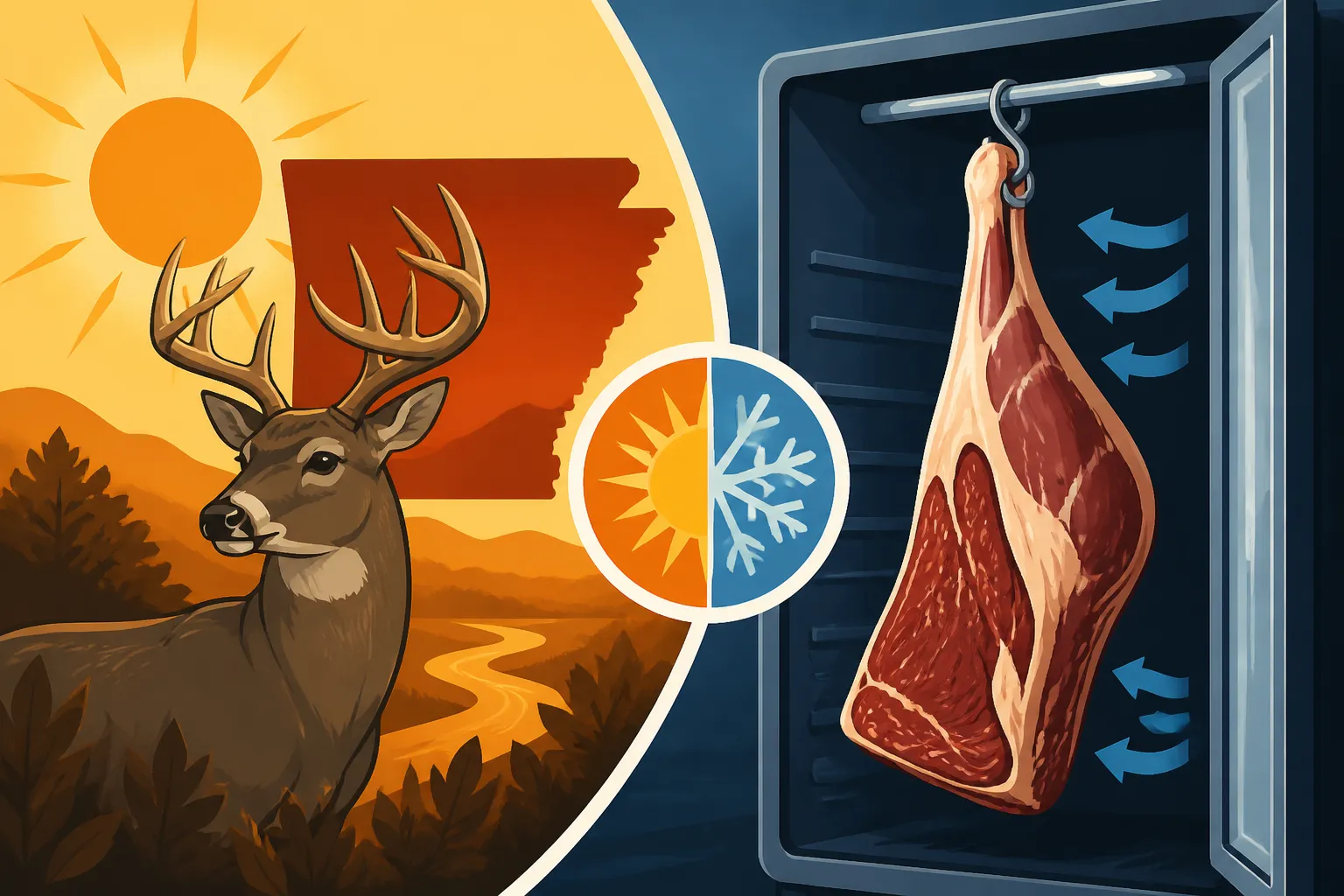
Here's where the warm weather truly complicates things. The same enzymes that tenderize the meat are also the same ones that, under uncontrolled conditions, lead to spoilage. Bacteria thrive in warm, moist environments. When temperatures are too high, or sanitation isn't pristine, these bacteria can multiply rapidly, overpowering the beneficial enzymatic action and leading to a ruined harvest. The goal is to keep the meat cool enough to slow bacterial growth to a crawl, while still allowing those tenderizing enzymes to do their work. This is why quick action and constant temperature monitoring become absolutely paramount when you're hunting in Arkansas's early season heat or during those mild spells we often get well into November. It’s a much tighter window than if you harvested a deer during a deep freeze.
Essential Steps for Safe Field Care When It's Warm
You simply cannot overstate the importance of proper field care, especially when the weather isn't cooperating. This isn't just about being tidy; it's about setting the stage for successful aging and preventing spoilage before it even starts. Every decision you make in the first hour after the shot can mean the difference between delicious venison and a total loss.
Quick Gutting and Cleanliness
The very first thing you need to do, often within minutes of the deer expiring, is to gut it. The internal organs hold a tremendous amount of body heat and are a hotbed for bacteria. Getting them out immediately allows the body cavity to begin cooling down. Once you've removed the entrails, wipe the cavity clean with paper towels or a clean cloth. Don't use water unless you're absolutely sure you can dry the cavity completely afterward, as moisture can promote bacterial growth. Some hunters even bring a small spray bottle of a 50/50 water and vinegar solution to lightly mist the cavity, as the mild acid can help inhibit bacterial growth, but again, ensure it can dry. Remember, a clean harvest is a happy harvest. For more details on this crucial step, check out Field Dressing a Deer in Warm Weather.
Getting the Hide Off Fast
Many hunters debate whether to leave the hide on or take it off immediately. In warm weather, there’s no debate: get that hide off as quickly as possible. The hide acts like an insulating blanket, trapping body heat and slowing down the cooling process significantly. Every minute that hide stays on, especially if the deer is lying in the sun, increases the core temperature of the meat and speeds up bacterial growth. As soon as you can get the deer back to camp or your processing area, begin skinning. Don't worry about being perfect; speed and efficiency are key here. Once the hide is removed, the exposed meat can radiate heat much more effectively.
Immediate Cooling Strategies
Once gutted and skinned, the race is on to get the core temperature of that venison down. This is perhaps the most critical step for aging in warm weather. Simply letting it "hang" if the ambient temperature is above, say, 40°F (about 4°C), is asking for trouble.
One of the most effective methods is to quarter the deer and pack the meat in coolers filled with ice. Make sure the ice is draining properly so the meat isn't sitting in bloody water. This means opening the drain plug regularly and replenishing ice as it melts. You can use large, heavy-duty coolers, ensuring there's plenty of space around the meat for the cold air (and ice) to circulate. Layering ice, meat, and more ice works wonders. Some hunters even keep gallon jugs of frozen water to place inside the body cavity for immediate internal cooling during transport before skinning, especially for a long haul out of the woods.
If you have access to a commercial processor, getting the deer there whole, or even quartered, as quickly as possible is often the best option. They have dedicated coolers designed to rapidly chill large game. But if you’re doing it yourself, the cooler-and-ice method is your best friend. Even if you plan on aging for a short period, getting the meat cold first is non-negotiable.
Practical Methods for Cold Aging in Arkansas's Climate
With field care done, the real challenge begins: how do you keep that meat consistently cool enough for aging when nature isn't cooperating with freezing temperatures? You need to create your own "cold snap."
The Controlled Cooler Method
This method is probably the most accessible and reliable for the average hunter in Arkansas when outdoor temps are too high. Here’s a step-by-step approach:
- Quarter the Carcass: Break the deer down into its primal cuts (two front shoulders, two hindquarters, backstraps, tenderloins). This makes it easier to handle and fit into coolers. You can even debone some parts if you're really pressed for space, but leave larger muscle groups intact for aging.
- Pack with Ice: Use large, clean coolers. Place a layer of ice at the bottom, then a layer of meat, then more ice. Repeat until the cooler is full, ensuring ice surrounds all sides of the meat. You want maximum contact.
- Drain Regularly: This is crucial. As the ice melts, it creates water. You absolutely do not want the meat sitting in this water. It will leach flavor, promote bacterial growth, and make a slimy mess. Open the drain plug every few hours, or at least twice a day, to let the water out.
- Replenish Ice: As the ice melts, add more. You want to maintain a constant cold temperature. For warm weather aging, aiming for meat temperatures between 34-40°F (1-4°C) is ideal. A good meat thermometer is your friend here.
- Monitor for Odor/Sliminess: Every time you open the cooler to drain and add ice, give the meat a quick check. It should smell fresh, like clean meat. A slightly "gamey" or earthy smell is normal, but any off-odors, sourness, or stickiness/sliminess means bacteria are winning, and you need to process immediately or discard.
- Aging Duration: In these conditions, you’re looking at a shorter aging window, typically 2-5 days. Any longer and the risks increase significantly.
This method requires commitment, but it’s a proven way to achieve tender venison even when it’s 70 degrees outside.
Garage or Shed Aging (With Caution)
If you're lucky enough to have a few cool nights in a row, or a garage that stays naturally cooler, you might be able to hang meat, but this method comes with significant caveats in Arkansas’s unpredictable climate. You need a consistently cool and dry environment.
- Temperature Control is Key: Use a thermometer to monitor the ambient temperature. If it rises above 40°F (4°C) for more than a few hours, you're in the danger zone. This usually means night-only hanging, then back into a cooler with ice during the day.
- Air Circulation: Good airflow helps dry the surface of the meat, which inhibits bacterial growth. A fan directed at the hanging carcass can be very beneficial.
- Protection from Pests: You'll need game bags to keep flies, wasps, and other critters off the meat. Fine mesh bags are essential.
- Short Duration: Even if conditions are borderline, you're looking at a very short aging period—maybe 1-2 days, max—before breaking it down and getting it into cold storage or processed.
Many experienced hunters prefer not to risk this method unless temperatures are reliably below freezing. It’s far safer to stick to ice-filled coolers or a refrigerator if temperatures aren't cooperating. Using a tool like GoHunt to check detailed local weather forecasts and historical temperatures for your area can help you determine if even a short outdoor hang is feasible on a particular day.
Utilizing Commercial Processors
Sometimes, the best method is to outsource the cold aging. Commercial wild game processors have professional-grade coolers specifically designed to handle large quantities of meat and maintain precise temperatures. If you've harvested a deer during a warm spell, especially early in the season or during a late-season Indian summer, taking it straight to a reputable processor is often the safest and least stressful option.
They'll typically skin, clean, and hang your deer in a controlled environment for the optimal amount of time before cutting and packaging it. This takes the guesswork and much of the heavy lifting out of your hands. Just be sure to call ahead to confirm their operating hours and intake procedures, especially during busy opening weekends. Their expertise ensures the meat is handled correctly from the moment it arrives.
Aging in a Spare Refrigerator or Chest Freezer (Unplugged)
If you have an old, clean refrigerator or a chest freezer you can dedicate to venison, this can be an excellent option for aging smaller cuts or quartered deer.
- Refrigerator Method: A spare fridge is perfect for holding hindquarters or deboned cuts at a consistent 34-38°F (1-3°C). Wrap larger cuts loosely in cheesecloth or clean towels to prevent them from drying out too quickly on the surface, but allow air circulation. This is essentially a miniature version of a commercial cooler. You can age here for 5-7 days, possibly longer depending on the cut and hygiene.
- Unplugged Chest Freezer Method: For larger cuts, you can use an unplugged chest freezer as a well-insulated, ice-filled cooler. It holds cold incredibly well. Follow the same ice-packing and draining procedures as with regular coolers, but you'll find the ice lasts much longer, reducing the need for constant replenishment. Just remember to empty it completely and clean it thoroughly afterward, and don't forget it's unplugged when you're done!
These methods offer more stable temperature control than relying on outdoor ambient air, giving you a better chance at successful aging.
Recognizing When Venison Is Ready (Or Compromised)
Aging venison, especially in less-than-ideal conditions, means you need to be constantly vigilant. You're trying to walk a tightrope between beneficial enzyme action and detrimental bacterial growth. Knowing what to look for can save your harvest, or prevent you from consuming spoiled meat.
Visual and Olfactory Cues
Your eyes and nose are your best tools when checking aging venison.
- Color: Properly aged venison should have a rich, deep red color. The surface might appear a bit darker, almost purplish-brown, due to exposure to air and some surface drying. This is normal and often desirable, forming a protective "crust" that can be trimmed off before cooking. If you see any green, gray, or fuzzy white/black spots (mold beyond just a very light, localized growth that can be trimmed), that's a sign of spoilage.
- Smell: This is the most important indicator. Fresh, healthy venison has a clean, slightly sweet, or sometimes earthy aroma. As it ages, it might develop a more pronounced "gamey" smell, but it should never, ever smell sour, rotten, putrid, ammonia-like, or overly funky. A bad smell means bacteria are taking over. Don't risk it.
- Texture/Sliminess: The surface of properly aged meat should feel relatively dry to the touch, or at most, slightly tacky. If it feels slimy, sticky, or greasy, that's a huge red flag indicating bacterial growth. This often goes hand-in-hand with a foul odor.
If you observe any strong off-odors, discoloration beyond normal darkening, or significant sliminess, it's time to either trim heavily and process immediately for cooking, or if severe, discard the affected portions or the entire animal. There's no point in risking foodborne illness for a piece of venison.
Shortening the Aging Time
The golden rule for aging in warm weather is this: the warmer it is, the shorter your aging time needs to be. Ideal aging for beef might be 7-14 days at perfect temperatures and humidity. For venison in borderline conditions, you're looking at a much tighter window.
Here’s a general guideline, but always prioritize the visual and olfactory cues over strict timing:
| Temperature Range (Meat) | Typical Aging Time (Venison) | Notes |
|---|---|---|
| Below 34°F (1°C) | 7-10 days | Very slow aging, minimal risk. Requires steady, cold weather or a dedicated cold room. |
| 34-38°F (1-3°C) | 5-7 days | Ideal controlled aging. Good for refrigerators or consistently iced coolers. |
| 39-40°F (4-5°C) | 2-5 days | Borderline controlled aging. Requires diligent ice replenishment and monitoring. |
| Above 40°F (5°C) | < 2 days (process immediately) | High risk of spoilage. Best to process quickly and freeze or cook. Aging becomes dangerous. |
Remember, these are guidelines. A deer harvested cleanly in ideal conditions might age longer at 38°F than a deer with a gut shot in the same temperature range. When in doubt, err on the side of caution and process the meat sooner rather than later. Using a resource like GoHunt to double-check ambient temperatures and factor in humidity can help you make more informed decisions about how long to risk aging your venison in uncertain conditions.
Managing warm weather venison aging in Arkansas is a skill every hunter learns, often through trial and error. With careful field dressing, rapid cooling, and diligent temperature management, you can still enjoy delicious, tender venison no matter what the thermometer says. Don't let a warm day discourage you; just be smart and proactive with your harvest. Learning about Cooling Meat in an Arkansas November can also offer some helpful insights for transitional weather. And if you're ever in doubt, getting that deer to a professional processor quickly is always a solid backup plan. Ultimately, the goal is to honor the animal with the best possible care, ensuring its meat provides sustenance and enjoyment for your table. For further understanding of game care after the hunt, you might want to read Butchering a Deer at Camp.
Disclaimer
This article is for general informational purposes only and does not constitute professional advice. Laws, prices and regulations vary by location and change over time. Consult a qualified professional for guidance on your specific situation.