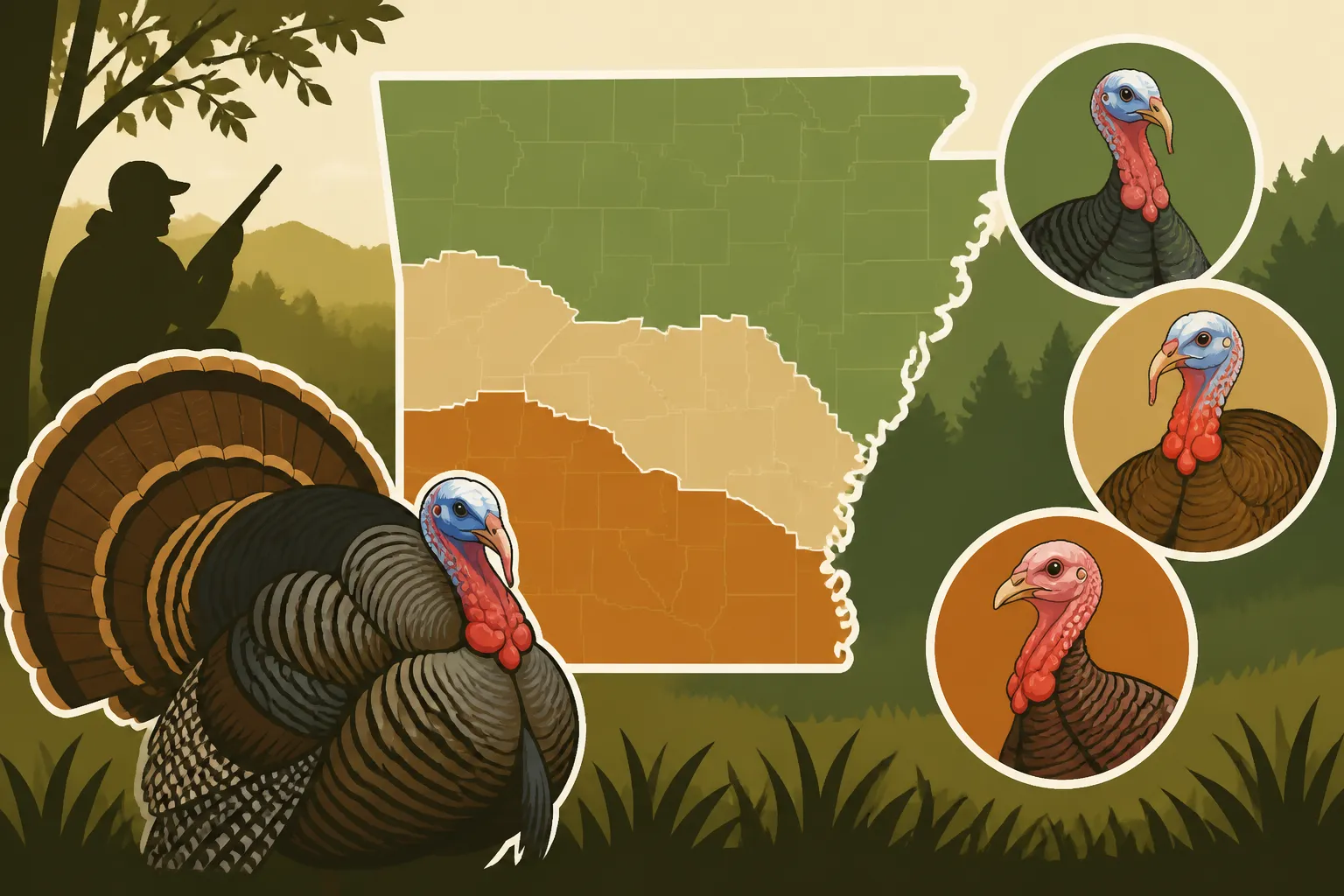
Arkansas Turkey Subspecies and Range
Many hunters in Arkansas often find themselves pondering the exact lineage of the wild turkeys they pursue and, perhaps more critically, where these elusive birds are most likely to be found. It’s easy to feel a bit lost when planning a turkey hunt, unsure if the tactics you’ve learned for one region will apply to another, or if there are even different types of turkeys to consider within our state borders. This guide is here to shed light on those questions, providing a comprehensive look at the specific turkey subspecies that call Arkansas home and detailing their preferred ranges and habitats across our incredibly diverse landscapes.
Arkansas's Primary Turkey Subspecies: The Eastern Wild Turkey
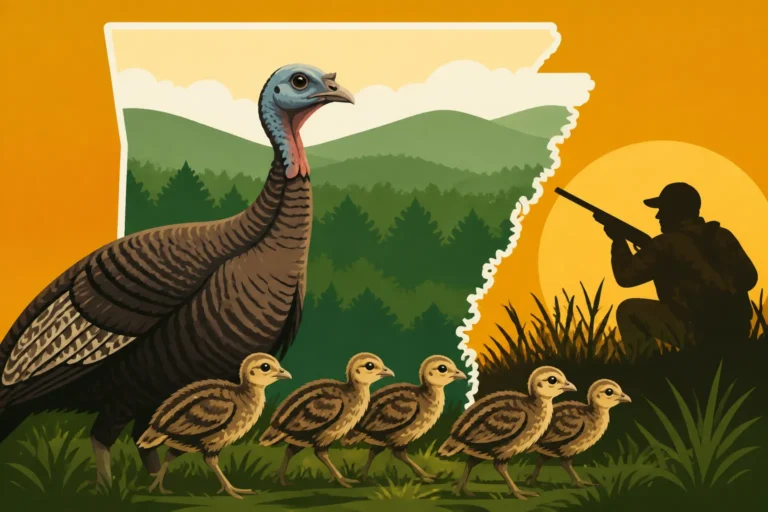
When you're talking about wild turkeys in Arkansas, you're primarily talking about one magnificent bird: the Eastern Wild Turkey. While other subspecies like the Osceola, Rio Grande, or Merriam's dominate other regions of North America, the Eastern is the undisputed king across our state. This isn't just a casual observation; it's a fundamental aspect of understanding Wild Turkeys in Arkansas and how to successfully hunt them.
Distinctive Features and Appearance
The Eastern Wild Turkey (Meleagris gallopavo silvestris) is renowned for its striking plumage and impressive size. Adult gobblers typically boast a vibrant array of iridescent bronze, copper, and green feathers that shimmer in the sunlight, often appearing almost black in the shade. Their tail feathers are tipped with a rich chestnut brown, a key identifier that helps distinguish them from other subspecies. Their heads and necks, largely featherless, can change color rapidly, displaying shades of red, white, and blue, especially during the spring breeding season when they’re fired up and strutting.
Beyond their coloration, Eastern gobblers are stout, powerful birds. They have strong legs for navigating varied terrain and spurs that can grow to impressive lengths, used for dominance displays and defense. Their beards, a collection of bristle-like feathers protruding from their chest, can also be quite long, though their length can vary based on age, genetics, and even diet. Hens, while still beautiful, are generally smaller and less iridescent, with duller plumage that offers better camouflage for nesting. Understanding these visual cues can help you identify the birds you're seeing and better appreciate the specific characteristics of our local turkeys.
Adaptability and Historical Presence in Arkansas
The Eastern Wild Turkey is incredibly adaptable, which is precisely why it thrives across Arkansas's varied ecosystems. Historically, these birds were once abundant throughout the Eastern United States, including Arkansas, before overhunting and habitat destruction decimated their populations in the early 20th century. However, thanks to dedicated conservation efforts by agencies like the Arkansas Game and Fish Commission (AGFC), the Eastern Wild Turkey has made a remarkable comeback. These birds are generalists when it comes to habitat, able to utilize everything from dense, mature hardwood forests to pine plantations and agricultural edges, as long as the critical components of their survival are present.
Their resilience and ability to colonize new areas, or re-colonize old ones, speak volumes about their hardiness. They are comfortable in the rugged, steep terrain of the Ozarks as they are in the flat, fertile river bottoms of the Delta. This adaptability means that while their numbers might fluctuate due to factors like Arkansas Turkey Population Trends or local conditions, they consistently remain a staple of our state's wild game. These conservation successes are a testament to how crucial habitat management and regulated hunting seasons are for maintaining healthy wildlife populations.
Understanding the Eastern Wild Turkey's Range Across Arkansas
While the Eastern Wild Turkey is found statewide, their populations, density, and preferred locales differ significantly depending on Arkansas's distinct geographical regions. Understanding these regional preferences is vital for any hunter trying to pattern birds or just generally improve their chances. This knowledge can also inform your scouting process, helping you pinpoint areas that are naturally more conducive to robust turkey populations.
The Ozarks and Ouachitas: Mountainous Strongholds
The Ozark and Ouachita Mountain ranges represent classic Eastern Wild Turkey habitat in Arkansas. Here, you'll find expansive tracts of mature hardwood forests, interspersed with pine stands, deep hollows, and ridgelines. Turkeys in these mountainous regions often use the elevation to their advantage, roosting in tall trees along ridges and feeding in the drainages and valleys below. They are keenly attuned to natural food sources like acorns, hickory nuts, and various berries that are abundant in these forests. The rugged terrain also provides excellent escape cover from predators and human disturbance.
Hunting in these areas often involves a lot of walking and elevation changes. You might find yourself Calling Arkansas Gobblers in the Ozarks from a high ridge, trying to locate a bird that roosted lower in a hollow. Access can be a challenge on public lands like the Ozark National Forest and Ouachita National Forest, but for those willing to put in the effort, these mountains offer some truly incredible turkey hunting experiences. Utilizing mapping tools, like those found on GoHunt, can be invaluable for pinpointing remote ridges and benches where turkeys might frequent, helping you navigate the sometimes-daunting topography.
The Delta and Gulf Coastal Plain: River Bottoms and Woodlands
Moving east and south, the landscape transforms into the flat, fertile plains of the Arkansas Delta and the forested lowlands of the Gulf Coastal Plain. Here, turkeys thrive in the vast tracts of bottomland hardwood forests, often bordering agricultural fields. These areas are characterized by major river systems like the Arkansas, White, and Mississippi, with associated sloughs, oxbows, and rich soils. The timber, often dominated by oaks, pecans, and cypress, provides an abundance of food and excellent roosting trees, while the edges of crop fields offer diverse forage and insect life.
While the terrain is less physically demanding than the mountains, hunting here presents its own challenges, such as dealing with water levels, thick undergrowth, and agricultural cycles. Turkey populations here are often tied closely to these river systems and the quality of the surrounding timber. Hunters might find themselves adapting their strategies, perhaps focusing on Turkey Tactics for Delta Field Edges where birds often feed after emerging from the woods. These regions, particularly the extensive Wildlife Management Areas (WMAs) in the Delta, can hold significant numbers of birds, making them popular destinations for turkey enthusiasts.
Interspersed Woodlands and Agricultural Edges
Beyond the distinct mountain and delta regions, turkeys also occupy numerous smaller, fragmented woodlands and timber patches found across the central and western parts of the state, particularly where they abut agricultural lands. These "transition zones" can be incredibly productive, as turkeys benefit from the cover and roosting opportunities of the woods and the abundant food sources provided by nearby farms. Areas with mixed pine and hardwood stands, often found on private timber company lands or smaller public tracts, also hold healthy populations.
In these mixed habitats, turkeys often exhibit slightly different patterns. They might roost in a mature pine stand but then fly down to feed in an adjacent pasture or recently harvested field. This type of landscape requires hunters to be versatile and adaptable. A hunter might need to consider both Turkey Tactics in Arkansas Pine Plantations and strategies for open fields on the same hunt. Scouting thoroughly and understanding local land use is crucial here. The constant availability of food and diverse cover makes these areas highly attractive to turkeys, even if the tracts of timber aren't as vast as those found in the major national forests.
Key Habitat Components for Arkansas Turkeys
Understanding where turkeys live is only half the battle; knowing why they choose those specific locations is what truly unlocks successful hunting. Turkeys, like all wildlife, require a specific set of habitat components to not only survive but thrive. When you're scouting, either on the ground or by using digital mapping tools like GoHunt, you should always be looking for these critical elements.
Food Sources and Foraging Habits
A consistent and varied food supply is paramount for wild turkeys. In Arkansas, acorns are a huge draw, especially from red and white oak varieties, providing essential fats and carbohydrates through the fall and winter. Turkeys will travel considerable distances to hit a strong acorn crop. Beyond acorns, they forage on a wide array of nuts, seeds, berries (like hackberry, dogwood, and blackberry), and various grasses. In agricultural areas, they will readily feed on waste grain in harvested corn, soybean, and rice fields. Insects, especially protein-rich grasshoppers, beetles, and spiders, are also a critical part of their diet, particularly for poults and hens needing extra nutrition for egg production and chick rearing.
Knowing what food sources are available and ripe in your hunting area can be a game-changer. For example, in the early spring, turkeys might focus on areas with emerging green shoots or specific insects. As summer progresses, they'll shift to berries and then to acorns in the fall. Observing these seasonal dietary shifts is key to understanding When Arkansas Gobblers Go Quiet after the spring breeding season, as they disperse to food-rich summer ranges. Look for scratching in the leaves under oak trees, especially if you see fresh droppings nearby, indicating a consistent food source.
Roosting, Nesting, and Brood-Rearing Cover
Turkeys require tall, sturdy trees for roosting at night, providing safety from ground predators. These are typically large, mature pines or hardwoods with strong, horizontal limbs. They often prefer to roost over water or in areas with good visibility. Identifying these roost sites during scouting, especially in the evening or early morning, can be incredibly productive. For nesting, hens seek out dense, concealing cover, often in thickets, brush piles, or tall grasses, particularly along field edges or in timber openings. This dense cover protects their nests and young poults from predators.
Once poults hatch, hens guide them to "brood-rearing" habitat, which usually consists of open woodlands or fields with a good mix of grasses and forbs, teeming with insects. This type of habitat allows poults to forage easily while still providing escape cover if a predator approaches. Think about areas where Arkansas Turkey Brood Surveys would indicate strong numbers; these spots will often have this ideal mix of open ground and protective cover. Without secure nesting and brood-rearing cover, even areas with abundant food won't sustain a healthy turkey population in the long term.
Water Availability and Its Importance
While turkeys aren't constantly at a water source like some other game animals, a reliable water supply is still an essential component of their habitat. They get a good portion of their hydration from the food they eat, especially fresh vegetation and insects. However, they will also seek out open water, particularly during hot, dry periods. Ponds, creeks, rivers, and even dew-covered vegetation can serve this purpose. You might not see them directly drinking very often, but you can be sure they're never far from a water source, especially when nesting hens or poults need to regulate their body temperature.
When scouting a new area, always consider the proximity of water. A patch of woods with abundant food and perfect roosting trees might be less attractive if the nearest dependable water source is miles away. This is especially true in areas prone to drought. Even if you don't directly target water features when hunting, understanding their role in the overall habitat picture can help you predict turkey movements and concentrations.
Pinpointing Productive Turkey Habitat and Scouting Tips
Finding turkeys in Arkansas, especially on public land, requires more than just walking into the woods and hoping for the best. It demands diligent scouting, smart use of modern tools, and an understanding of turkey behavior throughout the season. Being prepared with a good strategy is far more effective than just relying on luck.
Utilizing Topographic Maps and Aerial Imagery
Before you even step foot in the woods, the best scouting begins from home with topographic maps and aerial imagery. Tools like GoHunt or other similar mapping applications are incredibly powerful for identifying potential turkey hotspots. Look for key features:
- Ridges and Saddles: These are often travel corridors for turkeys and good locations for gobblers to strut and sound off.
- Drainages and Creeks: Turkeys use these as travel routes and sources of water. Roost trees are often found along these features.
- Changes in Timber Type: Where hardwoods meet pines, or where mature timber transitions to younger growth, these edges are frequently used by turkeys for feeding and cover.
- Openings: Clear-cuts, food plots, old logging roads, or small natural clearings are often where birds will strut, dust, and feed.
- Proximity to Agriculture: Look for wooded areas bordering crop fields, especially if you’re hunting in the Delta.
Mark potential roost sites, feeding areas, and travel corridors on your map. This virtual scouting helps you narrow down your physical scouting efforts significantly and creates a game plan for when you actually hit the woods.
Reading Sign: Tracks, Droppings, and Dust Bowls
Once you're on the ground, becoming a skilled tracker and sign-reader is paramount. Fresh turkey tracks, especially those of large gobblers, are a clear indicator that birds are in the area. Look for them along logging roads, creek beds, and soft earth. Droppings can tell you a lot: gobbler droppings are typically J-shaped, while hen droppings are more coiled. The size and freshness also indicate how recently a bird was there.
Dust bowls – shallow depressions in dry soil or dirt roads – are another strong indicator. Turkeys use these to clean their feathers and rid themselves of parasites. If you find multiple fresh dust bowls, you know it’s a frequented area. Strut marks, left by gobblers dragging their wingtips while strutting, can often be found in open areas or along old roads. Don’t just look down; also look up for roost droppings under large trees. All these little clues combine to paint a picture of turkey activity and can guide you toward where you should be focusing your hunting efforts.
The Role of Seasonal Changes and Hunting Pressure
Turkey behavior, and therefore their range within a given area, can change drastically with the seasons and in response to hunting pressure. Early in the spring, gobblers are very vocal and concentrated as they try to attract hens. As the season progresses and hens begin to nest, gobblers may become quieter and more scattered, making them harder to locate. Understanding Arkansas Spring Turkey Season Dates and how turkey behavior typically shifts throughout the month can help you adjust your tactics.
Hunting pressure, especially on public land, also plays a huge role. Heavily hunted areas might see birds become extremely wary, going silent or moving to thicker, less accessible cover. In these situations, knowing how to approach birds quietly (often referred to as still-hunting) or finding less pressured spots can be beneficial. Using digital maps like GoHunt to analyze topography and find hard-to-reach pockets of public land can sometimes lead you to birds that haven't been pressured as much, offering a more rewarding hunt. Always be mindful of the Arkansas Turkey Bag Limit and other regulations, as responsible hunting ensures the long-term health of our turkey populations.
| Arkansas Turkey Range Overview | Primary Subspecies | Key Characteristics | Typical Habitat | Scouting Focus |
|---|---|---|---|---|
| Ozark Mountains | Eastern Wild Turkey | Rugged, vocal | Hardwood ridges, hollows, mixed pine | Acorn flats, remote saddles, roost trees over drainages |
| Ouachita Mountains | Eastern Wild Turkey | Strong, adaptable | Dense pine forests, hardwood creek bottoms | Pine ridges, clear-cuts, creek-side roosts |
| Arkansas Delta | Eastern Wild Turkey | Often near water/fields | Bottomland hardwoods, agricultural edges | Field edges, dense slough bottoms, mature timber blocks |
| Gulf Coastal Plain | Eastern Wild Turkey | Resilient populations | Mixed pine and hardwood, swampy areas | Low-lying timber, pine plantations, dense brush for nesting |
| Central/Western Transition | Eastern Wild Turkey | Utilizes fragmented woods | Scattered woodlands, farm edges, smaller timber blocks | Wooded fingers, property lines, isolated patches of timber |
Disclaimer
This article is for general informational purposes only and does not constitute professional advice. Laws, prices and regulations vary by location and change over time. Consult a qualified professional for guidance on your specific situation.