Why Mallards Winter in Arkansas
If you've ever spent a frosty morning in a flooded timber hole or a blind overlooking a cut rice field in Arkansas, you know the magic. The skies darken with wings, and the air fills with the unmistakable chatter of thousands of mallards. It’s a question many hunters ask: why here? This guide dives deep into the unique blend of habitat, food, and geography that makes our state a waterfowl mecca.
The Unmatched Habitat: Why Arkansas is a Duck Haven
It's no secret that Arkansas holds a special place in the hearts of duck hunters, and it’s not just because of our friendly demeanor or world-class calling contests. The truth is, our state offers an unparalleled array of habitats that cater specifically to the needs of wintering mallards. From ancient bottomland forests that fill with water to meticulously managed agricultural fields, the variety is staggering, and it's precisely this diversity that makes Arkansas such a reliable destination for migratory birds.
The Allure of Green Timber
There’s nothing quite like standing in flooded green timber, leaning against a giant oak, with the sounds of whistling wings overhead. This habitat, particularly prevalent in the Delta regions, is arguably the most iconic duck hunting experience in Arkansas. These forests, primarily composed of oak species, periodically flood during the fall and winter months, creating a submerged pantry for mallards. The ducks find refuge among the trees, protected from strong winds and harsh weather, while simultaneously feeding on fallen acorns. It’s a natural ecosystem perfected over millennia, and its unique qualities make it irresistible to migrating birds. When you think about Why Mallards Use Flooded Timber, it's easy to see why these forests are gold.
The water levels in these green timber reservoirs are often managed by wildlife agencies or private landowners, carefully timed to coincide with duck migration and feeding patterns. This thoughtful management ensures that the food sources are accessible and that prime habitat remains viable year after year. Hunters often rely on tools like GoHunt to scout these areas, helping them understand water depths and tree cover before setting foot in the woods. The dense canopy also offers a sense of security from predators, allowing ducks to rest and feed with less stress, a crucial factor after a long migration.
The Vast Network of Delta Wetlands
Beyond the timber, the Arkansas Delta stretches out, an enormous flat expanse that was once a mosaic of swamps, rivers, and natural wetlands. While much of it has been converted to agriculture, significant tracts of this traditional wetland habitat still exist, either naturally occurring or intentionally preserved. These areas often include vast stretches of cypress and tupelo swamps, oxbow lakes, and the winding sloughs that crisscross the landscape. These natural wetlands provide critical roosting areas during the day and additional feeding opportunities for ducks that may be seeking something different from acorns.
The sheer scale of these wetlands is what truly makes a difference. Ducks, particularly mallards, need vast interconnected systems where they can move freely between feeding and roosting sites. The Delta provides just that—a sprawling, interconnected liquid highway where thousands upon thousands of birds can spread out. These areas are crucial for the overall health of the duck population, offering varied diet options and a break from hunting pressure in more heavily hunted areas. Understanding the dynamics of these Delta wetlands is key to grasping Mallard Numbers Wintering in Arkansas.
Moist-Soil Units and Natural Sloughs
Often overlooked but incredibly important are the extensive moist-soil units and natural sloughs found across the state, especially on Wildlife Management Areas (WMAs). Moist-soil management involves manipulating water levels to encourage the growth of native wetland plants like smartweed, millet, and sedges. These plants produce abundant seeds that are highly nutritious for ducks. Unlike flooded timber or agricultural fields, moist-soil units are designed to replicate natural wetland cycles, offering a diverse array of food and cover.
These areas are vital because they provide habitat for a broader range of waterfowl species and act as crucial stopovers for early migrants or during periods of unusual weather. They are often less disturbed than commercial hunting grounds, serving as critical rest areas. Hunters venturing into these public lands need to be aware of how to interpret the habitat, and resources like GoHunt can be invaluable for pinpointing these specific unit types and understanding their unique characteristics. Learning to scout these areas can really pay off, and there are specific tactics for Hunting Arkansas Moist-Soil Units.
Abundance of Food: Fueling the Winter Stay
Ducks are, above all, opportunists, and their migrations are driven by the search for reliable food sources to fuel their bodies through the winter. Arkansas, with its rich agricultural history and expansive natural ecosystems, presents an all-you-can-eat buffet that few other states can match. The sheer volume and caloric density of the available food are enormous draws, giving mallards exactly what they need to thrive before their spring migration north.
The Richness of Flooded Agricultural Fields
The Arkansas Delta is one of the most productive agricultural regions in the world, famous for its rice and soybean crops. After harvest, many of these fields are intentionally flooded, either for irrigation purposes in the spring or specifically for waterfowl habitat. The waste grain left behind after combines roll through represents an enormous and readily available food source for mallards. Rice, in particular, is a high-energy food that ducks crave, providing the necessary calories to sustain them through cold winter months.
It’s truly a sight to behold—thousands of mallards dropping into a freshly flooded rice field at dawn. This symbiotic relationship between agriculture and waterfowl is a cornerstone of Arkansas's duck hunting culture. While some fields are part of private hunting clubs, many others provide vital feeding grounds for the broader population of wintering ducks. This reliance on waste grain means that habitat availability can vary year to year depending on crop rotation and harvest efficiency, making scouting for active feeding areas critical for hunters. You can find excellent hunting opportunities and learn about Field and Flooded Rice Duck Hunting in the Delta.
Acorns in Bottomland Hardwoods
We've touched on green timber, but it's worth reiterating the power of the acorn. Bottomland hardwood forests, particularly those dominated by red oaks, drop an incredible amount of acorns in the fall. These fatty, protein-rich morsels are a superfood for ducks, especially mallards. When the timber floods, these acorns become easily accessible, forming a critical part of their diet. The health of these oak forests, and the abundance of their mast crop, directly influences where ducks will concentrate.
A good acorn crop can mean the difference between a few ducks scattered across the landscape and thousands congregated in prime timber holes. This natural food source is often preferred by ducks when available, as it requires less energy expenditure to obtain than foraging in deeper water. Understanding which oak species are producing and when they drop their acorns is a key piece of scouting for any serious duck hunter. It’s a core component of Red Oak Acorns and Duck Numbers.
Invertebrates and Aquatic Vegetation
While waste grain and acorns get most of the attention, mallards also feast on a wide variety of invertebrates and aquatic vegetation. As water flows across fields and through forests, it brings with it a buffet of small insects, larvae, snails, and other creatures that ducks readily consume. This diverse diet is important for providing a full range of nutrients, especially proteins, that might be lacking in a purely grain-based diet.
Natural sloughs and moist-soil units, especially, are rich in these secondary food sources. The decomposition of plant matter creates a thriving ecosystem for these smaller organisms, making these habitats crucial for the overall health and well-being of the mallard population. This is another reason why a varied landscape, from agricultural fields to natural wetlands, makes Arkansas so appealing; it offers a balanced diet that supports sustained wintering.
Strategic Location: The Mississippi Flyway Bottleneck
Arkansas isn't just blessed with habitat and food; its geographical position along one of North America's major migratory routes, the Mississippi Flyway, is arguably its most significant asset. This flyway acts as a funnel, channeling millions of ducks and geese from their northern breeding grounds down to warmer wintering areas, and Arkansas sits right in the heart of this crucial journey.
A Critical Migratory Funnel
The Mississippi Flyway is like an aerial superhighway, stretching from the Canadian prairies all the way to the Gulf Coast. As ducks migrate south, they follow major river systems, and the Mississippi River is the undisputed king. Arkansas lies directly on this path, making it a natural stopping point and wintering ground for a huge percentage of the continent's waterfowl. The funneling effect means that even if birds are spread out across vast breeding grounds, they eventually converge as they head south, with many ultimately landing in our state.
This geographical reality means that year after year, regardless of minor fluctuations in habitat elsewhere, Arkansas remains a prime destination. Ducks that begin their journey in distant lands like Saskatchewan or Manitoba instinctively follow this well-worn path, and as they encounter the vast food and water resources of the Arkansas Delta, many simply decide to stay. The timing of these movements is critical, and understanding Duck Migration Timing Into Arkansas can help hunters predict when new birds will arrive.
Weather Patterns and Wintering Grounds
While the flyway provides the route, specific weather patterns are often the final push that brings ducks into Arkansas and keeps them here. Early cold fronts in the northern states can trigger massive migrations, sending waves of birds south. Once they hit the relative warmth and abundant food of Arkansas, further severe weather to the north or west can 'ice them in,' holding them in the state for extended periods.
Arkansas often represents the "hard line" for ducks—the southernmost point they need to reach before consistent ice and snow make feeding impossible further north. As long as our waters remain open and food is available, ducks will often hold up here, conserving energy for the return trip north in the spring. This makes the state not just a stopover, but a primary wintering destination. Hunters closely watch weather reports both north and south of Arkansas, knowing that a deep freeze up north or sustained mild weather here can significantly impact hunting conditions.
The Draw of Refuge and Rest Areas
Arkansas is home to several large National Wildlife Refuges and extensive WMA systems that provide crucial sanctuary for migrating and wintering waterfowl. These areas, often closed to hunting or with very limited access, serve as vital "rest areas" where ducks can feed and roost undisturbed. The presence of these safe havens makes the surrounding areas even more attractive to ducks. They know they can feed and travel between these protected zones and nearby hunting grounds with a measure of safety.
The Dale Bumpers White River Refuge and the Cache River National Wildlife Refuge are prime examples, protecting vast expanses of bottomland hardwood forests and wetlands. These refuges become magnets, holding tens of thousands, sometimes hundreds of thousands, of ducks. This concentration of birds, even if largely unhunted within refuge boundaries, ensures a healthy population base that can spread out into adjacent private and public hunting lands. This strategy of providing sanctuary is a proven method for sustaining large waterfowl populations.
Water Management: The Human Factor
While natural features are paramount, the human element, particularly in water management, plays an enormous role in why mallards winter in Arkansas. Our state's agricultural practices, combined with dedicated conservation efforts, actively create and maintain the wetland habitat ducks need.
The Role of Impoundments and Pumps
Modern agriculture in the Delta relies heavily on irrigation, and this involves an intricate system of wells, pumps, and levees to flood rice fields. What's often overlooked is how these same systems can be repurposed or adapted to create prime duck habitat post-harvest. Farmers and landowners can hold water on their fields, intentionally turning them into temporary wetlands for ducks. This ability to manipulate water is a game-changer.
On public lands, the Arkansas Game and Fish Commission (AGFC) actively manages green timber reservoirs and moist-soil units using pumps and water control structures. They flood areas at optimal times, ensuring acorns are accessible and moist-soil plants are growing vigorously. This active management ensures a predictable and abundant water source, which is critical for ducks, especially if natural rainfall is scarce. The ability to control water levels is one of the biggest reasons why Arkansas can consistently offer prime habitat, and monitoring resources like GoHunt can provide insights into water conditions on managed areas.
Balancing Agriculture and Waterfowl Habitat
The relationship between agriculture and waterfowl in Arkansas is complex but often mutually beneficial. While some agricultural practices can reduce natural wetlands, others, like flooding rice fields, create new habitat. Farmers benefit from the ducks feeding on waste grain, which can help control weeds, and many landowners recognize the economic value of managing their properties for hunting leases.
This balance is constantly shifting, influenced by commodity prices, rainfall, and conservation programs. Organizations work with private landowners to incentivize wetland restoration and water management practices that benefit ducks. It's a testament to the ingenuity and dedication of Arkansans that such a thriving waterfowl ecosystem can coexist with such a productive agricultural industry. Understanding the management practices, particularly how Reading Water Levels on the White River impacts surrounding areas, is crucial for both ducks and hunters.
Public Land Management and Hunter Access
The AGFC and other conservation partners actively manage hundreds of thousands of acres of public land specifically for waterfowl. WMAs like Bayou Meto, Dave Donaldson Black River, and Henry Gray Hurricane Lake are prime examples. These areas are not just hunting grounds; they are carefully managed ecosystems designed to attract and sustain wintering mallards. This includes not only water management but also timber management, moist-soil unit development, and the establishment of refuge areas.
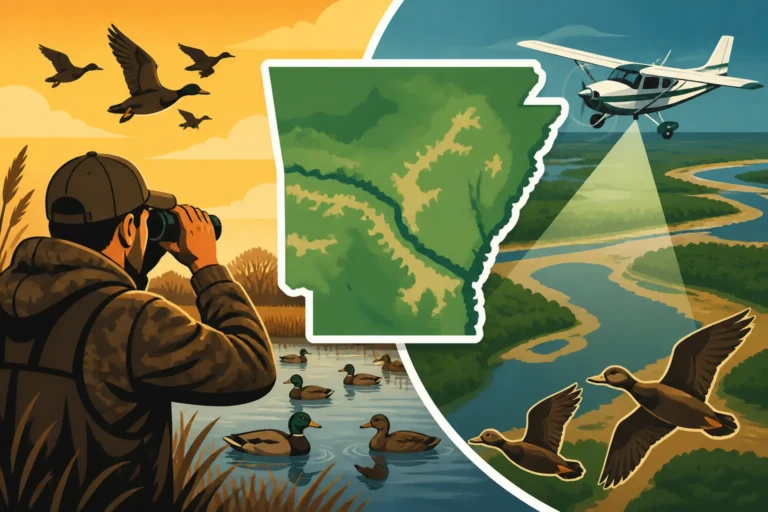
These public lands offer accessible hunting opportunities and play a crucial role in providing diverse habitats across the state. They demonstrate a long-standing commitment to waterfowl conservation, ensuring that future generations can experience the magic of an Arkansas duck hunt. For hunters, knowing the rules and regulations for these WMAs is essential, and the AGFC's efforts in managing these areas are a significant part of why so many Arkansas Waterfowl Seasons and Zones offer such incredible opportunities. The data gathered through programs like Arkansas Duck Counts and Aerial Surveys helps guide these management decisions, ensuring that resources are allocated effectively.
| Factor | Importance to Mallards | Key Arkansas Examples |
|---|---|---|
| Green Timber Habitat | Provides sheltered feeding (acorns) and roosting. | Bayou Meto, Rex Hancock Black Swamp WMA, White River Refuge |
| Flooded Agricultural Fields | High-energy waste grain (rice, soybeans) for sustained wintering. | Grand Prairie, Northeast Arkansas Delta |
| Natural Wetlands/Sloughs | Diverse food (invertebrates, aquatic plants), secure roosting. | Cache River NWR, numerous private backwaters |
| Mississippi Flyway | Strategic migratory funnel, channeling millions of birds south. | Entire Eastern Arkansas region |
| Water Management | Ensures consistent water levels for habitat and food access. | AGFC WMAs, private farm impoundments |
| Refuge Areas | Undisturbed rest and feeding, concentrating birds in region. | White River NWR, Holla Bend NWR, WMA sanctuary zones |
Disclaimer
This article is for general informational purposes only and does not constitute professional advice. Laws, prices and regulations vary by location and change over time. Consult a qualified professional for guidance on your specific situation.