Public Hunting Ground Near Jonesboro
Trying to find good public hunting land around a growing city like Jonesboro can feel like searching for a needle in a haystack, especially when you're staring at a map that just shows a sea of private property. Many hunters get discouraged, thinking all the quality spots are leased up or too far away. But don't throw in the towel just yet! This guide is here to walk you through some excellent public hunting opportunities within a reasonable drive of Jonesboro, offering insights into the diverse habitats and game you can pursue, and how to make the most of your time in the field.
The Unique Hunting Landscape Around Jonesboro
Jonesboro sits in a fascinating part of Arkansas, right on the edge of the Mississippi Alluvial Plain, often simply called the Delta, and the rising lands of Crowley's Ridge. This geographical blend creates a surprisingly diverse array of hunting opportunities, from classic bottomland hardwoods and flooded timber to more upland-style terrain. Understanding this mix is key to finding success.
Bridging the Delta and Crowley's Ridge
To the east and south of Jonesboro, you're firmly in the Delta, characterized by flat, rich agricultural lands crisscrossed by rivers and bayous. This is the heart of Arkansas's legendary duck hunting country, but it also holds significant populations of deer, turkeys, and small game in the remaining blocks of timber. Think vast rice fields, soybean stubble, and mature hardwoods that flood during the winter. It's a landscape sculpted by water and agriculture.
As you head west from Jonesboro, you'll encounter Crowley's Ridge, a narrow, elevated strip of land that rises abruptly from the flat Delta. This unique geological feature offers more varied topography, with rolling hills, mature oak-hickory forests, and sometimes even a pine component. While not as extensive as the Ozark or Ouachita mountains, it provides a different kind of hunting challenge and habitat, often appealing to deer and turkey hunters looking for a break from the flatlands. This transitional zone means that within an hour or two drive, you can shift from calling mallards in a green timber hole to still-hunting a hardwood ridge for deer.
Common Game Species in Northeast Arkansas
Given this diverse landscape, hunters near Jonesboro have a good selection of game animals to pursue.
- White-tailed Deer: Deer are abundant throughout the region. In the Delta, they thrive on rich agricultural crops, often growing large body sizes, and seek refuge in dense bottomland cover. On Crowley's Ridge, they adapt to the more rugged, timbered terrain. You'll find good numbers of both antlered bucks and does, though specific WMA regulations might dictate antler restrictions or harvest limits. Remember to check White-Tailed Deer Across Arkansas for broader population insights.
- Waterfowl (Ducks and Geese): This is arguably what Northeast Arkansas is most famous for. The Mississippi Flyway funnels millions of ducks and geese through the state each winter, with many stopping in the vast rice and soybean fields, and especially the flooded green timber. Mallards are king, but you'll also find gadwall, teal, wood ducks, and pintails, alongside specklebelly geese and snow geese. Public WMAs in the Delta are prime destinations, though competition can be high. Keep an eye on Arkansas Duck Season Dates for optimal planning.
- Wild Turkeys: While not as dense as in some other parts of the state, wild turkeys can be found in the larger timber blocks, particularly along river corridors and on Crowley's Ridge. They can be challenging to hunt on public land due to pressure and their wary nature, but successful hunts are absolutely possible with careful scouting and persistence.
- Small Game: Squirrels and rabbits are plentiful in the timbered areas and brushy margins of fields. Squirrel hunting, in particular, offers a fantastic way to enjoy the woods and scout for larger game during the early archery season or after the deer seasons close. Rabbits provide fast-paced action, especially with a good dog.
- Predators: Coyotes and bobcats are common, offering hunting opportunities that extend beyond traditional game seasons. Calling predators can be an exciting challenge and helps with local wildlife management.
Major Public Hunting Areas Accessible from Jonesboro
When you're based in Jonesboro and looking for public hunting opportunities, several excellent Wildlife Management Areas (WMAs) managed by the Arkansas Game and Fish Commission (AGFC) are within striking distance. These WMAs offer a mix of habitats and game species, each with its own character and set of rules.
Dave Donaldson Black River WMA: A Waterfowler's Paradise
Just a short drive northeast of Jonesboro, the Dave Donaldson Black River WMA is one of Arkansas's premier destinations, particularly for duck hunting. This expansive WMA encompasses tens of thousands of acres of flooded green timber, cypress sloughs, and agricultural fields. It's a true Delta experience.
During duck season, the sounds of mallard calls and shotgun blasts echo through the timber. Hunters often wade into the flooded woods, setting out decoys in natural openings or managed timber holes. Access can be challenging, requiring boats, ATVs, or long wades, but the rewards can be incredible. Beyond ducks, the WMA also holds good populations of deer and turkeys in its upland and non-flooded timber sections. Deer here often grow large due to the rich food sources. It's an intense, classic Arkansas hunting experience, and you'll want to review specific rules for Dave Donaldson Black River WMA before you go, as regulations on things like motors, access points, and blind setting are critical.
Rex Hancock Black Swamp WMA: Timber Hunting Challenges
Located southeast of Jonesboro, the Rex Hancock Black Swamp WMA offers another fantastic opportunity for public land hunting, especially for those seeking a pure bottomland timber experience. This WMA is characterized by its vast, mature hardwood forest, which often floods seasonally, creating prime habitat for wood ducks and mallards.
Hunting here can be physically demanding. Expect to wade through water, often deep, and navigate dense woods. It's less about field hunting and more about finding those hidden pockets of timber where ducks feel safe. Deer hunting is also popular, with good numbers of animals finding sanctuary in the remote sections of the swamp. Turkey populations are present but can be scattered. This WMA is perfect for the hunter who loves to get away from the crowds, even if it means working harder for it. Learn more about specific access and regulations for Rex Hancock Black Swamp WMA.
Henry Gray Hurricane Lake WMA: Diverse Opportunities
East of Jonesboro, Henry Gray Hurricane Lake WMA provides a blend of cypress-tupelo swamp, bottomland hardwoods, and some upland ridges. This diversity means it offers a broader range of hunting opportunities beyond just waterfowl. While known for its duck hunting when water conditions are right, it's also a solid choice for deer, turkeys, and small game.
The WMA features numerous sloughs, lakes, and areas that can flood, drawing in waterfowl. For deer and turkey hunters, the higher ground and mature timber offer excellent habitat. The key to Hurricane Lake is adaptability; scouting different habitat types based on water levels and recent game activity will be crucial. This WMA often has different access points and regulations depending on the specific area and season, so checking the AGFC website for Henry Gray Hurricane Lake WMA is always a good first step.
Regional Public Land Overview
To give you a better sense of the scale and primary focus of these WMAs near Jonesboro, here's a quick comparison:
| WMA Name | Distance from Jonesboro (Approx.) | Primary Game Species | Main Habitat Type | Key Considerations |
|---|---|---|---|---|
| Dave Donaldson Black River | 30-45 minutes NE | Ducks, Deer, Turkeys, Small Game | Flooded Green Timber, Fields | Premier duck hunting, challenging access, high pressure |
| Rex Hancock Black Swamp | 45-60 minutes SE | Ducks, Deer, Turkeys, Small Game | Mature Bottomland Hardwood Swamp | Remote, physically demanding, great for solitude |
| Henry Gray Hurricane Lake | 45-60 minutes E | Ducks, Deer, Turkeys, Small Game | Diverse (Swamp, Hardwoods, Uplands) | Versatile hunting, water level dependent |
Note: Distances are approximate driving times and can vary based on specific access points and road conditions.
Navigating and Preparing for Your Hunt
Successfully hunting public land near Jonesboro, especially in the Delta, requires more than just knowing where to go. It demands careful planning, diligent scouting, and a solid understanding of rules and conditions.
Utilizing Digital Mapping for Public Land
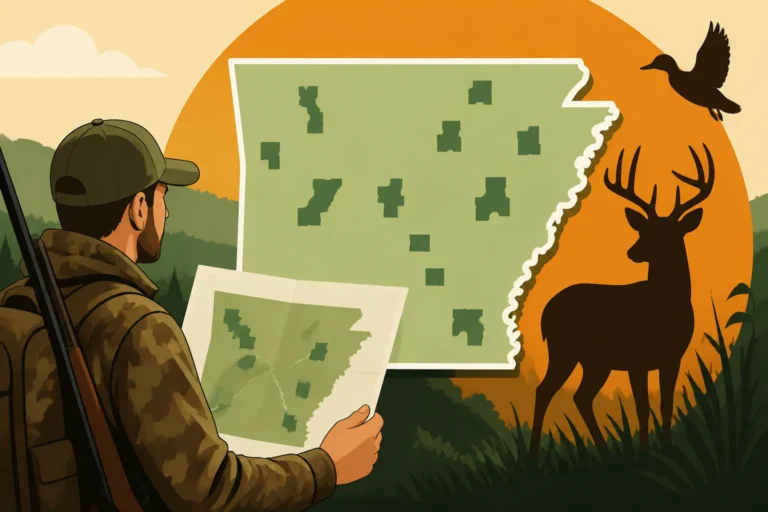
Gone are the days when a paper map was your only friend. Today, digital mapping applications are indispensable tools for any public land hunter. Tools like onX Hunt and GoHunt allow you to overlay property boundaries, WMA lines, topographic features, aerial imagery, and even historic satellite photos right on your phone or GPS device.
Before you even set foot in the woods, you can use these apps to:
- Identify Access Points: Pinpoint parking areas, boat ramps, and legal entry points.
- Scout from Afar: Look for subtle terrain features like old creek beds, ditches, timber changes, or isolated pockets of cover that might hold game. For waterfowl, identify potential green timber holes, flooded openings, or levee systems within agricultural fields.
- Mark Key Locations: Drop pins for potential stand sites, bedding areas, travel corridors, or areas of past game sign. You can even mark the location of a recovered animal to understand patterns.
- Understand Boundaries: Crucially, these apps clearly show private property lines adjacent to public land, helping you avoid accidental trespassing, which is vital in a patchwork landscape like the Delta. While the AGFC's own map tool is excellent, having a backup like onX Hunt on your phone, downloaded for offline use, can save you a headache when cell service inevitably drops. This kind of detailed information gives you a significant edge, especially on large, complex WMAs.
Understanding WMA Rules and Permits
Every Arkansas WMA has specific regulations that often differ from statewide hunting laws. These rules are put in place to manage game populations, control hunter pressure, and ensure safety. It's your responsibility to know and abide by them.
Key things to look out for in the specific WMA regulations include:
- Permit Requirements: Some WMAs, especially popular waterfowl spots, require a WMA permit or even participation in a draw hunt for certain seasons. Don't assume your general hunting license is enough. Always check for Arkansas WMA Permits and Draw Hunts.
- Season Dates and Bag Limits: WMA seasons often differ from statewide seasons. A WMA might open later, close earlier, or have different bag limits for deer or turkeys.
- Legal Weapons: Restrictions on firearms (e.g., shotguns only, specific caliber limits) might apply.
- Vehicle and ATV Use: Many WMAs have designated roads for vehicles and restrictions on ATV use, particularly during wet conditions.
- Stand and Blind Rules: Regulations on whether you can leave stands overnight, the type of blinds allowed, or how they must be marked are common.
- Baiting Rules: Baiting is generally prohibited on public land in Arkansas, and some areas have specific rules related to Chronic Wasting Disease (CWD) that impact feeding or baiting even on adjacent private land.
- Water Level Management: For duck hunting WMAs, understanding how water levels are managed and if specific areas are flooded or drained is paramount.
You can find all WMA regulations on the AGFC website. Don't just skim them; read them thoroughly. A small oversight can lead to a big fine or even loss of hunting privileges.
Scouting and Pressure Considerations
Public land, by its nature, attracts hunters. Near a population center like Jonesboro, you can expect some pressure, especially on opening weekends or prime duck days. However, this doesn't mean you can't find success. It simply means you need to be smarter and often willing to work harder than the average hunter.
- Pre-Season Scouting: This is absolutely critical. Long before opening day, hit the woods. Look for deer sign (tracks, rubs, scrapes, browse lines), turkey scratchings and roosting areas, and potential waterfowl resting or feeding locations. The more you know about game movement patterns before the pressure starts, the better. Consider Scouting Arkansas Public Land Before Season.
- Go Deeper: Most hunters don't venture far from easy access points. If you're willing to walk an extra half-mile, paddle further, or tackle rougher terrain, you significantly increase your chances of finding unpressured game. Use your mapping apps to identify areas that look difficult to reach. This can be your secret weapon, as highlighted in Finding Ground Others Walk Past.
- Hunt Mid-Week: If your schedule allows, hunting on Tuesday, Wednesday, or Thursday can often mean fewer people and more relaxed animals compared to the weekend rush.
- Observe and Adapt: Pay attention to how other hunters are using the WMA. If everyone is hunting a certain type of cover or access point, consider trying something different. Game animals quickly learn to avoid areas with high human activity.
- Learn to Read Water: For duck hunting, water levels are everything. Knowing how different rainfall amounts affect access and where the birds will prefer to feed or rest is invaluable. This takes time in the field and careful observation.
By combining thorough research of WMA rules, smart use of modern mapping tools, and a commitment to scouting and adapting to conditions, you can absolutely find rewarding public land hunting opportunities near Jonesboro. It might take a bit more effort than a private lease, but the satisfaction of success on public ground is truly unmatched.
Disclaimer
This article is for general informational purposes only and does not constitute professional advice. Laws, prices and regulations vary by location and change over time. Consult a qualified professional for guidance on your specific situation.