Tipping an Arkansas Duck Guide
You've just wrapped up a fantastic morning hunt in the timber or a rice field, the dogs are panting happily, and the air is filled with the satisfying scent of gunpowder and cypress. As you gather your gear and admire the ducks laid out, a common question often surfaces: "What's the right way to thank my guide?" Tipping an Arkansas duck guide can sometimes feel a bit like navigating a new river channel—you know the general direction, but the exact path might be unclear. This guide is here to demystify the process, ensuring your generosity is well-received and appropriately reflects the hard work and dedication that made your hunt memorable.
Understanding the Arkansas Duck Guide's Role and Effort
When you book a guided duck hunt in Arkansas, especially in places like the famed Stuttgart area or across the Delta, you're not just paying for access to prime hunting ground. You're investing in an experience curated by professionals who often live and breathe duck hunting. Understanding the sheer amount of work that goes into your hunt, long before you even step foot in the blind, is crucial to appreciating their value and, consequently, how you approach tipping.
The Unseen Work Before Dawn
Imagine waking up while most people are still deep in slumber, maybe around 2 or 3 AM. That's often when your guide's day begins. They're not just rolling out of bed; they're probably already checking weather forecasts, scouting new areas if needed, prepping boats, charging batteries, filling thermos, and making sure all the dozens of little things are in place. This includes setting out decoys, sometimes hundreds of them, in freezing water or mucky fields, often by headlamp. They're assessing wind direction, water levels, and bird movement, all to position you in the absolute best spot for that morning's flight. It's a tremendous amount of physical labor and strategic planning that happens long before you've even had your first cup of coffee.
Then there's the journey to the blind itself. Whether it’s navigating a maze of flooded timber in the dark or making a bumpy trek across a field in an ATV, your guide is responsible for getting you there safely and efficiently. They know the channels, the submerged stumps, the tricky spots that could strand an inexperienced hunter. This early morning ritual, repeated day after day throughout the season, is a testament to their dedication to putting you on birds. They’re essentially orchestrating an entire operation in the dark, and they make it look easy when it's anything but.
Hard Labor and High Expectations in the Blind
Once you're settled in the blind, the guide's work hardly stops. They're constantly watching the sky, identifying species, calling ducks, adjusting decoys if a strong wind shifts, and giving precise instructions on when to shoot and when to hold. A good caller can turn a flock of high-flying ducks into cupped-up mallards practically landing in your lap, and that skill comes from years of practice and intimate knowledge of duck behavior in different conditions. This isn't just a casual hobby for them; it's a finely honed craft.
Beyond calling, they're managing the flow of the hunt. They help load guns, pass shells, keep you informed of what's happening, and maintain a safe hunting environment. They are often the ones breaking ice, fetching downed birds, and making split-second decisions that can make or break the hunt. Think about the energy and focus required to keep a group of hunters engaged, safe, and successful, often for several hours in cold, wet conditions. It’s demanding work that requires constant attention, and they do it because they love it, and they want you to love it too.
Beyond the Shotgun: Dog Handling and Bird Care
Many Arkansas duck hunts involve well-trained retriever dogs, and these canine companions are often the guide's own prized possessions. The guide invests countless hours, not to mention financial resources, into training, feeding, and caring for these dogs year-round. A good retriever makes the hunt smoother, more ethical by ensuring all downed birds are recovered, and frankly, more enjoyable. The guide is not just handling the hunt; they're also directing a highly trained animal, which adds another layer of skill and responsibility.
After the hunt, the guide's duties often extend to cleaning and packaging your birds, making sure they're ready for transport. This isn't always part of the base fee but is often offered as a courtesy, saving you significant time and effort. They might also assist with packing up the blind, retrieving all decoys, and ensuring the hunting area is left pristine. Bird Cleaning Included in the Price is something to clarify when booking, but even if it is, the guide's efforts are considerable. They don't just guide; they are gamekeepers, dog trainers, chefs, and sometimes even therapists after a tough morning.
How Much to Tip an Arkansas Duck Guide
Now that we've really laid out the full scope of a duck guide's job, it becomes clearer why tipping is such an integral part of the Arkansas duck hunting culture. It's how hunters acknowledge the immense effort, skill, and hospitality provided. But how much is appropriate?
The Standard Percentage Guideline
Generally, a good starting point for tipping an Arkansas duck guide is similar to what you might tip in other service industries: 15-20% of the total hunt cost per day, per hunter. So, if your guided hunt costs a certain amount per day, you'd calculate 15-20% of that figure. This percentage is a widely accepted standard that respects the guide's hard work and expertise.
It's important to clarify what "hunt cost" means in this context. If you've booked an all-inclusive package that covers lodging, meals, and the hunt itself, you might consider tipping on the hunting portion of the cost. However, many hunters just calculate it on the total daily rate they pay for the guiding service. When you are looking at different options on platforms like BookYourHunt or GoHunt, try to get a clear breakdown of the daily guiding fee. This information helps you set your expectations and budget for the tip. For example, if a day hunt costs $500, a 15-20% tip would be $75-$100. This is a common practice and helps the guide feel valued for their efforts, especially when you consider that a significant portion of their income often comes from tips.
Factors That Influence Your Tip Amount
While the 15-20% guideline is a solid baseline, several factors can and should influence whether you tip more or less within that range, or even go above it.
- Effort Level: Did the guide go above and beyond? Did they work tirelessly to get you on birds despite challenging conditions, constantly moving, calling, and adjusting? If they were truly busting their tail, even if the ducks weren't cooperating, that effort deserves recognition.
- Success of the Hunt: While not the sole factor, a successful hunt where you got plenty of shooting opportunities and bagged birds is naturally a positive indicator. If you had a phenomenal day, mirroring your expectations for Hunting Arkansas Flooded Green Timber or a rice field hunt, a higher tip is certainly warranted. However, remember that guides cannot control the ducks or the weather. A less successful day doesn't necessarily mean a less deserving guide if they put in maximum effort.
- Guide's Personality and Professionalism: Was the guide friendly, engaging, knowledgeable, and safe? Did they answer your questions, share local insights, and make the overall experience enjoyable? Professionalism, good humor, and a welcoming attitude are huge aspects of a great guided hunt.
- Additional Services: Did the guide clean your birds, retrieve a duck from a particularly nasty thicket, or offer extra help with gear? These little extras add up and contribute to a smooth experience.
- The Number of Hunters: On a group hunt, the guide's attention is divided. If you were part of a smaller group or had a more personalized experience, you might feel inclined to tip more generously. Conversely, if there were many hunters, the guide's per-person tip might still add up well.
Tipping Lodge Staff and Dog Handlers Separately
It's crucial to remember that a successful hunt isn't solely dependent on the guide in the blind. Many larger operations or lodges employ a team of dedicated individuals who contribute to your overall experience. This includes cooks, cleaning staff, kennel staff, and separate dog handlers.
- Lodge Staff: If you're staying at a lodge, it's customary to tip the lodge staff who cook your meals, clean your room, and ensure your comfort. A common practice is a communal tip jar for the lodge staff, or you can leave individual envelopes. A general guideline is $20-$50 per hunter per day for lodge staff, but this can vary based on the level of service and the luxury of the accommodations.
- Dog Handlers: In some cases, especially on larger hunts, a dedicated dog handler might be part of the team, separate from the main guide. If this is the case, they should be tipped directly for their work with the retrievers. Their role is vital in ensuring every duck is found and brought back. A good starting point for a dedicated dog handler might be $25-$50 per day. My post on Tipping Dog Handlers and Lodge Staff goes into more detail about these specific roles. These unsung heroes often work just as hard, ensuring everything runs smoothly behind the scenes.
Here's a quick reference table for tipping guidelines:
| Service Provider | Standard Tipping Guideline | Notes |
|---|---|---|
| Duck Guide | 15-20% of the daily hunt cost (per hunter) | Adjust based on effort, hunt success, professionalism, and extra services. |
| Lodge Staff (Cooks, Cleaners) | $20-$50 per hunter per day | Often a communal jar or individual envelopes. Reflects overall hospitality and comfort. |
| Dedicated Dog Handler | $25-$50 per day (if separate from guide) | For the care, training, and effective work of the retrievers during the hunt. |
| Bird Cleaner/Processor | $1-$2 per duck or 10-15% of cleaning fee | If cleaning is an extra service and not explicitly included in the guide's tip, or if they're a separate person. |
When and How to Deliver Your Tip
Knowing how much to tip is one thing, but knowing when and how to present it is another aspect of proper hunting etiquette. You want your gesture of gratitude to be received gracefully, not awkwardly.
Timing Your Gesture of Gratitude
The best time to offer your tip to your duck guide is typically at the end of the final hunt day, after all the gear has been put away, the birds are cleaned (if applicable), and goodbyes are being exchanged. This allows you to assess the full scope of their performance over the entire trip.
Avoid tipping at the beginning of the hunt, as it can feel like a bribe rather than a thank you for services rendered. Also, try to avoid tipping right in the middle of a busy morning, as it can disrupt the flow and feel out of place. A quiet moment when you're settling up, perhaps as you're packing your vehicle or at the lodge checkout, is ideal. If you're on a multi-day trip, it's often best to tip your guide at the end of the entire trip, rather than daily, unless you have different guides each day.
Cash is King: The Preferred Method
Without a doubt, cash is the universally preferred method for tipping hunting guides. There are several reasons for this:
- Immediacy: Guides appreciate getting their tips directly and immediately.
- Tax Implications: Cash tips are often easier for guides to manage their finances.
- Convenience: Many guides don't have portable card readers, and asking them to process a card for a tip can be an inconvenience.
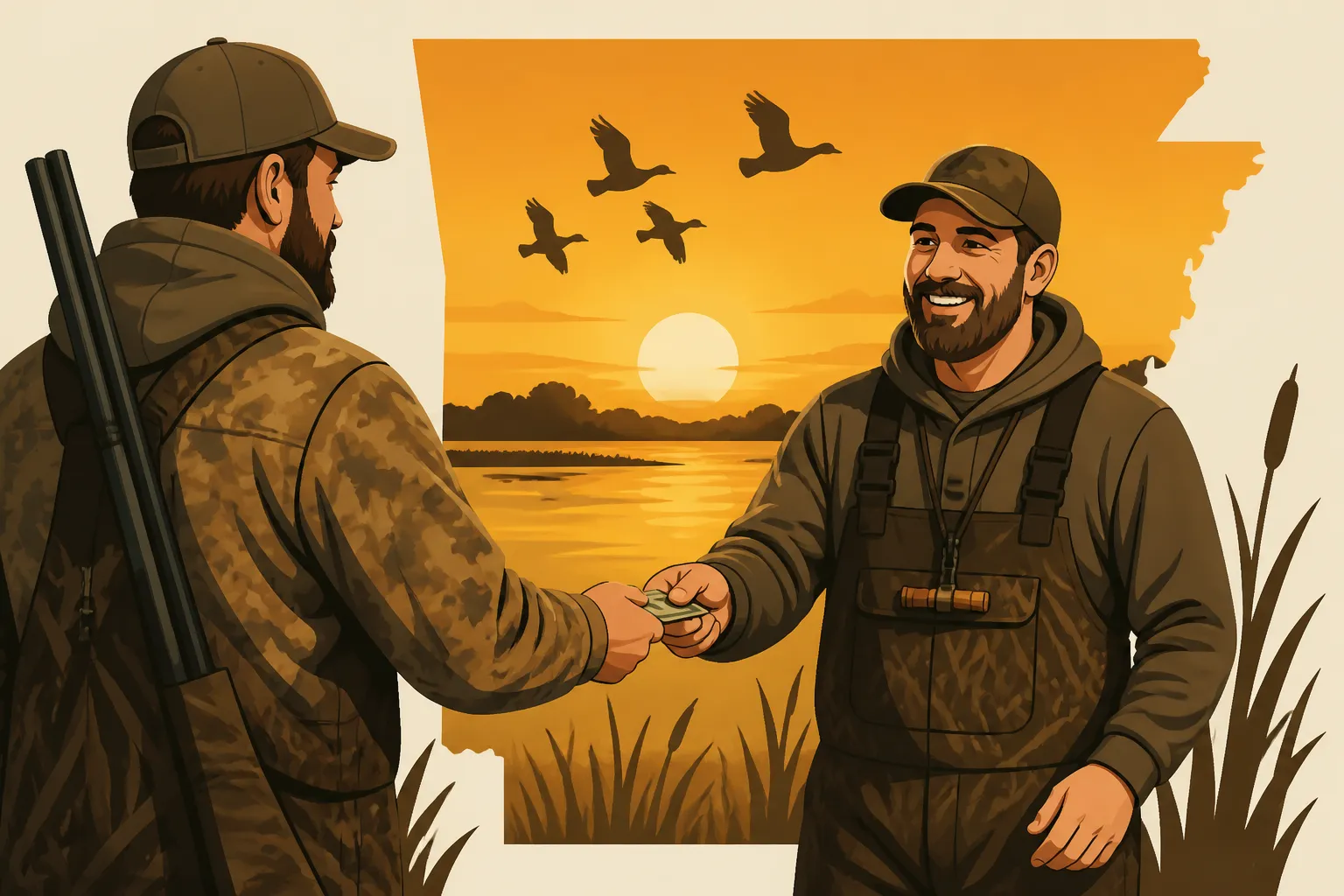
- Privacy: Handing a guide a folded envelope with cash is discreet and respectful, avoiding awkward public transactions.
Before your trip, make sure to visit an ATM and have enough cash on hand for your tips. It’s better to have too much than too little. Some hunters even put the cash in a small, sealed envelope to hand directly to the guide, perhaps with a brief, handwritten thank-you note. This adds a personal touch that is often appreciated.
Tipping Protocols on Multi-Day Hunts
If you're embarking on a multi-day duck hunting adventure, which is common in Arkansas, the tipping etiquette remains largely the same but with a few nuances. If you have the same guide for the entirety of your trip, you should plan to give your tip at the very end of the final hunt. This allows you to evaluate their consistent performance and effort over multiple days.
However, if your outfitter rotates guides, and you have a different guide each day, it's customary to tip each guide individually at the end of their particular day of guiding. This ensures that each person who directly contributed to your daily experience is acknowledged. It's always a good idea to clarify the guide rotation schedule with your outfitter when booking, so you can plan your tipping strategy accordingly. When researching or booking, especially through services like GoHunt or platforms like Booking an Arkansas Duck Hunt, always ask about how tips are typically handled for multi-day trips and multiple guides.
Common Tipping Scenarios and Etiquette
Hunting isn't always predictable. Sometimes the ducks cooperate, sometimes they don't. How you handle your tip in various situations speaks volumes about your character as a hunter and guest.
When the Birds Aren't Flying
This is perhaps the most debated scenario in tipping: What if the hunting was slow, or we didn't get many birds? This is where understanding the guide's effort becomes paramount. A good guide can't magically make birds appear, especially on days with bluebird skies, high pressure, or when migration patterns are off. However, a good guide will work tirelessly to try and find birds, call aggressively, make adjustments, and keep spirits high.
If your guide put in maximum effort—they were out early, calling hard, repositioning decoys, moving the boat or blind to new spots, and maintaining a positive attitude despite the lack of birds—they still deserve a good tip. It might be on the lower end of the 15-20% scale, but a tip should still be given. Their income relies heavily on these gratuities, and penalizing them for factors beyond their control isn't fair. Think of it as tipping for the experience and effort, not solely the harvest. Of course, if the guide was genuinely disengaged, unprofessional, or showed a lack of effort, that's a different story, but those instances are rare with reputable Arkansas outfitters. Hunting the Arkansas Rut by Zone or Modern Gun Tactics on Arkansas Public Land might be different scenarios, but for duck hunting, effort truly counts more than outcome when it comes to tipping.
Group Hunts and Shared Responsibilities
On a group hunt, the responsibility for tipping is usually shared among all participants. Each hunter should contribute their individual share of the tip. For instance, if there are four hunters and the daily hunt cost is $2,000 ($500 per hunter), and you decide on a 15% tip, that's $75 per hunter. It's common for one person in the group to collect the tips from everyone and present the total amount to the guide. This streamlines the process and avoids multiple, awkward exchanges.
Before the hunt, it's a good idea for the group leader or organizer to discuss tipping expectations with everyone, so there are no surprises or last-minute scrambling for cash. This ensures fairness and that the guide receives an appropriate tip without any hassle. Consider the Guide-to-Hunter Ratios in a Blind when thinking about the shared load and experience.
Red Flags and Withholding a Tip (Rare Circumstances)
While it's rare to completely withhold a tip for an Arkansas duck guide, there are extreme circumstances where it might be justified. These are usually related to safety, blatant unprofessionalism, or illegal activities.
- Safety Violations: If a guide jeopardizes your safety, handles firearms unsafely, or takes unnecessary risks, that is a serious concern. Safety should always be the top priority.
- Blatant Unprofessionalism: This goes beyond a grumpy morning. We're talking about a guide who is disrespectful, rude, excessively drunk or impaired, or simply negligent in their duties.
- Illegal Activities: Any suggestion or participation in illegal hunting practices, such as shooting before legal hours, exceeding bag limits, or hunting protected species, is unacceptable. Not only should you not tip, but you should also report such behavior to the appropriate authorities. Arkansas Hunter Education and Safety Rules are very clear on these matters.
In these very rare and serious cases, you might choose to significantly reduce or entirely withhold a tip. However, it's important to differentiate between a truly egregious situation and just a "slow day" where the guide tried their best. If you find yourself in such a situation, calmly and respectfully address your concerns with the outfitter or lodge management. Remember, a tip is a gratuity, a reward for excellent service, not an entitlement when service is subpar or unsafe. But truly, most Arkansas duck guides are passionate, hardworking professionals who live for putting hunters on birds, and they deserve your recognition.
Disclaimer
This article is for general informational purposes only and does not constitute professional advice. Laws, prices and regulations vary by location and change over time. Consult a qualified professional for guidance on your specific situation.