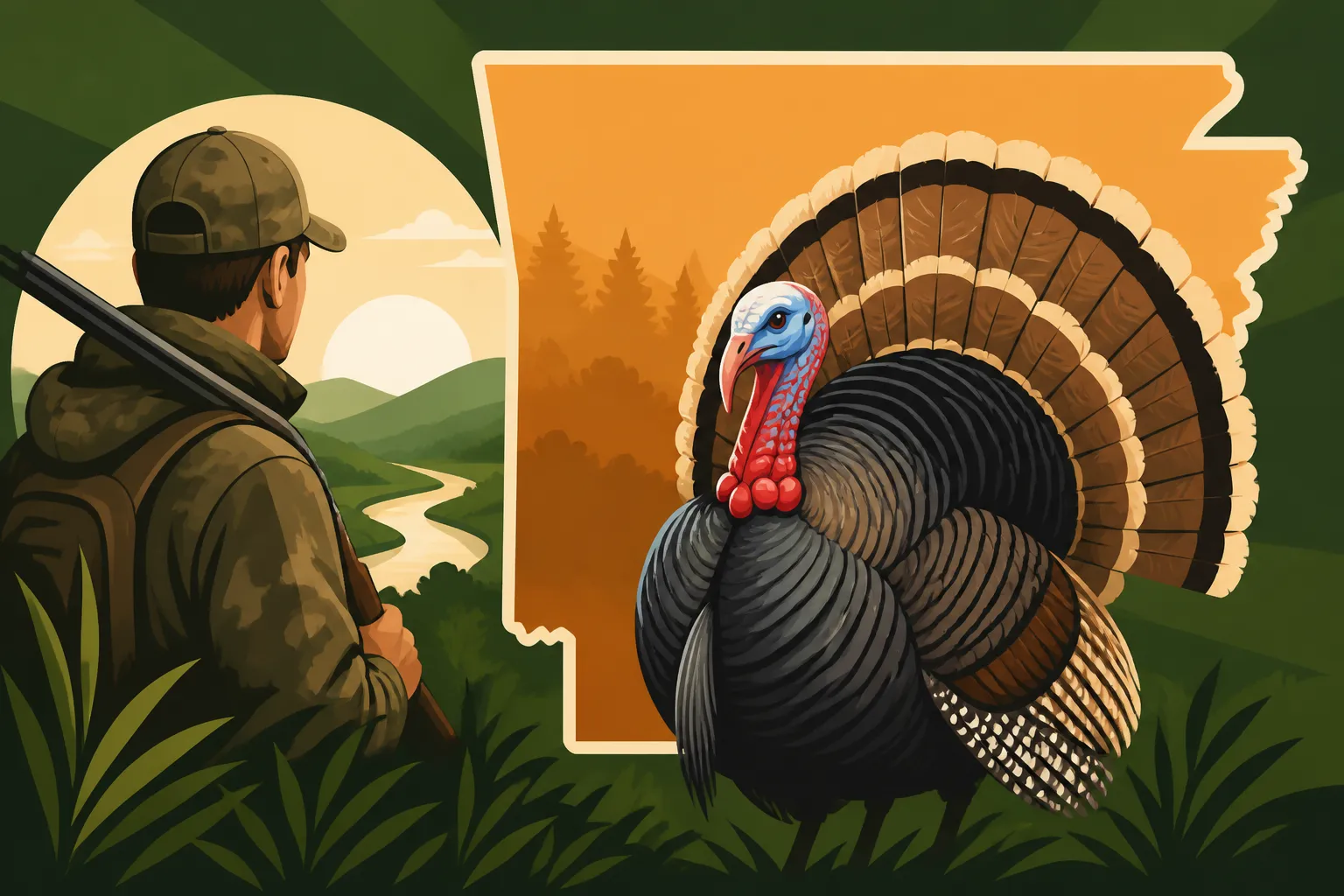
Arkansas Specklebelly Guide Rates
Planning a trip to chase specklebellies in Arkansas is an exciting prospect, but the moment you start looking into guided hunts, a big question often pops up: "What's this actually going to cost me?" It's not always a straightforward answer, and the sticker shock can sometimes be real. This guide is here to help you understand the various factors that influence specklebelly guide rates, what you can expect for your money, and how to make an informed decision when booking your Arkansas goose hunting adventure.
Understanding What Influences Arkansas Specklebelly Guide Rates
When you're diving into the world of guided specklebelly hunts in Arkansas, you'll quickly realize that rates aren't one-size-fits-all. There's a whole host of variables that contribute to the final price tag, and understanding these can help you better budget and choose the right experience for your group. It’s not just about the hunt itself; it’s about the entire package and the expertise you're paying for.
Location and Guide Reputation
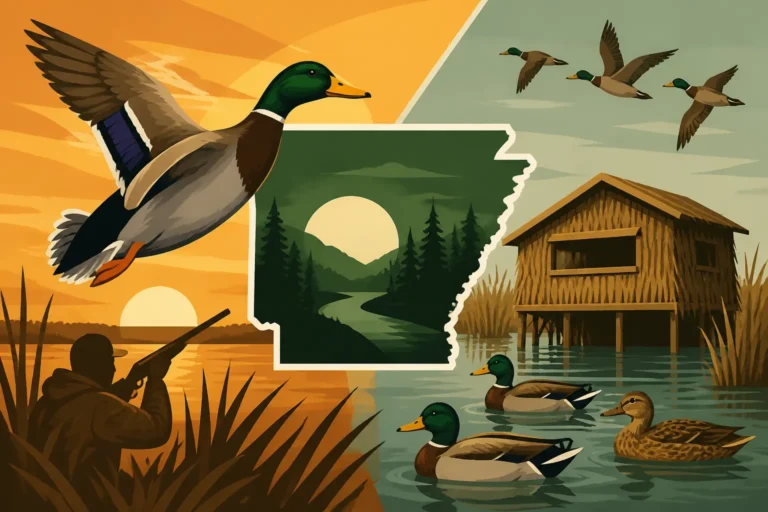
Just like real estate, location is a huge driver of cost in the guiding world. Certain areas of Arkansas are simply legendary for their waterfowl hunting, and guides operating in those hotspots often command higher prices. The Grand Prairie region, particularly around Stuttgart, is synonymous with incredible duck and goose hunting, and guides there often have prime leases on highly productive ground. These areas are known for attracting immense numbers of specklebellies during the migration. A guide with a long-standing reputation for consistently putting hunters on birds, especially in a region renowned for its Speck and Goose Hunting in the Delta, will naturally have higher rates. You're paying for their years of experience, their intimate knowledge of bird patterns, and their established access to top-tier hunting properties.
It’s not just about being in a famous town, though. A guide who has meticulously scouted fields, invested in top-of-the-line gear, and built a solid network of landowners will be more expensive. They’ve done the legwork, spent countless hours watching flights, and understand the subtle nuances of Specklebelly Hunting in Arkansas Fields. This level of dedication translates directly into a higher probability of success, and that success comes at a premium. Don't be surprised if a highly recommended outfitter with a proven track record in a prime location charges more than a newer operation or one in a less-pressured area.
Season Timing and Availability
The time of year you plan your hunt can significantly impact the cost. Arkansas has specific Arkansas Waterfowl Seasons and Zones, and certain periods within those seasons are considered "prime time" for specklebellies. Generally, the heart of winter, when the migration is in full swing and cold fronts are consistently pushing new birds south, tends to be the most sought-after and thus the most expensive. This usually includes late November, December, and early January. During these peak weeks, demand for guides is at its highest, and available spots fill up quickly.
Conversely, hunting earlier in the season, say during the first split in late October or early November, or later in January after the holiday rush, might offer slightly lower rates. However, keep in mind that "slightly lower" doesn't mean cheap. The quality of hunting can still be fantastic, but perhaps the sheer numbers of birds aren't at their absolute zenith, or the weather patterns are less consistent. If you have some flexibility in your schedule, asking about off-peak rates can sometimes save you a bit, but always weigh that against the potential for fewer birds or less predictable hunting conditions. Popular dates like opening weekend or dates around major holidays will almost always be priced at the top end of the scale.
Package Inclusions and Group Size
What's actually included in the price? This is a crucial question and a major rate differentiator. Some guides offer a bare-bones day hunt, where you meet them at a designated spot, hunt, and then leave. Others provide comprehensive, all-inclusive packages that cover lodging, meals, bird cleaning, and even transportation to and from the field. Naturally, the more services bundled into the price, the higher the overall rate will be.
Most guides structure their rates per person, often with a minimum group size. If you're hunting solo or with a very small group, you might pay a higher per-person rate, or be required to pay for the minimum number of hunters to secure a private blind. Larger groups can sometimes negotiate a slightly better per-person rate, or simply spread the cost across more individuals, making it more affordable for everyone. It's always a good idea to clarify the exact group size requirements and whether the price changes based on how many people are in your party. When you see rates advertised, pay close attention to whether it’s for a half-day, full-day, or multi-day experience, and what services are specifically itemized.
Typical Services Included in an Arkansas Specklebelly Hunt
So, you're looking at various guide services and their rates, and you're wondering, "What am I actually getting for this money?" It's a fair question! While every guide and outfitter will have their own unique offerings, there are some common services you can generally expect when booking an Arkansas specklebelly hunt. Understanding these inclusions helps you compare apples to apples and avoid surprises.
The Guided Hunt Experience
At the core of any guided hunt is, well, the hunt itself. This typically means the guide provides access to prime hunting ground, often leased private fields where specklebellies are actively feeding. They'll have done their scouting, observed flight patterns, and identified the best spots. On the day of the hunt, your guide will lead you to a prepared blind – whether it's a permanent pit blind, layout blinds in a stubble field, or a portable A-frame blind brushed into a levee. They'll have a realistic decoy spread already deployed, meticulously placed to attract wary geese.
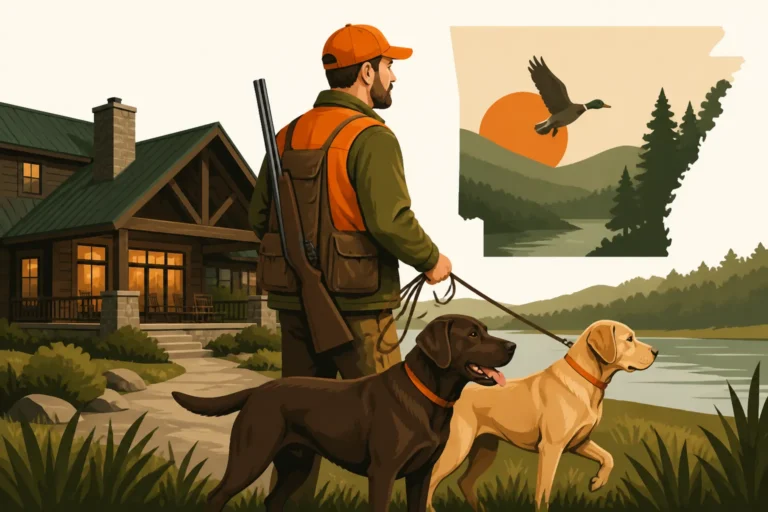
Perhaps most importantly, you're paying for the guide's expertise in calling. Specklebellies are sharp birds, and a skilled caller can make all the difference in luring them within shooting range. Many guides also bring their own trained retrievers, adding to the experience by efficiently picking up downed birds and saving you the effort. This isn't just a convenience; it's a significant part of conserving birds and often a joy to watch. You're benefiting from years of accumulated knowledge on goose behavior, local weather patterns, and optimal setup strategies that you simply couldn't replicate on your own in a short visit.
Bird Cleaning and Packaging
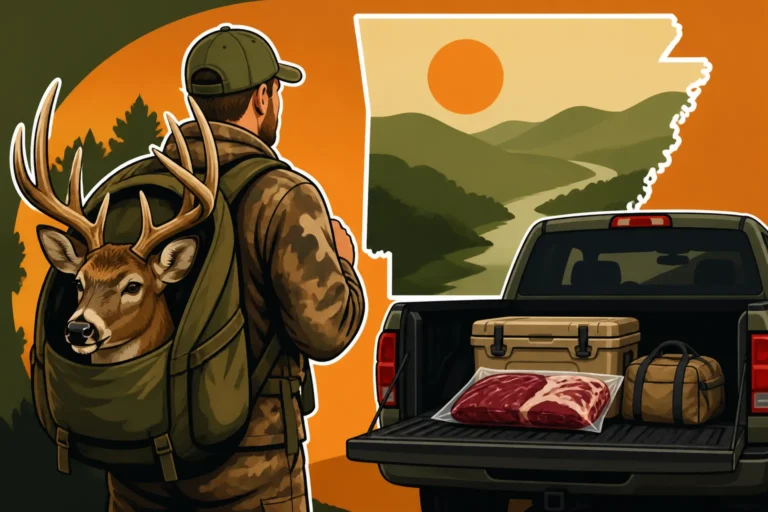
After a successful hunt, one of the less glamorous but very necessary tasks is processing your birds. Many Arkansas specklebelly guides offer bird cleaning as part of their service, or as an optional add-on for an additional fee. This can be a huge convenience, especially after a cold morning hunt when all you want is to warm up and relax. Typically, "cleaning" means breasting out the geese and placing the breasts in plastic bags, ready for transport. Some may even provide ice or access to a cooler.
It's absolutely essential to clarify this detail when booking. Does the guide clean the birds? Is it included in the rate, or is there an extra charge per bird or per cooler? If you're planning to fly home with your harvest, knowing these details, and what kind of packaging is provided, is critical for compliance with airline regulations and ensuring your meat stays fresh. For those looking to take their ducks and geese home, understanding rules around Getting Ducks Home From Arkansas is vital.
Lodging and Meals
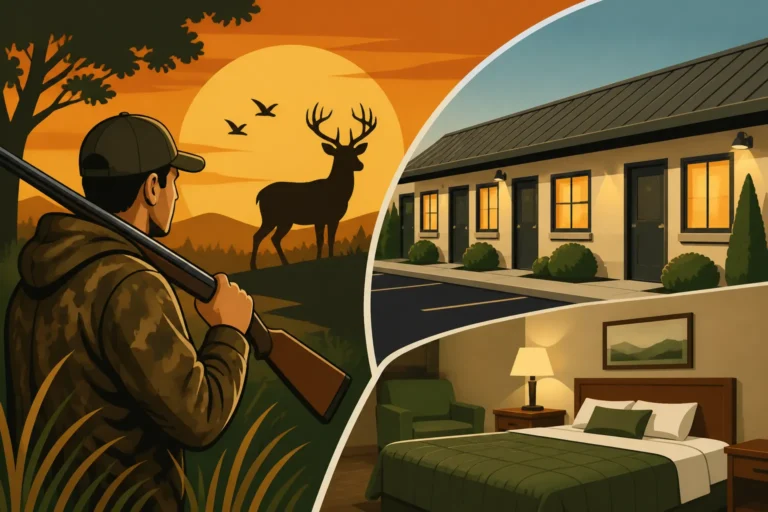
This is where guided hunt packages can vary wildly. Some outfitters operate as "day hunts" only, meaning their rate covers just the hunting experience, and you're responsible for your own accommodations and food. Others, especially those with dedicated lodges, offer all-inclusive or semi-inclusive packages.
- All-Inclusive: These packages often cover not just the hunt, but also comfortable lodging at a lodge or guesthouse, and delicious home-cooked meals (breakfast, lunch, and dinner). This creates a truly immersive experience, taking all the planning out of your hands, leaving you to focus solely on the hunting and camaraderie.
- Semi-Inclusive: Some might include lodging but not meals, or offer breakfast and lunch but leave dinner open for you to explore local eateries.
- Day Hunts Only: If you opt for a day hunt, you'll need to arrange your own lodging in a nearby town and scout out restaurants or prepare your own food.
Make sure to inquire specifically about lodging and meal arrangements. If they're not included, budget for these additional costs. A good outfitter will clearly outline what's provided, so you can make an informed choice that fits your preferences and budget.
How to Evaluate and Book an Arkansas Specklebelly Guide
Choosing the right specklebelly guide in Arkansas is about more than just finding the lowest price. It's about finding an outfitter that matches your expectations for the hunt, provides clear communication, and offers a safe, enjoyable, and successful experience. Doing your homework upfront can save you a lot of headache and disappointment down the road.
Researching Outfitters and Asking Key Questions
Start your research well in advance. Many reputable outfitters book up months, even a year, ahead of time, especially for prime dates. Online search is a great starting point, but don't stop there. Look for guides who specialize in Specklebelly Hunting in Arkansas Fields or Speck and Goose Hunting in the Delta. Websites like BookYourHunt can be invaluable resources, allowing you to browse various Arkansas outfitters, see their offerings, and read reviews from past clients. Similarly, platforms like GoHunt can provide insights into reputable operations and help you connect with guides directly.
Once you have a few potential guides in mind, don't hesitate to reach out with a list of questions. This is crucial for setting expectations. Here are some essential questions to ask:
- What is the exact per-person rate, and what does it explicitly include? (e.g., hunt, lodging, meals, bird cleaning, transportation).
- What is the typical group size for a hunt, and is there a minimum number of hunters required for a private party?
- What are your typical success rates for specklebellies? (Be realistic; hunting is never guaranteed).
- What kind of blinds are used? (Pit blinds, A-frames, layout blinds – this impacts comfort and mobility).
- What is your cancellation policy? (Especially important if unexpected events come up).
- What gear and clothing should I bring? (Waterfowl hunting often requires specialized foul-weather gear).
- Do you allow clients to bring their own dogs? (If this is important to you).
- Can you provide references from past clients? (A good guide will happily connect you with satisfied customers).
Being thorough with your questions will ensure there are no surprises and that you're comfortable with your choice. Don't forget to inquire about the Arkansas Specklebelly Daily Bag Limit so you know what to expect in terms of harvest.
Understanding Contracts, Deposits, and Cancellation Policies
Before you send any money, always ensure you have a clear understanding of the guide's contract and policies. A reputable outfitter will provide a written agreement that outlines the dates, services included, total cost, payment schedule, and cancellation terms. Read this document carefully.
Deposits: Most guides require a non-refundable deposit to secure your hunting dates. This is standard practice, as it protects the guide from last-minute cancellations that leave them with empty spots they could have filled. Understand how much is required upfront and when the final balance is due.
Cancellation Policies: Life happens. People get sick, travel plans change, or unforeseen circumstances arise. Understand what happens if you need to cancel or reschedule.
- Is the deposit completely forfeited?
- Is there an option to reschedule for a future date?
- What if the guide has to cancel due to unforeseen circumstances (e.g., weather, lack of birds, illness)? Will you receive a full refund or a credit?
These details are vital. Sometimes, purchasing hunt insurance can be a smart investment, especially for high-value trips, to protect your financial commitment in case of an unavoidable cancellation. Don't be afraid to ask Questions to Ask an Arkansas Outfitter about all these elements.
Beyond the Daily Rate: Hidden Costs and Considerations
It’s easy to focus solely on the per-person rate advertised by an outfitter, but smart hunters know that a guided trip involves more than just that number. There are several additional costs and considerations that, if overlooked, can quickly add up and impact your overall budget. Thinking through these "hidden" expenses beforehand will ensure you have a more realistic picture of your investment.
Licenses, Stamps, and Permits
This is perhaps the most significant additional cost and one that is absolutely non-negotiable. To legally hunt specklebellies in Arkansas, you'll need the proper state hunting license, a state waterfowl stamp, and a federal duck stamp. You'll also need to be registered with the Harvest Information Program (HIP).
- Arkansas Hunting License: This is your base license. Non-residents will typically pay more than residents, and there might be options for short-term licenses (e.g., 3-day or 5-day) versus annual licenses. You'll need to understand Arkansas Hunting Licenses and What They Cost.
- Arkansas Waterfowl Stamp: A specific state stamp is required for hunting ducks and geese. Check the current cost, as this changes periodically. Learn more about Arkansas Waterfowl Stamp Requirements.
- Federal Duck Stamp: This is a federal requirement for all waterfowl hunters across the US. Arkansas Federal Duck Stamp Rules apply here as well.
- HIP Registration: This is a free registration, but mandatory for migratory bird hunters. Understand Arkansas HIP Registration for Migratory Birds.
These costs are always in addition to your guide fee. Make sure to purchase all necessary licenses and stamps before your hunt, as you don't want to be scrambling on opening morning. Most can be purchased online through the Arkansas Game and Fish Commission website.
Gear, Ammunition, and Travel Expenses
While a guide provides the essential hunting setup, you're still responsible for your personal gear. This includes appropriate layered clothing for varying Arkansas weather, waterproof boots (often waders are a must for waterfowling), gloves, a hat, and eye/ear protection. If you don't already own these items, factor in their purchase cost.
Ammunition is another crucial expense. For waterfowl, you are legally required to use nontoxic shot. Steel shot is the most common and affordable option, but bismuth or tungsten alternatives offer superior performance at a higher price point. Bring plenty, as you don't want to run out in the middle of a hot shoot. Understand Nontoxic Shot Rules in Arkansas before you go.
Finally, consider your travel expenses. If you're coming from out of state, this means flights or gas for driving, potential rental car costs, and any pre- or post-hunt hotel stays if your guide package doesn't include lodging.
Gratuities and Meat Processing
Showing appreciation for your guide's hard work is customary and expected. Tipping is a significant part of their income, reflecting their effort, scouting, dog handling, calling, and overall service. A typical tip for a good waterfowl guide usually ranges from 15-20% of the daily hunt cost, sometimes more for exceptional service or if the guide went above and beyond. This is per hunter, per day. Don't forget to budget for Tipping an Arkansas Duck Guide or specklebelly guide.
After the hunt, if bird cleaning wasn't included or you want a more detailed processing, you might incur additional fees. Some hunters prefer to take their birds to a local butcher or processor for custom cuts, sausage, or jerky. If you're traveling a long distance, especially by air, you might also need to factor in the cost of coolers, dry ice, or even specialized shipping for your processed game meat to ensure it arrives home safely.
| Service Category | Typical Inclusions | Common Additional Costs (if not in package) |
|---|---|---|
| Hunting | Guide, Access, Blinds, Decoys, Calling, Dog Work | Specialty Gear, Ammunition (Nontoxic Shot) |
| Logistics | Transportation to field (if package) | Travel to Arkansas, Rental Car, Gas |
| Accommodation | Lodge/Hotel (if package) | Separate Hotel/Motel Bookings |
| Meals | Cooked meals (if package) | Restaurant Meals, Groceries |
| Post-Hunt | Basic bird cleaning (if package) | Advanced Processing, Shipping Game Meat |
| Mandatory | None | Hunting License, State Waterfowl Stamp, Federal Duck Stamp, HIP Registration |
| Expected | None | Guide Gratuity |
This article is for general informational purposes only and does not constitute professional advice. Laws, prices and regulations vary by location and change over time. Consult a qualified professional for guidance on your specific situation.