Arkansas Turkey Zone Differences
It’s a common frustration for turkey hunters in Arkansas: you’ve got your calls tuned, your decoys packed, and a prime piece of public land scouted, only to realize the rules for that specific spot might be completely different from what you know for the rest of the state. It’s enough to make your head spin! Understanding the various Arkansas turkey zone differences is absolutely crucial for a successful and legal hunt, and this guide is here to walk you through the nuances so you can confidently chase gobblers across the Natural State.
Understanding the "Why" Behind Arkansas Turkey Zones
Before we dive into the nitty-gritty of what the zones are, let’s talk for a moment about why we even have them. The Arkansas Game and Fish Commission (AGFC) doesn’t create different rules just to make our lives harder, I promise. These variations are rooted in the biology of our wild turkey populations and the unique habitats they call home across the state.
Think about it: the rolling, timbered hills of the Ozarks are a world away from the flat, agricultural landscapes of the Arkansas Delta. Turkeys in these different regions face distinct pressures, food sources, and even different hunting traditions. For example, the steep, rugged terrain of the Ouachita Mountains might support a different turkey density than the rich river bottoms. Historically, Arkansas’s turkey populations faced significant declines, and while they've seen remarkable recovery efforts, these localized regulations are vital for managing the resource sustainably. Understanding these "Arkansas Turkey Population Trends" helps explain why the AGFC might adjust season lengths or bag limits in specific areas. It’s all about ensuring healthy, thriving turkey numbers for future generations of hunters.
Breaking Down the Main Arkansas Turkey Zone Differences
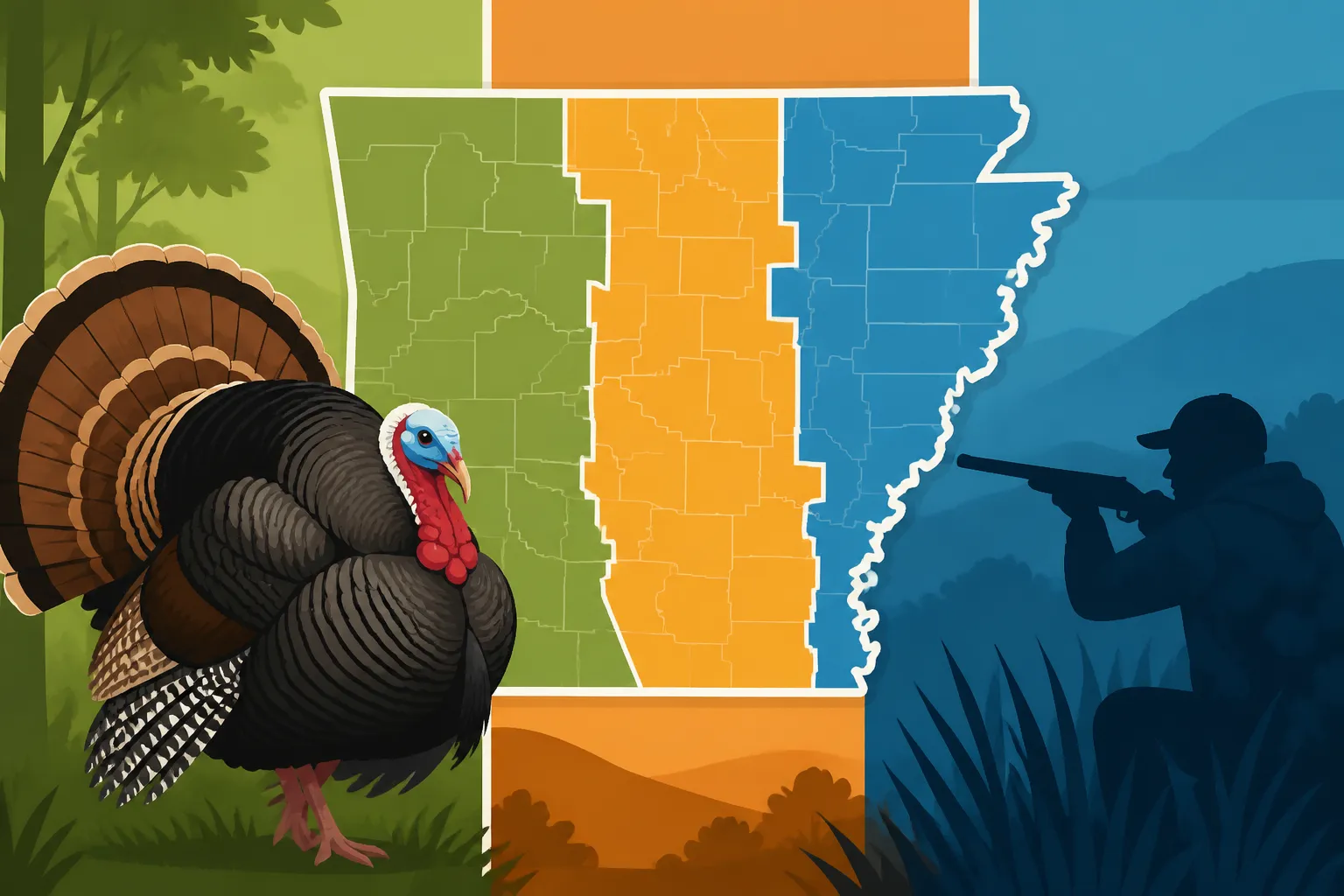
When we talk about "turkey zones" in Arkansas, it’s not quite as geographically segmented as deer zones, which are often drawn with clear lines on a map. Instead, for turkeys, it primarily boils down to a fundamental distinction: the Statewide Turkey Regulations versus Specific Wildlife Management Area (WMA) Regulations. This distinction is critical because WMA regulations always take precedence over statewide rules.
Statewide Turkey Regulations
For the vast majority of Arkansas, if you’re hunting on private land or public land not designated as a WMA (like much of the National Forests, though even those can have specific WMA overlays), you’ll be operating under the statewide regulations. These rules establish the general framework for the entire spring turkey season, including the overall season dates, the daily bag limit, and the total season bag limit. Typically, the statewide limit is two legal turkeys per season, but you can only take one per day, and there's often a "one bird during the first week" rule to manage early season pressure. This helps spread the harvest and ensures birds are available throughout the season. You can learn more about the specifics in "Arkansas Turkey Bag and Daily Limits."
Wildlife Management Area (WMA) Specific Rules
This is where many hunters, especially those new to a particular WMA, can get tripped up. Most WMAs, which are managed by the AGFC for wildlife habitat and public recreation, have their own set of rules that can deviate significantly from the statewide regulations. These differences are designed to finely tune hunting pressure and harvest to the specific ecological conditions and turkey populations within that WMA.
For instance, a WMA might have a shorter season than the statewide dates, or it might open later. The bag limit might be reduced to one turkey per season, or even no harvest at all on some highly sensitive units. Some WMAs require a special permit to hunt turkeys, often obtained through a drawing process. For popular WMAs, this might be the only way to gain access, making it essential to apply during the designated periods. You can find detailed information on these specific permit requirements and how to apply in "Arkansas WMA Permits and Draw Hunts." It’s absolutely vital to consult the current year's hunting regulations for the specific WMA you intend to hunt before setting foot in the woods. Don't assume anything! Tools like the GoHunt app are invaluable for quickly checking these localized rules.
Here's a simplified look at how rules can vary:
| Regulation Aspect | Statewide/Private Land (General) | Example WMA (Hypothetical) |
|---|---|---|
| Season Dates | General statewide season | Shorter season, later opening |
| Daily Bag Limit | One (1) male turkey | One (1) male turkey |
| Season Bag Limit | Two (2) male turkeys | One (1) male turkey |
| First Week Limit | One (1) male turkey | One (1) male turkey |
| Permit Required | No special permit | WMA-specific permit (often draw) |
| Legal Shooting Hours | 30 minutes before sunrise to sunset | Same |
| Beard Requirement | Yes, male turkey with visible beard | Yes |
This table is just an example, of course, but it illustrates the potential for variation.
Navigating Zone-Specific Rules and Regulations
The biggest challenge for hunters isn't usually understanding the concept of different zones, but rather how to reliably find and interpret the rules for their specific hunting spot. The AGFC provides a wealth of information, but it requires diligent research on your part.
Where to Find the Most Accurate Information
The official AGFC hunting regulations guide, published annually, is your bible. It will clearly delineate the statewide rules and then list individual WMAs with their specific deviations. You can find this guide online as a PDF or pick up a physical copy wherever hunting licenses are sold. Beyond that, the AGFC website itself has individual WMA pages that will often detail specific turkey hunting seasons and requirements.
This is where digital tools like the GoHunt app really shine. With GoHunt, you can often zoom in on your intended hunting area and instantly see the overlay of public land boundaries and specific WMA rules. This can save you hours of cross-referencing maps and regulations. Always cross-reference with the official AGFC guide, but these apps offer an incredible convenience. Remember, ignorance of the rules is never an excuse, so double-check everything!
Understanding Permit Requirements and Draw Hunts
Some of Arkansas's most coveted turkey hunting opportunities, particularly on high-quality WMAs, are managed through draw hunts. This means you must apply for a permit during a specific window, and successful applicants are chosen via a lottery system. These hunts are designed to limit pressure and provide a high-quality experience, but missing the application deadline means missing the hunt entirely.
If you are lucky enough to draw a permit, pay very close attention to any additional stipulations, such as specific dates you're allowed to hunt, designated hunting areas within the WMA, or even mandatory check-in/check-out procedures. These managed hunts often have strict "Arkansas Turkey Checking Rules" that go beyond the general phone or app check-in for statewide harvests. The youth hunters also have specific rules, and you can look into "Youth Turkey Hunt Weekends" if you're planning a trip with a younger hunter.
Practical Tips for Hunting Across Different Zones
So, you've done your homework, you understand the rules, but how do you actually put that into practice when you're out in the field, potentially moving between different areas?
Pre-Season Scouting and Planning
There’s no substitute for good scouting, and it becomes even more critical when dealing with varied regulations. When you’re out "Scouting Arkansas Public Land Before Season," make sure you're doing so with a clear understanding of the specific rules for that parcel. If you plan to hunt multiple WMAs or a mix of private and public land, you'll need a comprehensive plan for each location. Use the AGFC map tool or a GPS-enabled mapping app like GoHunt to clearly mark boundaries and identify if your chosen area falls under statewide or WMA-specific rules. Knowing exactly where you are relative to a WMA boundary can prevent accidental violations.
Adapting Your Tactics to Local Conditions
While the rules might change, the fundamental principles of turkey hunting remain. However, local conditions often dictate the best tactics. For example, if you're hunting in the steep, timbered ridges of the Ozarks, your calling and setup strategies might differ greatly from hunting the vast, flat agriculture fields of the Delta. In the Ozarks, understanding "Calling Arkansas Gobblers in the Ozarks" might involve more locator calls and subtle setups to draw a bird up a ridge. Conversely, if you're hunting field edges, your tactics might lean more towards setting out multiple decoys in an open area, as discussed in "Turkey Tactics for Delta Field Edges." The more pressure a zone sees (often higher on accessible WMAs), the more cautious birds will be, requiring quieter approaches and more patience.
Remaining Flexible and Prepared
Weather can be a huge factor in Arkansas spring turkey season, and unexpected rain or even a cold snap can change bird behavior dramatically. Be prepared to adapt your strategy on the fly. And just like with the regulations, always have a backup plan. If your primary WMA hunt doesn't pan out or a particular area is too crowded, having a second or third option, with all its regulations researched, can save your hunt. Make sure you have all your licenses and stamps in order for any zone you might enter, including your "Arkansas Hunting Licenses and What They Cost" and any required WMA permits.
Remember, the goal is to enjoy the hunt safely, ethically, and legally. By putting in the effort to understand the Arkansas turkey zone differences, you’ll not only increase your chances of success but also contribute to the long-term health of our beloved wild turkey populations.
Disclaimer
Please note that hunting regulations, seasons, and zone boundaries are subject to change. Always consult the most current official Arkansas Game and Fish Commission (AGFC) hunting regulations guide before heading afield. This guide is for informational purposes only and does not supersede official AGFC regulations.