Arkansas Youth Bear Hunt Dates
Trying to figure out all the specific regulations and dates for youth hunting in Arkansas can feel like navigating a dense thicket, especially when you're excited to get a young hunter into the woods for something as exciting as bear hunting. It's a fantastic opportunity, but getting the details right is crucial to ensure a safe, legal, and ultimately successful experience. This guide aims to clear up the confusion surrounding Arkansas youth bear hunt dates, diving into the specifics of when and where these special seasons occur across our great state.
The Heart Behind Youth Hunting Seasons in Arkansas
It’s easy to get caught up in the dates and zones, but let’s pause for a moment and appreciate why we even have youth hunting seasons. The Arkansas Game and Fish Commission (AGFC) puts a lot of effort into these opportunities, and it’s not just about filling a tag. It's about fostering a love for the outdoors, teaching responsible hunting ethics, and ensuring that our rich hunting heritage continues through the next generation. For many of us veteran hunters, our fondest memories are from those early days in the woods with a parent, grandparent, or mentor. These youth-specific seasons provide a less pressured, often earlier, opportunity for young hunters to experience the thrill of the hunt, specifically for a challenging game animal like the black bear.
Why Dedicated Youth Seasons Matter
One of the biggest frustrations young hunters and their mentors face is the sheer amount of competition during regular season openers. Imagine a kid, full of excitement, only to find the woods crawling with other hunters. It can be disheartening and overwhelming. Dedicated youth seasons aim to mitigate this, offering a less crowded environment where young hunters can learn without feeling rushed or intimidated. This exclusive access can lead to a more relaxed and focused hunting experience, which is paramount for skill development and enjoyment. It’s a chance for them to really soak in the sights and sounds of the forest, rather than just worrying about competition. Plus, it’s often a dedicated weekend, making it easier for families to plan around school and other commitments, truly prioritizing that special time in the woods.
The Role of Mentorship and Education
A youth hunt isn't just about pointing a rifle. It's an intensive mentorship period. These special seasons are built on the understanding that an experienced adult will be right there, guiding the young hunter every step of the way. This includes everything from proper firearm handling and ethical shot placement to understanding bear behavior and the nuances of the habitat. It’s also where the foundation of conservation is laid, teaching respect for the animal and the environment. AGFC’s Arkansas Hunter Education and Safety Rules are not just recommendations; they're vital pillars of these experiences. We’re talking about teaching patience, persistence, and how to read the woods – skills that will serve them well beyond the hunting grounds.
Demystifying Arkansas Youth Bear Hunt Dates by Zone
Arkansas, often called "The Bear State," boasts a thriving black bear population, particularly in the Ozark and Ouachita Mountain ranges. To manage this population effectively and provide varied hunting opportunities, the state is divided into specific bear zones. Understanding these zones is the first step in pinpointing the correct youth bear hunt dates, as they can vary significantly. It's not a one-size-fits-all approach, and getting it wrong means missing out or, worse, running afoul of regulations.
Bear Zones and Their Unique Calendars
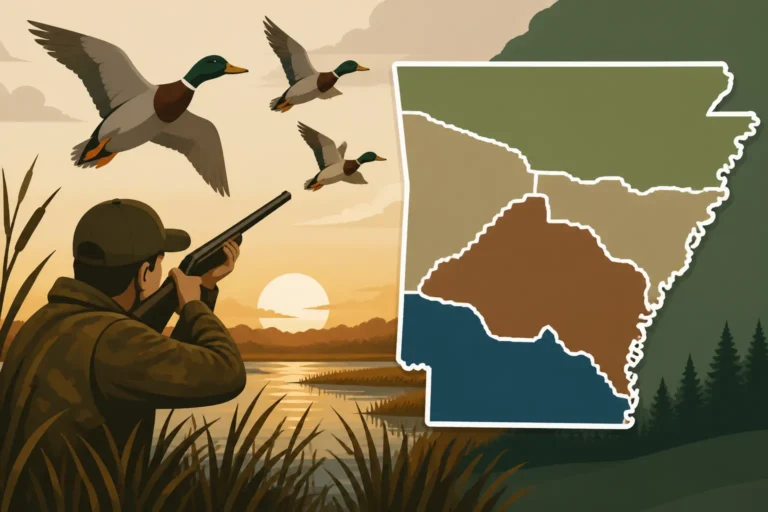
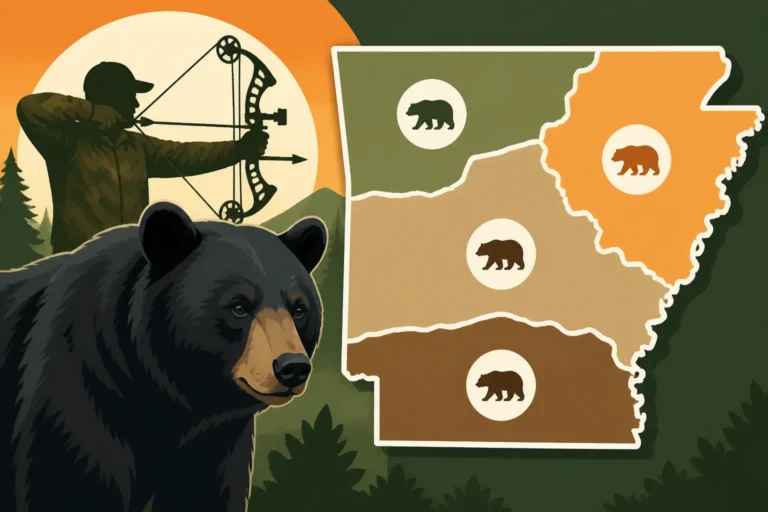
The Arkansas Game and Fish Commission delineates four primary bear zones: Zone 1, Zone 2, Zone 3, and Zone 4. Zones 1 and 2 encompass the core bear habitats in the Ozark and Ouachita National Forests, respectively, and generally offer the most substantial bear hunting opportunities. Zones 3 and 4 cover the Delta and other areas with more limited bear populations, and their seasons, if any, are often much shorter and more restrictive. For youth hunters, the focus is almost exclusively on Zones 1 and 2, which typically feature dedicated youth hunt weekends. Always remember that these dates are subject to annual changes, so consulting the current year’s AGFC hunting guide is paramount.
To give you a clearer picture, here’s a generalized breakdown of how the youth bear hunt dates often align with these zones. Please note: These are illustrative and based on typical patterns. Always verify with the current AGFC regulations.
| Bear Zone | Primary Location | Typical Youth Bear Hunt Dates (Illustrative) | Special Considerations |
|---|---|---|---|
| Zone 1 | Ozark Mountains | Late October (e.g., Oct 26-27) | Often coincides with youth modern gun deer. |
| Zone 2 | Ouachita Mountains | Late October (e.g., Oct 26-27) | Often coincides with youth modern gun deer. |
| Zone 3 | Delta Region | No dedicated youth bear season; very limited adult opportunity. | Check current regulations for any changes; bear population is very low. |
| Zone 4 | Delta/South AR | No dedicated youth bear season; very limited adult opportunity. | Check current regulations for any changes; bear population is very low. |
As you can see, Zones 1 and 2 are where the action for youth bear hunters typically is. These dates usually fall on a weekend, often coinciding with the youth modern gun deer hunt dates, which can be a fantastic way to maximize a weekend in the woods if a youth has both deer and bear tags. For the most accurate and up-to-date information, resources like the GoHunt app or website are invaluable for checking regulations and boundaries, often updated immediately after AGFC finalizes its annual regulations. This will help you know exactly When Arkansas's Archery Deer Season Opens or other overlapping seasons.
The Nuance of Season Closures
One critical point for bear hunting, especially in the more populated zones, is the concept of a quota. Unlike deer seasons which typically run for a fixed period, bear seasons in Arkansas can be shut down early if the harvest quota for a specific zone is met. This applies to youth hunts as well, though youth hunts are usually short, dedicated weekends. This means you need to be vigilant. Always be aware of how How a Bear Zone Closes Mid-Season can impact your hunt, even if it’s a youth-specific weekend. While less common for the brief youth hunts, it's a fundamental aspect of Arkansas bear management that every hunter, young and old, must understand. You might be planning to hunt on Saturday and Sunday, but if the quota is unexpectedly met on Friday due to a surge in early harvest, the season could theoretically close early. Staying informed via the AGFC website or their official social media channels during the season is always a smart move.
Essential Rules and Regulations for Youth Bear Hunters
Just knowing the dates isn't enough to ensure a smooth and legal hunt. Arkansas has specific regulations designed to ensure safety, promote ethical hunting, and manage the bear population effectively, especially when it comes to youth hunters. These rules are in place for a reason, and understanding them prevents issues in the field. Ignoring them can lead to fines, loss of hunting privileges, or worse.
Age Requirements and Supervision
For youth bear hunting in Arkansas, there are clear age guidelines. Generally, a youth hunter must be 6-15 years old to participate in a youth hunt. Critically, during these special seasons, the youth must be under the direct supervision of an adult at least 18 years old. This isn't just about being in the same general area; "direct supervision" means the adult is close enough to physically and audibly communicate with the youth at all times and is responsible for their actions. This adult also needs to possess a valid Arkansas hunting license, even if they are not actively hunting. This rule underscores the mentorship aspect, ensuring that an experienced, licensed hunter is always present to guide and teach. You might also need to understand Arkansas Hunting Licenses and What They Cost for both the youth and supervising adult.
Furthermore, youth hunters often have specific requirements regarding hunter education. While exact requirements can vary, it’s generally required for hunters born after a certain date. AGFC offers courses both in-person and online to make this accessible. Taking these courses not only fulfills legal obligations but also instills crucial safety and ethical practices. For more details on this, you can look up information on Arkansas Hunter Education and Safety Rules.
Bag Limits and Bear Checking Procedures
Even for youth hunts, bag limits are strictly enforced. Typically, the statewide bag limit for black bears in Arkansas is one bear per hunter per season, regardless of method (archery, modern gun, or youth hunt). This means if a youth harvests a bear during the youth season, their bear tag is filled for the entire season. It's not an "extra" bear on top of the regular adult limit.
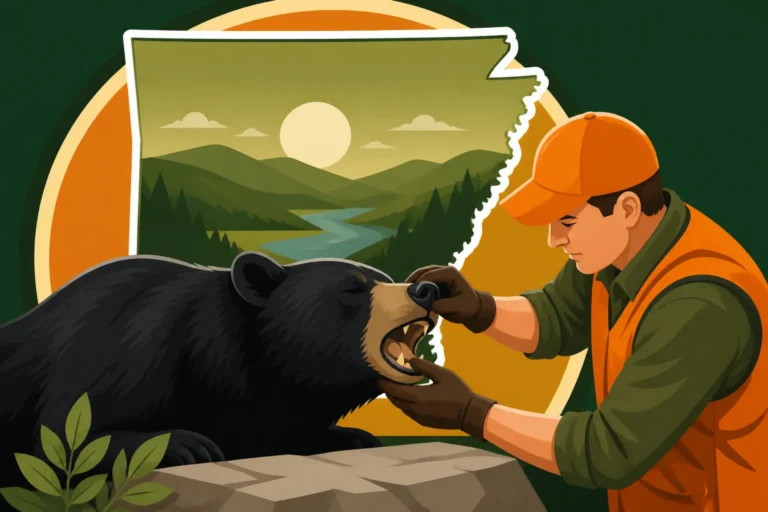
Once a bear is harvested, the process doesn’t end there. All harvested bears in Arkansas must be checked with the AGFC. This is a crucial step for biological data collection, helping wildlife biologists manage the population. You can check your bear online, through the AGFC app, or by calling a toll-free number. Following the check, a confirmation number is issued, which must remain with the bear. Additionally, you’ll be required to present the bear's skull and hide to an AGFC designated check station within a specified timeframe (usually within 24-72 hours, depending on the zone and method). This allows biologists to collect critical data like sex, age, and weight. Knowing these steps for Arkansas Bear Checking Requirements is vital. Failing to check a bear correctly can lead to significant penalties.
Preparing for a Successful Youth Bear Hunt
Going on a bear hunt with a young person is an incredible experience, but it requires careful preparation. It's not just about showing up on the right date. Everything from gear to scouting plays a role in making the hunt enjoyable and increasing the chances of success, and, most importantly, ensuring safety.
Essential Gear and Safety Considerations
When hunting with a youth, safety is paramount. This starts with the right equipment. Ensure the youth hunter has a rifle that fits them properly and that they can handle comfortably and safely. Recoil can be a big factor for young shooters, so choosing an appropriate caliber that they can shoot accurately is more important than raw power. Many youth-specific rifles are available, designed with shorter stocks and lighter weights. Eye and ear protection are non-negotiable, even during practice.
Beyond the firearm, adequate clothing for the weather conditions (which can be highly variable in late October in Arkansas), comfortable boots, and a well-stocked first-aid kit are essential. Hunter orange is also a requirement during modern gun seasons, which often overlap with youth bear hunts, so ensure both the youth and supervising adult are wearing the legally mandated amount of blaze orange. This visibility is key for safety, especially on public lands or areas with other hunters. Knowing Arkansas Hunter Orange Requirements is a basic but critical safety measure.
Scouting and Habitat Understanding
Even if it’s a dedicated youth hunt, bears don’t just appear. Successful bear hunting hinges on thorough scouting. This means getting out into the woods before the season opens to look for bear sign. What are you looking for? Scat, tracks, rub trees, and most importantly, food sources. Black bears are highly driven by food, so understanding what they’re eating and where they’re finding it is key. In late October, natural food sources like acorns (especially white oaks and red oaks), persimmons, and wild grapes are huge draws. Identifying areas with an abundance of these can drastically increase your chances. Tools like the AGFC map tool or a service like GoHunt can provide invaluable aerial imagery and land ownership data to help you pinpoint promising locations, whether you're looking for areas to try Hunting Arkansas Bear Over Natural Food or to avoid areas with high pressure.
You’ll want to look for travel corridors between bedding areas and food sources, often along ridges, creek bottoms, or dense cover. Consider setting up trail cameras to monitor these spots, not only to confirm bear presence but also to get a sense of their patterns and preferred times of travel. This is a great way to involve the youth in the scouting process, teaching them how to read the landscape and interpret wildlife sign – skills that are foundational for all types of hunting. The more invested they are in the preparation, the more rewarding the hunt will be.
Disclaimer
The information provided in this guide is for general informational purposes only and is subject to change. Hunting regulations, seasons, and dates are set by the Arkansas Game and Fish Commission (AGFC) and can be updated annually. It is the sole responsibility of every hunter to consult the most current official AGFC hunting regulations before participating in any hunting activity. Failure to do so could result in legal penalties.