Arkansas Woodcock and Snipe Dates
It's easy to feel like the spotlight is always on big game or ducks here in Arkansas, isn't it? With all the excitement around deer season and our legendary duck hunting, it’s understandable that some of the smaller, but equally challenging and rewarding, migratory bird opportunities might fly under the radar. But if you're looking for a different kind of wing-shooting experience, one that pushes your skills and takes you to some truly unique cover, then woodcock and snipe hunting might be just the ticket. This guide will walk you through everything you need to know about the specific season dates and regulations for these often-overlooked gems, helping you plan your next exciting hunt.
Understanding Migratory Bird Seasons in Arkansas
Hunting migratory birds in Arkansas, whether it's the high-flying waterfowl or the more terrestrial woodcock and snipe, comes with its own set of rules and seasons that are a bit different from our resident game species. It can feel like you need a special decoder ring just to keep up, but there's a good reason for the distinctions, and once you understand the basic framework, it makes a lot more sense.
Why Woodcock and Snipe Seasons Differ
Unlike a whitetail deer that calls a specific piece of land home year-round, woodcock and snipe are travelers. They breed up north in places like the Great Lakes region or Canada, and then, as the weather turns cold, they embark on epic journeys southward, with Arkansas being a crucial stopover and wintering ground for many of these birds. Because their presence in our state is seasonal and dependent on these vast migrations, the Arkansas Game and Fish Commission (AGFC) sets seasons that align with their arrival and departure. These birds aren't here for our entire deer season, for instance; their windows of opportunity are often much shorter and timed precisely to catch the bulk of their movement through the state. It's a testament to their incredible resilience and the intricate web of wildlife management that we get to pursue them at all. This migratory nature is also why you'll find different season dates for these birds compared to something like our pheasant season, which we don't even have here, or even other migratory birds like doves, which have a different flight path and timing.
The Role of Federal Regulations
It's not just the AGFC calling all the shots when it comes to migratory birds. These species cross state and international borders, which means their management falls under federal jurisdiction, specifically the U.S. Fish and Wildlife Service (USFWS). The USFWS works with various flyway councils across the country to assess bird populations, habitat conditions, and harvest data. From this extensive research, they establish a broad framework for hunting seasons, including maximum season lengths, earliest opening dates, and latest closing dates, along with daily and possession bag limits. Think of it like a big umbrella under which individual states then operate. Arkansas, through the AGFC, then takes this federal framework and tailors it to our specific conditions, habitat, and hunter preferences. They decide exactly when to open and close within those federal windows and what the exact bag limits will be, always ensuring they stay within the federal guidelines. This collaborative approach ensures that woodcock, snipe, and other migratory birds are managed sustainably across their entire range, not just within Arkansas borders.
Current Arkansas Woodcock Season Dates and Regulations
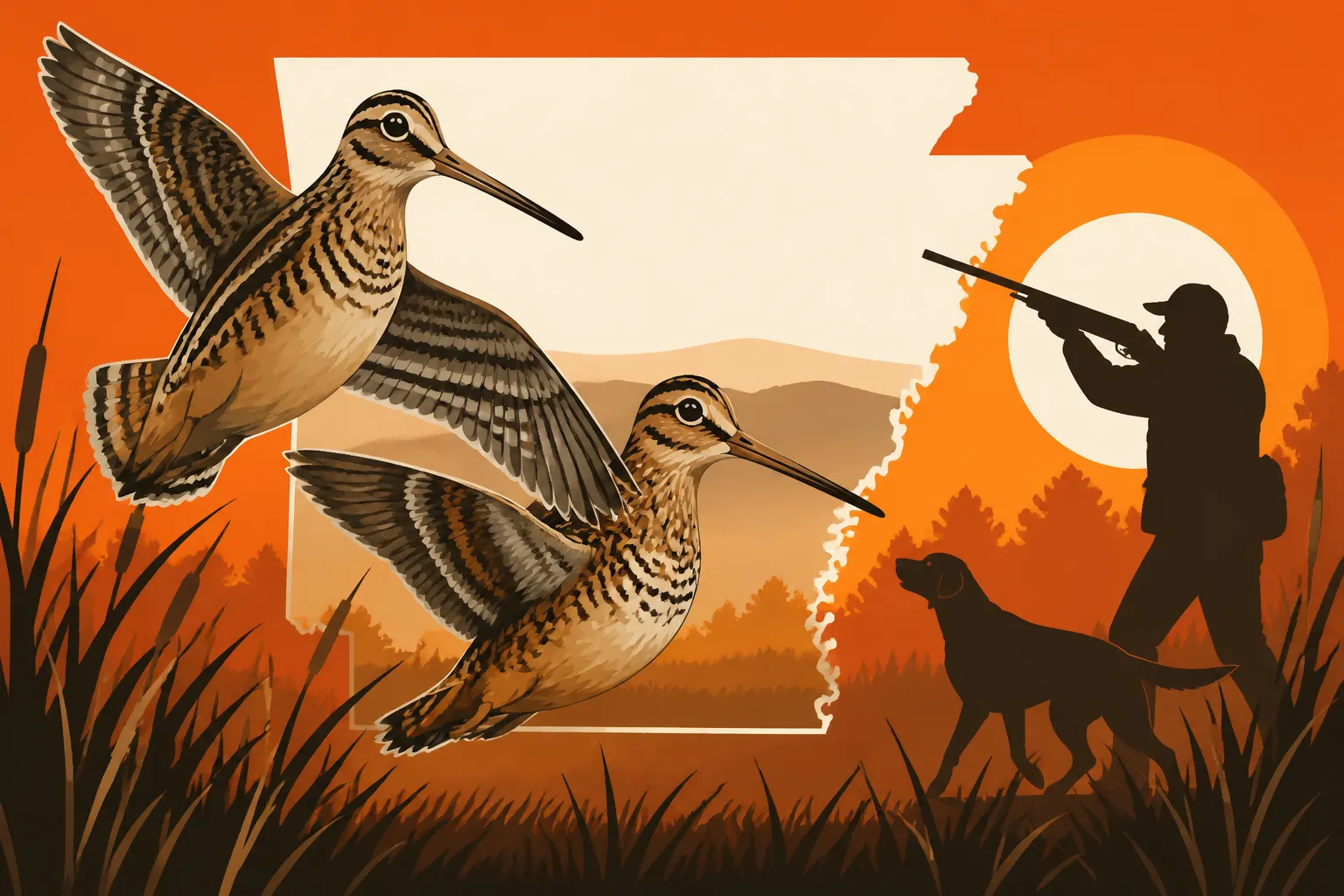
Woodcock are truly unique birds, often referred to as "timberdoodles" for their distinctive flight and the habitat they prefer. They're a bit of a cult classic among upland hunters, offering a challenging shot and a rewarding experience, especially with a good bird dog.
Key Season Dates for Woodcock
For the 2023-2024 hunting season, Arkansas's woodcock season is set from November 4 through December 17, 2023. Now, that's a relatively short window compared to some other seasons, and it means you really have to be intentional about getting out there. These dates are chosen to coincide with the main migration of woodcock through and into Arkansas. As autumn deepens and the ground begins to freeze further north, these birds head south, seeking out milder climates and softer ground where they can probe for their primary food source: earthworms. By early November, many of these birds have settled into our state, offering some excellent hunting opportunities. It’s a magical time to be in the woods, with the leaves often still clinging to the trees in vibrant colors, or perhaps just having fallen to create a soft, rustling carpet underfoot. The cooler temperatures make for comfortable walking, and the birds are typically strong and numerous. If you're a fan of early season hunts, you might also be interested in how Arkansas's September Teal Season works, which is another great migratory bird opportunity.
Bag Limits and Other Rules for Woodcock
When it comes to woodcock, the daily bag limit in Arkansas is 3 birds, with a possession limit of 9 birds. This means you can harvest three woodcock per day, and you can have no more than nine birds in your possession at any given time, including those stored at home. Beyond the bag limits, there are a few other crucial rules to remember. You absolutely must have a valid Arkansas hunting license, and if you're over the age of 16, a valid Arkansas Migratory Bird Stamp (or a federal duck stamp if you're also hunting ducks, though the state stamp covers woodcock and snipe). Critically, all migratory bird hunters, regardless of age, must be registered with the Harvest Information Program (HIP). This involves a quick, free registration process through the AGFC, which helps the USFWS collect vital harvest data for population management. Unlike duck hunting, you won't need a federal duck stamp specifically for woodcock. For those new to the game, woodcock prefer dense, young timber, often near water or in thick brushy areas where the soil stays moist. Places like creek bottoms, regenerating clearcuts, and the edges of swamps are prime spots. Remember to dress appropriately for walking through thick cover and wet ground, and always practice safe shooting habits in dense woods.
Current Arkansas Snipe Season Dates and Regulations
Snipe hunting, despite the old prank, is a very real and incredibly challenging form of upland hunting. These fast, erratic fliers are a true test of a wing-shooter's skill and offer a unique experience different from just about anything else you'll pursue.
Key Season Dates for Snipe
Arkansas offers a much longer season for snipe compared to woodcock, giving hunters a generous window to pursue these elusive birds. For the 2023-2024 hunting season, the snipe season runs from September 1, 2023, through February 15, 2024. This extended season captures both the early fall migration and the prolonged wintering period of snipe in Arkansas. These birds are often found in wet, open areas, so hunters will typically find them in flooded fields, along the edges of shallow water, or in damp pastures. Early in the season, when the weather is still warm, you might encounter fewer birds, but as the temperatures drop further north and our rice fields begin to flood, the numbers can really swell. This long season offers flexibility, allowing hunters to target snipe when conditions are optimal, often after heavy rains when the ground is soft and perfect for their probing bills. It’s also a great way to extend your bird hunting season well past the general deer or duck seasons. For instance, you could be out Hunting Rice Fields and Levees in January, long after many other seasons have closed, specifically targeting these agile birds.
Bag Limits and Other Rules for Snipe
The daily bag limit for snipe in Arkansas is 8 birds, with a possession limit of 24 birds. This more generous limit reflects their typically larger populations and widespread distribution in suitable habitat. Similar to woodcock, a valid Arkansas hunting license and state migratory bird stamp are required. And, just to reiterate because it's so important for all migratory birds, HIP registration is mandatory. No exceptions! If you haven't registered for HIP, you're not legal to hunt snipe, woodcock, or any other migratory bird. While a federal duck stamp isn't required specifically for snipe, it's a common misconception, so it's good to clarify. Snipe thrive in very wet environments, often in open, low-cover areas like flooded agricultural fields, moist-soil units, and the edges of swamps or shallow sloughs. They are masters of camouflage, blending perfectly with their surroundings, and typically won't flush until you're nearly on top of them, bursting into the air with an unpredictable, zigzagging flight pattern. This makes for exhilarating and challenging shooting!
Essential Considerations for Woodcock and Snipe Hunters
Chasing woodcock and snipe isn't just about knowing the dates; it's about understanding the whole picture to ensure a safe, ethical, and successful hunt. There are a few key things every hunter needs to have squared away before heading out.
Licensing and Permit Requirements
First and foremost, you need to be properly licensed. If you're an Arkansas resident, you'll need a current Arkansas Resident Hunting License Options. For our non-resident friends, there are several Arkansas Nonresident License Options, depending on the length and type of your hunt. Beyond the basic hunting license, anyone hunting woodcock or snipe in Arkansas must purchase an Arkansas Migratory Bird Stamp. This state stamp helps fund migratory bird conservation efforts right here in Arkansas.
But here's the absolute non-negotiable part: you must register with the Harvest Information Program (HIP) every single year you plan to hunt migratory birds. It's free, it's quick, and it's vital for management. You can do this easily when you purchase your license online or through any AGFC license vendor. Just make sure it's done. A lot of hunters forget this crucial step, and it can lead to a hefty fine if you're checked by a game warden without it. Remember, these are federal rules, and they're taken seriously. While a federal duck stamp is required for waterfowl like ducks and geese, it is not required for woodcock or snipe. Keep that in mind so you don't overspend, but always double-check the latest regulations to be absolutely certain.
Gear and Tactics for These Unique Birds
Hunting woodcock and snipe requires a bit of specialized thinking when it comes to gear and tactics. For shotguns, a light, fast-swinging gun in 20 or 28 gauge is often preferred, but a 12 gauge will certainly do the job with appropriate loads. Speaking of loads, smaller shot sizes like 7.5 or 8 are ideal for these delicate birds. The cover can be thick for woodcock and wet for snipe, so durable, waterproof boots and brush pants are practically mandatory. A good bird vest is also helpful for carrying shells, water, and harvested birds.
Perhaps the most significant difference is the role of a dog. While you can hunt these birds without a dog, a well-trained bird dog — particularly a pointing breed for woodcock or a flusher for snipe — will dramatically increase your success and enjoyment. Woodcock hold tight, so a pointer can really shine, allowing you to walk in for a classic flush and shot. Snipe, on the other hand, are often found in open, wet areas, and a flushing dog can help cover ground and put them in the air. Technology can also be a huge asset. Apps like GoHunt can help you scout potential habitat before you even step foot in the field, showing you property lines, water features, and timber types that might hold birds. This can be especially helpful on public land, which Arkansas has plenty of. If you’re scouting Arkansas Public Land Before Season, integrating such tools can give you a real edge in finding those hidden honey holes.
Checking Regulations Annually
I cannot stress this enough: always check the current year's Arkansas Game and Fish Commission (AGFC) regulations guide. While I’ve provided the most up-to-date information available at the time of writing, season dates, bag limits, and specific rules for migratory birds can and do change from year to year. These changes are often subtle, maybe a slight shift in dates or a minor adjustment to bag limits, but even small changes can impact your hunt. The AGFC releases a new hunting guide every summer, typically around July or August. You can find this guide on their official website, pick up a physical copy at any license vendor, or even view it through the AGFC mobile app. Don't rely on old information or what someone told you last year. Take five minutes to review the specific regulations for Arkansas Woodcock and Snipe Dates. Using a reliable source like the GoHunt app or website can also help keep you informed with up-to-the-minute regulation changes, as they often integrate official state game agency data directly. It’s a simple step that can save you a lot of headache and ensure you’re hunting legally and responsibly.
Arkansas Woodcock and Snipe Season Summary
To help you keep all these dates and rules straight, here's a handy table summarizing the key information for the 2023-2024 Arkansas woodcock and snipe seasons:
| Bird Species | Season Dates (2023-2024) | Daily Bag Limit | Possession Limit | HIP Registration Required? | Federal Duck Stamp Required? | Typical Habitat |
|---|---|---|---|---|---|---|
| Woodcock | Nov 4 – Dec 17, 2023 | 3 | 9 | Yes | No | Young, dense timber; moist, brushy creek bottoms; regenerating clearcuts. |
| Snipe | Sep 1, 2023 – Feb 15, 2024 | 8 | 24 | Yes | No | Flooded fields; moist pastures; edges of shallow water; wet-soil units. |
This table provides a quick glance at the critical details, but remember to always consult the official AGFC regulations for the most current and comprehensive information before heading afield.
Disclaimer
Please note that hunting regulations, season dates, and bag limits are subject to change. This guide is intended for informational purposes only. Always consult the official Arkansas Game and Fish Commission (AGFC) regulations guide for the current year before participating in any hunting activity. It is the hunter's responsibility to know and follow all applicable laws and regulations.