White-Tailed Deer Across Arkansas
Hunting white-tailed deer in Arkansas can feel like navigating a completely different world depending on where you drop your tailgate. One moment you're slogging through a flooded timber bottom in the Delta, the next you're scaling a steep, rocky ridge in the Ozarks. It’s easy to get overwhelmed by the sheer diversity of habitat, the varying deer populations, and the ever-changing regulations that define a successful season here. This comprehensive guide is dedicated to breaking down everything you need to know about white-tailed deer across Arkansas, helping you understand their habits, the unique challenges each region presents, and how best to pursue them.
Understanding Arkansas's Diverse Deer Habitats
Arkansas is a state of remarkable ecological contrasts, and nowhere is this more evident than in its deer habitat. From the alluvial plains to the rugged mountains, each region presents a unique set of challenges and opportunities for hunters. Understanding these differences is crucial for anyone hoping to consistently find deer, let alone a mature buck.
The Delta's Rich Alluvial Plains
The Delta region of eastern Arkansas is famous for a reason, and it’s not just the ducks. This flat, fertile landscape, characterized by vast agricultural fields, bottomland hardwoods, and an intricate network of rivers and sloughs, is truly a deer paradise. The rich soil produces an abundance of high-quality forage, from soybeans and corn to lush native browse and mast crops like red oak acorns. Deer in the Delta often have access to an almost year-round buffet, which translates directly into better body condition and larger antler growth. It’s not uncommon to hear tales of massive bucks coming out of the Delta, a testament to the area's incredible carrying capacity. However, hunting here isn’t without its difficulties. The dense cover in river bottoms can make visibility a real challenge, and the frequent flooding means you're often dealing with standing water, requiring specialized gear like waders or even boats to access prime spots. The hunting pressure can also be intense, especially on public lands and during peak season. But if you’re looking for a chance at a true giant, the Delta is often where you’ll find the state's best opportunities, especially in counties renowned for their fertile grounds and quality deer genetics.
The Rugged Ozark and Ouachita Mountains
Contrast the Delta with the sprawling, rugged terrain of the Ozark and Ouachita Mountains, and you might wonder if you're even in the same state. Here, the landscape is defined by steep, timbered ridges, deep hollows, and rocky outcroppings. The habitat is generally less fertile than the Delta, with thinner soils supporting a different array of forage. Deer densities tend to be lower in these mountain regions, and the deer themselves are often smaller-bodied, though no less wily. Hunting here is a physical challenge, demanding endurance and an intimate knowledge of how deer navigate elevation changes. You'll spend more time still-hunting, glassing distant slopes, and trying to decipher subtle sign on hard-to-read terrain. Mastering the nuances of wind and thermals in Ouachita Hollows, for instance, becomes absolutely critical to avoid spooking game. Food sources in the mountains often revolve around hardwood mast crops like white oak acorns, hickory nuts, and various browse species. Finding these key food sources, especially in years of patchy acorn crops, can be the difference between a successful hunt and a long, quiet day. While the deer might not carry the sheer mass of their Delta cousins, harvesting a mature Ozark or Ouachita buck is a hard-earned trophy that speaks volumes about a hunter's skill and perseverance.
Pine Plantations and Mixed Forests of South Arkansas
Moving south, the landscape transitions into a mix of pine plantations, managed timberlands, and mixed hardwood forests. This region, often overlooked by those fixated on the Delta or the mountains, offers a unique hunting experience. Large timber companies manage vast tracts of land, often on a rotational basis, creating a mosaic of clearcuts, young pine stands, and mature timber. Deer here thrive on the abundant browse found in younger clearcuts and the edges of pine thickets, as well as the mast crops from scattered hardwoods. While deer densities can be variable, these managed forests can hold some excellent deer, particularly where habitat management provides a good mix of food and cover. Hunting tactics often involve focusing on transition areas: the edges where clearcuts meet mature timber, drainages that offer travel corridors through dense pines, or where natural openings create feeding areas. Still-Hunting Arkansas Pine Country can be incredibly productive if you understand how deer utilize these ever-changing habitats. Public access might be limited to certain WMAs, but many timber companies offer leases, which can provide excellent, low-pressure hunting opportunities for those willing to invest. The challenges often involve navigating dense regrowth in younger pine stands and understanding the impact of timber operations on deer movement.
Arkansas Deer Population Dynamics and Management
Understanding the health and trends of Arkansas's deer population is vital for both hunters and conservationists. The state's deer herd is a dynamic system, constantly influenced by a myriad of factors, and the Arkansas Game and Fish Commission (AGFC) plays a pivotal role in ensuring its long-term sustainability.
Current Herd Estimates and Trends
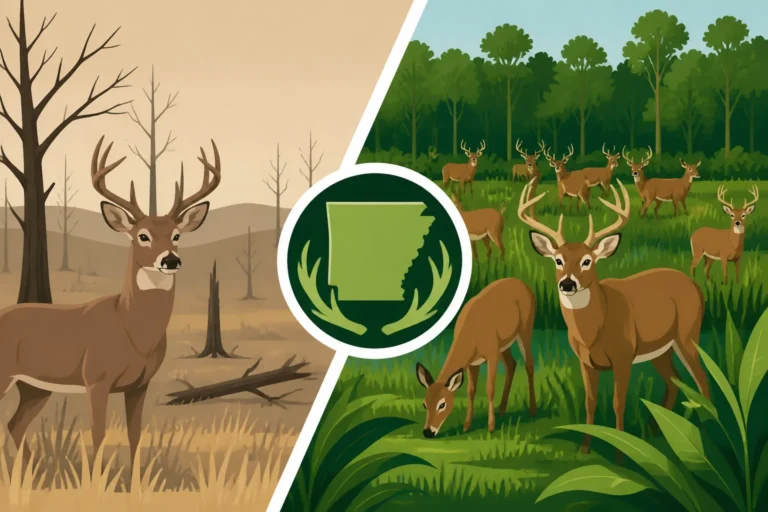
Arkansas boasts a robust white-tailed deer population, with estimates generally indicating a healthy and thriving herd across much of the state. While exact numbers fluctuate annually based on surveys and harvest data, the overall trend over the past few decades has shown remarkable growth and stability, a testament to effective management practices. The AGFC continually monitors deer numbers through various methods, including harvest reports, spotlight surveys, and hunter observation surveys. For example, the Arkansas Bowhunter Observation Survey provides valuable insights into deer sightings and herd composition directly from hunters in the field. This data helps biologists refine their understanding of regional densities and reproductive success. While specific figures for the Arkansas Deer Population Estimate aren't static, the general consensus is that the state provides ample opportunities for hunters, with some regions supporting very high densities and others offering a more challenging hunt for a mature animal. Maintaining this balance is key, ensuring healthy deer while also managing potential conflicts with agriculture and urban development.
Factors Influencing Deer Numbers
Several critical factors influence the size and health of Arkansas's deer herd. Habitat quality and availability are paramount; areas with diverse forage, ample cover, and reliable water sources consistently support higher deer densities and healthier animals. Weather patterns also play a significant role. Mild winters can improve fawn survival, while prolonged droughts can stress deer and reduce forage quality. Conversely, EHD Die-Offs in Arkansas Deer occasionally occur, particularly during hot, dry summers, leading to localized population dips. Predation, primarily from coyotes and occasionally black bears, can impact fawn recruitment, though it's typically not a primary limiting factor for the overall herd. Hunting pressure, managed through bag limits and season structures, is perhaps the most direct human influence. The AGFC uses these tools to control herd numbers, ensure a healthy buck-to-doe ratio, and promote a balanced age structure among bucks, ultimately aiming for quality hunting experiences. Understanding these influences helps hunters appreciate the complexities of deer management and the importance of adhering to regulations.
The Role of the Arkansas Game and Fish Commission
The Arkansas Game and Fish Commission (AGFC) is the primary agency responsible for managing the state's wildlife resources, including white-tailed deer. Their work is multifaceted, encompassing biological research, habitat improvement projects, law enforcement, and setting hunting regulations. The AGFC employs a team of wildlife biologists who continuously analyze data, conduct field studies, and engage with hunters to make informed decisions. They divide the state into specific Arkansas Deer Zones Explained, each with tailored regulations based on local deer populations, habitat conditions, and management goals. These zones help ensure that hunting pressure is appropriately distributed and that local populations remain healthy. The AGFC also leads efforts in disease surveillance, such as monitoring Chronic Wasting Disease in Arkansas, and implements strategies to mitigate its spread. Through public outreach and hunter education, they strive to inform and engage the hunting community, emphasizing ethical hunting practices and the importance of data collection through deer checking and reporting. Their dedication ensures that future generations will continue to have the opportunity to experience the rich tradition of deer hunting in Arkansas.
Key Deer Zones and Bag Limits Across the State
Navigating Arkansas's deer hunting regulations can sometimes feel like solving a puzzle, with different zones, varying bag limits, and specific rules that apply depending on where and how you hunt. However, these rules are in place for a good reason: to manage the herd effectively and ensure sustainable hunting opportunities for everyone.
Navigating Arkansas's Deer Zones
Arkansas is divided into numerous deer hunting zones, each with its own set of rules regarding season dates, bag limits, and often, antler restrictions. These zones, clearly outlined on the AGFC's annual hunting regulations, reflect the diverse habitats and deer population densities found across the state. For instance, the fertile Delta zones might have more liberal antlerless deer limits to manage high populations and reduce agricultural damage, while the more challenging mountainous zones might have more conservative limits to allow for herd growth. Knowing Which Arkansas Zone You Are Hunting in is the first and most critical step before heading afield. Hunters must consult current regulations maps, often available through the AGFC website or their excellent mobile app, which can also be integrated with tools like GoHunt to display property boundaries and public land information. These zones aren't arbitrary; they are the result of scientific research and ongoing monitoring of deer populations, aiming to balance hunter opportunity with biological sustainability.
Understanding Antlered and Antlerless Limits
Arkansas's bag limits are designed to control harvest pressure and maintain healthy deer herd demographics. Generally, hunters are allowed a certain number of antlered bucks and antlerless deer (does or unantlered deer). The Arkansas Antlered Buck Limit is often restrictive, encouraging hunters to pass on younger bucks and allowing more deer to reach older age classes, contributing to a better buck-to-doe ratio and larger antler development. Conversely, the Arkansas Antlerless Deer Limit is often more liberal, particularly in areas with high deer densities. Harvesting does is a crucial management tool, helping to keep populations within the carrying capacity of the land, reduce competition for food, and improve overall herd health. It’s important to check the specific limits for the zone you plan to hunt, as they can vary significantly. Some zones might allow for multiple antlerless deer, while others may be more restrictive. Always double-check your tags and ensure you understand what constitutes a legal deer in your specific hunting area before pulling the trigger.
The Impact of the Three-Point Rule
One of the most significant regulations affecting deer hunting in Arkansas over recent years has been The Arkansas Three-Point Rule. This rule, implemented in various zones across the state, mandates that a legal buck must have at least three points on one side of its antlers, or have a main beam measuring at least 15 inches. The primary goal of this regulation is to protect younger bucks (typically 1.5-year-olds) from harvest, allowing them to mature into 2.5, 3.5, or even older age classes. The idea is that by allowing these younger bucks to survive another year or two, they will have the opportunity to develop larger antlers and contribute to more natural breeding cycles. The impact of the three-point rule on Arkansas bucks has been noticeable; many hunters report seeing an increase in the number of mature bucks in the herd and an improvement in overall antler quality in zones where the rule is in effect. However, it also requires hunters to exercise more discretion and positive identification before shooting, adding another layer of challenge and ethical consideration to the hunt.
The Annual Cycle: Rut, Post-Rut, and Winter Behavior
Deer are creatures of habit, but those habits shift dramatically throughout the year, driven by environmental factors and the powerful urge to reproduce. Understanding these seasonal shifts is key to successful hunting in Arkansas.
Timing the Arkansas Rut by Zone
The rut, or breeding season, is arguably the most anticipated time of year for deer hunters, and Arkansas offers a fascinating case study in its variability. Unlike states with a uniform rut, the timing the Arkansas Rut by Zone can differ significantly, largely due to historical reintroductions and varying habitat conditions. In the northern Ozark and Ouachita regions, the rut typically peaks in mid-November, aligning with the traditional gun seasons and creating an exciting, high-activity period. Bucks are actively chasing does, making scrapes, and rubbing trees, often becoming less cautious in their pursuit. However, as you move south into the Delta, especially into the southeastern counties, the rut can extend much later, sometimes not peaking until late December or even January. Hunting the Delta Rut in January requires a different approach, as weather patterns and available food sources have changed dramatically. This extended rut provides unique opportunities but also demands adaptability from hunters. Knowing when the deer in your specific hunting zone are most active is crucial for planning your hunts and deploying effective strategies like rattling and grunting in Arkansas to attract a curious buck.
Post-Rut Challenges and Strategies
Once the main breeding activity winds down, deer enter the post-rut phase, which presents its own set of challenges. Bucks, having expended massive amounts of energy during the rut, are often depleted, tired, and focused almost entirely on recouping lost weight. Their primary objective shifts from breeding to survival and finding abundant, high-energy food sources. This can make them harder to pattern, as they might be less responsive to calls and more wary. For hunters still out in the woods, this means adjusting strategies. Instead of focusing on traditional rut sign, you'll want to prioritize locating prime food sources—whether it's remaining mast crops, browse in cutovers, or agricultural fields. Deer will be seeking out the most nutritious options to rebuild their fat reserves before winter truly sets in. This period is also a good time for tracking, as deer often move slower and leave clearer trails in their search for sustenance. Patience and persistent scouting become paramount, as you're no longer relying on the frenetic activity of the rut but rather the more predictable patterns of hunger and recovery.
Winter Survival and Food Sources
As the calendar turns to late season and winter weather sets in, the focus for Arkansas deer shifts entirely to survival. Food sources become scarcer, and deer must rely on what remains or what they can dig up. Mast crops that fell earlier in the season, like acorns and pecans, become highly sought after if not already consumed. Browse, such as young shoots and twigs, in areas like recent clearcuts or dense thickets, becomes a critical component of their diet. Deer also rely on agricultural fields, picking through leftovers from corn, soybean, or wheat harvests. In harsh winters, their movements might become limited, and they will often congregate in areas that offer both thermal cover and accessible food. Hunting during this time, often coinciding with Arkansas Modern Gun Deer Hunting or Alternative Firearms Deer Hunting in Arkansas seasons, requires focusing on these winter food plots and bedding areas. It's a tough but rewarding hunt, often challenging hunters to adapt to colder temperatures and changing deer behavior. Supplemental feeding is generally prohibited on public lands in Arkansas and has strict rules on private land, especially in Chronic Wasting Disease in Arkansas management zones, so deer must rely on natural food sources to make it through the lean months.
Trophy Potential: Where to Find Arkansas's Biggest Bucks
Every deer hunter dreams of that wall-hanger buck, and Arkansas certainly has the potential to produce them. While big deer can pop up anywhere, certain regions consistently churn out larger specimens.
The Delta's Reputation for Big Deer
When it comes to big bucks, the Arkansas Delta stands alone. This region has a well-deserved reputation for producing some of the state's largest white-tailed deer, both in body size and antler mass. Why do Delta Bucks Grow Bigger? It's a combination of factors: superior genetics, an incredibly rich and abundant food supply from fertile agricultural lands (corn, soybeans, rice), and extensive bottomland hardwood forests providing excellent cover and mast crops. These factors contribute to rapid growth rates and impressive antler development. Counties like Arkansas, Desha, Phillips, and others along the major river systems are consistently listed among the Best Arkansas Counties for Big Bucks. Hunters often target the dense river bottoms, edges of agricultural fields, and isolated woodlots in this region. While the hunting can be physically demanding due to water and thick cover, the potential reward of encountering a truly giant buck keeps hunters coming back year after year. For those seeking a Boone and Crockett Whitetail, the Delta offers some of the state's best odds.
Hidden Gems in the Mountains and River Bottoms
While the Delta gets much of the trophy attention, the mountainous regions and lesser-known river bottoms also hold hidden potential for big deer. While deer densities might be lower and overall body sizes smaller than in the Delta, mature, reclusive bucks can be found in the rugged Ozark and Ouachita National Forests. These bucks often live longer due to lower hunting pressure in remote areas and become incredibly cunning. Hunting these areas demands a different skill set, one focused on extensive scouting, understanding topography, and patience. Reading an Ozark Bench for Deer, for example, can reveal travel corridors used by older bucks. The river bottoms that snake through these mountainous regions, often offering richer soils and better mast crops than the surrounding uplands, can act as natural magnets for mature deer. Public lands within the Ouachita National Forest Hunting and Ozark National Forest Hunting can yield impressive bucks for those willing to put in the effort and get away from the crowds. Using a tool like GoHunt's mapping features can help identify these overlooked pockets of prime habitat.
Understanding Boone and Crockett and Record Book Programs
For those serious about the pursuit of trophy deer, understanding what qualifies for the Boone and Crockett Club and state-level record book programs is essential. The Boone and Crockett Club sets the national standard for North American big game animals, requiring specific measurements of antler length, spread, circumference, and number of points to determine a score. Arkansas also has its own state-specific Arkansas Record Book Program, which recognizes exceptional deer harvested within the state, often with slightly different entry requirements than the national organizations. To enter a deer into these record books, precise measurements must be taken by a certified scorer after a mandatory drying period (usually 60 days). While not every hunter prioritizes antler score, knowing these standards helps appreciate the true size and rarity of a trophy-class animal. It also encourages ethical hunting practices and fair chase. Many of the deer that make it into these record books are older, mature animals that have evaded hunters for several seasons, making their harvest all the more special.
Chronic Wasting Disease (CWD) and Its Management in Arkansas
Chronic Wasting Disease (CWD) is a serious neurological disease affecting deer, elk, and moose. Its presence in Arkansas is a significant concern for wildlife managers and hunters alike, necessitating specific regulations and heightened awareness.
CWD's Presence and Spread in Arkansas
CWD was first detected in Arkansas in 2016, originating in the Ozark region. Since then, it has unfortunately spread to several counties, particularly within the northern and central parts of the state. The disease is caused by a misfolded protein called a prion and is always fatal to infected animals. It can be transmitted directly through animal-to-animal contact or indirectly through environmental contamination from saliva, urine, or feces. The AGFC has been vigilant in monitoring the disease's spread, continuously updating the list of Arkansas CWD Counties List and implementing management strategies to slow its progression. While the prevalence rates in Arkansas CWD Prevalence Rates might vary by county, the ongoing spread underscores the importance of every hunter doing their part to minimize transmission risks. The discovery of CWD in the Arkansas Elk Herd also highlights the interconnectedness of cervid populations.
CWD Management Zones and Hunter Requirements
To combat CWD, the AGFC has established CWD Management Zones across affected regions. These zones come with specific regulations that hunters must adhere to, which can differ from standard statewide rules. Key requirements often include restrictions on the transport of deer carcasses, especially outside of CWD zones, to prevent inadvertently spreading the prions. Typically, only deboned meat, clean antlers, and certain taxidermy products can be transported out of these zones. Mandatory CWD Testing for Hunters might also be required in certain areas or during specific periods, particularly if you harvest a deer in a CWD-positive county. It’s crucial to check the latest AGFC regulations before each season, as these rules can change based on the disease's status. For example, Baiting Rules in Arkansas CWD Zones are often more stringent or entirely prohibited to prevent deer from congregating in ways that could facilitate disease transmission. These measures, while sometimes inconvenient, are vital for protecting the health of Arkansas’s deer herd for future generations.
What Hunters Can Do to Help
As hunters, we play a critical role in CWD management. The most important thing you can do is stay informed about the latest regulations and follow them diligently. This includes adhering to carcass transport rules, participating in voluntary or mandatory CWD testing when requested, and properly disposing of deer carcasses in designated areas or landfills. Never dispose of carcasses on public or private lands, as this can contribute to environmental contamination. If you encounter a deer that appears sick or exhibits unusual behavior—such as extreme thinness, stumbling, or excessive drooling—it's essential to report it immediately to the AGFC. Do not harvest or consume meat from an obviously sick animal. Additionally, thoughtful scouting and ethical hunting practices help minimize stress on the herd. When scouting Arkansas Public Land Before Season, keep an eye out for any signs of disease. Understanding the disease and actively participating in prevention efforts is how we collectively safeguard the future of Arkansas deer hunting.
Hunting Strategies Tailored to Arkansas Deer
No matter if you're chasing bucks in the Delta, the Ozarks, or the piney woods, successful deer hunting in Arkansas requires adapting your strategies to the local conditions and the unique challenges each region presents.
Scouting Before Season Opens
Pre-season scouting is absolutely non-negotiable for consistent deer hunting success in Arkansas. This isn't just a casual walk in the woods; it's a strategic mission to locate prime deer habitat, identify travel corridors, and pinpoint fresh sign. Start by pulling up aerial maps and topographic maps, which you can access through tools like GoHunt or the AGFC's interactive map tool. Look for natural funnels, pinch points, bedding areas (often dense cover), and potential food sources (acorn flats, agricultural fields, recent clearcuts). Walk these areas, searching for rubs, scrapes, and fresh tracks. Pay close attention to water sources, especially during early Bowhunting Arkansas's Five-Month Archery Season when temperatures are still high. Early season scouting allows you to hang stands, trim shooting lanes, and familiarize yourself with the terrain without the added pressure of an open season. Understanding deer patterns before they're pressured is critical; what they do in September might be completely different from their behavior come modern gun season. Setting up trail cameras in key locations can provide invaluable insights into deer movement patterns and help you identify specific bucks using an area.
Adapting to Weather and Pressure
Arkansas hunting weather can be a fickle beast, ranging from sweltering heat during the early archery season to freezing rain in late December. Learning to adapt your tactics to these conditions, and to the inevitable hunting pressure, is crucial. Bowhunting Arkansas in September Heat means focusing on early morning and late evening hunts near water sources and bedding areas, as deer limit their movement during the hottest parts of the day. As temperatures drop and the rut kicks in, deer become more active throughout the day. Modern Gun Opening Weekend on Arkansas Public Land will bring a significant increase in hunter numbers, pushing deer into thicker cover and more secluded areas. This is when understanding where deer seek refuge—dense thickets, steep hollows, or isolated islands of cover—becomes paramount. Hunting After a Delta Rain can be incredibly productive, as deer move more freely after a front. Always consider the wind direction, using it to your advantage to approach your stand undetected. Being flexible and having multiple stand locations for different wind directions and pressure scenarios will significantly increase your odds.
Ethical Harvest and Game Recovery
A successful hunt doesn't end when the shot is fired; it extends to the ethical recovery of the animal and respectful processing of the meat. Good shot placement is paramount, aiming for the vital organs to ensure a quick and humane harvest. In Arkansas, especially during warmer parts of the season, immediate and efficient Field Dressing in Arkansas Heat is vital to preserve the meat. Understanding how to properly blood trail a deer, especially in challenging terrain like Ozark Rock or thick Delta cover, is a skill every hunter should cultivate. Sometimes, the best strategy after a shot is to wait for a period, allowing the deer to expire quietly without pushing it. If a deer travels onto private land, understanding Arkansas Trespass and Permission Law and seeking permission from the landowner before attempting recovery is essential. Carrying a reliable tracking light for Blood Trailing After Dark in Arkansas can be invaluable. Once recovered, know your options for cooling and processing the meat, whether it's at a local processor or doing it yourself at camp. The commitment to ethical harvest and recovery honors the animal and ensures that nothing goes to waste.
| Region | Typical Deer Density | Body Size Trend | Antler Quality Trend | Key Habitat Features | Primary Hunting Challenges | Best Time to Hunt for Big Bucks |
|---|---|---|---|---|---|---|
| Arkansas Delta | High | Larger | Excellent | Agricultural fields, bottomland hardwoods, river systems | Water, thick cover, high pressure | Late November – January |
| Ozark Mountains | Low to Moderate | Smaller | Good (but fewer) | Steep ridges, deep hollows, mixed hardwood forests | Topography, lower density, difficult access | Mid-November |
| Ouachita Mountains | Low to Moderate | Smaller | Good (but fewer) | Similar to Ozarks, more pine plantations | Topography, lower density, physical | Mid-November |
| South Arkansas | Moderate | Moderate | Good | Pine plantations, mixed forests, clearcuts, swamps | Dense regrowth, timber operations | Late November – Early December |
| River Valley | Moderate to High | Moderate | Good | River bottoms, bluffs, agriculture, mixed timber | Access, localized pressure | Mid-November – Early December |
Disclaimer
Hunting is an inherently dangerous activity. This guide provides general information and recommendations for hunting white-tailed deer in Arkansas and should not be considered a substitute for personal research, professional training, or strict adherence to all Arkansas Game and Fish Commission regulations. Always prioritize safety, respect wildlife, and obtain proper licenses and permits before heading into the field. Regulations can change, so consult the official AGFC website annually for the most up-to-date information.