Where CWD Was First Found in Arkansas
For many deer hunters in Arkansas, the discovery of Chronic Wasting Disease (CWD) in our state was a gut punch, sparking immediate concerns about the health of our deer herd and the future of hunting traditions. This guide delves into the precise location and circumstances surrounding the initial detection of CWD in Arkansas, offering a detailed look at where this disease first reared its head and the cascade of management efforts that followed.
The Alarming Discovery: Where CWD First Surfaced in Arkansas
The news hit the Arkansas hunting community hard. For years, we'd watched CWD spread across other states, always hoping it would bypass our rich hunting grounds. Unfortunately, that hope was dashed when the disease was definitively identified within our borders, forever changing the landscape of deer management and hunting practices. Understanding exactly where and how it was first found is crucial for grasping the trajectory of CWD in our state.
Initial Detection and Location Details
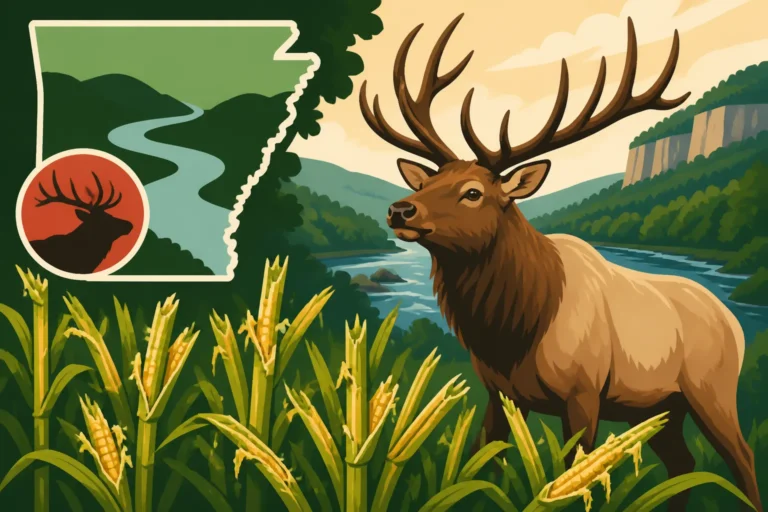
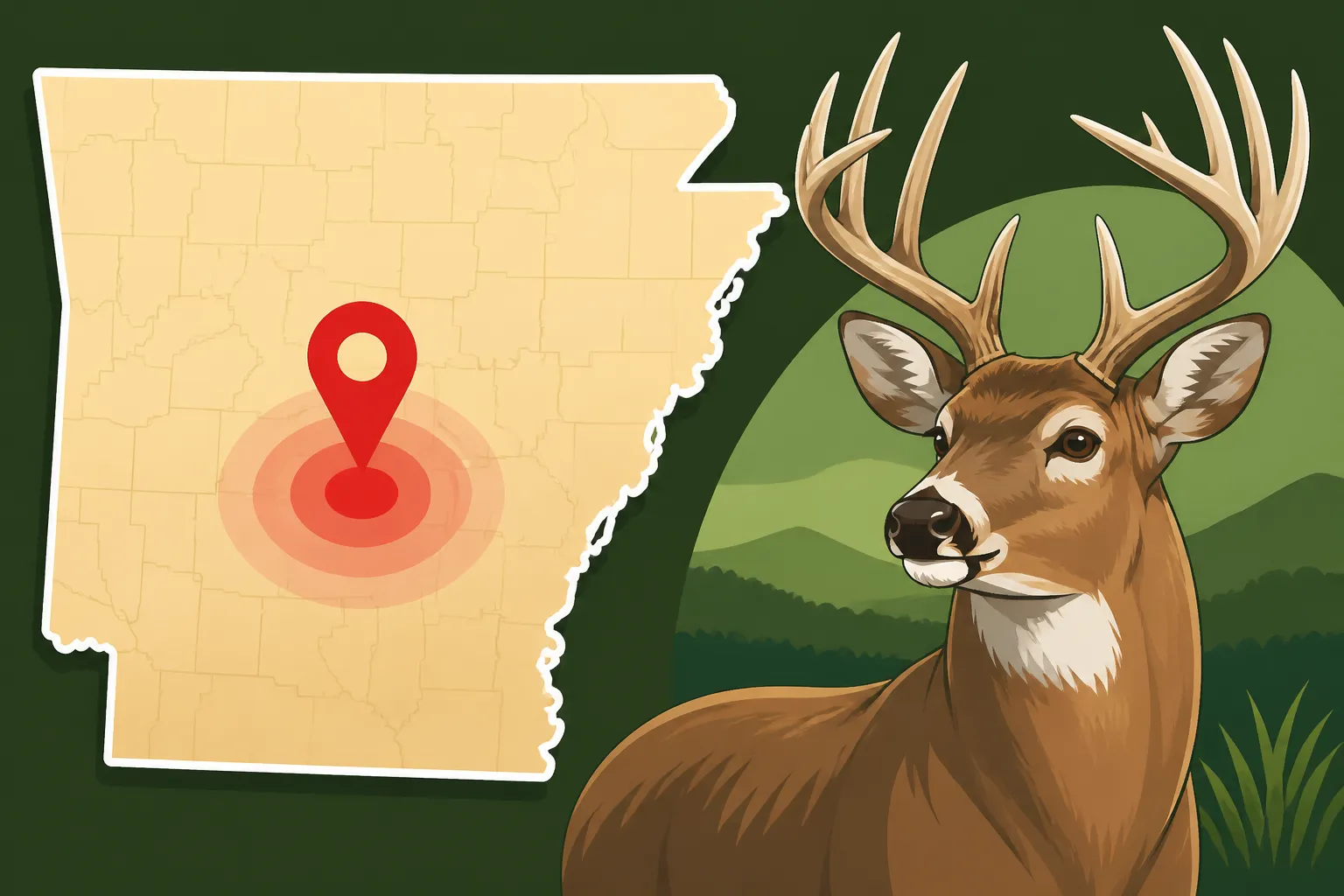
The unwelcome news broke in February 2016. Chronic Wasting Disease was confirmed in a free-ranging elk in Newton County, Arkansas. This wasn't just any county; Newton County sits squarely within the heart of the Ozark Mountains, an area renowned for its rugged beauty, challenging terrain, and, critically, a vibrant elk herd that is a source of immense pride for the state. The specific elk was a cow that had been behaving abnormally, prompting its testing by the Arkansas Game and Fish Commission (AGFC). It was a chilling confirmation: CWD had arrived.
This initial detection immediately sent ripples of concern through the entire hunting community, not just for elk but for deer as well. While the first positive was an elk, it was understood that deer in the same area were highly susceptible. The finding was significant because it marked the first instance of CWD in a free-ranging cervid (which includes deer, elk, and moose) within Arkansas. Previously, CWD had been detected in captive cervid facilities in other states, but this was different—this was wild game, roaming our forests, and it signaled a much broader, more challenging problem. The thought of this insidious disease now circulating among the very animals we cherish and pursue was, to put it mildly, deeply unsettling for hunters who had spent generations afield in places like Newton County.
The Disease's Mechanism and Spread
Chronic Wasting Disease is a progressive, fatal neurological disease that affects cervids. It belongs to a family of diseases known as transmissible spongiform encephalopathies (TSEs), which also includes mad cow disease in cattle and Creutzfeldt-Jakob disease in humans. The disease is caused by abnormally folded proteins called prions, which accumulate in the brain and other tissues, eventually leading to deterioration of the brain and nervous system. Deer or elk infected with CWD might exhibit a range of symptoms as the disease progresses, including severe weight loss (hence "wasting"), drooling, listlessness, altered behavior, and a lack of coordination. These symptoms can be subtle at first, making early detection in the field incredibly difficult.
The prions shed by infected animals can persist in the environment for years, making CWD notoriously difficult to control once established. This shedding can occur through saliva, urine, and feces. Other cervids can contract the disease by direct contact with infected animals or by indirect contact with contaminated soil, plants, or feed. The fact that the first case was found in a free-ranging elk in a biologically diverse and interconnected area like Newton County raised immediate alarms about the potential for widespread transmission to the surrounding deer population. This is why the initial discovery wasn't just about one elk; it was about the potential for an environmental reservoir of CWD prions, posing a long-term threat to all cervids in the region and beyond. Understanding this mechanism of spread was critical for the AGFC as they scrambled to develop a response plan, knowing that the initial finding was likely just the tip of the iceberg.
Establishing the CWD Management Zone: The Aftermath of the First Finding
The confirmation of CWD in Newton County was not just a scientific finding; it was a call to action. The AGFC, along with other state agencies, immediately began to assess the scope of the problem and implement measures designed to slow the spread and manage the disease within the deer and elk populations. This initial response laid the groundwork for what would become the state's comprehensive CWD management strategy.
Implementing Regulations and Restrictions
Following that initial CWD confirmation in Newton County, the AGFC swiftly established a CWD Management Zone. This zone initially encompassed Newton County and several surrounding counties, recognized as the high-risk area for disease transmission. For hunters in these areas, life changed significantly. Suddenly, new regulations were in place that affected everything from carcass transport to baiting practices. One of the most impactful rules was the restriction on carcass movement: hunters could no longer transport whole carcasses of deer or elk harvested within the CWD Management Zone out of that zone, except for specific parts like deboned meat, antlers, clean skulls, and hides. This was a direct measure to prevent the physical spread of infected material to new areas.
Additionally, baiting and feeding of deer were prohibited in the CWD Management Zone. This rule was implemented because concentrating deer at bait sites can increase the likelihood of direct contact and environmental contamination, facilitating the spread of prions. Hunters who relied on baiting for their hunts suddenly had to adjust their strategies, learning new ways to attract and harvest deer. These regulations, though sometimes inconvenient, were deemed essential steps to contain the disease from its point of origin. Understanding the specifics of these rules became paramount for hunters, and resources like the AGFC's website and tools such as GoHunt's mapping features became invaluable for identifying specific zone boundaries and applicable regulations, helping hunters navigate these new requirements. For further details on how these rules evolved, you can look into specific guidelines on Arkansas CWD Rules and Carcass Transport.
Ongoing Monitoring and Expansion of the Zone
The initial CWD Management Zone was just the beginning. The AGFC understood that ongoing surveillance and testing would be critical to track the disease's spread and adjust management strategies accordingly. From that first confirmed case in Newton County, a robust CWD surveillance program was rolled out, focusing heavily on mandatory testing of hunter-harvested deer and elk within the management zone. Check stations were set up, and hunters were encouraged, and in some cases required, to submit their deer heads for testing. This data-driven approach allowed the AGFC to map the disease's prevalence and geographic expansion.
As more positives were confirmed through these extensive testing efforts, primarily radiating outward from the original Newton County epicenter, the CWD Management Zone gradually expanded. What started as a cluster of counties in the Ozarks began to creep into other regions, leading to the designation of new CWD-positive counties and the expansion of the management zone. This continuous monitoring means that hunters need to stay informed about the latest CWD zone boundaries, which can shift from year to year. Tools like GoHunt can be incredibly helpful here, as they often integrate these regulatory overlays, allowing hunters to see in real-time if their hunting spot falls within a CWD-affected area and what specific rules apply to them, even helping them determine Where Arkansas's Biggest Bucks Come From while navigating these new regulations. This proactive approach, starting from that first alarming discovery, remains a cornerstone of Arkansas's battle against CWD.
Impact on Arkansas Hunters and Deer Management
The initial finding of CWD in Newton County reverberated deeply throughout the Arkansas hunting community and fundamentally altered the state's approach to deer and elk management. It wasn't just about implementing new rules; it was about shifting mindsets, educating a passionate populace, and preparing for a long-term challenge.
Changes to Hunting Practices and Hunter Behavior
For many seasoned hunters, the discovery of CWD meant rethinking long-held traditions and practices. Imagine hunting the same patch of woods for decades, and suddenly you can't bait, or you have to carefully consider how you process your deer if you want to take it home across county lines. This was the reality for many in the initial CWD Management Zone around Newton County. Hunters had to learn new ways to scout and hunt deer without the aid of bait, forcing them to become more reliant on understanding deer behavior, natural food sources, and topography. This could involve spending more time learning about Hunting Ozark Ridges and Hollows for Deer or Reading an Ozark Bench for Deer rather than setting up over a pile of corn.
The increased awareness also prompted a more responsible approach to game handling. Hunters became acutely aware of the importance of proper field dressing techniques to minimize the risk of spreading CWD, especially in the context of Field Dressing in Arkansas Heat. They learned which parts of the deer were considered high-risk for prions (brain, spinal cord, lymph nodes) and how to dispose of them responsibly. This change in behavior wasn't just about compliance; it was about protecting the resource for future generations. Many hunters started using services that process deer within the CWD zone or learned to debone their animals completely before leaving the area, taking a proactive role in preventing further spread from the original detection site. For those interested in various hunting methods, consider exploring topics like Bowhunting Arkansas's Five-Month Archery Season or Arkansas Modern Gun Deer Hunting to see how these methods integrate with CWD precautions.
The AGFC's Long-Term Strategy and Continued Challenges
The Arkansas Game and Fish Commission's long-term strategy, born out of the initial CWD discovery in Newton County, is multi-faceted and constantly evolving. It focuses on surveillance, management, and public education. Surveillance remains critical, with ongoing testing providing invaluable data on prevalence and spread. This data informs management actions, which might include targeted harvests in specific areas to reduce deer density, thereby potentially slowing transmission rates. The AGFC also works closely with landowners and hunters to gather samples, demonstrating a commitment to a collaborative approach.
However, the challenges are immense. CWD is an incredibly persistent disease, and completely eradicating it from a free-ranging population is considered virtually impossible with current science. The continuous expansion of the CWD Management Zone, stemming from that first positive test in Newton County, highlights the difficulty in containing the disease. Public education is a continuous effort, as new hunters enter the field each year, and regulations can change. The AGFC also faces the delicate balance of managing a disease while ensuring hunting opportunities remain robust and accessible. Hunters, in turn, are encouraged to report any deer or elk exhibiting CWD symptoms, reinforcing the idea that everyone has a role to play in monitoring the health of Arkansas's valuable cervid populations. This ongoing fight, catalyzed by that first positive finding, underscores the need for vigilance and adaptability for all involved in Arkansas hunting.
Here's a quick overview of the initial CWD discovery and subsequent actions:
| Aspect | Detail |
|---|---|
| First Confirmed Case | February 2016 |
| Species | Free-ranging Elk |
| Location | Newton County, Arkansas (Ozark Mountains) |
| Initial AGFC Action | Established CWD Management Zone |
| Key Initial Regulations | Carcass transport restrictions, baiting/feeding bans within the zone |
| Monitoring Strategy | Mandatory and voluntary testing of hunter-harvested cervids |
| Impact on Hunters | Required adaptation of hunting practices, increased awareness of carcass handling |
| Long-Term Goal | Slow spread, manage prevalence, protect the deer and elk herds |
Disclaimer
This article is for general informational purposes only and does not constitute professional advice. Laws, prices and regulations vary by location and change over time. Consult a qualified professional for guidance on your specific situation.