Why the Rut Runs Late in South Arkansas
South Arkansas deer rut timing, driven by abundant food and warmer temperatures, creates a later visible breeding period.

South Arkansas deer rut timing, driven by abundant food and warmer temperatures, creates a later visible breeding period.
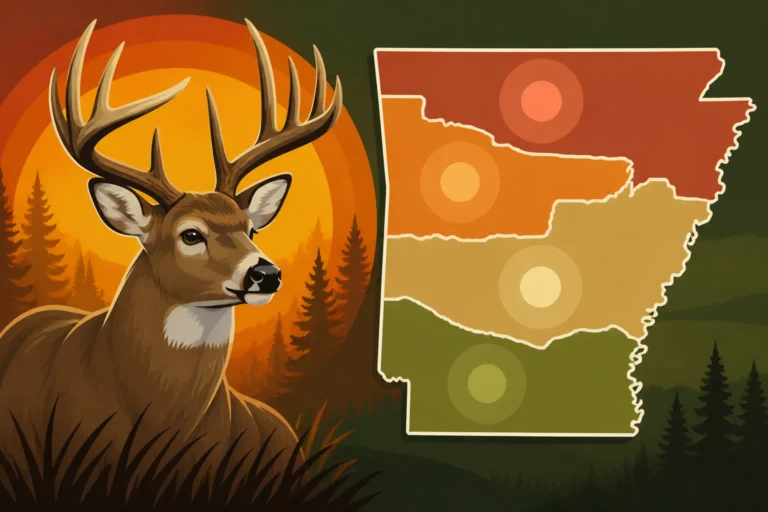
Arkansas deer rut timelines vary by region, detailing peak breeding windows for the Delta, mountains, and southern zones.
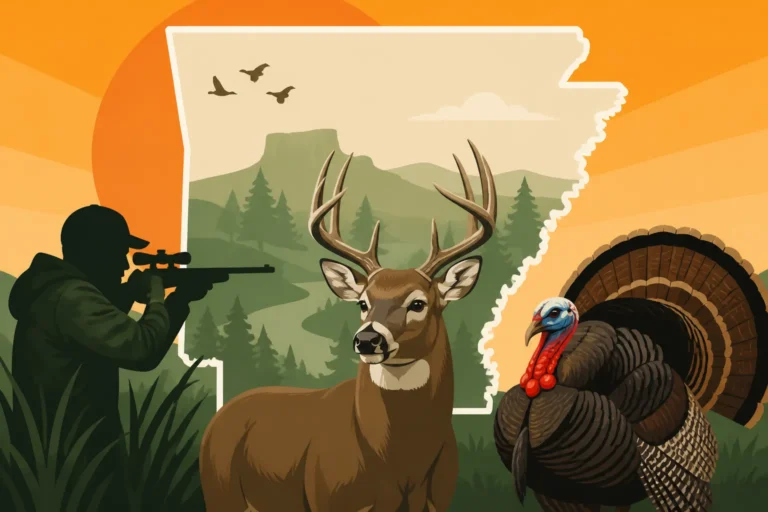
The Arkansas Record Book Program tracks exceptional deer and bear harvests to support state wildlife conservation and management.

Arkansas Boone and Crockett whitetails require understanding scoring standards, net scores, antler minimums, nutrition, and prime regions like the Delta.
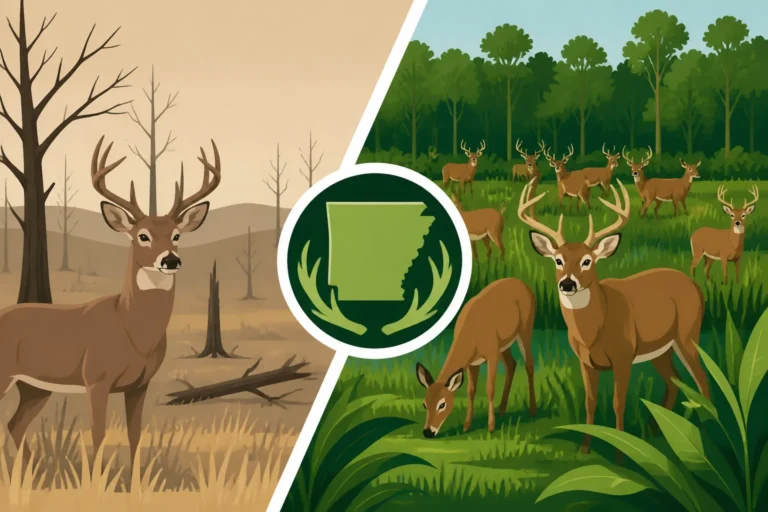
Fertile alluvial soils, abundant agricultural crops, and secure bottomland cover explain why the Arkansas Delta carries high deer densities.
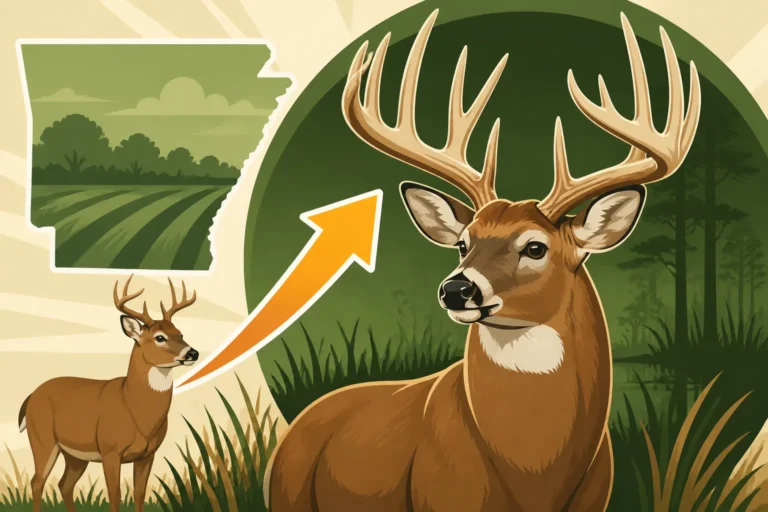
Arkansas Delta deer grow bigger because rich alluvial soils, abundant agriculture, and secure bottomland habitat provide unmatched nutrition and safety.
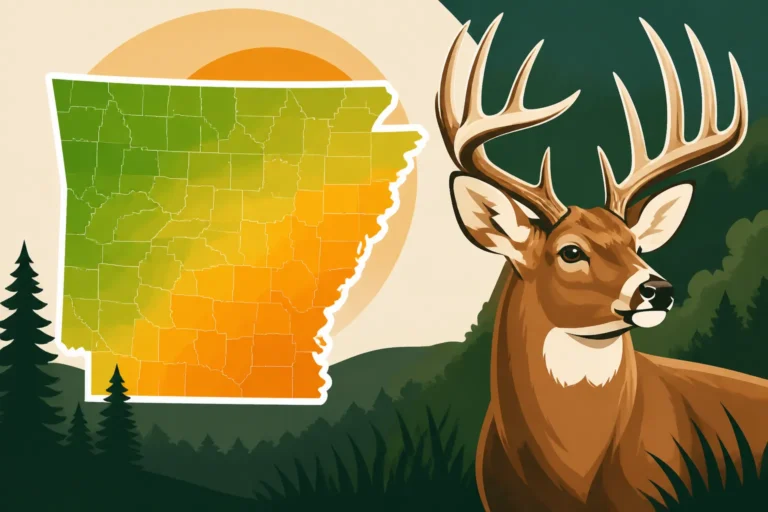
Arkansas counties in the Delta and mountain regions produce large whitetail bucks with ideal genetics, nutrition, age, and habitat.
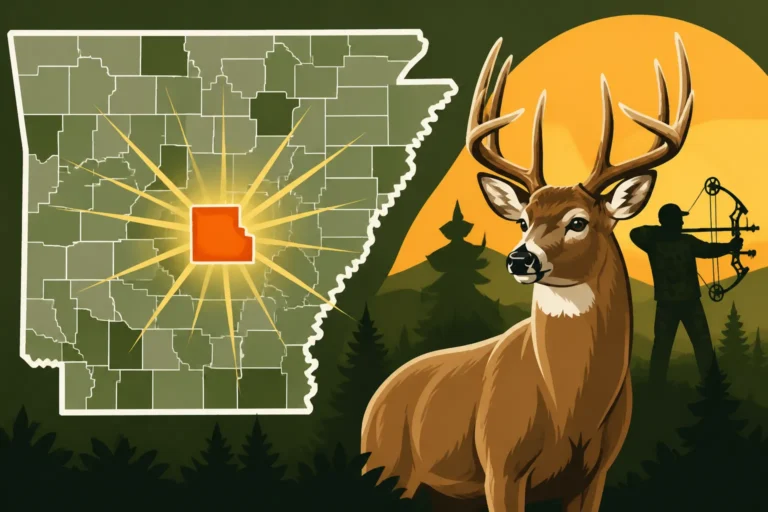
Arkansas deer harvest data explains how habitat quality, hunter density, food sources, and management zones drive county totals.
Arkansas annual deer harvest data helps biologists monitor herd health, set bag limits, and manage wildlife populations.
Arkansas white-tailed deer herd size varies by region, and agencies track harvest data and surveys to manage populations.