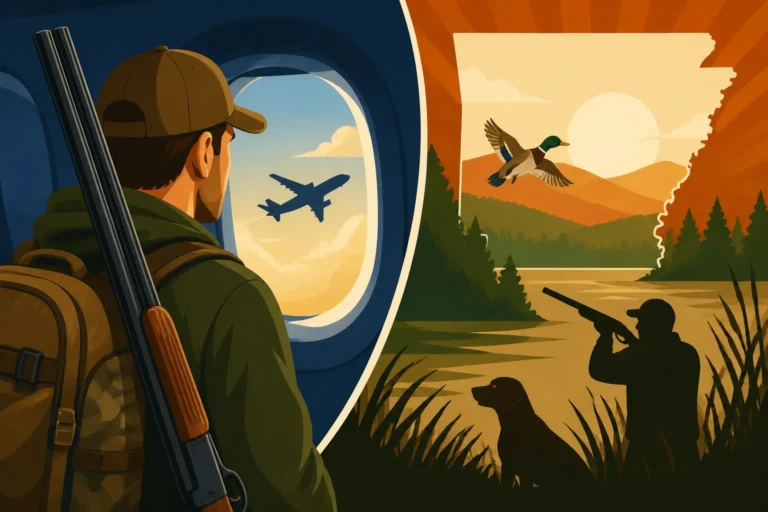
What a Day of Guided Ducks Costs
It’s a dream for so many hunters: experiencing a guided duck hunt in Arkansas, especially in the storied flooded timber or the vast rice fields of the Delta. But the reality can feel a little murky when you start looking into prices. It’s hard to know what you’re really paying for and what hidden costs might pop up. This guide aims to pull back the curtain on what a day of guided duck hunting in Arkansas truly costs, helping you budget wisely and plan your ultimate waterfowl adventure without any unwelcome surprises.
Understanding the Basic Day Rate for a Guided Duck Hunt
When you first start researching guided duck hunts in Arkansas, the number you'll likely see most prominently is the "day rate" or "per hunter, per day" cost. This is your starting point, but it's important to understand what this figure typically includes and, more importantly, what it often doesn't. Think of it as the core service charge for the day's experience.
What's Typically Included in the Base Price
Most Arkansas duck outfitters structure their base day rate to cover the essentials of the hunt itself. You can generally expect this price to include the expertise of a professional guide who knows the land, understands duck behavior, and can call birds effectively. This also covers access to their private or leased hunting grounds, whether that's a perfectly brushed pit blind in a rice field, a comfortable layout blind on a dry levee, or a carefully prepared spot deep in the flooded timber. Often, the guide will provide well-trained retrievers, which is a huge plus, as a good dog makes all the difference in a duck hunt, especially in thick cover or deep water.
Furthermore, many reputable Arkansas outfitters include basic bird processing with their day rate. This means your birds will be cleaned and breasted out, ready for you to take home or freeze. This service alone saves a significant amount of time and effort after a long morning in the blind. Some might even offer a simple field lunch or snacks, like coffee and breakfast biscuits, which is a nice touch and one less thing you have to worry about packing for the blind. Always clarify these details before booking, as they can vary wildly from one guide to the next.
Factors Influencing the Day Rate
The sticker price for a guided duck hunt can fluctuate quite a bit, and several key factors play into this. First, location is a huge driver. Stuttgart, often hailed as the "Duck Capital of the World," commands premium prices simply due to its reputation and the sheer volume of birds that funnel through the area. Hunts in the immediate Stuttgart vicinity or other renowned Delta locations like the Cache River or Bayou Meto tend to be on the higher end. However, you can often find excellent hunting and slightly lower rates in other parts of the Delta or along lesser-known river systems.
The type of hunt you're after also impacts the cost. Green timber hunts, which often involve more complex logistics like specialized boats or ATVs to reach flooded areas, or simply the added challenge of scouting and setting up in dense woods, can sometimes be pricier than field hunts in flooded rice or soybean fields. Field hunts, while still requiring significant preparation and decoys, might have slightly lower overhead for some outfitters. Finally, the timing of your trip makes a big difference. Opening weekend and the peak of the duck migration in December often see the highest demand and thus the highest prices. If you're flexible, consider hunting mid-week or during the later parts of the season in January, when pressure might be lower and some outfitters offer slightly reduced rates. Hunting the Arkansas Opening Weekend is always in high demand.
Group size also plays a role. While most day rates are per person, some outfitters might offer a slight discount for larger groups that can fill an entire blind, or conversely, charge a premium if you're looking for an exclusive, private hunt for just one or two people that might otherwise accommodate more. Always ask about their minimum group sizes or if they can pair you with other hunters if you’re coming solo or as a small party.
Beyond the Sticker Price: Additional Costs to Budget For
It’s easy to focus solely on the day rate, but a truly successful hunt budget accounts for everything that goes into making the trip happen. Overlooking these additional costs can quickly turn your dream hunt into a financial headache. Think of these as the supporting cast to your main event.
Licenses, Stamps, and Permits
Before you even step foot in a blind, you’ll need to ensure you’re legally licensed to hunt in Arkansas. This means purchasing an Arkansas hunting license, which will vary in cost depending on whether you're a resident or non-resident. Non-resident licenses are significantly more expensive but are a mandatory part of the package. In addition to the base license, every duck hunter needs a state duck stamp and a federal duck stamp. These are crucial for waterfowl hunting and directly contribute to conservation efforts. Don't forget the Harvest Information Program (HIP) registration, which is usually free but absolutely required for migratory bird hunting.
Sometimes, especially if an outfitter uses certain public land areas or if you decide to extend your trip with a self-guided hunt on a Wildlife Management Area (WMA), you might need a WMA permit. While most reputable guided hunts operate on private lands where these permits aren't necessary for the hunting itself, it's always wise to double-check with your outfitter to confirm you have all the correct paperwork in order. The cost of these licenses and stamps adds up, so make sure to factor them in. You can find more specific details on these requirements in our guide on Arkansas Hunting Licenses and What They Cost.
Gear, Ammo, and Necessities
Hunting ducks in Arkansas, especially in the cold, wet conditions of winter, demands specific gear. You'll need reliable waterproof waders – chest waders are almost a must for flooded timber. Layering is key, so good base layers, insulating mid-layers, and a waterproof, windproof outer shell are essential to stay comfortable in the often-chilly Delta mornings. Camouflage patterns that blend with the local environment, whether it's dull greens and browns for timber or khaki and drab for fields, are also important.
Then there's ammunition. Nontoxic shot is legally required for all waterfowl hunting, and it's significantly more expensive than traditional lead shot. You'll want to bring plenty, as ducks often offer multiple opportunities, and nothing is worse than running out of shells when the birds are working. Beyond the essentials, consider things like a good thermos for coffee or hot chocolate, high-quality waterproof gloves, a headlamp for pre-dawn walks, and maybe even a dry bag for your electronics. These aren't just "nice-to-haves" – they can make or break your comfort and enjoyment on a hunt.
Travel, Lodging, and Meals (If Not All-Inclusive)
Unless your guided hunt is part of an all-inclusive package, you'll need to budget for your travel to and from Arkansas, as well as lodging and meals for the duration of your stay. If you’re flying in, consider the cost of airfare to a regional airport like Little Rock or Memphis, and then renting a vehicle to get to your hunting destination, often deep in the Delta. If you’re driving, factor in gas and wear and tear on your vehicle.
For lodging, you might be looking at hotel or motel stays in nearby towns like Stuttgart, Hazen, or Brinkley. Prices can vary widely based on the time of year and local demand. If you're staying for several days, these costs can accumulate quickly. If your outfitter doesn't provide meals, you'll also need to budget for dining out or buying groceries to cook yourself. This might mean late-night dinners after the hunt or packing sandwiches for the blind. It's often a good idea to factor in a buffer for an extra night's stay, just in case weather or travel delays extend your trip. This leads us perfectly into the benefits of an all-inclusive setup.
All-Inclusive Packages vs. Day Rates: A Cost Comparison
When planning an Arkansas duck hunt, you’ll inevitably face a choice between booking a simple day-rate hunt or opting for a more comprehensive, all-inclusive package. Both have their merits and drawbacks, largely dependent on your budget, logistical preferences, and what kind of overall experience you're seeking.
The Appeal of All-Inclusive Arkansas Duck Packages
For many hunters, especially those traveling from out of state or those who prefer a hassle-free experience, all-inclusive packages offered by lodges are incredibly appealing. These typically bundle your guided hunts with comfortable lodging, delicious meals (often home-cooked Southern fare!), and all the bird cleaning services. Some even include transportation to and from the blinds, saving you the wear and tear on your personal vehicle and the stress of navigating unfamiliar roads in the dark.
The primary advantage here is simplicity. You pay one price, and a significant portion of your trip logistics are handled. You show up, hunt, eat, and sleep, allowing you to focus entirely on the experience of chasing ducks. These packages are almost always designed for multi-day trips, ranging from two-day to week-long excursions, providing a more immersive hunting vacation. While the upfront cost might seem higher than a single day rate, when you break down the value of lodging, meals, and convenience, it can often be a very competitive option, especially if you're not keen on scouting for hotels and restaurants after a long day in the marsh. Many of these lodges offer a true "duck camp" experience, fostering camaraderie among hunters. Our article on What an Arkansas Duck Lodge Provides goes into more detail about these amenities.
Breaking Down the Value of Day Rate Hunts
On the flip side, day rate hunts offer a different kind of value and flexibility. If you're a local Arkansan, have friends or family in the area you can stay with, or simply enjoy handling your own logistics, a day rate hunt can be a more economical choice. You pay only for the guided hunt itself and manage your own accommodation, food, and travel. This can be particularly beneficial if you only have a single day or a weekend available to hunt and don't require the full lodge experience.
This à la carte approach allows you to tailor your trip precisely to your preferences and budget. Perhaps you prefer to stay at a specific hotel, cook your own meals, or have unique dietary requirements. A day rate allows for that freedom. It can also be a good way to "test out" an outfitter before committing to a longer, more expensive package. However, it’s crucial to diligently track all those separate expenses – licenses, lodging, meals, travel, ammo, gear – to ensure you truly are saving money. Sometimes, the sum of those individual costs can quickly approach or even exceed what an all-inclusive package would have offered.
Here's a quick comparison of the two approaches:
| Feature | Day Rate Only | All-Inclusive Package |
|---|---|---|
| Guided Hunt | Typically included | Always included |
| Lodging | Not included, separate expense | Included, usually at a dedicated lodge |
| Meals | Not included, separate expense | Included, often 3 meals a day |
| Bird Cleaning | Often included (basic breasting) | Always included (basic breasting) |
| Travel to Blinds | Varies, sometimes requires own transport | Often included, usually with guide |
| Total Cost | Appears lower upfront, but many hidden expenses | Higher upfront, but fewer unexpected costs |
| Flexibility | High (choose own lodging/meals) | Low (fixed itinerary, lodge experience) |
| Social Aspect | Primarily with your own group/guide | Strong camaraderie with other lodge guests |
| Best For | Locals, budget-conscious, short trips, testing guides | Out-of-state hunters, multi-day trips, convenience |
The Unspoken Costs: Tipping and Unexpected Expenses
Even after you've factored in the day rate, licenses, travel, and maybe even an all-inclusive package, there are still a few "unspoken" costs that can surprise you if you haven't budgeted for them. These are often the elements that differentiate a good experience from a truly exceptional one, or the unforeseen circumstances that require a little extra financial cushion.
Navigating the Tipping Etiquette
Tipping is a customary and expected part of the guided hunting experience, especially in Arkansas. Your guide works incredibly hard, often long before dawn, scouting, setting decoys, running dogs, calling birds, and retrieving them – sometimes in miserable weather. A significant portion of a guide’s income comes from tips, and a good tip reflects your appreciation for their effort, skill, and hospitality. Typical tipping rates for duck guides usually fall between 15-20% of the total hunt cost (excluding licenses). So, if your day rate was $500, a $75-$100 tip would be appropriate for a good experience. This isn't just for the guide; if there's a dedicated dog handler, bird cleaner, or lodge staff (cooks, housekeepers) in an all-inclusive setting, they too deserve recognition for their contributions.
It's common to tip your guide directly at the end of the day or the end of your trip. For lodge staff, there might be a communal tip jar, or you can hand it directly to them. Don't underestimate the impact a generous tip has; it acknowledges the often grueling hours and physical demands of their work. Think of it as a way to say "thank you" for the memories and the hard work. For a deeper dive into this, check out Tipping an Arkansas Duck Guide.
Planning for the Unexpected
Even the best-laid plans can encounter bumps in the road, and an Arkansas duck hunt is no exception. While we hope for smooth sailing, it's wise to have a small contingency fund for unexpected expenses. This could be something as simple as replacing a forgotten item like gloves or needing to buy an extra box of shells. More significant issues might arise, such as a zipper breaking on your waders, a boot springing a leak, or an important piece of gear getting damaged. You might need to make a quick run to a local sporting goods store, and those urgent purchases can be pricier.
Weather can also throw a curveball. While duck hunters often welcome foul weather, sometimes it can be too severe, leading to travel delays, road closures, or even the temporary closure of hunting grounds due to extreme conditions like flooding or ice. If this happens, you might need to extend your stay by an extra night or two, incurring additional lodging and meal costs. In rare cases, a hunt might be cut short, or you might need specialized processing for a trophy bird, or decide to get a duck mounted, requiring additional fees for a taxidermist and potentially shipping the mount home. Having a few hundred dollars set aside for these unforeseen circumstances can save you a lot of stress and ensure your trip remains enjoyable.
Maximizing Value and Finding the Right Fit
Booking a guided duck hunt in Arkansas is a significant investment, both of your time and money. To ensure you get the best possible experience and feel confident about your expenditure, a little due diligence goes a long way. It's about finding the right guide and the right trip that aligns with your expectations and budget.
Researching and Booking Smart
The internet has made researching outfitters much easier, but it also means wading through a lot of information. Start by looking at reputable booking platforms or directories, some of which specialize in connecting hunters with guides. Sites like BookYourHunt or GoHunt can be great resources, offering a wide array of Arkansas outfitters, often with client reviews and photos that give you a clearer picture of what to expect. Don't just look at the star rating; read through the actual comments to understand the pros and cons from other hunters' perspectives.
Once you've narrowed down a few options, don't hesitate to call the outfitter directly. Ask specific questions: What is their guide-to-hunter ratio? What kind of hunting grounds do they primarily use (timber, fields, reservoirs)? How long have they been operating in the area? What are their success rates, and how do they define "success"? Ask about their cancellation policy, especially regarding weather. It’s also a good idea to ask for references from past clients whom you can contact directly. A trustworthy outfitter will be happy to provide them. This in-depth research, as discussed in Questions to Ask an Arkansas Outfitter, will help you avoid disappointment.
Timing Your Trip for Potential Savings or Better Value
The timing of your hunt can significantly impact both the cost and the quality of the experience. While many dream of hunting during the peak migration in late December or early January, these dates are often the most expensive and book up furthest in advance—sometimes a year or more out, as highlighted in Booking Stuttgart a Year in Advance. If you have flexibility, consider booking mid-week instead of a weekend, as many outfitters offer slightly reduced rates or have more availability during the week.
Hunting during the early part of the season in November can offer excellent opportunities, especially for local birds, and may come with a slightly lower price tag before the major push of migrating ducks arrives. Conversely, late-season hunts in mid-to-late January, after the holiday rush and when many fair-weather hunters have packed it in, can sometimes yield great results with less hunting pressure and potentially discounted rates. The ducks have seen it all by then, but often remain in good numbers, providing a unique challenge. Always discuss these options with your chosen outfitter to see what works best for their operation and your budget.
The Importance of a Good Fit for Your Group
Beyond the numbers and logistics, one of the most crucial elements of a successful guided hunt is finding an outfitter whose style and philosophy align with your group's expectations. Are you looking for a hardcore, mud-and-guts timber grind, or a more relaxed, comfortable field hunt from a heated pit blind? Some guides are boisterous and entertain with jokes, while others are quieter and more focused on the hunting process. Understanding these nuances before you book can prevent mismatched expectations.
Communicate openly with your group about the costs involved, the expected experience, and everyone’s individual preferences. Make sure everyone is on the same page regarding early mornings, potential weather challenges, and the physical demands of the hunt. A guided trip is a shared experience, and ensuring a good fit with the outfitter and amongst your hunting companions will maximize the value you get out of every dollar spent, leaving you with lasting memories of your Arkansas duck hunting adventure.
Disclaimer
This article is for general informational purposes only and does not constitute professional advice. Laws, prices and regulations vary by location and change over time. Consult a qualified professional for guidance on your specific situation.