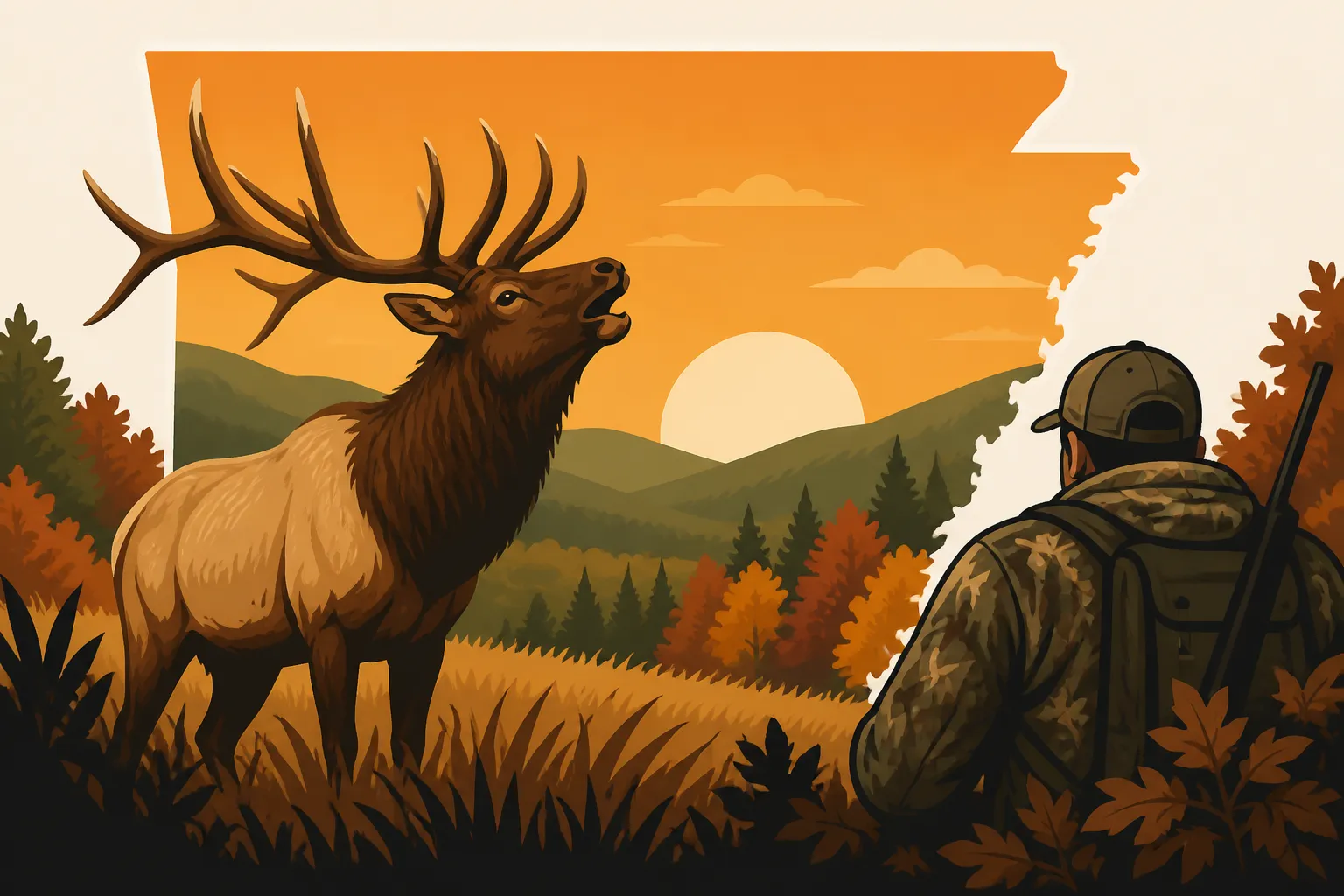
When Elk Came Back to Arkansas
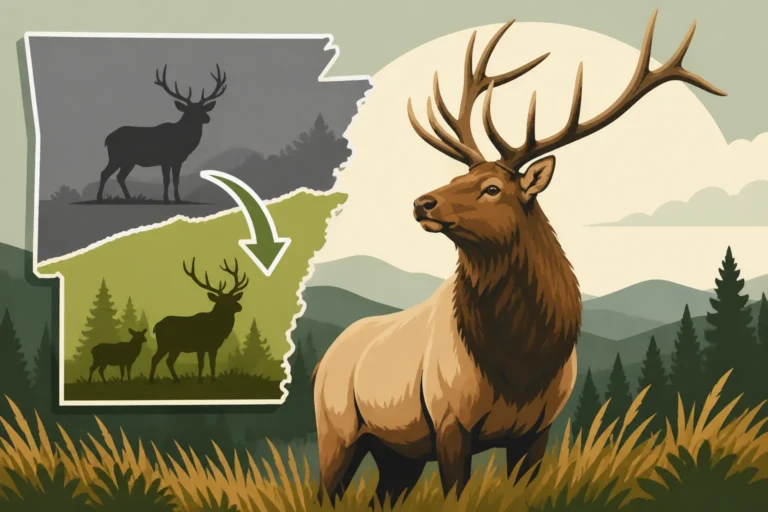
You know, for a state famously known as "The Natural State," many folks are still surprised to learn that Arkansas is home to a thriving herd of wild elk. It’s not something most people associate with our dense hardwoods, pine forests, or vast Delta croplands. But indeed, the majestic elk are back, bugling in our Ozark mountains each fall. This guide delves into the fascinating history of how these incredible animals returned to Arkansas, tracing their journey from native inhabitants to their reintroduction and the dedicated conservation efforts that have allowed them to flourish once more.
The Echoes of the Past: When Elk Roamed Native Arkansas
It’s easy to think of elk as purely a Western species, conjuring images of vast mountain ranges and sweeping plains. But long before European settlers arrived, elk were a significant part of Arkansas's native wildlife. Imagine the deep woods of what would become the Ozark and Ouachita mountains, or even the sprawling river bottoms of the Delta—these areas once echoed with the distinct bugle of the native Eastern elk (Cervus canadensis canadensis). These magnificent animals were once widespread across much of eastern North America, including right here in our state.
Our ancestors, both Native American tribes and early European frontiersmen, interacted with these elk regularly. They were a vital food source and provided hides and tools. The sheer number of historical accounts and archaeological findings confirms their presence and importance. However, as settlement pushed westward and market hunting became prevalent in the 18th and 19th centuries, the pressure on these large, easily hunted animals became immense.
The Vanishing Act: Why Arkansas Lost Its Native Elk
The story of the native elk in Arkansas is a unfortunately common one across many parts of the country: a tragic tale of overexploitation and habitat destruction. As more settlers moved into the region, they cleared forests for agriculture, built towns, and created an ever-expanding demand for wild game meat and hides. Elk, being large and relatively easy to track, were particularly vulnerable. Unregulated hunting, driven by market demand and subsistence needs, led to a rapid decline in their numbers.
Compounding the issue was the dramatic alteration of their natural habitat. The sprawling forests that provided cover, food, and breeding grounds were steadily converted into farmland or heavily logged. With less food, less cover, and relentless hunting pressure, the native Eastern elk herd in Arkansas simply couldn't sustain itself. By the late 1800s, perhaps even as early as the 1840s or 50s in some areas, the last native wild elk had vanished from Arkansas soil, a sobering reminder of what can happen when conservation is not a priority. For decades, the bugle was silenced, a sound lost to the wilds of our state.
A Bold Vision: The Elk Reintroduction Effort in Arkansas
The idea of bringing elk back to Arkansas wasn't a sudden whim; it was a long-held dream for many conservationists and hunters who remembered the historical accounts of their presence. The Arkansas Game and Fish Commission (AGFC), recognizing the ecological and recreational value these animals could bring, began to seriously explore the possibility of reintroduction in the mid-20th century. The success of similar programs in other states offered a beacon of hope.
The monumental effort to reintroduce elk to Arkansas officially began in 1981. This wasn't a small undertaking; it involved careful planning, significant financial investment, and inter-state cooperation. The AGFC chose the rugged, forested terrain surrounding the Buffalo National River in north-central Arkansas as the primary release area. This region offered a mosaic of dense timber, open meadows, and diverse forage, along with limited human population density, making it an ideal spot for the new arrivals to adapt and thrive. You can learn more about this incredible journey by reading about Arkansas Elk Reintroduction History.
Sourcing the Stock: Where Our Elk Came From
So, where exactly did these new Arkansan elk come from? The AGFC partnered with the Colorado Division of Wildlife to source the animals. The chosen stock was the Rocky Mountain elk (Cervus canadensis nelsoni), a robust subspecies well-adapted to mountainous terrain and varying climates. Between 1981 and 1985, a total of 112 Rocky Mountain elk were carefully captured in Colorado, transported, and released into suitable habitats in Newton and Boone counties.
This initial batch of 112 elk was the genetic foundation of what would become Arkansas's modern herd. It was a painstaking process, requiring veterinarians, biologists, and dedicated volunteers to ensure the animals' health and safe transport. The release sites were strategically chosen to offer immediate refuge and resources, giving the elk the best possible chance to acclimate to their new home. Imagine the excitement and trepidation of those first few years, watching these magnificent creatures step onto Arkansas soil after more than a century of absence.
Nurturing a New Herd: Early Management and Growth
Bringing elk back was just the first step; ensuring their survival and growth was an even greater challenge. The years immediately following the reintroductions were critical. The AGFC implemented strict management strategies to protect the fledgling herd. This included robust anti-poaching measures, careful monitoring of population health, and proactive habitat improvements. Landowners in the release areas were educated and encouraged to support the elk, understanding that their presence was a boon for the entire ecosystem.
Initially, the growth was slow, as expected with any reintroduction. The elk needed time to reproduce and establish stable social structures. However, with consistent protection and ample habitat, the herd began to show promising signs of expansion. Early studies focused on movement patterns, diet, and reproduction rates to understand how well the elk were adapting to their new environment. This scientific approach was vital in making informed decisions for the herd's long-term success.
Facing the Future: Challenges and Adaptations
Even with the initial successes, the journey wasn't without its bumps. Challenges included the potential for disease, especially as the herd interacted with other wildlife, and the ongoing need for public education to prevent conflicts between elk and people or agricultural interests. As the herd grew, questions about sustainable population levels and potential expansion into new areas also arose.
Over the decades, the AGFC has continuously adapted its management plans, balancing the health of the herd with the needs of the surrounding communities. This has included opening controlled hunting seasons to manage population numbers and ensure a healthy buck-to-cow ratio, providing public viewing opportunities, and responding to issues like crop damage when they occur. The dedication to careful stewardship has been paramount in allowing the elk to not just survive, but truly thrive. This continued management is key to understanding The Buffalo River Elk Herd today.
The Modern Arkansas Elk Herd: Success and Stewardship
Today, the Arkansas elk herd is a testament to successful wildlife conservation. While not as numerous as deer, their presence adds an incredible dimension to our state's biodiversity and outdoor heritage. The primary range of the elk remains concentrated around the Buffalo National River corridor, spanning parts of Newton, Boone, Carroll, and Madison counties. This is where you'll find the highest concentrations, particularly during the fall breeding season when their bugles fill the valleys. Arkansas Elk Range and Viewing is a highly sought-after experience for many.
The herd supports a unique hunting season, managed through a highly sought-after permit draw system. Every year, a limited number of hunters are drawn for the chance to pursue one of these magnificent animals, making it one of the most exclusive hunts in the state. This controlled harvest helps maintain a healthy population structure and provides significant funding for ongoing conservation efforts. For those curious about the actual numbers, information on How Many Elk Arkansas Has is regularly updated by the AGFC.
Embracing the Future: Tourism, Hunting, and Conservation
The return of elk has had a ripple effect beyond just the ecosystem. It has boosted ecotourism in the Ozarks, with many visitors flocking to spots like Boxley Valley during the fall to witness the bugling rut. Seeing these majestic animals in the wild is a truly unforgettable experience, and the AGFC actively promotes ethical wildlife viewing. If you're planning a trip, consider Arkansas Elk Viewing at Boxley Valley.
For hunters, the elk draw represents the pinnacle of big game hunting in Arkansas. Applying for the draw, understanding the hunting zones, and preparing for an elk hunt in the rugged Ozarks requires significant effort and planning. You can check Arkansas Elk Permit Application Dates for upcoming opportunities. Many experienced hunters utilize advanced mapping tools and resources like GoHunt to scout public land, analyze topography, and plan their hunting strategies long before the season even begins. These tools provide critical insights into land ownership, access points, and potential elk habitats, making the pre-season planning much more efficient.
However, the herd faces ongoing challenges. Chronic Wasting Disease (CWD) has been detected in the Arkansas elk herd, similar to what we see in deer populations. The AGFC is actively monitoring and managing this, implementing measures like testing requirements and carcass transport regulations to try and limit its spread. Understanding CWD in the Arkansas Elk Herd is crucial for anyone participating in hunting or just observing these animals. The continued health of the herd relies on dedicated management, responsible hunting practices, and public support for conservation initiatives.
Here's a quick look at the major milestones in the return of elk to Arkansas:
| Era | Elk Status in Arkansas | Key Events / Characteristics |
|---|---|---|
| Pre-1900s | Native & Widespread | Eastern elk present across the state, vital for native tribes and early settlers. |
| Early 1900s | Extirpated | Last native elk disappear due to overhunting and habitat loss. |
| 1981-1985 | Reintroduction Begins | AGFC releases 112 Rocky Mountain elk from Colorado near Buffalo National River. |
| 1985 – Early 2000s | Population Growth | Herd slowly expands under strict protection and habitat management. |
| Early 2000s – Present | Established & Managed | Stable herd supporting limited public hunting and ecotourism. CWD management becomes a factor. |
It's a success story we can all be proud of, a testament to what dedicated conservation efforts can achieve. When considering your hunting adventures or just exploring the natural beauty of our state, remember the journey of the Arkansas elk and the efforts that brought them back to bugle in our hills. If you're preparing for a hunt in areas like the Ozark National Forest, you'll want to remember to bring your hunter education certification, as covered in Who Must Take Arkansas Hunter Education. When the season does arrive, be sure to check When the Arkansas Elk Hunts Run so you don't miss your chance. When it comes to scouting, whether for elk or for deer, remember that Scouting Arkansas Public Land Before Season with tools like GoHunt can give you a real advantage in the rugged terrain of the Ozarks. It's truly incredible to see these animals thriving once again, and it reminds us all of the importance of wildlife stewardship.
Disclaimer
This article is for general informational purposes only and does not constitute professional advice. Laws, prices and regulations vary by location and change over time. Consult a qualified professional for guidance on your specific situation.