Arkansas Quail Focus Areas
For many of us who cherish the tradition of small game hunting in Arkansas, there's a certain ache that comes with thinking about the bobwhite quail. Once so common, their distinctive "bob-white!" call echoing across fields and woodlands was a quintessential sound of autumn. Today, finding a covey can feel like striking gold, a testament to decades of habitat loss and environmental shifts. This guide aims to bring some hope to that longing, diving deep into Arkansas's quail focus areas—places where dedicated conservation efforts are working to bring these cherished birds back, and where you might just hear that familiar call once more.
The Fading Call of the Bobwhite: Understanding Arkansas's Quail Landscape
The story of the bobwhite quail in Arkansas, much like in many other parts of the Southeast, is one of dramatic change. From once being incredibly abundant to now existing in scattered, often fragile populations, their journey reflects broader ecological shifts. Understanding this history is crucial to appreciating the current efforts to restore them.
A Look Back at the Bobwhite's Heyday
Generations of Arkansas hunters grew up with quail hunting as a foundational experience. Tales of expansive coveys exploding from broom sedge fields or pine thickets are woven into the fabric of our state's hunting heritage. Back then, the landscape naturally supported quail with a mosaic of small farms, hedgerows, open pine forests, and unkempt fields. Think of old family farms with patches of row crops, fallow fields, and timber stands – this patchwork provided everything a quail needed: nesting cover, brooding cover with insects for chicks, escape cover, and abundant food sources like seeds and berries. It was a simpler time, when the land itself was often managed in ways that inadvertently created prime quail habitat. The sound of a covey rise, followed by the excited barks of a pointer, wasn't just a possibility; it was an expectation.
The Steep Decline and Its Causes
Sadly, that era began to fade. The decline of the bobwhite quail is a complex issue, but the primary culprit across the board has been the loss and degradation of suitable habitat. As agriculture modernized, small diversified farms gave way to large monoculture operations, often eliminating critical edge habitat, hedgerows, and diverse field borders. Intensive forestry practices that prioritize fast-growing timber often lead to dense, closed-canopy forests that lack the open understory and early successional vegetation that quail require. Urban sprawl further fragmented landscapes. Beyond habitat, factors like increased predation, pesticide use impacting insect populations (a vital food source for chicks), and even changing weather patterns have played a role in the significant drop in Arkansas quail population. It's a sobering reality for many older hunters who remember a landscape teeming with these birds, making the efforts in today's focus areas all the more vital. If you want to dive deeper into the historical factors, I recommend reading Why Arkansas Quail Numbers Fell.
Identifying Arkansas's Key Quail Focus Areas
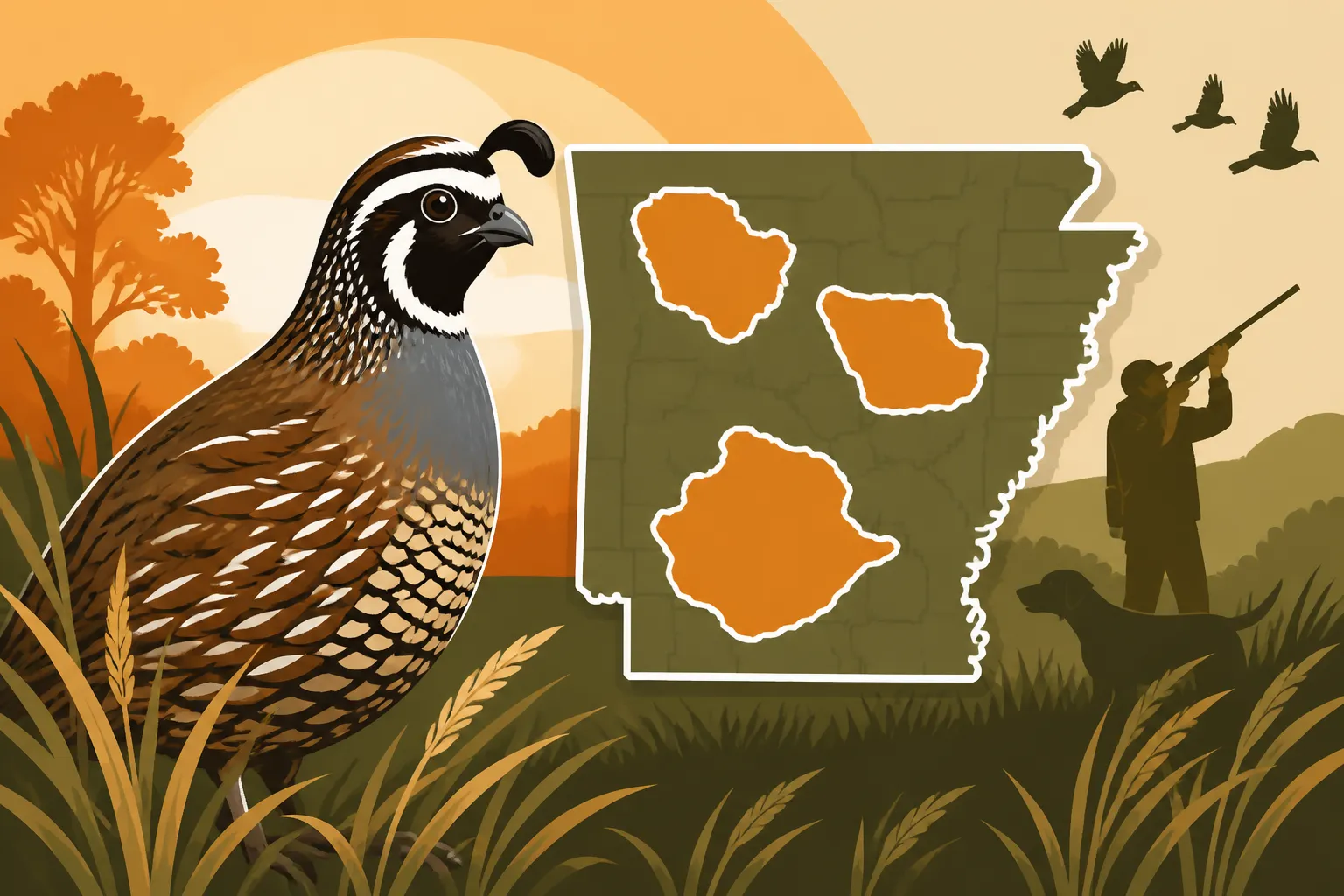
Despite the challenges, there's a concerted effort across Arkansas to bring the bobwhite back. The Arkansas Game and Fish Commission (AGFC), along with various conservation partners, has identified and is actively managing specific "focus areas" designed to create and sustain robust quail populations. These aren't just random spots; they are strategically chosen and managed to give quail the best possible chance.
The Backbone of Restoration: AGFC's Dedicated Efforts
The AGFC has made quail restoration a priority, understanding the cultural and ecological significance of the bobwhite. Their strategy involves habitat management on public lands, incentivizing private landowners, and conducting research to understand what works best in Arkansas's diverse ecosystems. These Arkansas Quail Restoration Efforts are science-driven, focusing on techniques like prescribed burning, mechanical thinning, native grass and forb plantings, and controlling invasive species. It's a long game, requiring patience and sustained commitment, but the results in some areas are beginning to show promise. The goal isn't just to release pen-raised birds—which rarely succeed long-term—but to create self-sustaining wild populations by restoring the habitat they need to thrive.
Spotlight on Specific WMAs and Private Land Initiatives
Many of Arkansas's most promising quail focus areas are found within Wildlife Management Areas (WMAs), where the AGFC has direct control over land management practices. While specific WMAs can change their focus and management intensity over time, places like portions of the Booneville Research Area WMA, the Harold E. Alexander Spring River WMA, and certain units within the Ozark National Forest that have undergone specific timber management are often cited for their quail efforts. These areas are actively managed with prescribed fire, timber thinning, and native plant restoration to create the open, shrubby, and herbaceous cover that quail love.
On the private land front, programs exist to provide technical and financial assistance to landowners interested in quail habitat improvement. These initiatives recognize that private lands are critical for large-scale recovery. For hunters looking to scout these areas, tools like the GoHunt mapping system can be incredibly valuable. Its layers often show land ownership, habitat types, and WMA boundaries, helping you identify potential areas where quail management is taking place. You can use it to pinpoint specific areas within larger public tracts that might hold birds, or even identify adjacent private parcels that could be part of a regional conservation effort.
Characteristics of Productive Quail Habitat
When you're looking for quail, whether on public or private ground, you're essentially looking for a specific type of habitat. Quail are creatures of the "edge" and prefer areas with a patchwork of cover types that provide food, nesting, and protection from predators.
Here’s what makes for good quail habitat:
- Early Successional Vegetation: This is key. Think young pines, scrubby oaks, native grasses like little bluestem and switchgrass, and a variety of wildflowers and weeds. These plants provide dense nesting cover, attract insects for chicks, and produce seeds for adult birds. Areas that have been recently logged and then treated with prescribed fire often fit this description perfectly a few years after the initial disturbance.
- Open Understory: Unlike deer or turkey that might use dense mature timber, quail need an open, walkable understory where they can move freely, find insects, and escape from aerial predators. Prescribed burning is excellent for maintaining this.
- Brushy Escape Cover: Think of plum thickets, blackberry brambles, or small clumps of cedars. These provide critical overhead and lateral cover for quail to duck into when a hawk or coyote shows up. This "covey headquarters" is vital for their survival.
- Diverse Food Sources: Quail eat a wide variety of seeds, berries, and insects. A healthy quail habitat will have a mix of plants that provide these throughout the year. Legumes like partridge pea, ragweed, and various native grasses are excellent seed producers.
When you're out scouting, use resources like the AGFC map tool to identify areas that might have these characteristics. Look for recent timber harvests, areas designated for prescribed burns, or places with diverse plant communities. The more "messy" and diverse the landscape looks, the more likely it is to hold quail.
What Hunters Can Expect and How to Participate
Hunting quail in Arkansas today isn't like it was 50 years ago. It requires more effort, more scouting, and often a shift in expectations. However, for those willing to put in the work, the reward of a wild covey flush is unparalleled.
Navigating Regulations and Opportunities
Before heading out, it's crucial to be familiar with the Small Game Seasons and Limits. Quail season in Arkansas is typically generous in length, but bag limits are conservative, reflecting the lower population numbers. On public lands, especially WMAs, there might be specific rules or even permits required. Always check the current AGFC regulations for the area you plan to hunt. Some WMAs might have restrictions on dog use or shooting hours, or even require a WMA general use permit. If you're planning to hunt on a specific WMA, it’s a good idea to check for any special WMA regulations that might apply. For instance, some WMAs might be involved in specific Arkansas WMA Permits and Draw Hunts for certain species, though this is less common for quail.
When hunting, remember that the goal isn't just to fill your vest, but to enjoy the hunt, work your dogs, and connect with a challenging game bird. The thrill of finding even one covey in a focus area is a success story in itself.
Scouting and Strategy for Quail in Focus Areas
Successful quail hunting today is all about effective scouting and understanding habitat. Don't expect to just drive down a road and find birds; you need to walk, observe, and piece together the puzzle.
Here's how to approach it:
- Pre-Season Reconnaissance: Spend time in the off-season walking potential areas. Look for signs of good quail cover—dense native grasses, brushy thickets, areas with abundant seed-producing plants. Identify escape routes and "covey headquarters" where birds might congregate. This is where tools like GoHunt really shine; you can mark potential areas on your digital map, analyze different habitat types via satellite imagery, and even note access points or obstacles.
- Focus on Edges: Quail love edge habitat—where a field meets woods, a thinned pine stand meets a hardwood bottom, or a recently burned area transitions into unburned cover. These transition zones offer the diversity of resources they need.
- Use Your Dogs (If You Have Them): A good bird dog is indispensable for quail hunting. Their noses can find birds you'd never see, and their pointing ability is key to getting a shot opportunity. Pay attention to how your dog works the cover; they'll often tell you what kind of habitat is holding birds.
- Be Patient and Persistent: You might walk a lot of ground between coveys. Embrace the journey, enjoy watching your dogs work, and appreciate the moments when you do connect. The reward of a solid point and an explosive flush is worth the effort.
- Consider Timing: Quail are often most active in the early morning and late afternoon, feeding or moving between cover. Midday can be slower, especially on warm days, as they might be hunkered down in dense shade.
A thorough understanding of the local geography is paramount. Using resources like the Using the AGFC Map Tool can help you scout public hunting areas effectively, identifying terrain features, habitat changes, and potential travel corridors for birds.
Beyond the Hunt: Supporting Quail Conservation
As hunters, we have a vested interest in the future of bobwhite quail. Beyond purchasing your Arkansas Resident License Options and stamps, there are many ways to contribute to their recovery. Consider joining or supporting organizations like Quail Forever or your local chapter of other conservation groups. These organizations often work directly on habitat projects, advocating for policies that benefit quail, and educating landowners on best management practices. Volunteering for habitat work days, even if it's just helping with a prescribed burn or planting native grasses, directly impacts the birds. Every effort, no matter how small, helps ensure that future generations can still experience the thrill of hunting wild bobwhite quail in Arkansas.
Resources for the Dedicated Quail Hunter
Embarking on a quest for bobwhite quail in Arkansas today means being a proactive and informed hunter. Leveraging available resources can significantly increase your chances of finding birds and contributing to their long-term survival.
Essential Tools for Scouting and Planning
Modern technology has put incredible scouting tools right at our fingertips, revolutionizing how we approach hunting. For quail, where finding specific habitat pockets is key, these tools are invaluable.
- Mapping Applications: Digital mapping apps like GoHunt are a game-changer. They provide detailed satellite imagery, topographical maps, property boundaries, and often public land overlays. You can use GoHunt to identify potential quail habitat like powerline cuts, young timber stands, field edges, or areas of recent prescribed fire. Mark waypoints for promising cover, access points, and even old logging roads that might provide easier walking. This allows for thorough pre-hunt planning, letting you virtually walk the landscape before you ever set foot in the field.
- Arkansas Game and Fish Commission (AGFC) Website: The AGFC website is your official source for regulations, WMA maps, and information on current habitat projects. They often provide updates on specific areas undergoing quail management. Always check the most current regulations for season dates, bag limits, and any WMA-specific rules.
- Aerial Photography and Historical Imagery: Beyond current satellite views, some mapping platforms offer historical aerial imagery. This can be incredibly useful for seeing how a piece of land has changed over time. You might spot old field lines that are now grown up but still hold better habitat, or identify areas that were clear-cut a few years ago and are now in prime early successional habitat for quail.
Connecting with Conservation Groups
The fight to bring back the bobwhite is a collaborative effort, and hunters are a crucial part of the team. Connecting with conservation groups provides not only valuable information but also opportunities to make a direct impact.
- Quail Forever: This national organization has local chapters across the country, including Arkansas, dedicated specifically to quail habitat conservation. Becoming a member or getting involved with a local chapter can connect you with fellow enthusiasts, offer educational seminars on habitat management, and provide hands-on opportunities to work on projects that benefit quail in your area. They are often at the forefront of Arkansas Quail Restoration Efforts, working directly with landowners and public agencies.
- Other Wildlife Conservation Organizations: Many other groups, while not exclusively focused on quail, conduct habitat work that indirectly benefits bobwhites. Organizations like the National Wild Turkey Federation, which often promotes prescribed burning, or various land trust groups, contribute to healthier, more diverse landscapes that can support quail.
- Local Experts: Don't underestimate the power of local knowledge. Talk to AGFC biologists, foresters, or even old-timers at the local coffee shop. While some information might be anecdotal, it can often point you in the right direction or give you insights into specific areas or historical land use patterns that are still relevant today.
By actively utilizing these resources, you're not just looking for a hunt; you're becoming a more informed and engaged steward of Arkansas's wildlife heritage, helping to ensure that the distinctive "bob-white!" call continues to be heard across our landscapes.
| Quail Habitat Component | Description | Why It's Crucial for Quail |
|---|---|---|
| Native Grasses | Little bluestem, switchgrass, indiangrass, broom sedge. | Provides dense nesting cover, bugging areas for chicks, seed food. |
| Forbs (Wildflowers) | Partridge pea, ragweed, lespedezas, other broadleaf weeds. | Excellent seed producers, attract insects for chick development. |
| Shrubby Cover | Plum thickets, blackberry brambles, sumac, young pines, scattered cedars. | Crucial escape cover from predators (raptors, coyotes) and weather. |
| Open Understory | Areas with minimal ground clutter, allowing easy movement. | Enables foraging, travel, and allows coveys to flush easily. |
| Bare Ground Patches | Small, scattered areas of exposed soil. | Important for dust bathing (parasite control) and sunning. |
| Edge Habitat | Transition zones between different cover types (e.g., field-woods interface). | Maximizes access to multiple resources with minimal travel. |
Disclaimer
This article is for general informational purposes only and does not constitute professional advice. Laws, prices and regulations vary by location and change over time. Consult a qualified professional for guidance on your specific situation.