Arkansas Deer Meat Donation Programs
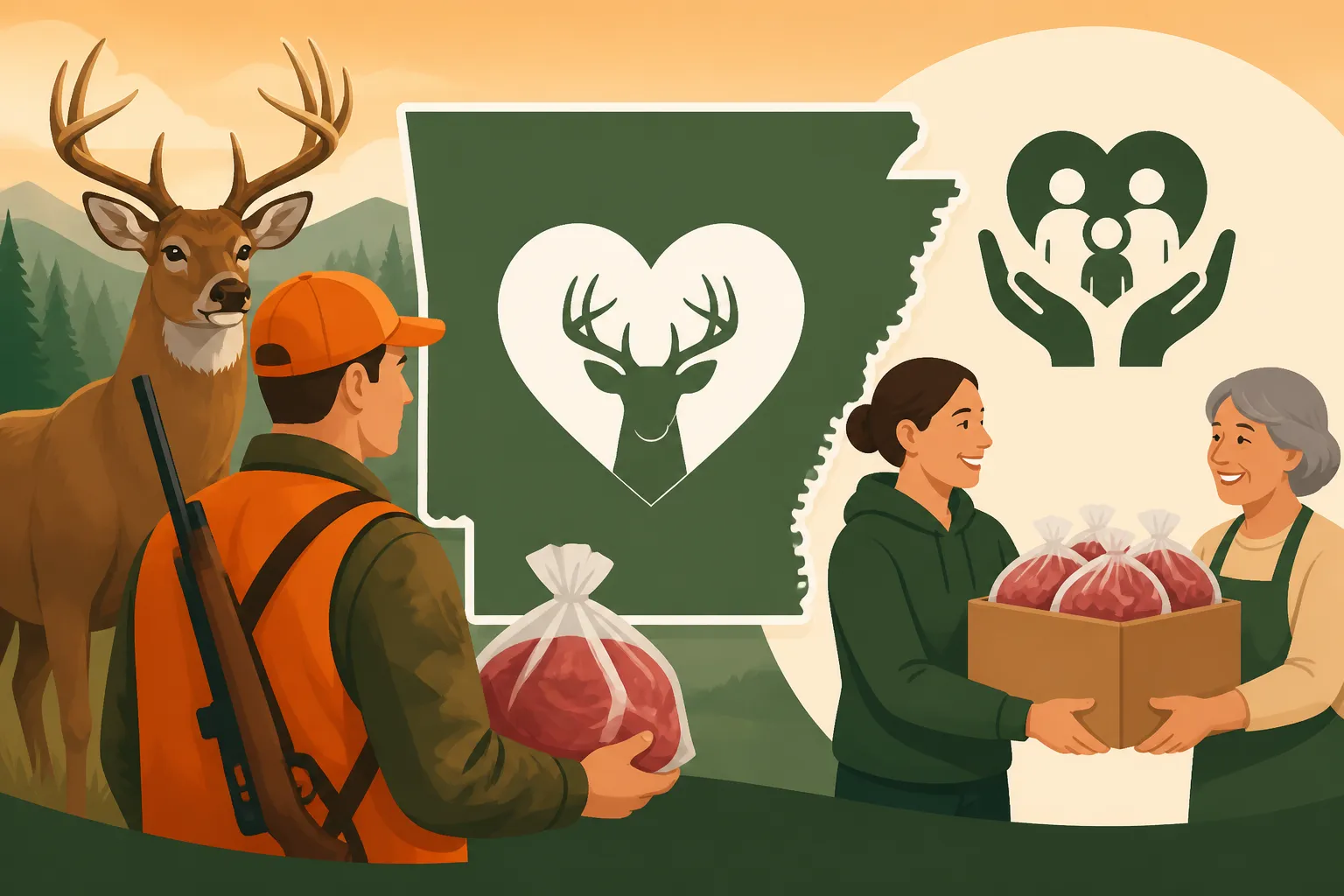
As Arkansas hunters, we've all been there: a successful season means a freezer packed to the brim, and while we cherish every ounce of venison, sometimes we find ourselves with more healthy, wild protein than we can realistically use. This isn't just a logistical challenge; it can also weigh on the conscience of an ethical hunter who believes in utilizing every part of the harvest. Thankfully, Arkansas has wonderful deer meat donation programs that offer a fantastic solution, allowing you to give back to your community by providing nutritious, lean meat to families in need across the state. This guide will walk you through how these programs work, how you can participate, and why your generosity makes such a significant difference.
Why Deer Meat Donation Matters to Arkansas Hunters and Communities
The act of hunting is deeply rooted in providing for oneself and one's family, but for many, it also extends to a broader sense of stewardship and community responsibility. Donating venison is a powerful way to uphold these values, ensuring that a bountiful harvest goes to good use.
The Ethical Hunter's Dilemma and Responsibility
Every ethical hunter lives by a code: respect the animal, respect the land, and never waste. When you take a deer, you commit to utilizing that animal to the best of your ability. But let's be honest, sometimes success can present a logistical problem. Maybe you've filled your tags early in the season, or perhaps you've been particularly fortunate during a peak rut week, and suddenly your freezer, already stocked from last year, just can't handle another big buck or a couple of does. You might look at that beautifully field-dressed deer and think, "I want this amazing protein to feed someone, but I just don't have the space or the need for it all right now." This isn't a sign of being a less enthusiastic hunter; it's a realistic situation many of us face in a state with generous deer limits and long seasons, especially when considering How Many Deer You Can Take in Arkansas in certain zones. Deer meat donation programs provide a responsible and deeply satisfying outlet for that extra harvest, aligning perfectly with the hunter's ethos.
Addressing Food Insecurity in Arkansas
Beyond the hunter's personal satisfaction, the impact on the community is profound. Food insecurity is a stark reality for many families right here in Arkansas. While food banks do incredible work, they often struggle to provide high-quality, lean protein, which is often the most expensive and hardest item to source. That's where venison comes in. Deer meat is naturally lean, packed with protein, and an incredibly healthy food source. A single deer can yield a significant amount of ground venison, chops, and roasts, providing hundreds of meals. When you donate deer meat, you're not just clearing out your freezer; you're directly contributing to the well-being of your neighbors, offering them a nutritious meal that might otherwise be out of reach. It’s a tangible way for the hunting community to contribute positively to the broader social fabric of our state.
How Arkansas Deer Meat Donation Programs Work: A Step-by-Step Guide
Donating your deer meat might seem like a complex process, but it's actually quite streamlined thanks to dedicated organizations and a network of processors. Understanding the steps makes it much easier to participate.
Finding Participating Processors
The first, and perhaps most crucial, step in donating your deer is locating a certified processing facility that participates in a donation program. You don't typically drop off a deer directly at a food bank. Instead, these programs partner with licensed, reputable meat processors who handle the breakdown, packaging, and distribution of the venison. These processors ensure the meat is handled safely and hygienically, meeting all food safety standards before it reaches a family's table.
To find a participating processor, your best bet is to check with state wildlife agencies or state-level non-profit organizations dedicated to venison donation. They usually maintain an updated list of approved processors by county or region. Sometimes, even local hunting forums or communities you might find through general hunting resources, like some mapping features on platforms like GoHunt, can offer anecdotal information about processors, but always verify with official sources. It's important to do this research before you head out for your hunt, so you know exactly where you're taking your deer once it's on the ground. You'll want a processor that's reasonably close to your hunting area, especially if you're out hunting on public lands such as those found on Arkansas Wildlife Management Areas.
The Donation Process and What to Expect
Once you've successfully harvested a deer and located a participating processor, the process unfolds with a few key steps:
- Field Dressing: This is absolutely critical. Your deer must be properly field dressed immediately after harvest to ensure the meat remains clean and cools down quickly. If you're new to this or need a refresher, resources like Field Dressing in Arkansas Heat or even a quick look at Butchering a Deer at Camp can give you an idea of the best practices for clean game handling.
- Transportation: Get your deer to the processor as quickly and cleanly as possible. During warmer early season hunts, like Bowhunting Arkansas in September Heat, rapid cooling and transport are even more vital. Many hunters use deer carts, ATVs, or simply drag their deer to their vehicle, where it should be secured to prevent contamination during transit.
- Drop-Off and Paperwork: At the processor, you'll typically fill out a simple form indicating your intent to donate. The processor will verify your deer is legally harvested and properly checked, as per Arkansas Deer Checking and Tagging requirements. They'll also inspect the carcass to ensure it's in good condition for donation – no visible signs of disease, excessive trauma, or spoilage.
- Processing Fees: This is where programs can differ. Some statewide venison donation programs work to cover all or most of the processing fees through grants and donations. In other cases, the hunter might be asked to pay a reduced fee for the processing. It's essential to clarify this with your chosen processor or the program itself beforehand so there are no surprises. This fee, if applicable, is a small price to pay for the tremendous good your donation will do.
Here's a quick checklist to keep handy:
| Step | Action | Notes |
|---|---|---|
| Research | Find participating processors before your hunt. | Check state wildlife agency or program websites. |
| Harvest | Legally harvest a healthy deer. | Ensure it complies with Arkansas Deer Seasons and Zone Limits. |
| Field Dress | Immediately and thoroughly field dress the deer. | Cleanliness and rapid cooling are paramount for meat quality. |
| Check Deer | Complete all legal checking/tagging requirements. | Necessary for legal compliance and processor acceptance. |
| Transport | Get the deer to the processor quickly and cleanly. | Protect from heat and contamination. |
| Drop-Off | Complete donation paperwork at the processor. | Be prepared to answer questions about the harvest location and date. |
| Fees | Confirm processing fee arrangements with the processor or program. | Be ready to pay a fee if the program doesn't cover it entirely. |
| Impact | Feel good knowing your harvest will feed families in need. | Your contribution makes a real difference! |
Maximizing Your Impact and Ensuring a Successful Donation
While the act of donating is noble, ensuring your donation is accepted and makes the greatest impact requires a bit of attention to detail and preparation.
Preparing Your Harvest for Donation
The quality of the venison is paramount, both for the processor and, more importantly, for the families who will ultimately consume it. Think about the care you’d take if you were preparing the meat for your own family’s table – that’s the standard you should aim for.
First, cleanliness and rapid cooling cannot be stressed enough. As soon as you make the shot and recover your deer, begin field dressing. Remove the entrails carefully to avoid contaminating the meat. Then, work to cool the carcass as quickly as possible. This is particularly challenging in Arkansas, especially during the warmer early archery season. Even in a mild Cooling Meat in an Arkansas November, getting the body cavity open and aired out is crucial. If you're hunting in particularly remote areas, having a plan to get the deer out quickly to a cooler or directly to the processor is key. Some hunters will even pack ice into the body cavity if transport is delayed. A deer that has spoiled or shows signs of neglect will not be accepted for donation, and rightly so.
Second, the deer must be legally harvested, checked, and tagged. No program can accept illegally taken game. Before you even consider donation, ensure you've followed all the rules for Arkansas Deer Checking and Tagging, including registering your harvest with the state wildlife agency. This documentation is often required by the processor to verify the deer's origin.
Finally, a word on Chronic Wasting Disease (CWD). Arkansas has CWD management zones, and deer from these areas require special attention. Processors participating in donation programs may have specific protocols for deer harvested in CWD zones, which could include requiring CWD testing results or not accepting deer from certain high-prevalence areas. It's crucial to check with the specific processor and the donation program about their CWD policies before you hunt if you plan to donate a deer from a known CWD zone. For more on this, you can look into Arkansas CWD Rules and Carcass Transport. Your vigilance in adhering to these guidelines not only protects public health but also helps maintain the integrity of the donation program.
Supporting the Programs Beyond Your Harvest
Not everyone fills their tags, or perhaps the timing isn't right for a venison donation. But that doesn't mean you can't support these vital programs. Many of these initiatives rely heavily on more than just donated deer.
- Financial Contributions: Covering the processing costs for donated deer is a major expense for these programs. A monetary donation, no matter the size, can help ensure that a hunter's donated deer gets processed and distributed, especially if a hunter cannot afford the fee themselves. This directly translates into more meals for hungry Arkansans.
- Volunteering Time: While less common for hunters directly, some organizations might need volunteers for administrative tasks, fundraising events, or even assisting at food bank distribution points. Check with local food banks or the donation program directly to see if they have volunteer opportunities.
- Spreading Awareness: Talk to your hunting buddies! Many hunters aren't even aware these programs exist or how easy it is to participate. A simple conversation over coffee or at deer camp can introduce more people to this valuable way of giving back. Encourage others to explore resources from the state wildlife agency, and even general hunting platforms like GoHunt, for information that can lead them to these opportunities.
- Partial Donations: Some programs are flexible. If you have a large deer and only want to keep a portion for yourself, you might be able to donate the rest. This allows you to still enjoy your hard-earned venison while contributing to the community, making it a win-win.
Common Questions and Misconceptions About Donating Deer Meat
It's natural to have questions when considering something new, and deer meat donation is no exception. Let's clear up some common inquiries.
Are there fees involved for the hunter?
This is one of the most frequently asked questions, and the answer is: it varies. Many established venison donation programs work tirelessly to secure funding through grants and private donations to cover the processing fees entirely. Their goal is to make it as easy as possible for hunters to donate, removing any financial barrier. However, some smaller processors or programs might ask for a reduced processing fee from the hunter to help cover their costs. This fee is often significantly less than what you would pay for custom processing of your own deer. Always confirm the fee structure with the participating processor or the program coordinator before you drop off your deer. Regardless of whether a small fee is involved, the value of the lean, healthy protein you're providing to someone in need far outweighs any cost.
What kind of deer can be donated?
Generally, any legally harvested, healthy deer can be donated. This means both antlered bucks and antlerless does are typically accepted. What matters most is the condition of the animal and that it was taken legally. The deer must be field dressed promptly and thoroughly, cooled quickly, and show no signs of spoilage, advanced disease, or excessive trauma. The processor's inspection is the final say, as they are responsible for ensuring the meat is safe for consumption. Programs are looking for good, clean meat that will be a valuable food source. Remember, legal harvest means adhering to all season dates, bag limits, and specific regulations like The Arkansas Three-Point Rule where applicable.
How does the meat get to those in need?
This is where the magic really happens, connecting the hunter's efforts to the community's needs. Once you've dropped off your legally harvested and properly handled deer at a participating processor, their work begins. The processor will skin, butcher, and package the venison, often grinding much of it into versatile ground meat. This ensures it's easy for families to cook and use.
After processing, the packaged venison is then collected by food banks, local food pantries, soup kitchens, or other charitable organizations. These organizations have established networks for distributing food to individuals and families experiencing food insecurity. They ensure the venison reaches those who need it most, providing a high-quality protein source that is often difficult for them to acquire through other means. Your donation goes directly from the field, through the processor, and onto the plates of your fellow Arkansans.
What about CWD?
Chronic Wasting Disease (CWD) is a serious concern in wildlife management, and it naturally impacts venison donation programs. Most programs and participating processors operate under strict guidelines regarding CWD. If you harvest a deer in one of Arkansas's CWD management zones, it is highly likely that specific protocols will apply.
Some programs may require that deer harvested in CWD zones be tested for the disease before the meat can be distributed. If a deer tests positive for CWD, it will not be accepted for donation and should not be consumed. Other programs or processors might have blanket policies against accepting deer from CWD-positive counties, or they may only accept certain parts of the animal. It is absolutely imperative that you contact the specific processor and the donation program directly to understand their current CWD policies before you plan to donate a deer from any CWD zone. These rules are in place to protect public health and maintain trust in the safety of donated venison. Being informed about Chronic Wasting Disease in Arkansas and its implications is a responsible part of hunting and donating.
Here’s a summary of the benefits of participating:
| For Hunters | For Recipients (Food-Insecure Families) |
|---|---|
| Ethical Use of Harvest | Access to High-Quality Protein |
| Reduces freezer overflow | Nutritious, lean, wild game meat |
| Sense of community contribution | Helps combat food insecurity |
| Promotes responsible hunting | Provides diverse meal options |
| Supports local processors | No cost for the protein-rich food |
| Minimal cost (often free) for the hunter | Supports community health and well-being |
Disclaimer
This article is for general informational purposes only and does not constitute professional advice. Laws, prices and regulations vary by location and change over time. Consult a qualified professional for guidance on your specific situation.