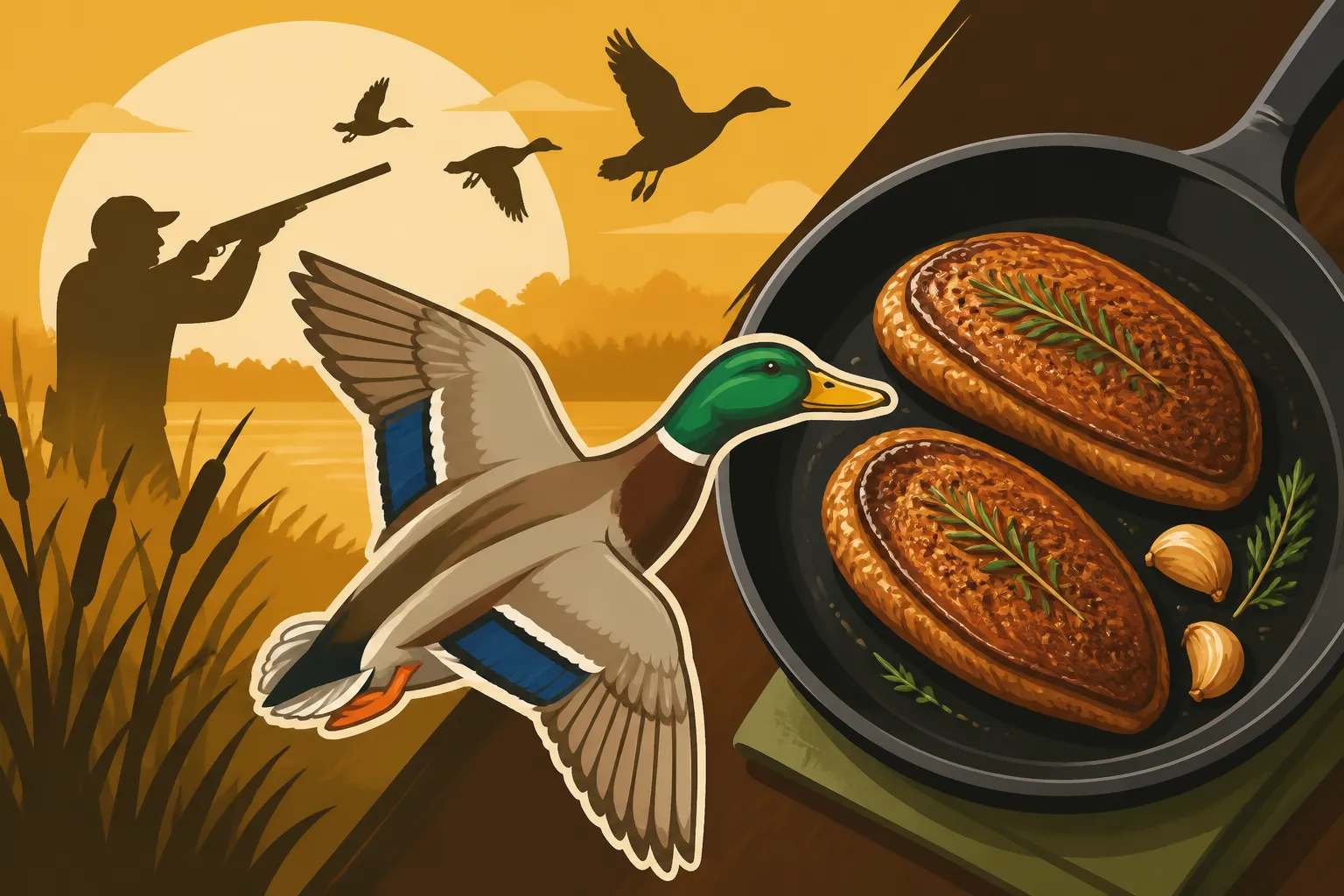
Cooking a Delta Mallard
There's nothing quite like the satisfaction of sitting down to a meal featuring game you've harvested yourself, especially when it's a plump Delta mallard. But let's be honest, cooking wild duck can be a bit intimidating for some folks. You hear tales of "gamey" flavors or tough, dry meat, and it can deter even seasoned hunters from truly savoring their hard-earned birds. This guide is here to bust those myths and equip you with the knowledge to transform your Delta mallard from a freezer inhabitant into a truly delicious centerpiece, celebrating the rich flavors of Arkansas's wetlands.
The Delta Mallard Difference: Why They're Special (and a Bit Challenging)
Cooking a wild mallard isn't quite the same as cooking a store-bought Pekin duck, and understanding these differences is the first step to culinary success. Our Arkansas Delta mallards live a life of freedom, foraging on natural foods, and that lifestyle shapes their meat in distinct ways.
Diet and Flavor Profile
Imagine a duck that spends its days feasting on a smorgasbord of nature's bounty – that's your Delta mallard. They're not just eating corn; they're diving for submerged vegetation, slurping up various insects, and, perhaps most famously, gorging on the abundant acorns from the flooded timber and waste grains like rice and soybeans left in the fields after harvest. This diverse diet is precisely what gives their meat that deep, rich, often complex flavor profile that many wild game enthusiasts cherish. It’s what makes them taste like the wild.
Some folks might describe this as "gamey," and for a palate accustomed only to farm-raised poultry, it can be a surprise. But for those of us who appreciate truly natural flavors, it's a hallmark. The type of food available in specific areas can even subtly alter the taste; a bird from a heavy acorn flat might taste a little different from one that’s been hammering waste rice. Understanding this helps you appreciate the uniqueness of each bird you bring home.
Lean Meat and Cooking Considerations
One of the most significant differences between your Delta mallard and a domestic duck is its leanness. Wild mallards are athletes, constantly migrating, foraging, and flying. They build muscle, not fat. This means their meat is incredibly lean, with most of the fat concentrated directly under the skin.
This leanness is a double-edged sword: it means incredibly flavorful meat, but it also means a very low tolerance for overcooking. If you treat a wild duck breast like a chicken breast and cook it to well-done, you're going to end up with something dry and tough, resembling shoe leather rather than a gourmet meal. The key to unlocking its tenderness and flavor is to cook it quickly and to a medium-rare or medium doneness. That little bit of pink in the middle is not only safe but essential for a succulent result.
Plucking vs. Breast Filleting
Before you even get to the stove, you have a crucial decision to make: pluck the bird whole, or simply remove the breasts (and perhaps the legs and thighs)? This choice significantly impacts your cooking options and the final flavor.
Plucking a duck, while more labor-intensive, allows you to cook the bird with its skin and subcutaneous fat intact. This fat, when rendered properly, can be incredibly delicious and helps keep the meat moist. It's also where a lot of that unique wild flavor resides. If you're roasting a whole bird, plucking is generally the way to go. However, if the bird is heavily shot or the skin is damaged, it might not be worth the effort.
Breast filleting, on the other hand, is quicker and often preferred by those who want to minimize any "gamey" notes. By removing the skin and fat, you're left with pure, lean breast meat. This is ideal for pan-searing or recipes where you want a cleaner, less fatty profile. Many hunters choose to breast out their birds on the spot, especially when dealing with a large bag limit, making the cleaning process at home much faster. The legs and thighs, often tougher, can be separated for confit or slow-cooking.
Essential Preparation for a Delicious Delta Mallard
The journey to a delicious wild duck dinner begins long before you even consider seasoning. Proper handling from the moment the bird is retrieved is paramount to ensuring great flavor and texture. Think of it as the foundation of your culinary masterpiece.
Field Dressing and Cooling (Crucial First Steps)
This cannot be stressed enough: immediate field dressing and rapid cooling are non-negotiable for any wild game, and especially for ducks. As soon as you retrieve your mallard, if possible, field dress it. This means removing the internal organs. This simple act helps the bird cool down much faster, preventing bacterial growth and the development of off-flavors that often get mistaken for "gamey" taste. Blood left in the cavity can also contribute to a stronger flavor, so cleaning it out right away is beneficial.
Once field dressed, get that bird cool, and keep it cool. On a chilly December morning in Arkansas, you might just need to put it in a shady spot. But if you're hunting during the warmer early season splits, or even during a mild December afternoon, a cooler with ice is your best friend. Many hunters will even submerge their ducks in an ice water bath for a quick cool-down before transferring them to a cooler with ice. This rapid cooling halts enzyme activity and helps preserve the quality of the meat. Just as you would carefully handle a deer after the shot, proper attention to Field Dressing a Deer in Warm Weather principles applies equally here to ensure your duck meat is prime.
Cleaning and Brining Your Mallard
After the hunt and proper cooling, it's time for the final cleaning. Whether you've plucked the bird or decided to breast it out, thoroughness here pays dividends. For plucked birds, meticulously remove any remaining pin feathers. You can use a bit of wax, singe them off quickly with a small torch, or simply pull them by hand. Ensure all shot pellets are removed from the meat; biting down on a BB is never a pleasant surprise. Give the bird a good rinse, inside and out, under cold running water.
Brining is a game-changer for wild duck. Because wild ducks are so lean, they can dry out quickly, and brining helps the meat retain moisture. It also subtly enhances flavor and can tenderize slightly. A basic brine is simply water, salt, and a touch of sugar. You can add aromatics like garlic, bay leaves, or peppercorns. For an even more tender result, some swear by buttermilk brine, which uses the lactic acid to gently break down muscle fibers. Place your cleaned duck, whole or breasted, into the brine and refrigerate. Generally, 4-8 hours for breasts or 8-12 hours for a whole bird is sufficient. Remember, a quick search on GoHunt might even reveal some fantastic brining recipes specific to waterfowl, giving you a head start with proven methods.
Dealing with Fat and Skin (or Lack Thereof)
The decision to keep or remove the skin and fat layers largely depends on your cooking method and personal preference. If you've plucked the bird and intend to roast it whole or pan-sear the breasts with the skin on, the goal is to render that fat into crispy deliciousness.
To do this, score the skin in a crosshatch pattern, being careful not to cut into the meat. This allows the fat to melt out during cooking. Starting skin-side down in a cold pan and slowly heating it is the classic approach for breasts. The fat that renders out can then be saved and used for cooking other dishes – it's pure liquid gold!
If you're not a fan of the stronger flavor that can come with the skin and fat, or if your bird is heavily shot and the skin is damaged, then removing all of it is the way to go. Just breast out the bird, then carefully peel away the skin and any visible layer of fat underneath. You'll be left with beautiful, dark red, lean muscle. When preparing for a pan-sear, this often means skipping the scoring step and going straight to seasoning.
Top Methods for Cooking Delta Mallards to Perfection
Once your Delta mallard is properly cleaned and prepped, it's time for the real magic to happen. The key to successful wild duck cooking is to respect its lean nature. Think quick, high-heat methods for breasts, and thoughtful moisture management for whole birds or tougher cuts.
Pan-Seared Duck Breast (Quick and Classic)
This is, hands down, one of the most popular and often easiest ways to enjoy duck breast, especially for a single meal or a quick weeknight dinner. It’s all about achieving a beautiful, crispy skin (if kept on) and a perfectly pink interior.
First, ensure your duck breasts are thoroughly dry. Pat them down with paper towels. If the skin is on, score it in a crosshatch pattern without cutting into the meat. Season generously with salt and fresh cracked black pepper, and perhaps a little garlic powder or your favorite wild game rub. Place the breasts, skin-side down, in a cold oven-safe skillet (cast iron works wonderfully) over medium heat. As the pan slowly heats, the fat will gradually render out, resulting in incredibly crispy skin.
Cook skin-side down for about 6-10 minutes, depending on the thickness of the breast and the desired crispiness. You'll see the fat rendering and the skin turning golden brown. Once the skin is beautifully crisp, flip the breasts and sear the meat side for only 2-4 minutes. You're aiming for a medium-rare to medium internal temperature, around 130-140°F. Use a meat thermometer if you're unsure – it's your best friend here. Remove the breasts from the pan and let them rest on a cutting board, tented loosely with foil, for at least 5-10 minutes. This resting period is crucial, allowing the juices to redistribute and ensuring a tender, moist result. Slice thinly against the grain and serve immediately, perhaps with a simple pan sauce made from the rendered fat, a splash of wine, and some fruit preserves.
Roasting a Whole Mallard (With Moisture Retention in Mind)
Roasting a whole mallard can be incredibly rewarding, creating a stunning presentation and a rich, flavorful meal. However, because of the lean breast meat, you need a strategy to keep everything moist and prevent the breast from drying out before the legs and thighs are tender.
If you've plucked your bird, start by patting it very dry, inside and out. Season the cavity with salt and pepper, and stuff it with aromatics like half a lemon, some fresh thyme sprigs, garlic cloves, or half an onion. This infuses flavor from the inside out. To protect the lean breast meat, you can "bard" it – that is, lay strips of bacon or thinly sliced fatty pork over the breast. As the bacon cooks, its fat will baste the duck, adding moisture and flavor. Another trick is to rub the breast with butter or olive oil.
Roast the mallard at a higher temperature, around 400-425°F, for a shorter duration than a domestic bird or a chicken. A general guideline is about 20-30 minutes, or until an internal temperature of 135-140°F is reached in the thickest part of the breast. Remember, wild duck is best served medium-rare. If you prefer the legs and thighs more done, consider removing the breast meat to rest once it hits temperature, and return the legs/thighs to the oven for another 10-15 minutes. Alternatively, you can spatchcock the bird (butterfly it by removing the backbone) to allow it to cook more evenly. After roasting, rest the bird for 10-15 minutes before carving. The delicious rendered duck fat and pan drippings can be used to make a phenomenal gravy.
Slow-Cooking or Braising (For Tougher Birds or Comfort Food)
Not every mallard is a young, tender bird destined for a quick sear. Older birds, or those that might have taken a bit more shot, can benefit immensely from slow-cooking or braising. This method breaks down connective tissues, tenderizing the meat and allowing it to absorb rich flavors from the cooking liquid. It's perfect for hearty stews, gumbos, or pulled duck preparations.
If you're braising, you'll typically cut the duck into pieces (breasts, legs, thighs, wings, if desired). Brown the duck pieces aggressively in a Dutch oven or heavy pot to develop a deep, flavorful crust. Remove the duck, then sauté aromatics like onions, carrots, and celery in the remaining fat. Deglaze the pan with wine or broth, then add your braising liquid (chicken or beef broth, vegetable stock, tomato sauce) along with herbs and spices. Return the duck to the pot, ensuring it's mostly submerged, and bring to a simmer. Cover tightly and transfer to a low oven (around 300°F) or continue simmering gently on the stovetop for 2-3 hours, or until the meat is fork-tender and practically falling off the bone.
This method is also fantastic for making duck confit, where legs and thighs are cured in salt and then slowly cooked in their own rendered fat. While traditional confit is a multi-day process, simplified versions can be made in a slow cooker or oven. Imagine pulling tender, flavorful duck meat apart for tacos, sandwiches, or a rich pot pie. It's a wonderful way to utilize every part of your bird. GoHunt has a community of hunters and chefs, so you might find some amazing slow-cooker duck recipes shared there!
Flavor Pairings and Serving Suggestions
You've put in the work, from the hunt to the careful preparation. Now it's time to elevate your Delta mallard to a truly memorable meal by pairing it with the right flavors and accompaniments. Wild duck, with its rich, savory profile, can stand up to bold flavors, but it also shines with simple, thoughtful additions.
Complementary Sauces and Accompaniments
The beauty of wild duck lies in its versatility. For pan-seared breasts or roasted whole birds, fruit-based sauces are often a perfect match. The sweetness and acidity of fruits cut through the richness of the duck and highlight its unique taste. Think classic cherry or orange sauces, or something a bit more adventurous like blackberry or fig. A simple red wine reduction, perhaps with a touch of balsamic vinegar and some shallots, also works wonders, adding an elegant touch without overpowering the duck. If you've got those delicious pan drippings from a roasted bird, a savory gravy built on that foundation is always a winner.
As for sides, you can't go wrong with staples that complement rich meats. Wild rice, with its nutty earthiness, is a natural pairing and ties back to the duck's natural habitat. Roasted root vegetables like carrots, parsnips, or sweet potatoes bring sweetness and texture. Creamy mashed potatoes or rich polenta can soak up those delicious juices. For a touch of Southern comfort, consider serving your duck with grits or a side of sautéed greens. When it comes to finding Best-Eating Game in Arkansas, a properly prepared mallard certainly ranks high, and these pairings ensure it shines.
Don't Waste the Whole Bird: Stock and More
One of the great joys of hunting and cooking your own game is embracing a nose-to-tail philosophy, ensuring nothing goes to waste. After you've enjoyed the prime cuts of your Delta mallard, don't just toss the carcass. It's a goldmine of flavor waiting to be unlocked.
The leftover bones and any trimmed parts, like the neck or wingtips, are perfect for making a rich, deeply flavored duck stock. Simply simmer them with onions, carrots, celery, bay leaves, and peppercorns for several hours. This stock can then be used as the base for soups, stews, risottos, or as a braising liquid for future duck dishes. It's far superior to store-bought broth and adds an incredible depth of flavor that store-bought simply cannot replicate. For those keen on Arkansas Deer Camp Traditions, making a hearty stew from leftover game parts is a cherished ritual, and duck stock elevates any such creation.
If you've opted to breast out your birds, you'll be left with the legs and thighs. These cuts, while tougher for quick-cooking methods, are absolutely ideal for slow applications like confit. While making traditional duck confit is a bit of a project, the results are incredibly tender, flavorful meat that can be flaked into salads, crisped up as a side dish, or used in other gourmet preparations. Many online resources, and likely even GoHunt forums, offer excellent recipes for utilizing duck legs and thighs to their fullest potential. Taking the time to use the entire bird honors the animal and provides you with even more delicious meals.
| Cooking Method | Best Use | Prep Considerations | Ideal Doneness | Common Flavor Profile |
|---|---|---|---|---|
| Pan-Seared Breast | Quick meals, tender young birds | Score skin (if on), pat dry, season well, cold pan start | Medium-Rare (130-140°F) | Crispy skin, rich, juicy |
| Roasting Whole | Special occasions, impressive presentation | Aromatic stuffing, barding breast with fat/bacon, high heat | Medium-Rare (135-140°F) | Deeply savory, moist (if done right) |
| Braising/Slow-Cook | Older birds, tougher cuts, comfort food | Brown first, ample liquid, aromatics, low & slow heat | Fork-Tender | Rich, melt-in-your-mouth, absorbed flavors |
Disclaimer
This article is for general informational purposes only and does not constitute professional advice. Laws, prices and regulations vary by location and change over time. Consult a qualified professional for guidance on your specific situation.