Arkansas Refuge Hunting Rules
Hunting in Arkansas is a time-honored tradition, but when you venture onto federal lands like our National Wildlife Refuges (NWRs), it can feel like you're stepping into a whole new ballgame of regulations. It's frustrating to sort through overlapping state and federal rules, trying to figure out if your favorite shotgun shells are legal or if that prime slough is even open. This guide is here to untangle the complexities of Arkansas refuge hunting rules, giving you a clear path to understanding what's allowed and how to prepare for a successful and legal hunt.
Understanding Arkansas National Wildlife Refuges (NWRs)
Arkansas is blessed with an abundance of natural beauty and wildlife, and a significant portion of that is preserved and managed through our National Wildlife Refuge system. These aren't just pretty parks; they're vital habitats that also offer incredible hunting opportunities, albeit with a unique set of rules that often differ from state-managed lands. It's easy to get them confused with state WMAs, but understanding their specific mission and governing body is key to a hassle-free hunting experience.
The Mission of NWRs and Hunting
At their core, National Wildlife Refuges are managed by the U.S. Fish and Wildlife Service (USFWS) with a primary mission: to conserve, protect, and enhance fish, wildlife, plants, and their habitats. While conservation is the driving force, Congress recognized that hunting, fishing, wildlife observation, photography, environmental education, and interpretation are all "wildlife-dependent recreational uses" that are appropriate on refuges when they are compatible with the refuge's primary conservation objectives.
This "compatibility determination" is why refuge rules can be so specific and, at times, more restrictive than what you might find on an Arkansas Game and Fish Commission (AGFC) Wildlife Management Area (WMA). For instance, a refuge might close certain areas during critical nesting periods, or restrict specific hunting methods to protect vulnerable species, even if those methods are perfectly legal on adjacent state land. It's all about balancing public access with the long-term health of the ecosystem and the species it supports. So, when you see a regulation that seems overly specific, remember it's usually tied back to a deep ecological purpose.
Key NWRs in Arkansas for Hunting
Arkansas is home to several prominent National Wildlife Refuges that offer fantastic hunting, primarily for waterfowl and deer. Each refuge has its own management plan and, therefore, its own set of rules, often detailed in a specific annual hunting and fishing brochure. It's crucial not to assume that what's legal on one refuge is legal on another.
For duck hunters, places like Dale Bumpers White River Refuge and Cache River National Wildlife Refuge are legendary, drawing hunters from across the country. These refuges encompass vast tracts of flooded timber and cypress-tupelo swamps, providing critical wintering habitat for millions of migratory birds. However, hunting here often involves unique challenges, such as navigating extensive water, understanding draw systems, and adhering to strict entry and exit times. Further south, the Felsenthal and South Arkansas Refuges offer excellent opportunities for ducks and deer, with different habitat types that influence hunting strategies and rules. In the Arkansas River Valley, Holla Bend and Arkansas River Refuges present a mix of field and bottomland hunting. Up in the northeast, Big Lake and Northeast Arkansas Refuges also provide critical waterfowl habitat. Each one is a treasure, but you've got to do your homework.
Differences from State WMAs
The most significant difference between hunting on an NWR and an AGFC-managed WMA boils down to who's in charge and their primary directives. WMAs are managed by the state, adhering to state regulations set by the AGFC, which are designed to manage harvest and provide recreational opportunities within Arkansas's wildlife conservation goals. While WMAs also have specific rules (like those for Arkansas WMA Permits and Draw Hunts), they generally operate under the broader umbrella of statewide seasons and limits.
NWRs, on the other hand, are federal properties, managed by the USFWS, and their rules are layered on top of, or sometimes supersede, state regulations. This means that while you still need your state hunting license and stamps, you'll also likely need a federal refuge permit, and the season dates, bag limits, shooting hours, or allowed methods might be more restrictive than the statewide framework. For example, a refuge might open deer season later than the statewide opener or limit the caliber of rifle you can use, even if it's legal statewide. It's like having a local city ordinance on top of state law—you have to abide by both, and the more restrictive rule wins. This layering is what makes understanding refuge rules so important, and sometimes, a little confusing.
General Hunting Regulations on Arkansas Refuges
When you plan a hunt on an Arkansas National Wildlife Refuge, you're essentially entering federal territory, which means a different set of foundational rules might apply. It's not just about what you can hunt, but how, when, and with what equipment. Many hunters get tripped up here because they assume statewide regulations will suffice. That's a mistake that can lead to a forfeited hunt or worse.
Federal vs. State Regulations: Which Takes Precedence?
This is perhaps the most critical point to grasp about refuge hunting. When federal and state regulations differ, the most restrictive regulation always applies. This is not a suggestion; it's a legal requirement. For instance, if Arkansas's statewide duck season allows for a six-duck bag limit, but a specific NWR's annual hunting plan limits it to three mallards, then you can only take three mallards on that refuge, even if the state allows more. Similarly, a refuge might have later opening dates, earlier closing dates, or specific days of the week when hunting is not permitted, overriding the statewide calendar.
It's also important to remember that all state licensing, stamps, and hunter education requirements still apply. You'll need your Arkansas hunting license, federal duck stamp (if waterfowl hunting), and any other state-mandated permits. The refuge's rules are an addition to these, not a replacement. This dual layer of regulation underscores the importance of thoroughly reviewing both the current AGFC regulations and the specific refuge's annual hunting and fishing brochure before every single visit.
Permit Requirements and Application Processes
Most, if not all, NWRs in Arkansas that permit hunting will require a special refuge-specific permit, often a no-cost annual permit that you obtain directly from the refuge office or their website. Some refuges might also implement draw systems for high-demand areas or specific hunts, similar to some Arkansas WMA Waterfowl Draw Hunts. For example, a particular green timber unit on White River NWR might require a draw application and selection process due to limited capacity and high demand.
These permits serve several purposes: they allow refuge staff to manage hunter numbers, track harvest data, and ensure hunters are aware of the specific rules for that area. The application processes can vary, so you'll need to check the individual refuge's website or contact them directly well in advance of the season. Don't show up on opening morning expecting to buy a permit at the gate – that's almost never how it works. Always confirm the specific permit requirements, application deadlines, and any associated fees (though many general refuge permits are free, there might be fees for special draws or specific hunt types) to avoid disappointment.
Nontoxic Shot and Ammunition Rules
One universal rule you'll encounter on virtually all NWRs that permit hunting is the requirement for nontoxic shot for all hunting, regardless of species. While Arkansas state law mandates nontoxic shot only for waterfowl hunting (as detailed in Nontoxic Shot Rules in Arkansas), federal refuges extend this requirement to cover all shotgun hunting, including upland birds, small game, and even some deer hunting scenarios where shotguns are allowed. This means if you're squirrel hunting with a shotgun on an NWR, you must use steel, bismuth, or another approved nontoxic shot type, even if lead shot is perfectly legal for squirrels on private land or state WMAs.
This regulation is a critical component of habitat protection, preventing lead contamination in sensitive wetland ecosystems and for scavengers that might consume wounded game. For rifle and muzzleloader hunting, lead bullets are generally permitted for deer and bear, but it's still prudent to double-check the specific refuge's rules, as some progressive refuges are starting to encourage or even require nontoxic bullets for big game. Always read the fine print in the refuge's hunting brochure regarding ammunition types, as violations can lead to severe penalties.
Specific Species and Season Rules on Refuges
While Arkansas's overall hunting seasons and bag limits are set by the AGFC (like Arkansas Deer Seasons and Zone Limits or Arkansas Waterfowl Seasons and Zones), the National Wildlife Refuges operate with a degree of autonomy that allows them to modify these regulations to fit their specific conservation objectives. This means that your usual understanding of statewide hunting dates and species limits might not fully apply once you cross into refuge boundaries.
Waterfowl Hunting Nuances on Refuges
Waterfowl hunting is often the most popular activity on many Arkansas NWRs, particularly those in the Delta region. These refuges are magnets for ducks and geese along the Mississippi Flyway, but with that popularity comes strict management. Refuge waterfowl seasons are frequently shorter than the statewide season, often closing earlier or operating on fewer days of the week (e.g., only Tuesday, Thursday, and Saturday). Daily shooting hours might also be condensed, opening later or closing earlier than the standard half-hour before sunrise to sunset.
Furthermore, bag limits for specific species, especially mallards, can be more restrictive on refuges. Where the state might allow a generous limit, a refuge might impose a lower one to spread hunting pressure and reduce overall harvest on its concentrated bird populations. Access methods are also highly regulated; some refuges might allow boats in certain areas but prohibit ATVs, while others might restrict outboard motor sizes or require specific boat blinds. Decoy placement, use of calls, and even the number of hunters allowed in a specific area (often managed through draws or designated hunting zones) are all typical refuge-specific rules. It's a system designed to provide quality hunting while ensuring the long-term health of the waterfowl resource.
Deer and Small Game Opportunities
Beyond ducks, many NWRs in Arkansas offer excellent deer hunting, and some even provide opportunities for small game like squirrels and rabbits. For deer hunting, refuge seasons can differ significantly from statewide dates. It's not uncommon for a refuge to have a later archery opener, or very limited modern gun or muzzleloader seasons, sometimes only for a few days or specific weekends. These hunts are often designed to target antlerless deer for population control or to provide a limited, high-quality experience. The Arkansas Alternative Firearms Seasons rules might also be modified on a refuge, so what counts as an "alternative firearm" on state land could be prohibited on an NWR.
For small game, the season dates and bag limits might also be adjusted. For example, a refuge might have a squirrel season that runs shorter than the statewide season or restricts hunting to specific zones to minimize disturbance to waterfowl resting areas. Again, the nontoxic shot rule applies to all shotgun hunting, so if you're out chasing squirrels with a scattergun, make sure you're loaded with steel or bismuth. It’s imperative to consult the refuge’s current hunting regulations to understand these distinctions before heading out.
Designated Hunting Areas and Zones
Many NWRs are not open to hunting in their entirety. Instead, they often designate specific hunting areas or zones within their boundaries. These zones are usually clearly marked on refuge maps and described in their annual hunting brochures. Areas designated as "wildlife observation areas," "quiet areas," or portions set aside as inviolate sanctuaries for resting waterfowl will be strictly off-limits to hunters.
The purpose of these zones is to create a mosaic of habitat use: some areas for hunting, and others for wildlife to escape pressure. Trespassing into a closed zone, even accidentally, can result in severe penalties. Some refuges might also have specific "check-in/check-out" procedures for designated areas, requiring hunters to register their presence and report their harvest. This helps refuge staff monitor hunting pressure and wildlife populations. Always use an up-to-date map, whether it's the official refuge map or a digital tool like onX Hunt, to ensure you are always within legal hunting boundaries.
Access, Equipment, and Conduct on NWRs
Beyond the "when" and "what" of hunting, National Wildlife Refuges also impose specific rules on the "how" – that is, how you access the land, what equipment you can bring, and how you conduct yourself while on the refuge. These rules are designed to protect fragile ecosystems, ensure public safety, and maintain a high-quality experience for all visitors, whether they're hunters, birdwatchers, or hikers.
Vehicle, ATV, and Boat Restrictions
Access to many NWRs, particularly in wetland environments, is heavily regulated. While some refuges may allow vehicle access on designated roads, others might prohibit it entirely or restrict it to specific periods. The use of All-Terrain Vehicles (ATVs) is almost always tightly controlled and often prohibited on most NWRs, or restricted to very specific routes for game retrieval during certain seasons. This is a stark contrast to some AGFC WMAs where ATV use might be more broadly allowed on designated trails. Before you even load your ATV onto a trailer, verify the specific refuge's policy.
Boat access is also a big one, especially in the Delta refuges. Some areas might only be accessible by non-motorized boats (canoes, kayaks), while others may have horsepower limits for outboard motors. Even if motors are allowed, there might be "no wake" zones or specific times when motors can be operated. For example, on some refuges, you might be allowed to run an outboard to get to a hunting unit before shooting hours, but then all motors must be shut off and propulsion must be by paddle or pole. Understanding Entry Routes Through Flooded Timber is key, and knowing your refuge's specific boat rules is paramount to avoid fines.
Blind and Stand Regulations
The rules around temporary and permanent blinds, and tree stands, are another common area of difference on NWRs. Many refuges prohibit the construction of permanent blinds or stands, requiring hunters to use portable equipment that must be removed daily. This helps prevent habitat damage, ensures equitable access, and reduces litter. If temporary blinds are allowed, there might be specific regulations on the materials you can use for brushing them in, often limiting it to natural materials found on site, or prohibiting cutting of live vegetation.
For tree stands, almost all refuges will require that they be of the portable type and removed at the end of each hunt, or at the very least, by the close of the hunting season. Driving nails or screws into trees is almost universally prohibited. Some refuges might have specific rules on how long a stand can remain in place. Always verify these rules, as leaving equipment in place illegally can result in confiscation and fines. When setting up, think about methods for Hanging a Stand in Bottomland Hardwoods that align with these restrictive rules.
Respecting Closures and Quiet Areas
National Wildlife Refuges often contain diverse zones, some of which are permanently or seasonally closed to hunting, or designated as "quiet areas" where human disturbance is minimized. These closures are vital for providing undisturbed refuge to wildlife, particularly during sensitive periods like nesting, roosting, or wintering. A common example is a waterfowl resting area, often a large body of water or flooded timber where ducks and geese can feed and rest without fear of disturbance. These areas are strictly off-limits to hunters.
It's your responsibility as a hunter to know these boundaries. They are usually clearly marked with signs on the ground and delineated on official refuge maps. Entering a closed area, whether intentionally or accidentally, is a serious violation. Additionally, some refuges might have "quiet hours" or restrictions on amplified sound, requiring hunters to be mindful of their noise levels. The underlying principle is respect for the resource and other users. Always err on the side of caution and stay out of any area marked as closed or restricted.
Navigating Refuge Maps and Information
The sheer volume of rules and unique regulations for each National Wildlife Refuge can feel overwhelming. It's not like hunting private land where you know the lay of the land and the landowner's specific rules. On a refuge, the rules are set by federal agencies, and they're often complex. But thankfully, there are excellent resources available to help you navigate these waters and ensure you're hunting legally and ethically.
Utilizing Refuge-Specific Brochures and Websites
Your absolute best friend when planning a refuge hunt is the individual refuge's official hunting and fishing brochure. These are typically updated annually and provide a comprehensive, detailed breakdown of all specific regulations for that particular refuge. You can usually find these brochures online on the USFWS website for each refuge, or pick up a hard copy at the refuge office. It's not enough to just skim them; you need to read them carefully, paying close attention to season dates, bag limits, permitted weapons, access restrictions, and designated hunting areas.
Think of it as your specific rulebook for that piece of federal land. Don't rely on what you heard from a buddy or what applied last year. Regulations can change, and ignorance is no defense. The website will also often provide crucial updates, such as water levels, temporary closures due to flooding or maintenance, or changes to draw application periods. Make it a habit to check the relevant refuge's online resources before every hunt.
Third-Party Mapping Tools
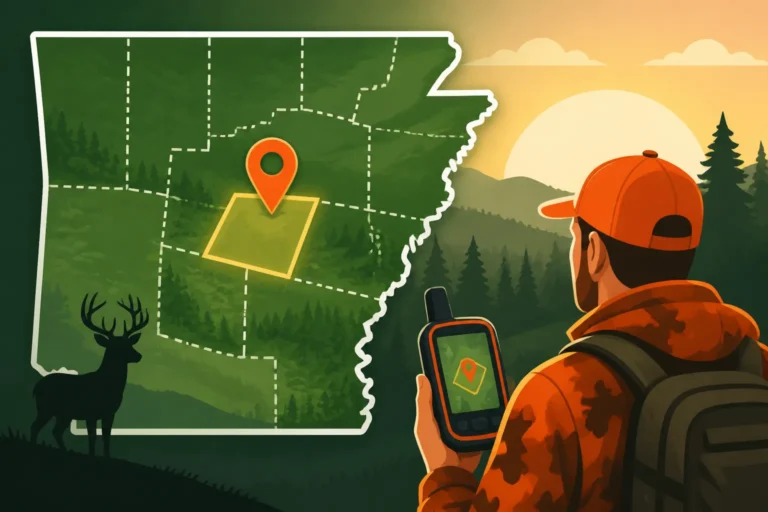
In today's digital age, mapping tools have become indispensable for hunters, and they are particularly useful when navigating the complex boundaries and zones of National Wildlife Refuges. While the official refuge maps are foundational, apps like onX Hunt and GoHunt offer advanced features that can overlay public land boundaries, including NWRs and their internal zones, with topographic maps, aerial imagery, and even real-time GPS tracking.
These apps allow you to see exactly where you are in relation to refuge boundaries, closed areas, and specific hunting units. Many offer layers that show land ownership, WMA boundaries, and often, even hunting unit specifics provided by the state or federal agencies. This is incredibly helpful for tasks like Reading Aerial Photos for Delta Deer or simply ensuring you don't inadvertently cross into a prohibited area. While these tools are fantastic, remember they are supplementary; always cross-reference with the official refuge brochure. Technologies like onX Hunt are especially good at keeping up-to-date with property lines and management units, giving you confidence in the field.
Importance of Pre-Season Scouting and Contact
There's no substitute for boots on the ground, or in the boat, when it comes to learning a new hunting area, especially a refuge. Scouting Arkansas Public Land Before Season is even more critical on NWRs because of the specific access points, designated hunting zones, and potential restrictions on where you can place a blind or stand. A pre-season visit allows you to identify entry and exit points, understand the terrain, locate prime habitat, and observe wildlife patterns.
During your scouting trips, pay close attention to signage. Refuge boundaries and closed areas are usually well-marked. If you have any lingering questions after reading the brochure and reviewing maps, do not hesitate to contact the refuge office directly. The staff there are a valuable resource and are typically happy to clarify rules or provide additional information. It's always better to ask a question beforehand than to risk a violation in the field. Proper planning and communication are your best allies for a successful and legal hunt on Arkansas's incredible National Wildlife Refuges.
| Feature / Rule Category | Arkansas State WMAs (General) | Arkansas National Wildlife Refuges (NWRs) |
|---|---|---|
| Governing Authority | AGFC (Arkansas Game and Fish Commission) | USFWS (U.S. Fish and Wildlife Service) |
| Primary Mission | Wildlife management, public recreation | Conservation, compatible wildlife-dependent recreation |
| Permits Required | State license, WMA permit (some draws) | State license, Federal Refuge permit (often free, some draws) |
| Nontoxic Shot | Required for waterfowl only | Required for all shotgun hunting (all species) |
| Season Dates | Statewide dates, WMA-specific exceptions | Often more restrictive than statewide (shorter, fewer days) |
| Bag Limits | Statewide limits, WMA-specific exceptions | Often more restrictive for specific species |
| ATV/Vehicle Use | Generally allowed on designated trails | Often highly restricted or prohibited, limited to specific routes |
| Permanent Blinds/Stands | Varies by WMA, often prohibited | Generally prohibited, temporary/portable only, removed daily/seasonally |
| Designated Zones | Hunting zones, some rest areas | Hunting zones, extensive closed areas/sanctuaries |
| Information Source | AGFC Regulations Guide, WMA-specific supplements | Refuge-specific Hunting & Fishing Brochure (annual update) |
Disclaimer
This article is for general informational purposes only and does not constitute professional advice. Laws, prices and regulations vary by location and change over time. Consult a qualified professional for guidance on your specific situation.