Casey Jones and Southwest Arkansas WMAs
It's no secret that finding good public hunting land in Arkansas, especially in the southwestern part of the state, can feel like trying to find a needle in a haystack. With so much private timberland and agricultural acreage dominating the landscape, many hunters feel frustrated and limited in their options. This guide is here to alleviate that stress by diving deep into the public hunting opportunities available at Casey Jones WMA and other key Wildlife Management Areas across southwest Arkansas, helping you understand their unique characteristics, how to access them, and what to expect when you head afield.
Understanding Public Hunting Opportunities in Southwest Arkansas
Southwest Arkansas holds a unique blend of habitats, from dense pine plantations to meandering river bottoms, but much of it is privately owned. Navigating this can be tough for the public land hunter. We're going to break down how to make the most of what's available.
The Challenge of Finding Public Land South of Little Rock
For many years, hunters looking for consistent public land opportunities often gravitated north to the Ozarks or east to the Delta. Southwest Arkansas, with its vast tracts of timber company land and numerous private farms, has always presented a different kind of puzzle. It’s not that the game isn’t there; it’s just often tucked away behind locked gates or posted signs. This can be incredibly frustrating when you're itching to get into the woods but feel like every promising spot is off-limits. The region sees a significant amount of industrial pine production, which means large, contiguous blocks of forest are often under private control. This makes identifying and accessing public WMAs absolutely critical for hunters who don't have private land connections. Without proper planning and detailed mapping, you could spend more time driving and less time hunting.
What Makes WMAs in Southwest Arkansas Unique
The WMAs in southwest Arkansas often offer a fascinating mosaic of habitat types that are a stark contrast to the vast, unbroken hardwoods of the Ozarks or the flooded timber of the Delta. Here, you'll frequently encounter extensive pine plantations, often managed in varying age classes from recent clearcuts to mature stands. Interspersed with these pines are hardwood creek bottoms, drainages, and sometimes larger river systems that provide crucial diversity and travel corridors for wildlife. This varied terrain means you might be hunting deer browsing on new growth in a cutover one day, and the next, you're tracking a gobbler through a mature pine stand or along a hardwood creek bank. These areas support healthy populations of white-tailed deer, wild turkeys, and a variety of small game like squirrels and rabbits. Some WMAs, particularly those near larger rivers, can even offer decent waterfowl hunting during specific periods. It's this blend of cover and topography that makes hunting these areas both challenging and incredibly rewarding.
A Closer Look at Casey Jones WMA
Casey Jones WMA is one of the more prominent public hunting areas in southwest Arkansas, offering a good mix of habitat and opportunities for those willing to learn its nuances.
Location, Access, and Terrain of Casey Jones WMA
Casey Jones WMA is situated primarily in Hempstead and Nevada counties, making it reasonably accessible from towns like Hope, Prescott, and even Texarkana. It’s not far off major highways, which is a big plus, but once you turn off the pavement, the WMA's internal road system can be a mix of well-maintained gravel and more rugged dirt tracks. Many access points are clearly marked with WMA signs and offer small parking areas, but don’t expect paved lots everywhere. The terrain is generally rolling, characterized by significant portions of pine plantation. These plantations are often managed on a rotation, meaning you'll find areas that have been recently clearcut, those with young, dense pine growth, and older, more open stands. Cutting blocks and fire lanes often provide natural edges and travel routes. Interspersed throughout these pine forests are smaller hardwood draws and creek bottoms, which act as vital corridors and provide diverse food sources. Understanding the layout of these internal roads and different habitat blocks is key to effective hunting here.
Hunting Opportunities and Challenges at Casey Jones
Deer hunting is a primary pursuit at Casey Jones, and for good reason. The mix of cover provides excellent habitat. You’ll find deer utilizing the dense young pine thickets for bedding cover, moving into clearcuts or along hardwood edges to browse on new growth, and feeding on acorns in the scattered hardwood pockets. Still-hunting can be very effective in the more open pine stands or along the edges of thicker cover. For those who prefer stand hunting, scouting for active trails and pinch points between different habitat types is crucial. Consider Hunting Arkansas Cutovers and Clearcuts if you find yourself in areas that have been recently logged, as these can be fantastic food sources for deer. Placing a stand overlooking a scrape line or a primary travel corridor can be productive. The challenges often come from the sheer density of some of the younger pine growth, which can make visibility tough and tracking difficult.
Turkey hunting here can also be rewarding, particularly in the spring. Gobblers will often roost along the hardwood creek bottoms or in taller pine stands, moving out into more open areas or along logging roads to strut and feed. Knowing how to effectively call a bird in these mixed timber environments is a skill you'll want to hone. If you're hunting in dense pine country, understanding Turkey Tactics in Arkansas Pine Plantations will definitely give you an edge. Scouting for roost trees and fresh sign before the season is invaluable. For small game hunters, the abundant squirrel population in the hardwood drains and the rabbits in the brushier clearcut edges provide plenty of action. The biggest challenge in any WMA, Casey Jones included, is often hunter pressure, especially during opening weekends. To combat this, learn to use your mapping tools like onX Hunt to identify areas further off the beaten path, or deep within the WMA, where other hunters might not venture. This strategy often pays off with less pressured animals.
Essential Tools for Navigating Casey Jones WMA
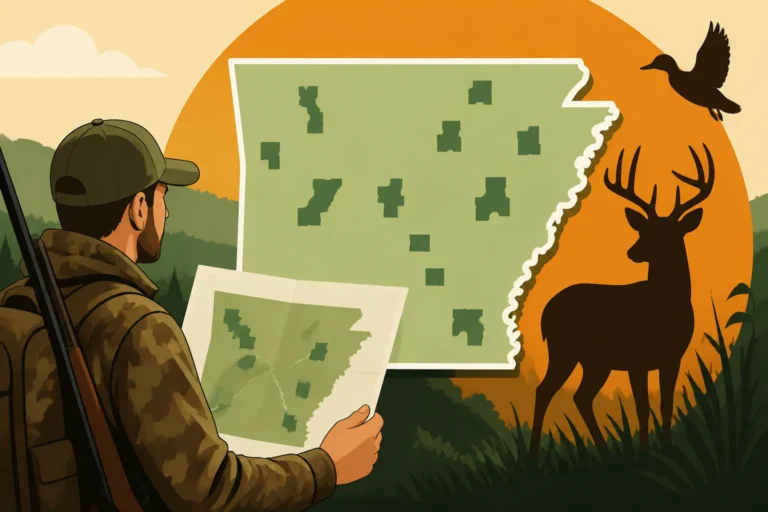
Navigating a WMA like Casey Jones, with its sometimes confusing network of roads and varying timber stages, absolutely requires good mapping tools. Forget the old paper maps unless they’re a backup. Digital mapping apps are your best friend here. I personally rely heavily on onX Hunt. It's invaluable for showing detailed property boundaries, including WMA borders, public access points, and the often-unmarked internal road systems. With the satellite imagery overlay, you can scout from your couch, identifying clearcuts, mature timber, hardwood drains, and potential bedding areas before you ever set foot on the ground. Scouting Arkansas Public Land Before Season becomes much more efficient when you can pinpoint promising areas. Another excellent feature is the ability to download maps for offline use, which is critical in areas where cell service might be spotty or nonexistent. While GoHunt might offer some general hunting resources, for boots-on-the-ground navigation and property intel in Arkansas, onX Hunt is truly indispensable. Knowing exactly where you are relative to a private land boundary or a specific habitat feature means you can hunt more confidently and efficiently.
Exploring Other Key Southwest Arkansas WMAs
While Casey Jones is a great start, southwest Arkansas is home to other significant WMAs, each with its own character and hunting prospects.
Beryl Anthony Lower Ouachita WMA
Further east, along the lower stretches of the Ouachita River in Ouachita County, lies the Beryl Anthony Lower Ouachita WMA. This WMA offers a very different hunting experience compared to the pine-dominated landscape of Casey Jones. Here, the emphasis shifts heavily towards bottomland hardwoods, riverine forests, and oxbow lakes. The terrain is generally flatter, and portions can be prone to flooding, especially during the wetter months. This environment makes it prime habitat for deer, but with a strong emphasis on river bottom movement patterns. Deer will often relate to the higher ground, cypress sloughs, and dense thickets within the bottomland.
Hunting here often means navigating thicker undergrowth and dealing with water. It's a fantastic spot for bowhunters or muzzleloader enthusiasts who can slip silently through the woods. Due to its proximity to the Ouachita River, there's also potential for waterfowl hunting in certain areas, particularly in seasonal flooded timber or sloughs. Knowing Entry Routes Through Flooded Timber could be crucial if you plan to target ducks in this WMA during the right conditions. Always check water levels and specific WMA regulations before heading out, as conditions can change rapidly.
Sulphur River WMA
Tucked into the far southwestern corner of Arkansas, bordering Texas, you'll find the Sulphur River WMA. This WMA is a true gem for those seeking a wilder, more remote hunting experience. Dominated by vast bottomland hardwood forests, cypress swamps, and the meandering Sulphur River itself, it’s a rugged and beautiful place. This WMA is renowned for its excellent deer hunting, with bucks often growing to impressive sizes thanks to the rich habitat and less human disturbance in its deeper reaches. Turkey hunting can also be phenomenal, especially in areas with a mix of hardwoods and slightly higher ground.
Waterfowl hunting is a significant draw here, particularly for ducks using the river, oxbows, and seasonally flooded areas. Access can be a challenge; while there are designated entry points, some areas are best reached by boat or require a good hike. The remote nature means less pressure in many spots, but it also means being self-sufficient and prepared for serious navigation. Using an app like onX Hunt here is not just helpful, it’s practically mandatory for staying on track and understanding the lay of the land, especially with the intricate water systems. The rewards, however, can be substantial for hunters willing to put in the effort to explore these wild bottomlands.
Beryl Anthony Lower Ouachita WMA vs. Casey Jones WMA
To give you a clearer picture of what to expect, here's a quick comparison of two of the discussed WMAs:
| Feature | Casey Jones WMA | Beryl Anthony Lower Ouachita WMA |
|---|---|---|
| Primary Habitat | Pine Plantations, Hardwood Drains | Bottomland Hardwoods, Riverine Forests |
| Key Game Species | Deer, Turkey, Small Game | Deer, Turkey, Waterfowl, Small Game |
| Terrain | Rolling hills, managed timber blocks | Flat, flood-prone, river bottoms |
| Access | Good road system, multiple entry points | Mixed, some areas boat-access only |
| Notable Features | Varying timber age classes, clearcuts | Ouachita River frontage, cypress sloughs |
| Hunting Style | Still-hunting, stand hunting | Still-hunting, stand hunting, potentially wading for ducks |
Planning Your Hunt in Southwest Arkansas WMAs
Successful hunting in these unique southwest Arkansas WMAs isn't just about showing up. It's about preparation, understanding the rules, and knowing how to adapt.
License and Permit Requirements
Before you even think about packing your gear, make sure your paperwork is in order. Every hunter in Arkansas needs a valid hunting license. Residents have several options, from annual licenses to lifetime options, as detailed in Arkansas Resident License Options. For specific WMAs like Casey Jones, Beryl Anthony, or Sulphur River, you'll generally need a WMA General Use Permit in addition to your basic hunting license. While many WMAs don't require specific draw permits for general hunting, always double-check the latest regulations for each area you plan to visit, as some might have special seasons or restrictions. This information is readily available on the Arkansas Game and Fish Commission (AGFC) website. It's not uncommon for rules to change year-to-year, so a quick check can save you a lot of grief. For a full breakdown of what might be required, check out Arkansas WMA Permits and Draw Hunts.
Effective Scouting and Strategy
Scouting is paramount, especially on public land. Start at home with digital tools. Use the AGFC map tool, or better yet, a robust platform like onX Hunt, to pour over satellite imagery. Look for timber changes, clearcut edges, drainages, old logging roads, and potential pinch points. These digital reconnaissance missions can save you countless hours of aimless walking. Once you’ve identified promising areas, it’s time for boots on the ground. Visit the WMA before the season opens to confirm what you saw on the map. Look for fresh deer sign, rubs, scrapes, and turkey tracks. Pay attention to food sources, especially acorns in hardwood bottoms, and browse in newer clearcuts.
Understanding how deer use cover is critical. For instance, in pine country, mature bucks might use the thickest, nastiest young pine regeneration for bedding during the day, only venturing out at dusk and dawn. Knowing how to hunt these areas, like Hunting a Cutover Two Years After Logging, can be highly productive. Always consider the wind and thermals, which can be tricky in rolling terrain and river bottoms. The article Wind and Thermals in Ouachita Hollows offers some insights that can be adapted to similar terrain features in southwest Arkansas. The more you understand the habitat and how game animals interact with it, the better your chances of success.
Practical Tips for a Successful Hunt
Hunting in southwest Arkansas WMAs often means encountering various conditions, so come prepared. Good quality, waterproof boots are essential, especially in the often-damp creek bottoms and potential wading areas of bottomland WMAs. Always carry plenty of water, a first-aid kit, and reliable navigation tools – a fully charged phone with onX Hunt maps downloaded for offline use, and a backup compass and physical map are a must. Tell someone where you are going and when you expect to return. Safety first, always!
During modern gun seasons, remember that Arkansas Hunter Orange Rules mandate specific requirements for visible orange clothing, so ensure you meet those. Respecting private land boundaries is non-negotiable. Even with digital maps, always be aware of your surroundings and any posted signs. Remember, public land hunting means encountering other hunters. Be courteous, respectful, and flexible with your plans if you find another hunter already in your chosen spot. Patience, persistence, and proper preparation are your best friends when hunting these diverse and often challenging southwest Arkansas WMAs.
Disclaimer
This article is for general informational purposes only and does not constitute professional advice. Laws, prices and regulations vary by location and change over time. Consult a qualified professional for guidance on your specific situation.