Cache River Refuge Hunting Access
Hunting the Cache River National Wildlife Refuge is a bucket-list experience for many Arkansas outdoors enthusiasts, especially waterfowl hunters, but figuring out how to access and legally hunt this unique, often challenging landscape can feel like trying to solve a cryptic puzzle. This guide aims to cut through the confusion, providing clear, actionable information on navigating the Cache River NWR for your next hunting adventure.
Understanding the Cache River National Wildlife Refuge
The Cache River National Wildlife Refuge (NWR) is a true gem nestled in the heart of the Arkansas Delta. It's a place steeped in natural beauty and rich hunting heritage, drawing people from all over with its promise of wild adventure. But its allure also comes with a unique set of challenges, especially when it comes to access.
A Jewel of the Arkansas Delta
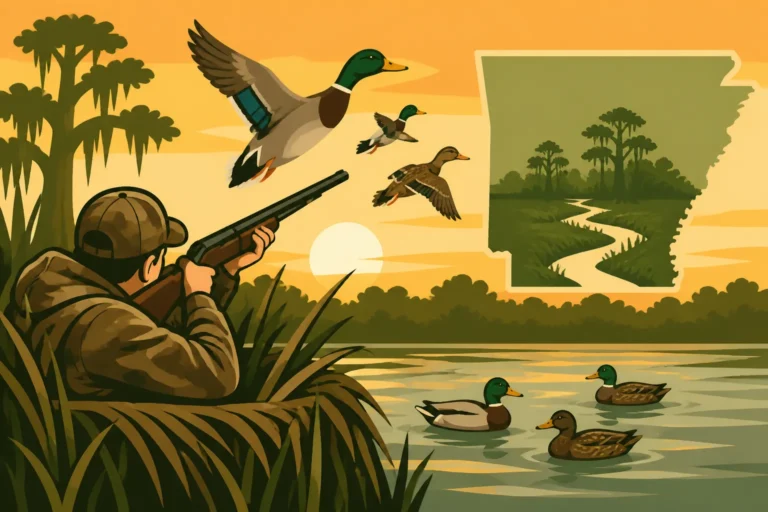
Spanning vast tracts of bottomland hardwoods, cypress-tupelo sloughs, and winding bayous, the Cache River NWR is a critical piece of the larger Cache River watershed. This area serves as a vital wintering ground for millions of migratory waterfowl traveling the Mississippi Flyway, making it one of the most renowned duck hunting destinations in North America. But it's not just ducks; the refuge also supports a diverse array of wildlife, including white-tailed deer, turkeys, and a host of small game and furbearers.
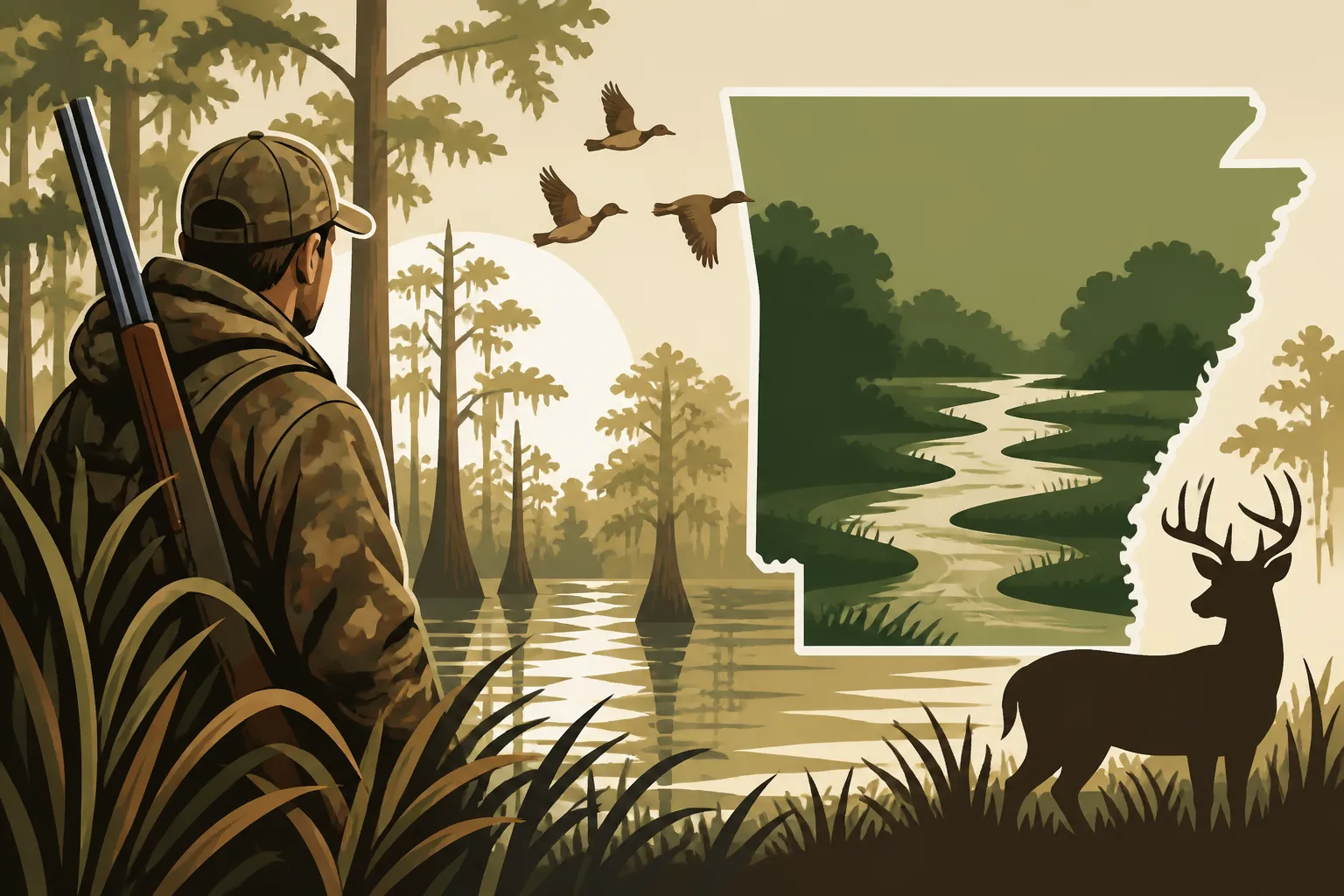
The landscape itself is something to behold. Imagine ancient stands of oak and cypress, their gnarled branches draped with Spanish moss, rising out of dark, still waters. The ground is often a mosaic of dry ridges and flooded timber, constantly changing with the whims of the weather and river levels. This dynamic environment is precisely what makes hunting here so special, but also so demanding. It’s a place that asks you to earn your harvest, to truly understand the rhythm of the land and water.
Navigating Complex Regulations
Here's where many hunters hit their first major roadblock: the rules. Hunting on a National Wildlife Refuge like the Cache River is distinctly different from hunting on general state lands or even other Arkansas Wildlife Management Areas (WMAs). The U.S. Fish and Wildlife Service, which manages the refuge, has its own specific regulations that operate in conjunction with state laws. This means you can't just rely on your general Arkansas hunting knowledge.
It’s a common frustration to think you’ve got all your ducks in a row with your state license and stamps, only to realize there’s an entirely separate set of regulations you need to study for the refuge itself. These can include unique permit requirements, different season dates, specific legal methods of take, limitations on access times, and even rules about what kind of boats or ATVs you can use. Failing to understand these can quickly turn a hopeful hunt into a costly mistake. Always remember that refuge-specific regulations often take precedence over general state laws, so diligent homework is non-negotiable before you even load your truck.
Gaining Access to the Cache River NWR
So, you've studied the rulebook and understand the lay of the land, at least on paper. Now comes the practical part: actually getting into the refuge and to your hunting spot. The Cache River NWR offers various access methods, each with its own quirks and challenges.
Entry Points and Road Access
While much of the Cache is a waterfowler's paradise, there are still numerous entry points and unpaved roads that provide access for deer, turkey, and small game hunters, or simply as launching points for boat-based hunts. Many of these roads are gravel or dirt, winding through agricultural fields before diving into the timber.
The biggest challenge with road access is almost always water. A heavy rain, or prolonged flooding from the Cache River itself, can quickly turn these passable roads into impassable mud bogs or completely submerged routes. What was a dry, easy drive on your scouting trip might be a nightmare on opening morning. It’s absolutely crucial to check local conditions, weather forecasts, and even consult with local residents or the refuge office for up-to-date road information. A four-wheel-drive vehicle is often a necessity, not a luxury, especially during wet periods. Some areas may have gates that are opened seasonally or have specific vehicle restrictions, so keep an eye out for signage.
Water-Based Access and Boats
For many, especially those chasing waterfowl, the Cache River NWR is synonymous with boat access. Large portions of the refuge are best, or only, reached by water. This means navigating the intricate network of the Cache River, its sloughs, and various bayous and overflow areas.
Jon boats are a staple here, favored for their shallow draft and durability against submerged stumps and logs. Kayaks and canoes are also popular, particularly for quieter, more remote access where stealth is key. There are designated boat ramps, but even these can be primitive or inaccessible depending on water levels. You'll need to know which ramps are open and suitable for your vessel. Entry Routes Through Flooded Timber are not for the faint of heart; they often involve twisting through dense vegetation, pushing over logjams, and reading subtle changes in water depth. Navigation is paramount, and a reliable GPS unit with detailed maps (like those provided by onX Hunt) can literally be a lifesaver. The challenge isn't just getting in, it's getting back out, sometimes in the dark, with limited visibility. Always carry extra fuel, a spare prop, and basic repair tools.
Foot Access and Hiking Trails
While extensive foot travel can be grueling, especially in the thick Delta bottomland, it's a viable option for some areas and certainly for small game hunters or those looking to Find Ground Others Walk Past. There are some designated hiking trails, but most foot access involves traversing dense woods, often without clear paths.
Be prepared for mud, water, and thick undergrowth. Waders or knee boots are almost always a good idea, even if it looks dry from the road. Carrying all your gear, including decoys, guns, and harvested game, for long distances through this terrain demands significant physical exertion. Proper navigation tools are absolutely essential; relying solely on memory in the monotonous landscape of bottomland timber is a recipe for getting lost. When using foot access, consider lightweight gear and pack only the essentials. Think about your exit strategy long before you enter, particularly if you anticipate harvesting a deer or a limit of ducks far from your vehicle.
Hunting Specifics within the Refuge
Once you've managed to gain access, the real hunting begins. The Cache River NWR offers different opportunities depending on what you're chasing, but each comes with its own unique flavor of challenge and reward.
Deer Hunting Opportunities
While perhaps not as famous for its deer as it is for ducks, the Cache River NWR does offer excellent white-tailed deer hunting. The dense cover, abundant natural food sources like acorns from the sprawling bottomland hardwoods, and limited access in many areas can lead to mature bucks. Arkansas Deer Seasons and Zone Limits will guide your planning, but remember to check the refuge-specific regulations, as they can sometimes differ.
Tactics here often involve a mix of still-hunting through the timber, slowly working your way through the woods, or setting up treestands and ground blinds in key areas. Look for signs of deer activity around acorn flats, along slough edges, or on slight elevations that provide bedding cover during high water. Because the landscape can be so dense, shot distances are often close, favoring archery or muzzleloader hunting, though modern gun seasons are also permitted. The biggest challenges for deer hunters are navigating the thick cover, dealing with biting insects, and the monumental task of Getting a Deer Out of an Ozark Hollow – or in this case, a Delta slough – especially when solo. Consider using a game cart if the terrain allows, or plan for help to extract your deer.
Waterfowl Hunting: The Main Draw
This is where the Cache River NWR truly shines. It’s one of the crown jewels of Arkansas duck hunting, attracting hunters from around the globe. The refuge offers fantastic opportunities for Mallards in the Arkansas Delta, along with gadwall, wigeon, teal, and other species.
Hunting here is often centered around the ebb and flow of water. When the green timber floods, the ducks pour in, seeking acorns and sheltered loafing areas. Key strategies include scouting extensively to locate active feeding and loafing areas, understanding Setting Up on a Canopy Opening, and mastering calling techniques appropriate for timber hunting. Unlike open water, How Timber Calling Differs From Open Water; subtle feeding chuckles and soft quacks are often more effective than loud hail calls. Hunters typically set up in natural blinds formed by trees or use small, portable blinds. Decoy spreads tend to be smaller and more realistic in timber holes, focusing on motion with jerk cords to bring the scene to life.
Pressure can be intense, especially on weekends and during the early splits of the season. Hunters need to be prepared to walk or boat long distances, often in the dark, to reach less-pressured areas. Always be aware of other hunters and practice good blind etiquette. Remember that Nontoxic Shot Rules in Arkansas apply here, as they do on all federal lands.
Other Game Species
Beyond deer and ducks, the Cache River NWR can offer limited opportunities for other game, depending on specific refuge regulations and state seasons.
- Small Game: Squirrels are often abundant in the mature bottomland hardwoods, especially during good acorn years. Squirrel Hunting Arkansas Hardwoods can be a fantastic, low-pressure way to enjoy the refuge. Rabbit hunting might also be possible in dense brushy areas, though it's less common than squirrel hunting. Always check the refuge's specific small game seasons and bag limits.
- Furbearers and Predators: Opportunities for furbearers like raccoons and opossums, and predators like coyotes and bobcats, may exist, often with specific regulations regarding methods (e.g., night hunting restrictions, trapping permits). These hunts are typically highly specialized and require even more in-depth knowledge of refuge rules.
- Turkeys: While present, turkey hunting can be challenging due to the dense habitat and pressure. Hunters pursuing spring gobblers will need to be particularly adept at Calling an Arkansas Gobbler Off the Roost and mastering stealth in thick cover.
Always consult the latest Cache River NWR hunting brochure or visit the refuge's official website, in addition to the AGFC regulations, to confirm what species are open, during what seasons, and under what specific conditions.
Essential Planning and Preparation for a Cache River Hunt
A successful hunt on the Cache River NWR isn't just about sharp shooting or great calling; it's about meticulous planning and preparation. This refuge demands respect and a thorough understanding of its unique environment and rules.
Checking Season Dates and Special Regulations
I cannot stress this enough: always double-check the refuge-specific regulations. It's a common story: a hunter prepares diligently for the state's deer season, only to arrive at the Cache and find out the refuge has different dates, or perhaps specific weapon restrictions, or even a different bag limit. This discrepancy is a source of real frustration for many hunters, but it's crucial for managing these unique federal lands.
The U.S. Fish and Wildlife Service publishes an annual hunting brochure specifically for the Cache River NWR. This document is your bible. It will detail:
- Specific season dates: These might open or close earlier/later than statewide seasons.
- Bag limits: Sometimes more restrictive than state limits.
- Legal methods of take: Certain firearm types might be prohibited in specific zones or for particular species.
- Permit requirements: Some hunts might require special permits or draws separate from your general Arkansas hunting license. Arkansas WMA Permits and Draw Hunts are common on many state lands, and refuges often have their own version.
- Access restrictions: Times of day for entry/exit, specific areas closed to hunting, or vehicle restrictions.
Make sure to look up the current year's brochure well in advance of your trip. Don't rely on last year's, and don't assume the rules are the same as any other public land.
Navigation and Safety in Remote Terrain
The Cache River NWR can be an unforgiving place if you're not prepared for its remote and wild nature. Getting lost or encountering an unforeseen emergency is a genuine concern, especially for those unfamiliar with dense bottomland.
- Maps and GPS: Never venture out without a reliable GPS device. A handheld unit or a smartphone app like
onX HuntorGoHuntwith downloaded offline maps is essential. These apps often include public/private land overlays, which are invaluable for staying within refuge boundaries. Carry a paper map and compass as a backup, and know how to use them. - Communication: Cell service can be spotty to non-existent in many parts of the refuge. Consider carrying a satellite messenger or a two-way radio if hunting with a partner. Let someone know your hunting plan, including your entry point and expected return time.
- Environmental Hazards: The Cache is home to venomous snakes (cottonmouths, rattlesnakes), especially during warmer months. Always watch your step. The water can be deceptively deep, and the mud can be thick and boggy, creating a quicksand-like effect in some areas. Be aware of changing weather; a sudden thunderstorm can make navigation even more difficult.
- First-Aid: A well-stocked first-aid kit is crucial. Minor cuts, scrapes, or allergic reactions can become serious quickly in a remote setting.
Taking basic wilderness first aid courses and practicing your navigation skills beforehand are highly recommended for anyone planning an extensive hunt in the refuge.
Gear Considerations for the Cache
The Cache River environment dictates much of the gear you'll need. It's wet, it's muddy, and it can be cold. Prepare accordingly.
| Gear Category | Essential Items | Why It's Needed in the Cache |
|---|---|---|
| Apparel | Chest waders or knee boots, waterproof outer layers, layered clothing, warm hat, gloves, waterproof bag for electronics, plenty of dry socks. | Expect to be in water and mud, even on "dry" days. Layers are key for temperature regulation in fluctuating Delta weather. Waterproof bags protect vital gear. Dry socks prevent blisters and frostbite. |
| Navigation & Safety | GPS with offline maps (e.g., onX Hunt), physical map and compass, headlamp/flashlight (with extra batteries), whistle, first-aid kit, fire starter, multi-tool, charged power bank for electronics. |
Essential for finding your way in the often featureless bottomland and in low light. Safety items are critical in remote areas with limited cell service. |
| Hunting Specific | Nontoxic shot (for waterfowl), calls specific to species/habitat (timber calls for ducks), decoys (lightweight, durable), boat/kayak/canoe (if water access), spare boat prop, game cart (for deer). | Refuge rules often mandate nontoxic shot. Timber hunting requires specific calling. Decoys enhance success. Boat and related spare parts are crucial for water access. Game carts assist with heavy game removal over challenging terrain. |
| Sustenance | Ample water (more than you think), high-energy snacks, emergency rations. | Dehydration and low energy can quickly impair judgment and physical ability in demanding conditions. |
| Comfort/Miscellaneous | Insect repellent (strong stuff!), scent control (for deer), small shovel, bungee cords, rope, zip ties. | The Delta is notorious for mosquitoes and other biting insects. Scent control is vital for deer. A small shovel can help with stuck vehicles or blind building. Rope and ties are endlessly useful. |
Hunting the Cache River NWR is an iconic Arkansas experience, but it’s not for the unprepared. Take the time to understand the regulations, plan your access meticulously, and pack the right gear. With proper preparation, you can enjoy the unparalleled beauty and hunting opportunities this remarkable refuge offers.
Disclaimer
This article is for general informational purposes only and does not constitute professional advice. Laws, prices and regulations vary by location and change over time. Consult a qualified professional for guidance on your specific situation.