Henry Gray Hurricane Lake WMA
Hunting in Arkansas, especially on our Wildlife Management Areas, can sometimes feel like trying to decipher an ancient map. You've heard whispers about places like Henry Gray Hurricane Lake WMA, a gem tucked away in the Delta, but figuring out the best way to approach it, what to expect, and how to maximize your time there can be a real head-scratcher. This guide is here to cut through the confusion, offering a comprehensive look at what makes Henry Gray Hurricane Lake WMA a fantastic hunting destination and how you can prepare for a successful trip.
Getting to Know Henry Gray Hurricane Lake WMA
Henry Gray Hurricane Lake WMA isn't just a place on a map; it's a vibrant ecosystem that offers a truly unique slice of Arkansas hunting. Located in the heart of the Delta, it presents a different kind of challenge and reward compared to our mountainous regions. For many of us, it conjures images of flooded timber and cypress trees, but there's more to this WMA than meets the eye.
Where is Henry Gray Hurricane Lake WMA Located?
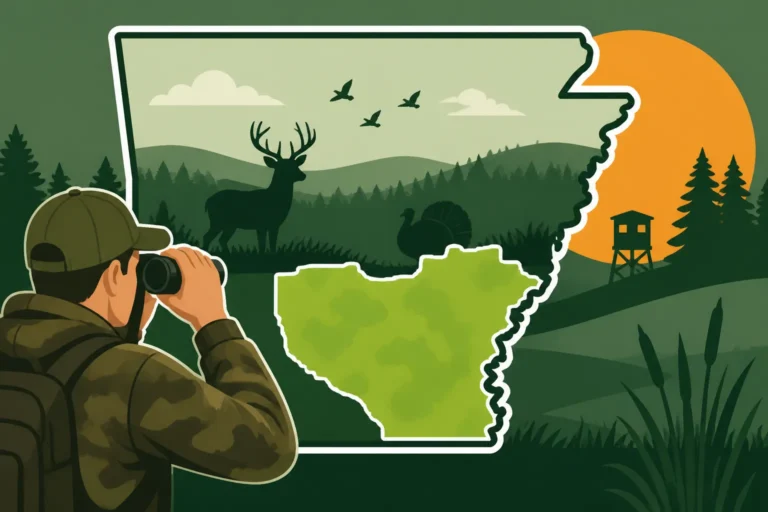
You'll find Henry Gray Hurricane Lake WMA nestled primarily in White County, with portions reaching into Woodruff County. It's not too far off I-40, making it relatively accessible for folks traveling from Little Rock or Memphis. The closest towns are Augusta and Bald Knob, offering limited amenities but a good base camp feel. Access into the WMA itself is typically via well-maintained gravel roads, though some areas might require a bit more navigation, especially after heavy rains. Knowing the entry points, like the main access roads off Highway 33, is crucial before you even hit the pavement. It's not the kind of place you just stumble upon and expect to have figured out in an hour; a little homework goes a long way. This is where tools like Using the AGFC Map Tool become your best friend, allowing you to pinpoint exact locations and plan your entry.
Unique Habitats of Hurricane Lake
What truly sets Henry Gray Hurricane Lake WMA apart are its diverse habitats, which are a direct reflection of its Delta location. You've got the iconic flooded bottomland hardwoods, teeming with cypress and water tupelo, which are prime real estate for migrating waterfowl. But don't let the name "Hurricane Lake" fool you into thinking it's all wet feet; there are significant areas of upland pine and mixed hardwood ridges that break up the lowland terrain. These higher grounds, often overlooked by those solely focused on ducks, provide crucial bedding and feeding areas for deer and a haven for small game. The interplay between these flooded timbers, cypress sloughs, and dry ridges creates a mosaic of cover and food sources that supports a rich array of wildlife. Understanding this topography – where the water typically pools, where the higher ground lies, and how the game uses these transitions – is key to developing effective hunting strategies here.
Deer Hunting Opportunities at Henry Gray
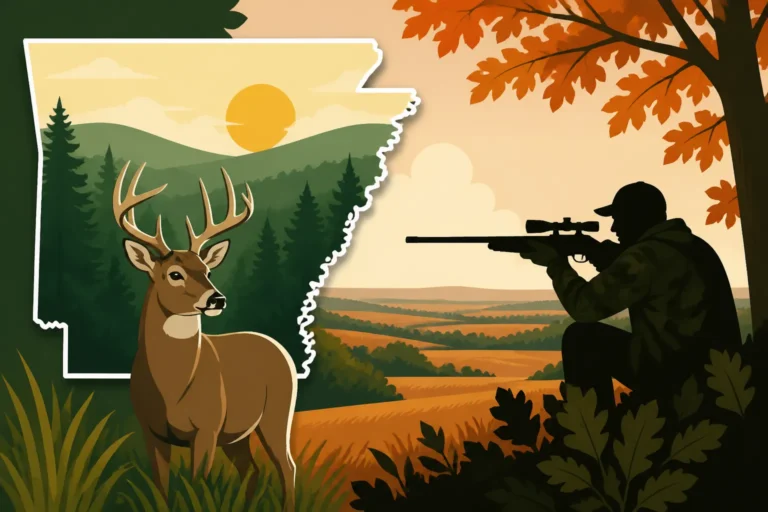
While Henry Gray Hurricane Lake WMA is famous for its duck hunting, it offers some truly exciting deer hunting prospects if you know where to look and how to adapt to the unique Delta environment. It's not your typical Ozark ridge hunt, and that's precisely what makes it intriguing for seasoned hunters seeking a different challenge.
Deer Hunting Strategies for Hurricane Lake
Deer hunting in Henry Gray Hurricane Lake WMA often means thinking outside the box. Forget the classic deer drive in thick pines; here, you're looking for subtle elevation changes, those slightly drier ridges, and the edges where the flooded timber meets higher ground. Scouting is paramount. Look for rubs and scrapes along these transitional zones, especially those leading to acorn flats or cutovers. During the archery season, particularly in the warmer early days, deer will often bed in dense cover near water sources to stay cool. Later in the season, when water levels rise, they might be pushed onto those higher islands of dry ground. Still-hunting slowly through the mixed hardwoods, paying close attention to wind and thermals, can be incredibly effective. Consider using a climbing stand or hang-on stand on those isolated patches of dry ground within the flooded timber, if conditions allow. Don't underestimate the potential of hunting the fringes of agricultural fields bordering the WMA, especially during the colder months when deer are actively seeking easy calories. This WMA sees varied pressure, so adapting your approach based on the time of season and water levels is critical. For more on general deer season rules, check out Arkansas Deer Seasons and Zone Limits.
Navigating Regulations and Pressure
Like all WMAs, Henry Gray Hurricane Lake WMA has specific regulations that hunters must adhere to, beyond the statewide rules. These can include restrictions on vehicle access, stand placement, and sometimes even specific weapon types during certain periods. Always check the current AGFC regulations for Henry Gray Hurricane Lake WMA before planning your trip. Public land, especially popular WMAs, can see significant pressure, particularly on opening weekends or during the peak rut. You might find that hunters targeting ducks inadvertently push deer into unexpected areas, or vice-versa. To avoid crowds, consider hunting midweek or exploring the deeper, harder-to-reach sections of the WMA. Using mapping apps like onX Hunt or GoHunt to identify less accessible areas and potential walk-in routes can give you a significant advantage. Respecting other hunters and practicing good public land etiquette, such as leaving enough space between setups and minimizing disturbance, goes a long way in ensuring everyone has a positive experience. Remember, securing the necessary WMA permits and being familiar with Arkansas WMA Permits and Draw Hunts is a must before stepping foot in the woods.
Chasing Waterfowl and Small Game
If Henry Gray Hurricane Lake WMA has a claim to fame, it's undoubtedly its incredible waterfowl hunting, but don't overlook the robust small game populations that also call this WMA home. Both offer exciting and challenging pursuits for hunters willing to adapt to the Delta environment.
Duck Hunting the Flooded Timber
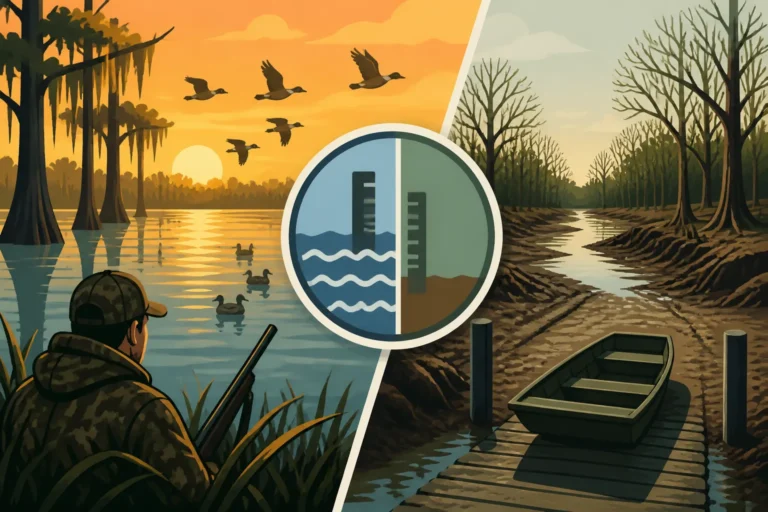
Duck hunting in the flooded timber of Henry Gray Hurricane Lake WMA is what many waterfowlers dream of. When the water levels are just right, and the red oaks are dropping acorns, this WMA can hold an incredible number of mallards and other dabblers. Success here hinges on several factors: understanding water levels, effective calling, and strategic decoy placement. The WMA's management efforts often involve manipulating water levels in specific compartments to provide optimal habitat for ducks, so monitoring these conditions is crucial. You'll often be wading deep into the timber, sometimes pushing a boat or even an ATV in designated areas, to reach those prime "holes." Setting up your decoys to mimic feeding birds in the timber, using a jerk cord for motion, and employing soft, persuasive calling are standard tactics. Unlike open water hunting, calling in timber is often about subtlety and realism; you're trying to coax birds through the canopy. Being familiar with Green Timber Duck Hunting in Arkansas will give you a solid foundation, and practicing Calling Ducks in Tight Arkansas Timber can be a game-changer. Just be prepared for mud, cold, and potentially long retrieves; that's part of the Delta timber experience!
Small Game in the Upland and Edges
Beyond the waterfowl, Henry Gray Hurricane Lake WMA also offers fantastic opportunities for small game hunting, particularly squirrels and rabbits. The mixed hardwood uplands and the edges of the flooded timber provide ideal habitat for bushy-tailed critters. Squirrels thrive in areas with abundant mast crops like acorns and hickory nuts, which are plentiful in the WMA's diverse forest. Still-hunting slowly through these hardwood ridges, pausing frequently to listen for cutting squirrels or rustling leaves, can be incredibly productive. For rabbit hunting, focus on the brushy edges, cutovers, and briar patches that are often found bordering the more open fields or around the higher ground. A good beagle can make a world of difference when chasing cottontails through the thick stuff. The beauty of small game hunting here is that it offers a different pace and can be a great option for an afternoon hunt after the ducks have moved on, or if the water levels aren't cooperating for timber hunting. It’s also a fantastic way to introduce new or younger hunters to the sport in a less pressured environment. For detailed strategies, consider looking into Squirrel Hunting Arkansas Hardwoods and Small Game and Squirrel Hunting in Arkansas.
Essential Tips for a Successful Hunt
Hunting Henry Gray Hurricane Lake WMA requires preparation and a good understanding of the environment. Being well-equipped and well-informed can truly make the difference between a frustrating trip and a memorable hunt.
Pre-Season Scouting and Mapping
Never underestimate the power of good scouting, whether it's done physically or digitally. Before you even set foot on the WMA, spend time pouring over maps. Satellite imagery from apps like onX Hunt or GoHunt can reveal hidden sloughs, dry ridges, old logging roads, and subtle changes in vegetation that might not be obvious on the ground. These tools are invaluable for identifying potential entry and exit routes, predicting where deer might travel, or locating prime duck timber. Pay attention to contour lines for those slight elevation changes. During the off-season, if possible, walk the areas you plan to hunt. Look for old sign, natural travel corridors, and potential stand sites. This hands-on experience, combined with your mapping research, builds a robust understanding of the terrain. Even if you're primarily focused on ducks, knowing the layout of the timber and where the water tends to settle can save you a lot of wasted effort and frustration. Remember, Scouting Arkansas Public Land Before Season is not just a suggestion, it's a critical component of success.
Gear Considerations for Delta Hunting
Hunting in the Delta, especially at Henry Gray Hurricane Lake WMA, comes with its own unique gear requirements. First and foremost, good quality waders are essential for duck hunting the flooded timber. You'll be spending a lot of time in water that can range from ankle-deep to waist-deep. A sturdy boat – whether it's a jon boat with a mud motor or a canoe for quieter access – is often needed to get into the best duck holes. For deer hunters, waterproof boots are a must, as even the "dry" areas can be soft and marshy. Insect repellent is your friend, especially during the early archery season. A reliable headlamp is indispensable for navigating in the dark before dawn and after dusk. Beyond that, be sure to have plenty of layers of clothing, as Delta weather can change rapidly from chilly mornings to surprisingly warm afternoons. A waterproof bag for your calls, electronics, and extra clothes is also highly recommended. Finally, a robust game cart or sled can be a lifesaver for hauling out deer from those tricky, wet areas.
Here's a quick comparison of what you might expect when targeting different game at Henry Gray Hurricane Lake WMA:
| Feature | Deer Hunting | Duck Hunting | Small Game Hunting |
|---|---|---|---|
| Primary Habitat | Upland ridges, mixed hardwoods, field edges | Flooded bottomland hardwoods, sloughs | Mixed hardwoods, brush piles, field edges |
| Key Challenge | Identifying subtle terrain changes, pressure | Water levels, access, navigating dense timber | Locating game in thick cover, dog work |
| Essential Gear | Waterproof boots, stand, maps, scent control | Waders, boat, decoys, calls, waterproof bags | Shotgun, vests, good boots, dog (optional) |
| Best Time | Archery (early/late), Modern Gun (peak rut) | Mid-season to late season (cold fronts, full water) | Early season (squirrels), late season (rabbits) |
| Scouting Tip | Look for dry islands, transition zones | Monitor water gauges, aerial maps for timber holes | Focus on mast crops, brushy cover |
Henry Gray Hurricane Lake WMA is a true gem for Arkansas hunters, offering a diverse array of experiences from the thrill of calling ducks in flooded timber to the quiet challenge of tracking a Delta whitetail. By understanding its unique characteristics, preparing thoroughly, and respecting the regulations, you can unlock some truly unforgettable hunting adventures in this special part of our state.
Disclaimer
This article is for general informational purposes only and does not constitute professional advice. Laws, prices and regulations vary by location and change over time. Consult a qualified professional for guidance on your specific situation.