Freddie Black Choctaw Island WMA
Navigating the unique landscapes of Arkansas for hunting can sometimes feel like trying to solve a puzzle, especially when you're looking at areas as distinct as Freddie Black Choctaw Island WMA. This guide is dedicated to helping you understand this fascinating public hunting area, offering insights into its access, terrain, and the specific hunting opportunities it presents, so you can plan your next adventure with confidence.
Exploring the Freddie Black Choctaw Island WMA Landscape
Freddie Black Choctaw Island WMA isn't just another piece of public hunting ground; it's a truly unique habitat in southeastern Arkansas, defined by its isolation and its deep connection to the mighty Mississippi River. When folks hear "island," they might imagine sandy beaches, but Choctaw Island is more about a patchwork of dense bottomland hardwoods, cypress-tupelo sloughs, and high-ground ridges that rise and fall with the river's whims. It's a place that feels wild, even by Arkansas standards, largely because of its challenging access and the dynamic nature of the river itself.
This WMA is situated in Desha County and is fundamentally shaped by its location within the Mississippi River floodplain. This means water levels are a constant, influential factor, changing everything from how you get in to where the game might be concentrating. Over the years, the Arkansas Game and Fish Commission (AGFC) has done a remarkable job of managing this dynamic environment, often in partnership with other agencies, to ensure it remains a premier spot for hunters seeking a truly rugged experience. It’s a testament to the resilience of bottomland ecosystems and the commitment to public hunting access, even in the most remote corners.
The Unique Terrain of Choctaw Island
When you talk about the terrain on Freddie Black Choctaw Island WMA, you're really talking about a dance between land and water. The "island" aspect comes from its historic isolation, often cut off by the main channel and various chutes of the Mississippi River. This isolation has preserved much of its character. You'll find towering cottonwoods, cypress trees with their distinctive knees emerging from standing water, and a thick understory of palmetto and cane in many areas. It's not uncommon to encounter sandy ridges or old riverbeds that create subtle elevation changes, directing wildlife movement and offering drier ground when the river is up.
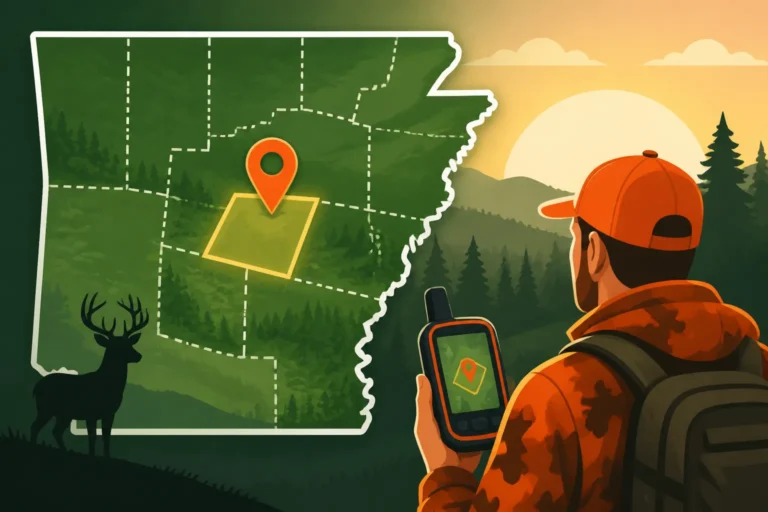
The interior of Choctaw Island is a maze of sloughs, oxbow lakes, and natural drainages. These water features are not just scenic; they are crucial corridors for wildlife and can be impassable barriers for hunters. Understanding the lay of the land, even when it's under water, is paramount here. Mapping tools like onX Hunt can be incredibly useful to visualize these contours and plan your approach, identifying higher ground and potential game trails that persist even when partially flooded. This constant fluctuation makes scouting a year-round endeavor, with summer and early fall revealing routes that might be completely submerged by late season.
Seasonal Water Levels and Their Impact
The Mississippi River dictates life on Choctaw Island, and its seasonal fluctuations are the single most important factor for hunters to consider. During late summer and early fall, water levels are typically lower, exposing more dry land and making access easier. This is prime time for scouting, allowing you to walk into areas that will be flooded later in the year. You can identify historical deer trails, locate mast crops, and pinpoint bedding areas before the water rises.
As fall progresses into winter, the river usually begins to swell, often inundating large portions of the WMA. This flooding can create an entirely new hunting landscape, forcing deer onto higher "islands" within the WMA or concentrating them on narrow strips of dry ground. For duck hunters, these flooded timber areas become magnets for migrating waterfowl. It’s absolutely critical to check the river gauges and the AGFC's WMA reports for current water conditions before heading out. Going in unprepared can lead to dangerous situations or simply finding your intended hunting spot completely underwater and inaccessible. Flooding and WMA Access in the Delta becomes a critical read for anyone looking to navigate these conditions.
Hunting Opportunities on Choctaw Island
Freddie Black Choctaw Island WMA, with its remote nature and rich bottomland habitat, offers a distinctly challenging yet rewarding hunting experience. The primary draw for many hunters is the deer hunting, but feral hogs are also abundant, and small game opportunities exist. The key to success here lies in understanding how the unique environment shapes game movement and what regulations apply to this specific WMA.
The WMA is part of the larger network of prime public lands in the Arkansas Delta, which are renowned for their robust wildlife populations. Because of the challenging access and terrain, Choctaw Island tends to see less hunting pressure than some of the more easily accessible WMAs. This can translate into encounters with less wary animals, especially if you're willing to put in the effort to reach the deeper, more remote sections. Just remember, what makes it appealing for lower pressure also makes it demanding.
Deer Hunting in the Bottomlands
Deer hunting on Freddie Black Choctaw Island WMA is a truly rugged experience. The dense cover and fluctuating water levels mean that deer are constantly adapting, and so must the hunter. During periods of lower water, deer can be found throughout the WMA, often browsing on succulent vegetation and foraging for acorns. As the water rises, however, deer will move to the highest ground available, concentrating on natural ridges, old levee systems, or small patches of land that remain dry. Identifying these high spots on your map is crucial.
Still-hunting through the thick understory can be effective, especially if you move slowly and deliberately, watching for flicking ears or subtle movements in the dense palmetto. Tree stands are a popular choice, but placing them requires careful consideration of water levels and escape routes for deer. The Delta, in general, is known for producing some impressive bucks, and while hunting here isn't easy, the potential for a mature buck is certainly present for those who put in the work. Understanding Deer Rules in the Arkansas Delta Zones is essential, as bag limits and season dates can vary from other parts of the state.
| Species | Primary Method (Common) | Best Time to Hunt | Notes |
|---|---|---|---|
| White-tailed Deer | Archery, Modern Gun | Fall/Early Winter | Focus on high ground during floods, river bottoms for forage. |
| Feral Hog | Any legal method | Year-round, often at night | Opportunistic, often found in thickets near water, no closed season. |
| Squirrel | Shotgun, .22 rifle | Fall/Winter | Look for mast crops (acorns, hickory) in hardwoods. |
| Rabbit | Shotgun, small game dogs | Fall/Winter | Brush piles and dense cover are key, especially along field edges. |
Feral Hog and Small Game Opportunities
Beyond deer, Freddie Black Choctaw Island WMA offers significant opportunities for hunting feral hogs. These invasive animals are abundant throughout the WMA, thriving in the dense cover and rich food sources of the bottomlands. There's no closed season or bag limit on feral hogs in Arkansas, which makes them a fantastic target for opportunistic hunting, especially when deer activity might be slow. Hogs often leave clear signs like rooting and wallows, which can help you track their movements. They are particularly active during cooler parts of the day or at night, and sometimes you'll find them concentrating on higher ground during flood events, just like deer.
For small game hunters, Choctaw Island can be a productive spot for squirrels and rabbits. The extensive hardwood forests are ideal for squirrels, especially when acorn crops are plentiful. Squirrel hunting requires keen observation and patience, often best done by still-hunting or sitting quietly near large mast trees. Rabbits will be found in the thicker, brushier areas, often along the edges of sloughs or in patches of cane and palmetto. While not as heavily pursued as deer or hogs, these small game opportunities provide a fun and challenging way to experience the WMA, especially for younger hunters or those looking for a different kind of outing. Small Game and Squirrel Hunting in Arkansas provides more general tactics that apply well here.
Navigating Access and Rules
Getting to and hunting Freddie Black Choctaw Island WMA isn't like driving up to a suburban park. It requires careful planning, a solid understanding of the rules, and often a boat. The remote nature is both its biggest appeal and its greatest challenge. Hunters need to be self-reliant and prepared for rugged conditions, from dealing with mud and thick vegetation to navigating by water.
The rules and regulations for Choctaw Island are set by the Arkansas Game and Fish Commission and are specific to this WMA. It's never enough to just know the general statewide regulations; you absolutely have to check the WMA-specific rules each year, as they can change based on management goals, water levels, or other factors. Ignorance of the rules is never an excuse, and violations can lead to serious penalties.
Primary Access Points and Water Travel
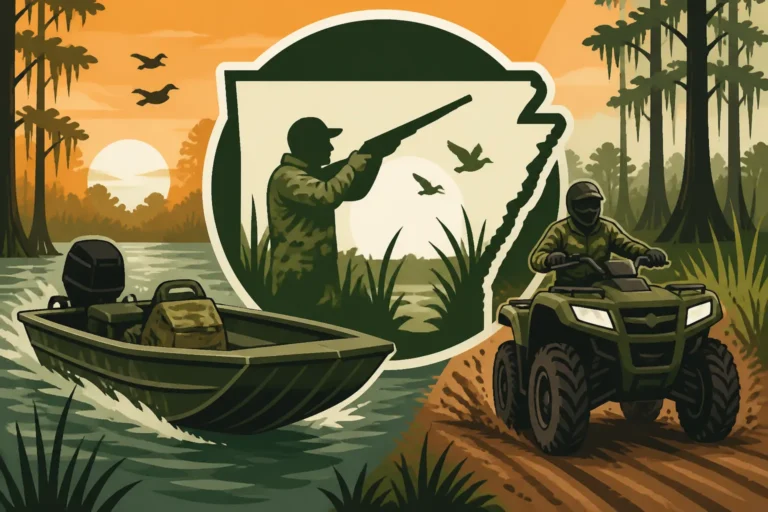
Access to Freddie Black Choctaw Island WMA is predominantly by boat, reflecting its "island" status. While there might be some limited land access points when the Mississippi River is very low, the most reliable way in for many hunters is via boat launches along the Mississippi River or its adjacent waterways. These launches can be found at public facilities or sometimes through private landowners who permit access. It’s critical to scout these launches ahead of time, checking for depth and usability, especially if you're coming from out of the area.
Once on the water, you'll likely navigate through a series of bayous, chutes, and flooded timber to reach the interior of the WMA. This requires a boat suitable for shallow water and potentially navigating around submerged obstacles like logs and stumps. Familiarity with river navigation is a huge plus. Always let someone know your float plan, including your expected return time, and carry all necessary safety gear like life jackets, sound-making devices, and communication tools. Strong currents and fluctuating water levels can make for challenging boat travel, so always err on the side of caution. For broader understanding, Arkansas River Navigation Pool Access can offer insights into the larger river systems that influence Choctaw Island.
Essential Mapping Tools and Scouting Tips
For a WMA as complex and dynamic as Freddie Black Choctaw Island, mapping tools are not just helpful—they are absolutely essential. Services like onX Hunt and GoHunt offer detailed satellite imagery, property line overlays, and topographical maps that can reveal subtle elevation changes, old roads, and sloughs that aren't apparent from the ground. Before you even set foot (or paddle) on the island, spend considerable time studying these maps. Look for higher ground, pinch points where deer might travel, and potential blind locations. Downloading offline maps to your phone or GPS device is a must, as cell service can be spotty or nonexistent in remote areas.
Scouting isn't a one-time event; it's an ongoing process, especially in a flood-prone area. Visit during different water levels if possible. In late summer when water is low, walk the trails, look for rubs, scrapes, and bedding areas. Mark these waypoints on your mapping app. Pay attention to the types of mast trees present—oaks, pecans, hickories—as these will be crucial food sources for deer and squirrels. When the water rises, revisit your map, visualizing how those dry-ground features become islands or travel corridors. This continuous understanding of the WMA's changing face will significantly increase your odds of success.
WMA-Specific Regulations and Safety
Every WMA has its own set of rules, and Freddie Black Choctaw Island is no exception. Before you plan your hunt, you must consult the current AGFC hunting guide for WMA-specific regulations. These can include restrictions on vehicle use (including ATVs), specific hunting dates that differ from statewide seasons, rules about stands and blinds, and potential permits required beyond your regular hunting license. Some WMAs, including those in the Delta, may have special waterfowl hunting regulations, even if Choctaw Island itself isn't primarily a duck hunting destination. Arkansas WMA Rules and Permits provides a general overview, but always double-check the specific WMA entry.
Safety is paramount, especially in a remote, water-influenced environment. Always wear a life jacket when on the water. Be aware of your surroundings, as high water can disorient you, and dense cover can obscure other hunters. Consider carrying a personal locator beacon (PLB) or satellite messenger for emergencies, as cell service is unreliable. Inform someone of your exact hunting location and expected return time. Be prepared for changing weather conditions, from sudden thunderstorms to rapid drops in temperature, and pack accordingly. Hunting Freddie Black Choctaw Island is an adventure, but a safe adventure is always the best one.
Disclaimer
This article is for general informational purposes only and does not constitute professional advice. Laws, prices and regulations vary by location and change over time. Consult a qualified professional for guidance on your specific situation.