Arkansas Muzzleloader and Alternative Firearms Tactics
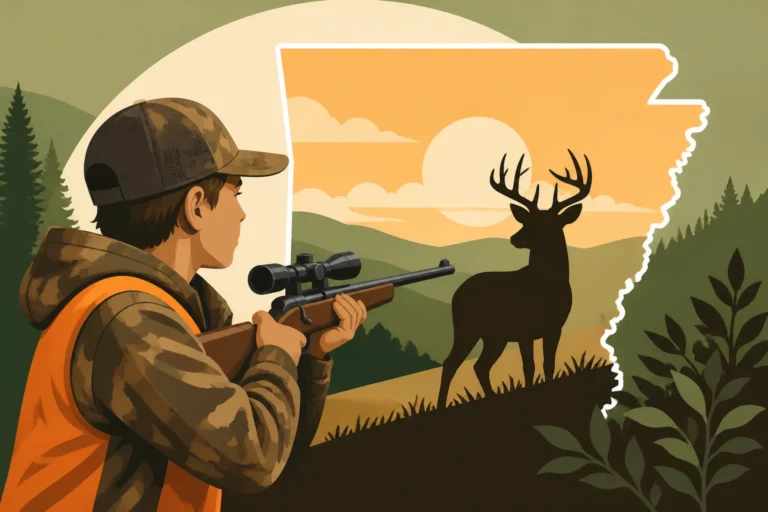
For many Arkansas hunters, the roar of a modern rifle during deer season is a familiar sound. But what happens when you step outside those conventional boundaries, venturing into the muzzleloader or alternative firearms seasons? It can feel like a whole new ballgame, with different equipment, shorter ranges, and a unique set of challenges that can leave even seasoned hunters scratching their heads. This guide is here to unravel the intricacies of hunting deer with muzzleloaders, shotguns, and handguns in Arkansas, helping you embrace these distinct opportunities with confidence.
Understanding Arkansas's Muzzleloader and Alternative Firearms Seasons
Arkansas offers a diverse range of hunting seasons, and while modern gun season gets a lot of the spotlight, the muzzleloader and alternative firearms periods provide incredible, often less pressured, chances to pursue deer. These seasons aren't just about using different gear; they often coincide with specific times of the year, bringing their own set of deer behaviors and environmental conditions that demand adapted strategies.
Why These Seasons Matter to Hunters
These specialized seasons are a true gift for hunters looking for different experiences or additional time in the woods. Often, the state offers earlier dates for muzzleloader hunters, allowing a shot at deer before the woods are completely swarmed by modern gun hunters. This can mean encountering less pressured animals, which might be more predictable in their movements. Similarly, the alternative firearms seasons, which allow muzzleloaders, non-semiautomatic straight-wall centerfire firearms and handguns, and large-bore air rifles, broaden the opportunities, especially for those who prefer closer-range encounters or are looking to hone specific skills. It’s a chance to extend your season, refine your craft, and experience the thrill of the hunt through a different lens.
Key Differences from Modern Gun Season
The most obvious difference lies in the equipment itself. Modern gun season generally allows for high-powered rifles with longer effective ranges, while muzzleloaders and alternative firearms inherently limit your reach. This isn't a drawback; it's a fundamental shift in strategy. Muzzleloaders, for instance, are typically single-shot, black powder or substitute powder firearms, requiring a more deliberate and committed approach to each shot. Alternative firearms, such as large-bore air rifles and straight-wall cartridge firearms, offer a greater range than traditional archery but less than many modern rifles.
The calendar plays a huge role, too. Often, muzzleloader season provides a window before or between modern gun periods, offering a quieter woods experience. The timing might place you in early fall, where temperatures are still mild, or even closer to the rut, depending on the zone. Understanding these specific dates is crucial, and you can always check the current rules for Arkansas muzzleloader and alternative firearms dates through the AGFC regulations. It’s not just about the gun you carry; it’s about the entire hunting context that these seasons create.
Here's a quick comparison of the primary season types:
| Feature | Modern Gun Season | Muzzleloader Season | Alternative Firearms Season |
|---|---|---|---|
| Primary Firearm | High-powered centerfire rifles | Black powder, single-shot firearms | Muzzleloaders, straight-wall centerfire firearms and handguns, large-bore air rifles |
| Effective Range | Often 200+ yards, depending on caliber | Generally 50-150 yards (modern inline can extend) | Shotguns: 50-100 yards; Handguns: 25-75 yards |
| Reload Speed | Fast, multi-shot capacity | Slow, single-shot, often requires significant effort | Moderate (shotguns), slow (handguns) |
| Season Timing | Typically late fall, often during peak rut | Often earlier fall, or specific windows within the season | Can overlap with modern gun or have dedicated windows |
| Pressure | Generally highest pressure | Often lower than modern gun | Varies; can be lower than modern gun |
Muzzleloader Tactics for Arkansas Deer
Stepping into the woods with a muzzleloader is a unique experience. It strips away some of the complexities of modern hunting, bringing you back to a more fundamental connection with the hunt. But that simplicity also demands meticulous preparation and a tailored approach to tactics.
Preparing Your Muzzleloader for the Field
Reliability is paramount with a muzzleloader. Before you ever hit the deer woods, dedicate significant time to the range. This isn't just about sighting in; it's about understanding your specific firearm. Test various powder charges and projectile combinations to find what shoots most accurately out of your gun. Whether you're using loose powder, pellets, or a magnum charge, consistency is key. Practice loading quickly and efficiently, especially under pressure, as you'll only get one shot.
Pay close attention to cleaning. Black powder and its substitutes can be corrosive, so a thorough cleaning after every range session and hunt is non-negotiable. Furthermore, consider how Arkansas's often humid and occasionally rainy weather might affect your setup. Invest in a good waterproof cap for your muzzle, and ensure your primer or percussion cap is sealed. You don't want a misfire when that trophy buck steps out. Modern inline muzzleloaders, like those from CVA or Traditions, often offer more weather resistance and better accuracy than traditional sidelocks, but proper care is still essential.
Hunting Strategies for the Muzzleloader Hunter
Given the limited range of most muzzleloaders, your hunting strategy needs to be built around getting close. This means prioritizing stealth, wind awareness, and intimate knowledge of deer movement patterns. Still-hunting, where you move slowly and deliberately through the woods, pausing to scan and listen, can be incredibly effective. Every step should be intentional, and you should use the terrain to your advantage, whether it's the rolling hills of the Ozarks or the dense cover of the Delta.
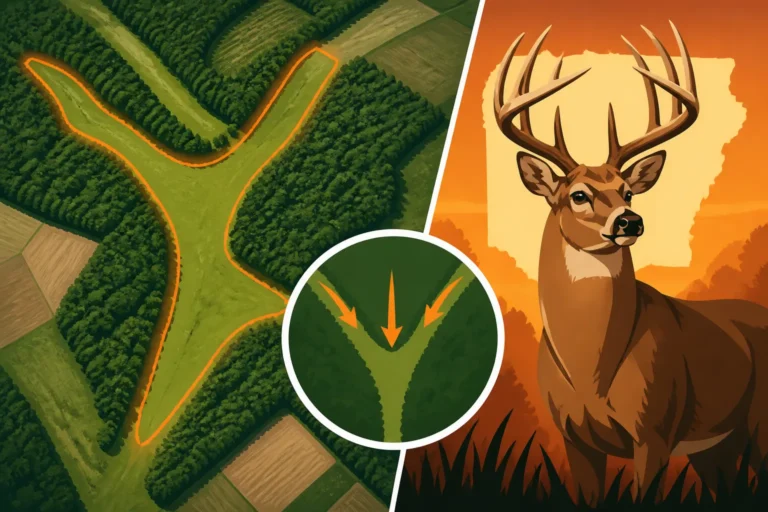
Another effective tactic is setting up in known travel corridors, funnel points, or near prime food sources. You’ll want to scout these areas meticulously beforehand, looking for fresh sign like rubs, scrapes, and tracks. Using tools like GoHunt can provide invaluable aerial imagery and land ownership data, helping you identify these key locations before you even step foot in the woods. When a deer appears, be prepared to wait for a broadside or quartering-away shot within your ethical range. There's no rush to take a marginal shot when you know you only have one. Focus on a calm, steady aim and perfect shot placement.
Dealing with Weather and Reliability
Arkansas weather can be notoriously unpredictable. One day it's warm and sunny, the next it's damp and chilly. This variability poses a significant challenge for muzzleloader hunters. Moisture is the enemy of black powder. If your powder gets damp, it won't ignite properly, leading to a hangfire or, worse, a misfire. Always keep your powder and primers in a waterproof container until you're ready to load. Once loaded, protect the muzzle with a piece of electrical tape or a specially designed muzzle cover.
On particularly damp or rainy days, consider shorter hunts or hunting areas with more natural overhead cover, like dense pine stands or thick canopies. After the hunt, even if you didn't fire a shot, it's wise to unload your muzzleloader (safely, following all manufacturer instructions) and check for any moisture in the barrel. It's a bit more work, but it ensures your firearm is ready and reliable for your next outing. Remember, patience and proper gear selection, like a good quality weatherproof muzzleloader, can make all the difference.
Alternative Firearms: Shotguns, Pistols, and Archery Equipment
Beyond the traditional muzzleloader, Arkansas also offers seasons for "alternative firearms," a category that includes non-semiautomatic straight-wall centerfire firearms and handguns, muzzleloading handguns, and large-bore air rifles. Shotguns with slugs are not allowed during alternative firearms season. Each of these presents its own set of advantages and challenges, dictating specific tactics for success.
Straight-Wall Cartridge Firearms: When and Where They Shine
Non-semiautomatic centerfire firearms that fire a straight-wall cartridge of .30 caliber or larger are allowed during alternative firearms season, giving hunters more power than a bow while keeping shots within a reasonable range. Shotguns with slugs, by contrast, are not allowed during this season.
These setups shine in dense cover, thick hardwoods, or areas with limited visibility – environments common in the Delta bottoms or specific parts of the Ouachita National Forest. The heavier, slower projectile often performs well through light brush, though you should always aim for clear shooting lanes. Your tactics will resemble muzzleloader hunting: focus on close-range ambush points, still-hunting, and taking advantage of thickets and creek bottoms where deer feel secure. For a successful hunt with this setup, scouting for clear shot opportunities in dense cover is paramount.
Handguns for Deer Hunting: Challenges and Rewards
Hunting deer with a handgun is perhaps the most challenging and rewarding of the alternative firearm options. It truly is a close-quarters game, with most hunters limiting their shots to 50 yards or less, and many preferring even closer. This isn't for the faint of heart, as it demands exceptional marksmanship, nerves of steel, and an intimate understanding of deer behavior. Legal calibers in Arkansas typically include .357 Magnum, .41 Magnum, .44 Magnum, .45 Colt, and larger, all capable of humanely taking a deer at appropriate distances.
The tactics for handgun hunting are intensely focused on extreme stealth and patience. You need to get incredibly close to your target, which means perfecting your camouflage, mastering wind direction, and moving slower than you ever thought possible. Elevated stands or ground blinds in thick cover are often the most effective setups. This is where you might find yourself in prime position to utilize a tactic like Rattling and Grunting in Arkansas to bring a buck within handgun range. The reward isn't just a harvested deer; it's the profound sense of accomplishment that comes from such a demanding and personal hunt.
Crossbows and Special Archery Equipment: A Deeper Dive
While traditional archery season is its own entity, certain "alternative firearms" seasons might also allow crossbows or other specialized archery equipment. Crossbows have gained popularity for their increased accuracy potential compared to traditional bows, especially for hunters who might struggle with the physical demands of drawing a compound or recurve. Their effective range generally falls between 40-60 yards, making them similar to handguns in terms of required proximity.
Tactics for crossbow hunting largely mirror those for compound bows but with a slight adjustment for the crossbow's unique handling. You still need to focus on drawing deer into close range, understanding their movements, and being mindful of your scent. Treestand Setups in Delta Hardwoods are ideal for crossbows, allowing you to get above a deer's line of sight and maximize your shot opportunities. However, remember that shot placement is just as critical with a broadhead from a crossbow as it is with a bullet from a handgun. Practice consistently to ensure you can make an ethical shot when the moment arrives.
Scouting and Stand Placement for Unique Seasons
No matter which alternative firearm you choose, success in Arkansas hunting boils down to effective scouting and strategic stand placement. These unique seasons often occur outside the traditional modern gun rush, which can mean different deer patterns and less hunting pressure—but also different challenges.
Adapting Pre-Season Scouting
Your pre-season scouting efforts need to be even more focused when preparing for muzzleloader or alternative firearms seasons. While general scouting for Scouting Arkansas Public Land Before Season is always good, you'll want to pay close attention to subtle changes in deer patterns as the year progresses. If you're hunting an early muzzleloader season, deer might still be in summer patterns, focused on lush food sources like agricultural fields or early acorn drops. Later alternative seasons might find deer more concentrated around remaining hard mast, browse in clearcuts, or seeking thermal cover in dense pine plantations.
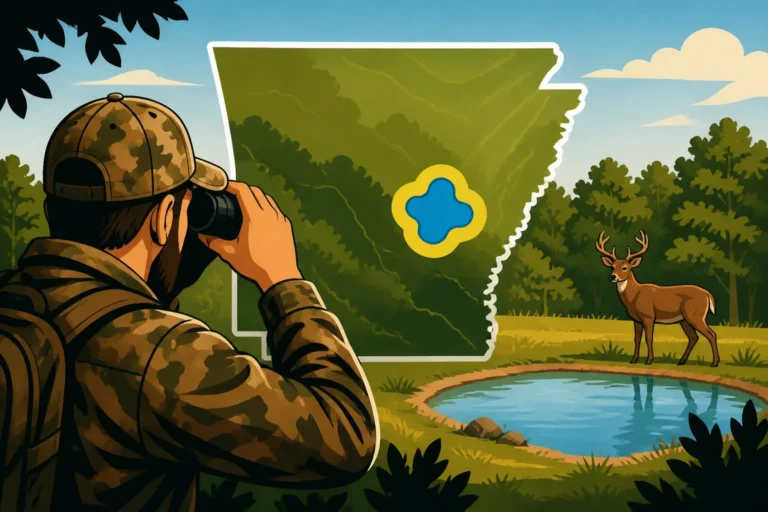
Deer in late fall and early winter become more reliant on specific, high-energy food sources. Identifying these crucial feeding areas and connecting travel corridors will be vital. Tools like GoHunt's mapping features can help you overlay various data points – food sources, bedding areas, water – to predict deer movement. Look for fresh rubs and scrapes that indicate bucks are actively working an area, and note how these change over time. Since your effective range is limited, you need to know exactly where deer are likely to pass within your comfort zone.
Stand Selection for Limited Range
With a muzzleloader, shotgun, or handgun, your ethical shooting window is much tighter than with a rifle. This means your stand selection becomes even more critical. You need to identify pinch points, funnels, or specific trails where deer are almost guaranteed to pass within 50-75 yards. Instead of overlooking a large field, you might focus on a small, brushy creek crossing, a dense hedge row bordering a field, or a saddle on an Ozark ridge that forces deer into a narrow path.
For elevated stands, consider how the limited range affects your shooting angles. You'll want to be close enough to your target area to ensure a clean shot, but not so close that you compromise your concealment. Ground blinds can be highly effective for alternative firearms, especially in dense cover, as they offer excellent concealment and can be placed right in the heart of deer activity. When placing a stand or blind, always consider your entry and exit routes to minimize disturbing the area, and never compromise safety for a better shot.
Utilizing Terrain Features Effectively
Arkansas's diverse topography offers endless opportunities to leverage terrain for alternative firearms hunting. In the mountainous regions, understanding Reading an Ozark Bench for Deer can be a game-changer. Deer often travel benches and saddles, and setting up on these features can put you in prime position. Wind and thermals are paramount in hilly country, as they will dictate how deer move and where they expect danger.
In the flatter Delta regions, focus on identifying subtle elevation changes, drainage ditches, old logging roads, or brushy edges between fields and timber. These features act as natural travel corridors. Deer often skirt the edges of thick cover, and placing a stand or blind along one of these transition zones can be incredibly productive. For example, a small clump of trees or a brush pile along a levee in a flooded field might seem insignificant but could be a high-traffic area for deer. Understanding these micro-terrain features is crucial for getting within the effective range of your chosen firearm.
Mindset and Ethical Considerations
Hunting with muzzleloaders and alternative firearms isn't just about the equipment; it's about adopting a specific mindset. These tools demand greater patience, precision, and a heightened sense of responsibility. Embracing these ethical considerations ensures a humane hunt and a deeper appreciation for the experience.
Patience and Shot Selection
Because of the inherently limited range and often single-shot nature of these firearms, patience isn't just a virtue—it's a necessity. You might see several deer that are just out of your ethical range, or moving too quickly, or presenting an unfavorable angle. The hardest part is often waiting for that perfect, high-percentage shot. Resist the urge to rush. Wait for the deer to present a broadside or slight quartering-away shot within your practiced comfort zone.
A shot at 20 yards with a handgun or muzzleloader is far more ethical and effective than a rushed 70-yard shot. Practice shooting from various positions – standing, kneeling, sitting – so you're prepared when a deer appears unexpectedly. The goal is a quick, clean, humane kill, and that starts with unwavering discipline in shot selection. This might mean letting a buck walk today, but it ensures you uphold the highest standards of fair chase.
Tracking and Recovery Challenges
One of the often-overlooked challenges with muzzleloaders and alternative firearms is the potential for different tracking scenarios. While a modern rifle shot might produce a dramatic exit wound and a clear blood trail, a slower, larger caliber slug or a broadhead from a crossbow can sometimes result in less external bleeding or a shorter blood trail, especially if the shot is not perfectly placed. This doesn't mean they're less lethal, but it does mean your tracking and recovery efforts need to be even more diligent.
Always mark the spot where the deer was standing when you shot, and where it was last seen. Wait for at least 30 minutes, or longer if you suspect a marginal hit, to allow the animal to expire. Then, methodically search for blood, hair, or disturbed earth. If hunting in a rocky area like the Ozarks, learning Tracking a Deer in Ozark Rock can be a lifesaver, as blood trails can be notoriously difficult to follow. In dense Delta thickets, knowing how to slowly grid-search can be the key. Don't give up quickly; ethical recovery is your responsibility.
Respecting the Equipment and the Game
Ultimately, hunting with muzzleloaders and alternative firearms is about respect. It's respect for the tradition and history of hunting, respect for the capabilities and limitations of your equipment, and, most importantly, respect for the game animal you pursue. Understand your firearm's effective range, practice diligently, and never take a shot beyond what you know you can consistently and ethically make.
These seasons offer a unique opportunity to slow down, connect more intimately with the hunting process, and often find solitude in the Arkansas woods. Whether you're chasing that elusive buck with a single-shot muzzleloader or testing your skills with a hunting handgun, remember that the experience itself, the challenge, and the connection to nature are as valuable as the harvest. Enjoy the journey, learn from every outing, and always strive to be the most ethical hunter you can be.
Disclaimer
All hunting activities carry inherent risks. Always consult the latest Arkansas Game and Fish Commission (AGFC) regulations before heading afield, as rules and seasons can change. Ensure you possess all necessary licenses and permits. This guide is for informational purposes only and does not supersede official regulations. Practice firearm safety at all times.