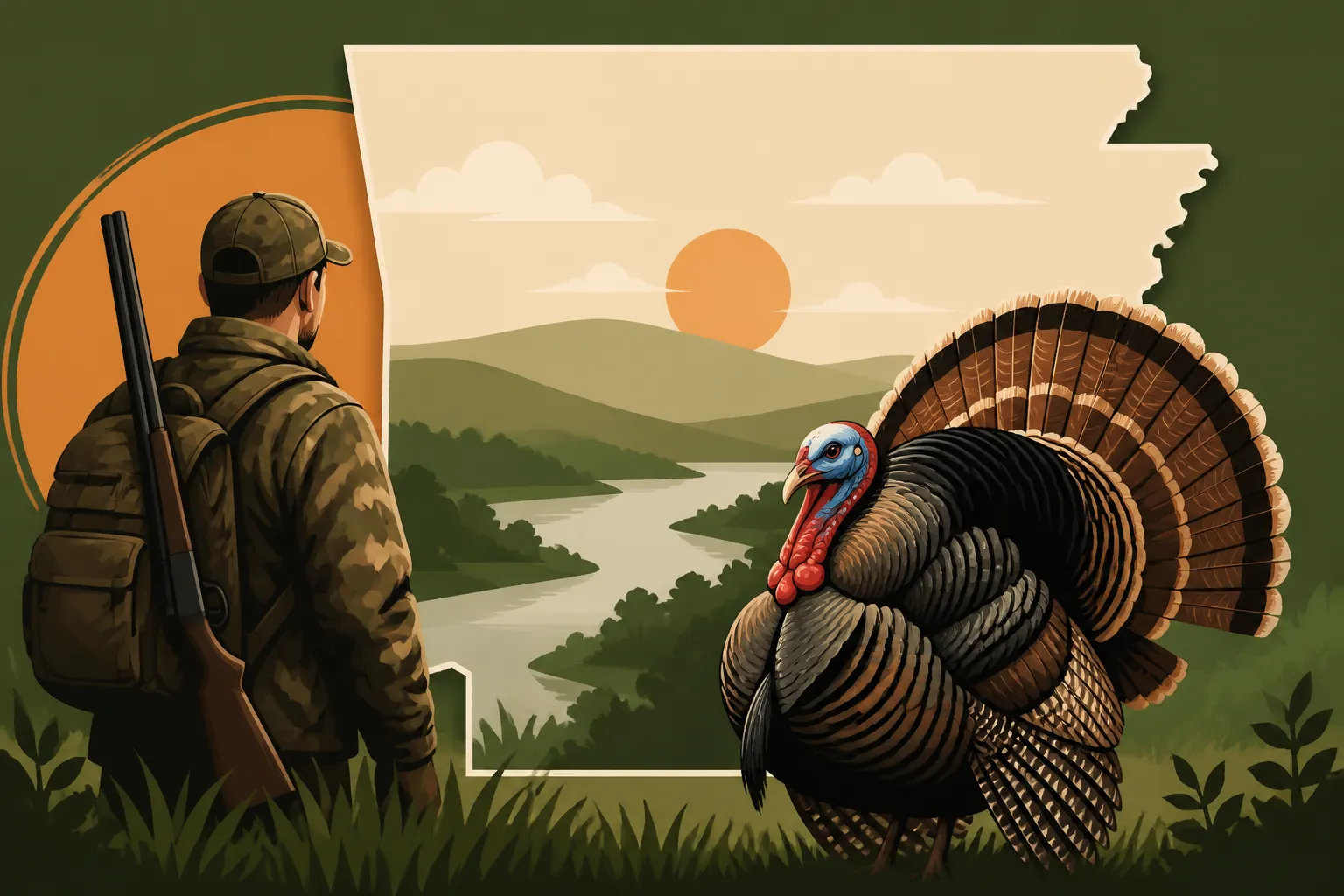
Arkansas Guided Turkey Hunt Prices
It’s easy to feel overwhelmed when you start looking at guided turkey hunts in Arkansas. You see all sorts of prices advertised, sometimes with little detail, and it’s tough to figure out what you're actually getting for your hard-earned money. Many hunters dream of calling in a big gobbler in the Natural State, but the thought of navigating different outfitter offerings and hidden costs can be a real barrier. This guide is here to cut through the confusion, helping you understand the factors that influence Arkansas guided turkey hunt prices and what you can expect when booking your next spring adventure.
Understanding the Factors Influencing Arkansas Guided Turkey Hunt Prices
When you’re thinking about booking a guided turkey hunt in Arkansas, the first thing to understand is that there’s no single price. Just like buying a truck, you’ve got different models, trims, and add-ons that all affect the final cost. Several key factors play into what an outfitter charges, and being aware of these can help you better compare options and make an informed decision that suits your budget and expectations.
Location, Terrain, and Turkey Density
Arkansas is a diverse state, from the rugged mountains of the Ozarks and Ouachitas to the flat, fertile delta lands. Each of these regions offers a unique turkey hunting experience, and the differences in terrain, habitat, and turkey density can significantly influence guide prices. For instance, a hunt deep in the challenging, timbered hills of the Ozark National Forest, where birds might be more scattered and difficult to access, could command a different price point than a hunt on private land in the rolling foothills, where turkeys might be more concentrated near agricultural fields. Some outfitters operate exclusively on private, managed land, which often comes with a higher price tag due to exclusive access and potentially higher turkey populations and success rates. These lands are often intensely scouted, and the outfitter has control over habitat management and hunter pressure, which are all factors that contribute to a more predictable and potentially successful hunt. Other guides might focus on public lands, like portions of the Ouachita National Forest, where the hunting can be incredibly rewarding but often requires more effort, less certainty, and different logistical considerations. The type of land an outfitter has access to—whether it’s hundreds of acres of prime private timber or sprawling public forests—is a major cost driver.
Duration of the Hunt and Inclusions
One of the biggest variables in pricing is the length of the hunt. Are you looking for a quick day hunt, or do you want a multi-day experience with lodging and meals? A single-day guided hunt will naturally be less expensive than a two- or three-day package. However, many hunters find that a multi-day hunt offers a better chance at success with wild turkeys, which can be notoriously fickle. A longer hunt allows for more opportunities to adapt to weather changes, bird behavior, and gives you more time in the field overall.
"All-inclusive" packages are exactly what they sound like – they bundle many services into one price. This usually means your lodging, meals, the guide's services, and sometimes even initial bird cleaning are covered. It's fantastic for convenience, as it simplifies planning and helps avoid surprise costs. However, it's crucial to always clarify exactly what "all-inclusive" means for a specific outfitter. Often, things like your Arkansas hunting licenses, turkey tags, any necessary WMA permits, travel to and from the lodge, ammunition, and certainly guide tips are not included in the base price. Always ask for a detailed breakdown. Understanding Arkansas spring turkey seasons and limits and What an Arkansas Hunting License Covers will help you factor in those additional but essential costs.
Guide Experience and Lodge Reputation
Like any service, experience matters. A seasoned turkey guide with a proven track record of consistently putting clients on birds, who knows the local terrain like the back of their hand, and possesses exceptional calling skills, often charges more. This premium isn't just for their time; it's for their expertise, their network, and their ability to adapt to challenging situations. A great guide can make the difference between a frustrating silence and a thrilling gobble in your face. Similarly, established lodges with a strong reputation for hospitality, comfortable accommodations, and consistent success rates can also command higher prices. These operations often have years, if not decades, of experience refining their hunts, managing their properties, and building a loyal clientele. They might offer better amenities, more comfortable rooms, and a more polished overall experience compared to a newer, smaller operation. When evaluating these options, consider what kind of experience you prioritize – a bare-bones, no-frills hunt focused solely on the birds, or a more comfortable, full-service experience where every detail is handled.
Typical Pricing Structures for Arkansas Guided Turkey Hunts
Navigating the various pricing structures for guided turkey hunts can feel like trying to solve a puzzle. Outfitters present their services in different ways, and it’s up to you as the hunter to understand what each option truly entails. Knowing the common models will help you compare apples to apples and find a hunt that aligns with your budget and desired level of support.
Day Hunts Versus Multi-Day Packages
Most Arkansas turkey outfitters will offer either single-day hunts or multi-day packages.
Single-Day Hunts: These are often the most affordable entry point into a guided experience. You typically meet your guide early in the morning, hunt for the day, and then depart in the afternoon or evening. This option is great if you're on a tight schedule, want to "sample" a guide's services, or are just looking for a quick shot at a bird without the commitment of a multi-day trip. Prices for a single-day guided turkey hunt can vary widely, but they generally represent the guide's time, expertise for that specific day, and access to their hunting grounds. There are usually no accommodations or meals included, making it a more "a la carte" option.
Multi-Day Packages: For a more immersive experience and typically a better chance at tagging a bird, multi-day packages (e.g., 2-day, 3-day hunts) are very popular. While the upfront cost is higher, the per-day rate might actually be slightly lower than booking individual day hunts. These packages often include lodging, meals, and multiple hunting opportunities over the course of your stay. A 3-day, 2-night hunt is a common offering, giving you two full hunting days and potentially a morning on the third. The advantage here is not just extended time, but also the ability to adjust tactics as weather patterns change or as you learn more about the local birds. This is especially true for elusive wild turkeys, which don't always cooperate on day one. You can learn a lot from a good guide over multiple days, like how they use various calls or read different types of terrain for Calling Arkansas Gobblers in the Ozarks.
Another aspect to consider is the hunter-to-guide ratio. Some outfitters offer one-on-one guiding, meaning you have a dedicated guide for just you, which offers the most personalized experience and often the highest chance of success, but it also comes at a higher cost. Other operations might offer 2-on-1 or even 3-on-1 guiding, where you share a guide with one or two other hunters. This can be a more budget-friendly option and is great for hunting buddies, but it might mean slightly less individualized attention.
What's Generally Included (and Not Included)
It's absolutely critical to understand the fine print of any guided hunt package. What you see as the advertised price is rarely the total cost you'll incur. Here’s a general breakdown of what to expect:
| Typically Included | Typically NOT Included (Budget For These!) |
|---|---|
| Guide services and expertise | Arkansas Hunting License & Turkey Tags |
| Access to private hunting land | Federal & State Waterfowl Stamps (if applicable) |
| Field transportation (to/from hunting areas) | WMA Permits (if applicable) |
| Basic bird cleaning (breast out) | Ammunition |
| Lodging (in multi-day packages) | Guide Gratuities (Tips) |
| Meals (in multi-day, all-inclusive) | Game Processing (beyond basic field prep) |
| Water/Non-alcoholic beverages in the field | Taxidermy Services |
| Pre-scouting of hunting areas | Travel to/from the outfitter's location |
| Personal hunting gear (calls, camo, weapon) | |
| Alcoholic beverages | |
| Any required CWD testing fees |
As you can see, licenses and permits are almost always your responsibility. Before you even start looking at guided hunts, familiarize yourself with Arkansas Hunting Licenses and What They Cost and specific turkey regulations. Guide tips are another major consideration. A general rule of thumb for tipping is 15-20% of the total hunt cost for excellent service. This is a huge part of a guide's income and is well-deserved for hard work, dedication, and a great experience, whether you bag a bird or not. Don't forget to factor this into your overall budget.
Semi-Guided and DIY Assistance Options
For hunters who want some support but aren't quite ready for a fully guided, in-the-field experience, or for those looking to save some money, semi-guided hunts and DIY assistance options are gaining popularity.
Semi-Guided Hunts: These typically fall somewhere between a fully guided trip and a completely self-sufficient hunt. In a semi-guided scenario, the outfitter might provide access to private hunting land, show you the boundaries, give you recent scouting intel on where birds have been seen or heard, and suggest calling strategies. They might even drop you off at a pre-scouted location. However, they won't be in the field calling for you or sitting with you in a blind. This offers a good balance of support and independence. It's a fantastic way to hunt quality ground with some local knowledge without the higher price tag of a full guide. This can be especially appealing if you enjoy the challenge of calling your own bird but want to avoid the crowds or uncertainty of public land, or if you're exploring Hunting Ozark Ridges and Hollows for Deer but want to add a turkey component.
DIY Assistance Options: Some outfitters or landowners might offer strictly access-based services. This could involve leasing a specific tract of land for a few days, providing maps, or sharing very basic intel, but with no direct guiding or even semi-guiding. This is often the most economical choice for accessing private land. You are completely on your own for scouting, calling, and harvesting your bird. These services are less common for turkeys than for deer or ducks, but they do exist, particularly in areas with abundant bird populations. Hunters often use platforms like BookYourHunt or GoHunt to discover these various types of services, from full-service guides to more hands-off land access options. Always clarify the level of service and support you're paying for to ensure it matches your expectations.
Maximizing Value and Choosing the Right Hunt
With the variety of Arkansas guided turkey hunt options out there, choosing the right one can feel like a big decision. It’s not just about the price tag; it’s about finding the best fit for your hunting style, your expectations, and ultimately, ensuring you have a memorable and ethical experience in the woods. Taking the time to do your homework and ask the right questions will pay dividends long before you ever set foot in the spring woods.
Researching Outfitters and Asking Key Questions
The internet is a powerful tool, but it's important to use it wisely when researching outfitters. Start by looking at outfitter websites, social media pages, and hunting forums. Pay attention to how they present themselves, the quality of their photos and videos, and any testimonials they feature. However, don't stop there. When you're ready to start looking, resources like BookYourHunt can be a great place to begin, offering listings and reviews from various outfitters across the state. Similarly, platforms like GoHunt also provide insights and connections to reputable guides, often including hunter feedback and details on their offerings.
Once you have a few potential outfitters in mind, it's time to start asking questions. Don't be shy – a reputable outfitter will be happy to answer them thoroughly. Here's a checklist of key questions to ask:
- What is the total price for the hunt package I'm interested in, and what exactly does it include and not include? Get this in writing if possible.
- What is your hunter-to-guide ratio? One-on-one is ideal but more expensive.
- What are your typical success rates for turkey hunters? Be realistic; wild turkeys are tough.
- What kind of terrain will we be hunting? Public land, private land, hardwoods, pine plantations, river bottoms? This will influence your gear and physical preparation. You might be interested in Turkey Tactics in Arkansas Pine Plantations if you know you'll be in that environment.
- How much pre-scouting do you do?
- What specific calling techniques do you use?
- What happens if I tag out early? Can you pursue other game or fish, or do you leave?
- What is your policy on wounded birds? What efforts will be made for recovery?
- Do you provide transportation in the field?
- What are the accommodation details and meal plans?
- Can you provide references from past clients, preferably from the most recent season? This is crucial. Contact these references and ask about their honest experience.
- What are your cancellation and refund policies? Understand these thoroughly, especially if weather or unforeseen circumstances disrupt your hunt.
- Are there any additional fees I should be aware of, such as bird cleaning, processing, or special permit costs?
- What is the expected gratuity for the guide and any other staff?
Timing Your Hunt and Booking Strategies
The timing of your hunt within Arkansas's spring turkey season can also impact pricing and availability. The opening weeks of the season, when gobblers are often most vocal and aggressive, tend to be the most popular and can sometimes command higher prices. These weeks also book up earliest. If your schedule allows, consider hunting later in the season. While birds might be a bit more pressured or "henned up," an experienced guide can still find success, and you might encounter fewer hunters and potentially slightly lower rates.
Booking well in advance is almost always a good idea, especially if you have specific dates in mind or are targeting a popular outfitter. Many reputable outfitters book a year or more out, particularly for prime dates. If you're flexible, sometimes you can snag a last-minute cancellation at a reduced rate, but don't count on it. Also, consider hunting during the week rather than on weekends. Weekday hunts often see less pressure from other hunters, and some outfitters might even offer a slight discount for mid-week bookings to fill their calendar. Understanding Arkansas Turkey Daily Limit and Arkansas Turkey First-Week Limit will help you plan your expectations for any time of the season.
Beyond the Price Tag: The Overall Experience
While cost is undoubtedly a major factor, try not to let it be the only factor in your decision. A guided turkey hunt is an investment in an experience, a chance to connect with nature, and hopefully, to harvest a magnificent bird. The intangible value of a truly great guide – someone who is passionate, patient, an exceptional caller, and a genuinely good person to share the woods with – is priceless. They can turn a challenging hunt into a rich learning experience, regardless of whether you punch your tag.
Think about what kind of experience you want. Do you thrive on the grind of chasing birds from sun-up to sundown, or do you prefer a more relaxed pace with comfortable breaks? Do you enjoy a bustling lodge atmosphere, or do you prefer a quieter, more intimate setting? Communicate these preferences clearly with potential outfitters. The goal is to set realistic expectations and ensure that the outfitter's style aligns with your own. A truly successful hunt isn't just about the gobbler you take home; it's about the memories made, the skills learned, and the stories you'll tell for years to come. Remember to check out topics like Scouting Arkansas Public Land Before Season if you're curious about what goes into finding these elusive birds.
Disclaimer
This article is for general informational purposes only and does not constitute professional advice. Laws, prices and regulations vary by location and change over time. Consult a qualified professional for guidance on your specific situation.