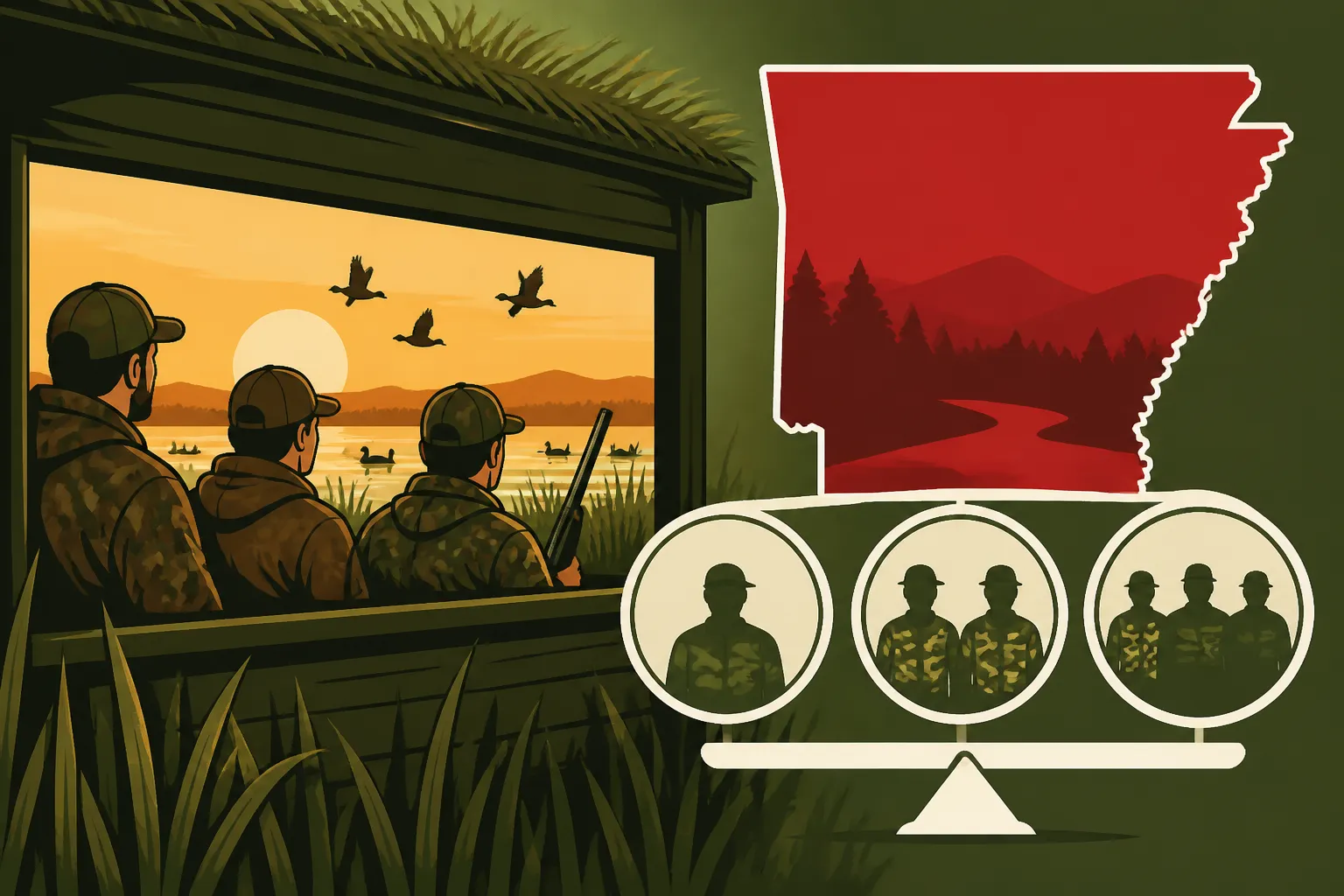
Guide-to-Hunter Ratios in a Blind
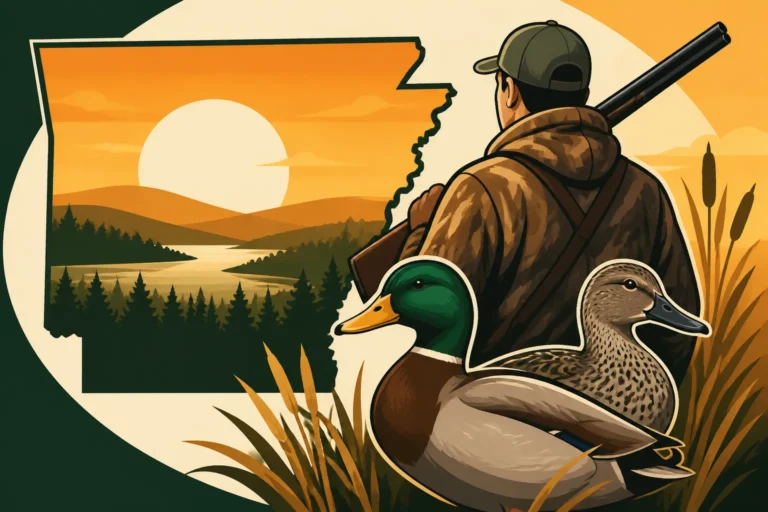
It's easy to get caught up in the excitement of booking a guided duck hunt in Arkansas. You're picturing flooded timber, the splash of decoys, and mallards cupped over the spread. But one thing many hunters overlook, and often regret not asking about, is the guide-to-hunter ratio in the blind. It can dramatically change your experience from a personalized adventure to feeling like just another face in a crowd. This guide will walk you through why this ratio matters and what to expect when you're in the blind.
Understanding Why Ratios Matter on a Guided Hunt
When you shell out your hard-earned money for a guided hunt, you're buying an experience. That experience isn't just about shooting ducks; it's about the entire day, the camaraderie, the calling, and the expertise of your guide. The number of hunters compared to the number of guides directly impacts almost every aspect of that experience.
The Impact on Your Hunting Experience
Imagine a perfect morning: the air is crisp, the ducks are flying, and your guide is masterfully working a call, reading every bird. Now imagine that same scenario, but instead of just you and a couple of buddies, there are six or seven of you crammed into a blind with one guide trying to manage everyone's shooting, answer questions, and call birds all at once. The difference is palpable.
With a better guide-to-hunter ratio, say one guide for every three or four hunters, you're going to get far more personalized attention. Your guide can offer shooting tips, help with gun jams, retrieve birds more efficiently without delays, and engage in genuine conversation. They can dedicate more time to calling and observing bird behavior, leading to better opportunities. It feels less like a cattle call and more like a tailored hunting trip. Conversely, a higher ratio means your guide's attention is spread thin. You might feel rushed, or like you're just waiting for your turn, rather than being an active participant in the hunt. There's less chance for individual coaching, and the focus shifts more towards simply putting birds in the bag, sometimes at the expense of a quality interaction.
Safety and Logistics in the Field
Beyond the personal experience, the guide-to-hunter ratio has real implications for safety and logistics, especially in challenging environments like Arkansas's famous flooded green timber. Navigating slick mud, hidden stumps, and often deep water in the dark before legal shooting hours can be tricky. A guide who isn't overwhelmed with too many clients can better ensure everyone's safety, offering a steady hand or clear direction.
Consider the practicalities of getting into and out of the blind. With a favorable ratio, the guide can assist with gear, help retrieve birds that fall far from the blind, and manage potential dog work more effectively. If you're wading into a timber hole, a guide focused on a smaller group can pay closer attention to water depths and footing, preventing slips and falls. In larger groups, the logistics can become chaotic, with everyone trying to do things at once, potentially leading to miscommunication or even accidents. Your guide is ultimately responsible for the safety of the group, and it's a much easier task with a manageable number of hunters.
Common Guide-to-Hunter Ratios in Arkansas Waterfowl Blinds
Arkansas, particularly the Delta region, is famous for its duck hunting, and guided hunts are a popular way to experience it. However, not all guided experiences are created equal, and the guide-to-hunter ratio is one of the biggest differentiators.
The "Sweet Spot" – 1:3 or 1:4
Many seasoned hunters and reputable outfitters consider a 1:3 or 1:4 guide-to-hunter ratio to be the "sweet spot" for a high-quality guided waterfowl hunt. This means for every guide, there are three or four hunters. This ratio allows for a fantastic balance of personalized service and efficient hunting.
In this setup, your guide can actively call, giving individual instruction on when to shoulder your gun or when to hold fire. They can manage the spread, adjust decoys, and run their dog for retrieves without feeling overwhelmed. You'll likely find that the guide can spend a moment chatting with each hunter, sharing stories, and making the experience truly memorable. If you're looking to learn more about Hunting Arkansas Flooded Green Timber or Reading Water in the Arkansas Delta, a guide with fewer clients can dedicate time to explaining the nuances. This ratio is ideal for small groups of friends or family who want a cohesive, intimate hunting trip. It allows for quick, clean retrieves, minimizing lost birds, and often results in better overall success because the guide can focus on working the birds effectively for a smaller group.
Larger Groups and Higher Ratios – 1:5 or 1:6+
It's not uncommon to find guided hunts, especially in larger pit blinds or open-field setups, that accommodate five, six, or even more hunters with just one primary guide. These hunts often cater to corporate groups, larger friend circles, or those seeking a more budget-friendly option.
While these hunts can still be enjoyable, you might notice a shift in the dynamic. The guide's role often becomes more focused on calling and general bird management, with less individual interaction. Instructions might be given to the group as a whole, rather than tailored to each hunter's position or skill level. Retrievals might take longer, or the guide might rely more on multiple dogs if available. Sometimes, lodges that run larger groups will have a lead guide, with a secondary "bird boy" or assistant to help with retrieves and logistics, which can alleviate some of the pressure. However, it's still generally a less personalized experience. If you’re considering booking a trip, platforms like BookYourHunt often detail the maximum group size per blind, giving you a clearer picture upfront. For those interested in Hunting Rice Fields and Levees, where larger blinds are more common, this higher ratio might be the norm.
Specialized Hunts – 1:2 or Private Hunts
On the other end of the spectrum, some premium outfitters offer highly personalized experiences with a guide-to-hunter ratio of 1:2 or even completely private hunts. These typically come with a higher price tag but provide an unparalleled level of service and flexibility.
With a 1:2 ratio, you and one hunting partner essentially have a dedicated guide. This means constant attention, in-depth calling instruction if you desire, and the ability to tailor the hunt more closely to your preferences. The guide can focus entirely on putting you on birds, providing immediate feedback, and ensuring every aspect of the hunt runs smoothly. If you're looking to hone your skills, try specific calling techniques, or simply enjoy a very exclusive outing, this is the way to go. These kinds of hunts are often sought by experienced hunters who want a particular challenge or a high-volume shooting experience without the distractions of a larger group. They also tend to be very flexible with things like Setting Decoys in Timber Holes or making last-minute adjustments based on bird movement.
| Guide-to-Hunter Ratio | Typical Experience Level | Pros | Cons |
|---|---|---|---|
| 1:2 (Private/Premium) | All levels, often experienced | Highly personalized, dedicated attention, maximum flexibility, exclusive | Highest cost, fewer hunting partners |
| 1:3 to 1:4 (Ideal) | All levels, most common | Good balance of personal attention & group camaraderie, efficient hunting, learning opportunities | Mid-range cost, may still share calling duties |
| 1:5 to 1:6+ (Larger Group) | All levels, often budget-conscious | More economical, good for large groups, social atmosphere | Less personalized, guide's attention spread thin, more general instructions |
What to Ask Your Outfitter About Ratios
The biggest mistake you can make is assuming the ratio will be what you want it to be. Don't leave it to chance! Before you put down a deposit, have a clear conversation with your outfitter about their typical guide-to-hunter ratios. Being informed upfront will prevent any disappointment once you're in the blind.
Clarifying Group Size and Guide Presence
When you're talking to an outfitter, be direct. Ask them, "What is the maximum number of hunters you will put in a single blind?" and "How many guides will be with our group?" These two questions are fundamental. Some outfitters might state a group size for their lodge (e.g., "we host 12 hunters per day"), but that doesn't mean all 12 will be in one blind. Clarify what happens in your specific blind on your hunt day.
Also, ask about their typical operating model. Do they always send a guide, or are some hunts "self-guided" where they just drop you off at a blind? While the latter might appeal to some experienced hunters looking for a specific kind of adventure, it's a completely different experience from a fully guided trip. You can also inquire about the total number of groups they run on a given day; a lodge that runs only a few groups might offer a more dedicated experience overall compared to one that handles dozens. Many hunters use resources like GoHunt or other booking sites to filter for specific types of experiences and then follow up with these direct questions. Being explicit about Questions to Ask an Arkansas Outfitter can save you a lot of grief.
Beyond the Numbers – Understanding the Hunt Style
While the numerical ratio is important, it's not the whole story. You also want to understand the outfitter's hunting philosophy and how they run their blinds. For example, some guides prefer to do all the calling themselves, managing every note and cadence. Others might encourage hunters to participate, even offering tips on Calling Ducks in Tight Arkansas Timber. Knowing this beforehand can shape your expectations.
Ask about their dog policy. Do they always use their own dogs for retrieves, or are client dogs allowed if they are well-behaved? This can impact the guide's focus. If they are constantly managing a client's dog, it takes away from their ability to call or interact with other hunters. Similarly, ask about the general "vibe" of the hunt. Is it fast-paced, high-volume shooting, or a more relaxed, conversational experience? If you're interested in Tipping an Arkansas Duck Guide, understanding the level of service and interaction you'll receive is key to planning accordingly. The best outfitters will be transparent about their operation and happy to discuss these details with you.
How Ratios Impact Your Booking Decision
Ultimately, the guide-to-hunter ratio should be a significant factor in your decision-making process when booking a guided hunt in Arkansas. It speaks volumes about the kind of experience you'll have, and weighing it against other factors like cost and reputation is crucial.
Balancing Cost and Experience
It's a pretty straightforward principle: better guide-to-hunter ratios generally correlate with higher prices. A guide can only take out so many groups in a day or week, and fewer hunters per blind mean fewer overall clients for the outfitter. This reduced volume translates to a higher per-person cost to maintain profitability and offer that premium service. So, you'll need to weigh your budget against the level of personalized experience you desire.
If an All-Inclusive Arkansas Duck Packages seems surprisingly cheap, check the ratio. It might be that they are packing more hunters into each blind to keep costs down. Conversely, if you're looking at a high-end lodge, their price likely reflects a more favorable ratio and a more dedicated guiding experience. Think about what you truly value in a hunt. Is it maximum birds regardless of the crowd, or a quality, intimate experience where you feel like a valued part of the team? This often boils down to asking yourself if a slightly higher price for a 1:3 or 1:4 ratio is worth the enhanced interaction and potentially better hunting dynamics compared to a less expensive, more crowded 1:6 setup.
Researching Outfitter Reputation and Reviews
Beyond asking the outfitter directly, do your homework. Look for reviews and testimonials from past clients. Many hunting forums, social media groups, and dedicated booking platforms like BookYourHunt or GoHunt will feature reviews that often touch on group sizes, guide attentiveness, and overall satisfaction. Pay close attention to comments about how many hunters were in the blind or how much interaction hunters had with their guide.
Don't just look at the star rating; read the actual comments. A glowing review that mentions "our guide was amazing and focused on just our small group" is a good indicator of a favorable ratio, even if it's not explicitly stated. Conversely, a review that complains about "feeling lost in the crowd" or "the guide being too busy" could signal a higher, less desirable ratio. Asking for Getting References From Past Clients directly from the outfitter is also a smart move, as you can ask those specific questions about the guide-to-hunter dynamic. By combining direct questions with thorough research, you can form a clear picture of what to expect and avoid any unpleasant surprises once you arrive in Arkansas. This due diligence is just as important as knowing When Arkansas's Archery Deer Season Opens or Hunting the Peak Rut Week in Arkansas.
Disclaimer
This article is for general informational purposes only and does not constitute professional advice. Laws, prices and regulations vary by location and change over time. Consult a qualified professional for guidance on your specific situation.