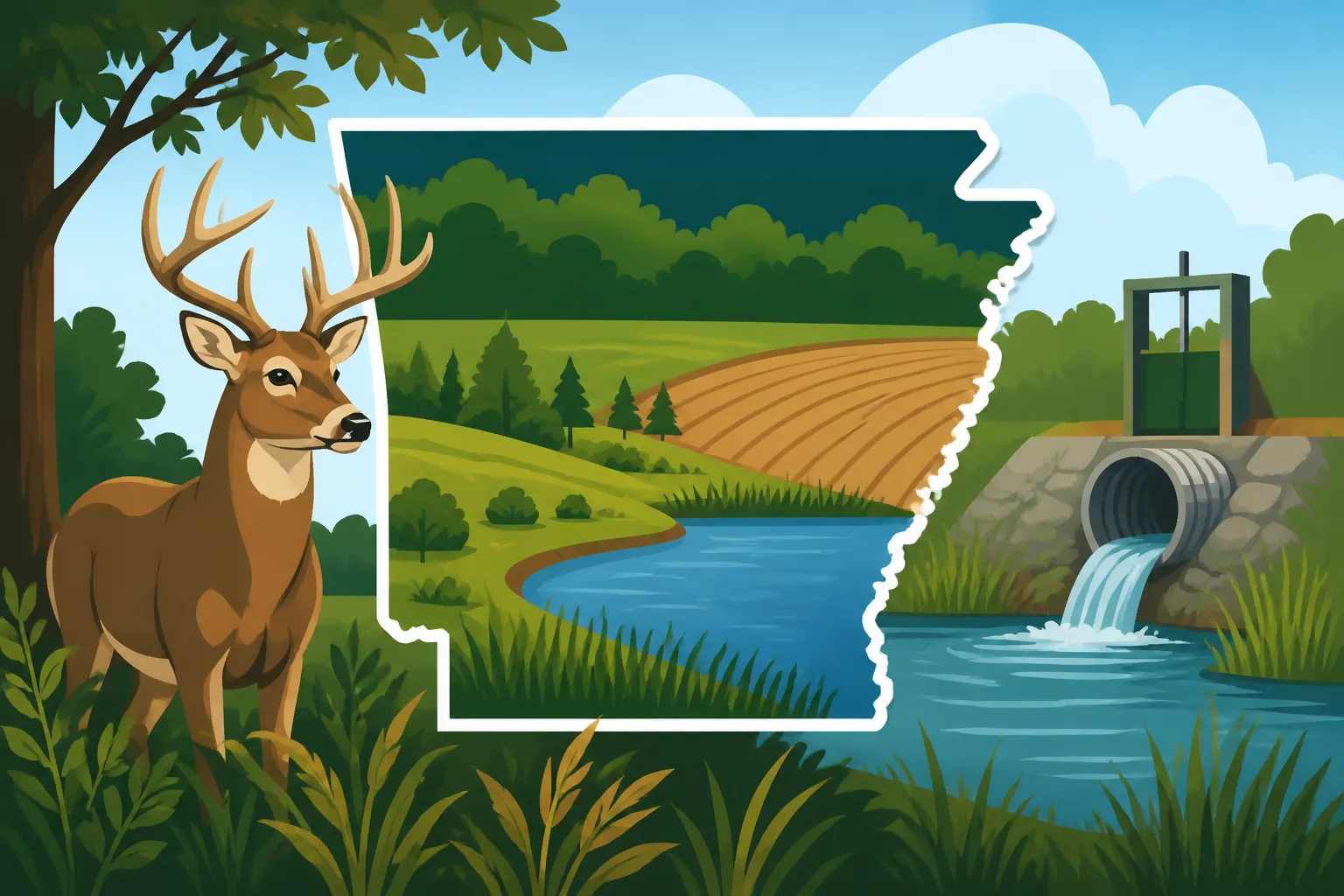
Habitat and Water Management on a Lease
It's easy to sign a hunting lease here in Arkansas, hoping that simply having access to private ground will magically deliver incredible hunting experiences. Many hunters fall into the trap of thinking a lease is a silver bullet, only to find themselves frustrated by inconsistent game movement, poor quality animals, or just a general lack of wildlife activity. This guide is all about taking back control: understanding how proactive habitat and water management on your leased land can transform it from just a piece of ground into a thriving wildlife haven, ultimately leading to more rewarding hunts.
The Value of Proactive Habitat Management on Your Arkansas Lease
When you secure a hunting lease, you're not just buying access; you're investing in potential. But that potential often lies dormant without a little elbow grease and foresight. Moving beyond the passive approach of simply showing up on opening day can make all the difference, particularly in a state like Arkansas where varied terrain and diverse game species offer so many opportunities.
Moving Beyond "Just Hoping" for Better Hunting
For years, hunters have operated under the assumption that if they just find a piece of land with deer tracks, they're set. They put out a feeder, maybe a camera, and cross their fingers. But this "hope and pray" strategy often leads to disappointment. You might see a few deer, but they’re often transient, passing through from a neighbor’s property or only visiting during the deep dark of night. The frustration builds when you realize you're at the mercy of factors outside your control – what your neighbors are doing, natural food shortages, or a lack of cover that keeps deer feeling secure.
Active habitat management flips this script entirely. Instead of waiting for game to show up, you're creating the conditions that make them want to live on your lease year-round. This proactive approach involves understanding the specific needs of the animals you're pursuing and then intentionally manipulating the environment to meet those needs. It’s about building a better ecosystem, not just a better stand location. This is how you cultivate a consistent, healthy game population that sticks around and offers genuine hunting opportunities throughout the season.
Tailoring Your Lease to Target Species
One of the greatest advantages of managing your lease is the ability to tailor the habitat directly to the game you’re most interested in pursuing. Arkansas is home to an incredible variety of game, from our iconic white-tailed deer to abundant waterfowl and wild turkeys. Each species has unique requirements for food, water, and cover, and a general "good habitat" isn't always enough to maximize your success for a specific animal.
For white-tailed deer, this means focusing on creating a year-round buffet of natural and supplemental forage, dense bedding cover, and secure travel corridors. A well-managed deer lease might include a rotation of food plots, areas of hinge-cut timber for browse and bedding, and strategically placed water sources. If waterfowl are your passion, managing your lease for ducks and geese is a completely different ball game, focusing on consistent water levels, preferred food plants like millet or smartweed, and undisturbed resting areas. For turkeys, you’d emphasize open timber for bugging, secure roosting sites, and clear lines of sight, perhaps creating small clearings or maintaining controlled burns to encourage insect populations and improve visibility. Understanding Arkansas Deer Zones Explained or Arkansas Waterfowl Seasons and Zones can help you determine what species might thrive best in your particular leased region and thus focus your management efforts.
Essential Terrestrial Habitat Management Strategies
When we talk about habitat management, we often start on solid ground. Terrestrial strategies focus on the land itself – the trees, shrubs, grasses, and soil that provide food, cover, and breeding grounds for most of our prized game. These aren't just one-time projects; they require planning, ongoing maintenance, and a keen eye for what the land truly needs.
Food Plot Planning and Implementation
Food plots are a cornerstone of modern deer management, but they're far more than just throwing out some seed. The success of a food plot hinges on proper planning, starting with a comprehensive soil test. Without knowing your soil's pH and nutrient levels, you're essentially guessing, and that’s a quick way to waste time and money. Amend your soil as recommended, paying attention to lime and fertilizer applications, which are often overlooked but critical for vigorous growth.
Next, selecting the right crops for your area and your target species is paramount. In Arkansas, common choices for deer include clover for year-round protein, winter wheat or oats for fall and winter attraction, and brassicas for their cold-weather palatability. For migratory birds like doves, sunflowers or millet can be a huge draw. Consider the plot size and, critically, its placement relative to thick cover and reliable water sources. Deer feel most secure feeding near a safe haven, especially during daylight hours. A good mapping tool, like those found on platforms like GoHunt, can be invaluable for visualizing these relationships and planning your plot locations effectively. Remember that year-round nutrition, not just a fall attractant, will help grow healthier deer with better antler potential.
Timber Stand Improvement and Cover Enhancement
Timber management might sound like a big undertaking, but even on a leased property, there are impactful ways to enhance cover and food production from the trees themselves. Thinning out overcrowded timber, especially in younger stands, allows more sunlight to reach the forest floor, promoting the growth of native browse species that deer crave. It also encourages remaining trees, particularly mast-producers like oaks, to put more energy into acorn production. Hunting Ozark Ridges and Hollows for Deer often involves looking for these healthy, productive timber stands.
Another powerful technique is edge feathering, where you gradually transition from open fields to dense forest by felling or cutting smaller trees and shrubs along the boundary. This creates vital security cover and travel lanes for deer, especially along agricultural fields. Where natural thickets are sparse, consider hinge-cutting less desirable trees – felling them partially so they remain alive but create dense, low-growing cover. These areas become crucial bedding sites, especially in areas like Hunting Arkansas Cutovers and Clearcuts where the cover might be too uniform otherwise. If your landowner is agreeable and you understand the local regulations, controlled burns can be an incredibly effective tool for clearing out underbrush, stimulating new growth, and reducing pest populations, invigorating the entire ecosystem.
Creating and Improving Travel Corridors
Deer, turkeys, and other game animals are creatures of habit, often using predictable routes between food, water, and bedding areas. Recognizing and enhancing these natural travel corridors can significantly increase your hunting success by funneling game past your stand. Start by identifying existing natural funnels – creek bottoms, narrow strips of timber, or natural saddles between ridges, such as those you'd learn to recognize when Reading an Ozark Bench for Deer.
Once identified, you can improve these corridors. Sometimes it's as simple as clearing fallen logs or overgrown brush to make the path more inviting. In other cases, strategic hinge-cutting can create a dense, low-hanging canopy over an existing trail, making deer feel more secure moving through it during daylight. Think about connecting isolated pockets of food or water to larger bedding areas. Even minor changes, like creating a subtle opening in a fence line or a small clearing in dense woods, can influence game movement. The goal is to make the path of least resistance the one that leads directly past your hunting setup.
Water Management for Arkansas Hunting Leases
Water is life, and in Arkansas, where temperatures can soar and natural sources fluctuate, providing reliable water can be a game-changer for all wildlife. For many leases, especially those without natural creeks or ponds, active water management is a strategy that can draw and hold game that might otherwise move on.
Developing Reliable Water Sources for Upland Game
While deer and turkeys might not live in water, they absolutely need it consistently, especially during the hotter months and periods of drought. Relying solely on seasonal rainfall can be a gamble, leading to game abandoning your lease in search of permanent sources. Developing small, consistent water sources can make your property irresistible. These could be simple guzzlers – devices that collect rainwater and store it – or small, shallow ponds dug in low-lying areas. Even establishing a few strategically placed seeps or small water holes can make a significant difference.
Think about placing these water sources in secure, shaded areas near bedding cover, making them attractive for deer during the mid-day lull or for turkeys needing a drink after foraging. This becomes particularly critical when Bowhunting Arkansas in September Heat, as deer will actively seek out reliable water sources to stay hydrated. A well-placed water hole can become a hub of activity, concentrating game and providing excellent opportunities, especially for archery hunters. Remember to maintain these sources, keeping them clean and ensuring they don't become stagnant, which can deter wildlife.
Maximizing Waterfowl Potential on Your Lease
If your Arkansas lease has bottomland timber or low-lying fields, you have an incredible opportunity to manage for migratory waterfowl. Arkansas is renowned for its duck hunting, and strategic water management is at the heart of attracting and holding birds. Seasonal flooding of timber, often called green timber reservoirs, is a classic Arkansas duck hunting technique. This involves flooding specific stands of mast-producing trees (like pin oaks and red oaks) to depths that allow ducks to feed on submerged acorns. Managing these areas requires careful control of water levels, often with levees and pump systems, to ensure the timber remains healthy while providing prime duck habitat. The challenges and rewards of Hunting Arkansas Flooded Green Timber are well-documented among duck hunters.
Beyond timber, developing moist-soil units involves managing water levels in open fields to promote the growth of native waterfowl food plants like smartweed, millet, and sedges. This typically means flooding fields shallowly in late summer or early fall, then gradually increasing water depth as the season progresses. If you have existing sloughs, ditches, or oxbows, simple improvements like clearing brush, creating small potholes, or installing water control structures can dramatically increase their appeal to ducks and geese. Understanding the dynamics of water flow, especially in areas influenced by major rivers, as discussed in Reading Water Levels on the White River, is crucial for effective waterfowl management. For those looking for leases with robust waterfowl potential, platforms like BookYourHunt often feature outfitters or leases that highlight their water management strategies and what kind of hunting success they typically see.
Navigating Landowner Permissions and Practicalities
Undertaking habitat and water management on a leased property isn't quite the same as working your own land. The biggest variable in the equation is always the landowner. Successful management relies heavily on clear communication, mutual understanding, and a shared vision for the property.
Communicating Your Management Goals with the Landowner
This is arguably the most crucial step: always get explicit approval from the landowner before making any significant changes to the property. Even seemingly minor alterations could be seen as damaging or undesirable by the owner. Approach them with a clear, well-thought-out plan. Explain what you want to do, why you want to do it, and how it will benefit not just your hunting but also the overall health and value of their land. Perhaps your plans will improve timber value in the long run, enhance soil health, or even boost aesthetics.
It's highly advisable to have any management agreements written down, either as a separate addendum to your lease agreement or as part of the initial contract. This protects both parties and clarifies expectations. Utilize tools like GoHunt, which often have robust mapping features, to create visual aids for your proposals. You can mark out proposed food plot locations, timber thinning areas, or potential water developments on an aerial map, presenting a professional and clear outline of your intentions. This kind of detailed communication builds trust and shows you’re a serious, responsible steward of their property.
Budget, Time, and Equipment Considerations
Let's be realistic: habitat work, even on a smaller scale, can be a significant investment of both your time and money. It’s important to sit down and create a budget that covers everything from soil amendments and seed to fuel for equipment and potential contractor fees. Larger projects, like digging ponds or installing extensive water control structures for duck impoundments, might require hiring professional contractors, which adds to the cost. Don’t forget the smaller, ongoing expenses like regular mowing, spraying, or replanting.
Consider your own time commitment and available equipment. Do you have access to a tractor, a sprayer, a chainsaw, or other necessary tools? If not, factor in rental costs or the time it takes to do things manually. Prioritize projects that will give you the most bang for your buck and align with your hunting goals. For instance, a small, well-maintained perennial food plot might be more impactful and sustainable than a large, neglected annual plot. Breaking down your management plan into smaller, achievable yearly goals can make it less daunting and more sustainable over the life of your lease.
Assessing Lease Potential Before You Sign
Before you even put pen to paper on a lease agreement, put in the legwork to assess the property's potential for habitat and water management. Don't just look at trail camera photos of a big buck; walk the land with a critical eye, considering its current habitat composition, soil types, existing timber health, and natural water sources. What’s the topography like? Are there low-lying areas that could be easily flooded? Are there open fields suitable for food plots? Services like BookYourHunt might even list leases or outfitters that specify their habitat management practices, which can give you a baseline of what's possible or what's already being done.
Think about the long-term vision. Is this a lease you want to hold for multiple years? Sustainable habitat improvements often take time to show their full effect. A two-year lease might not give you enough time to see the benefits of extensive timber stand improvement, for example. Pay attention to road access, neighboring properties, and any potential for future development that could impact your efforts. The more thorough your initial assessment, the better equipped you'll be to negotiate with the landowner and develop a management plan that aligns with the property's inherent capabilities and your hunting aspirations. For more on this, check out Finding an Arkansas Hunting Lease.
| Management Technique | Target Species | Primary Benefit | Considerations for Leaseholders |
|---|---|---|---|
| Food Plots | Deer, Turkey, Doves | Supplemental nutrition, attraction | Soil testing, crop selection, landowner permission, equipment, ongoing maintenance, cost. |
| Timber Thinning | Deer, Turkey, Small Game | Increased browse/forage, mast production | Landowner approval (especially for commercial timber), potentially professional consultation, time for results, equipment. |
| Edge Feathering | Deer, Turkey, Small Game | Security cover, transition zones | Landowner permission, labor-intensive, understanding wildlife movement. |
| Hinge-Cutting | Deer, Small Game | Dense bedding cover, browse | Landowner permission, safety precautions, can be time-consuming, visual impact. |
| Water Holes/Guzzlers | Deer, Turkey, Small Game | Reliable water source (esp. in dry periods) | Landowner permission, excavation/installation costs, ongoing maintenance (cleaning), location relative to cover. |
| Moist Soil Units | Waterfowl | Natural food production (seeds, invertebrates) | Landowner permission, water control structures (levees, pumps), significant initial investment, annual management (disking, flooding, draining). |
| Green Timber Flooding | Waterfowl | Acorn foraging, secure resting | Landowner permission, complex water management, potential tree health issues if mismanaged, significant investment, long-term commitment. |
Disclaimer
This article is for general informational purposes only and does not constitute professional advice. Laws, prices and regulations vary by location and change over time. Consult a qualified professional for guidance on your specific situation.