Photo Galleries and What They Hide
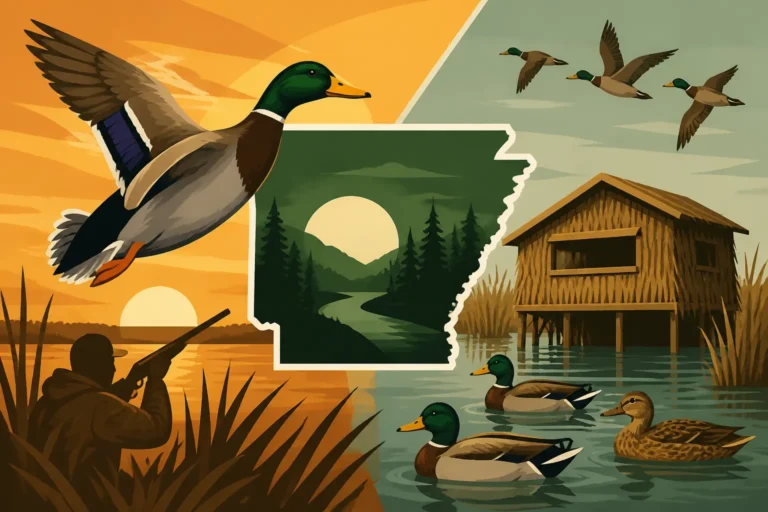
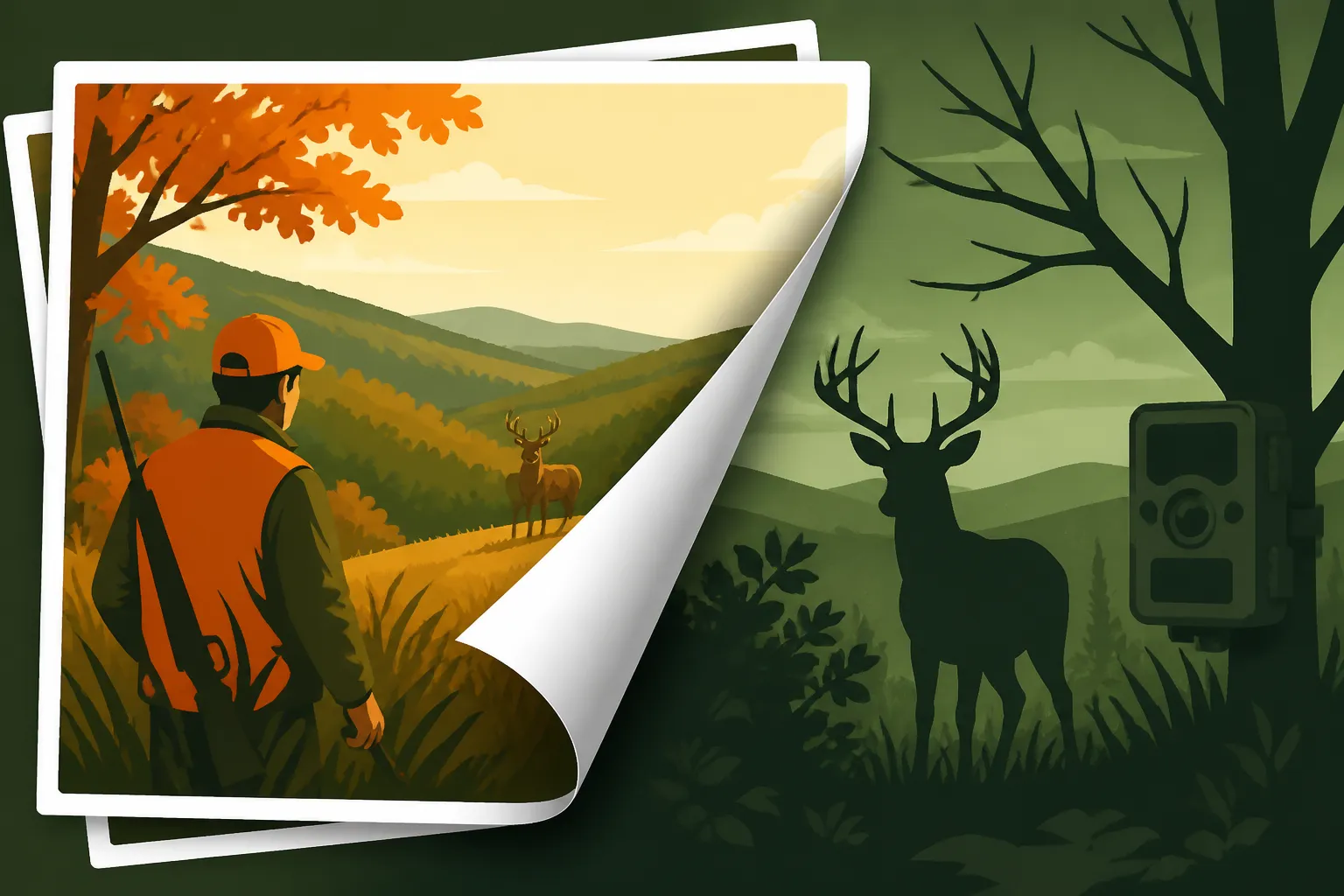
It's easy to get swept up in the dream when you're flipping through an outfitter's online photo gallery. We've all done it – seen those incredible hero shots: a hunter beaming next to a monster buck, a pile of mallards stretched out after a green timber hunt, or a smiling group by a roaring fire at a cozy lodge. These images promise an unforgettable Arkansas hunting adventure, but what if they're not telling the whole story? It’s critical to learn how to look beyond the glossy presentation and understand what these carefully curated photos might actually be hiding about your potential hunting experience. This guide will walk you through dissecting those enticing photo galleries to uncover the deeper truths about an outfitter.
The Lure of the Perfect Photo: What Hunters See (and Want to See)
When we dream of an Arkansas hunting trip, our minds fill with vivid images. Outfitters know this, and their photo galleries are designed to tap directly into those aspirations. They showcase the absolute best, painting a picture that we, as hunters, desperately want to believe is within reach.
The Immediate Impression: Big Bucks, Piles of Ducks, Smiling Faces
Think about the first thing that catches your eye: that massive deer with antlers that dwarf the hunter, or the almost absurd number of ducks laid out neatly after a morning hunt. These aren't just pictures; they're emotional triggers. They represent the pinnacle of success, the kind of memory-making moment that we all chase in the woods and on the water. We see the wide smiles, the camaraderie, the pristine gear, and we imagine ourselves right there, experiencing that same triumph. It’s an immediate, gut-level connection that can often overshadow rational thought. We scroll through, picture after picture, building a mental highlight reel of what our hunt could be.
These photos often feature mature animals that represent the absolute top tier of the harvest, not necessarily the average. For duck hunters, it’s always the greenheads and pintails, rarely the gadwall or coots that might make up a significant portion of a daily bag. For deer hunters, it’s the Boone and Crockett hopefuls, not the spike or modest eight-pointer that might be a more typical public land harvest in some areas. This creates an aspirational target that, while not impossible, certainly isn't guaranteed.
The Power of Social Media and Online Galleries
In today's digital world, an outfitter's photo gallery isn't just a section on their website; it's spread across Instagram, Facebook, and countless online hunting forums. This constant visual bombardment, coupled with the ease of sharing, means we're exposed to a stream of "perfect" hunting moments daily. Outfitters understand the quick scroll culture – they need images that grab attention instantly. They invest in professional photography or equip their guides with good cameras to capture those money shots. A picture of a truly exceptional hunt can go viral, driving immense interest and bookings.
The algorithms of social media platforms often favor engaging, high-quality content, further amplifying these "hero shots." This makes it harder for the average hunter to differentiate between a truly representative sample of hunts and a collection of the absolute best outcomes from years of operation. We might see a fantastic photo and think, "That's what every hunter gets with them," when in reality, it might have been one hunt out of a hundred, or even a promotional shoot. The narrative constructed through these visuals is incredibly powerful, shaping expectations long before any conversations or bookings ever happen.
The Hidden Truths: What Photo Galleries Don't Tell You
While those stunning photos are fantastic for inspiring dreams, they rarely provide a full, honest picture of the actual hunting experience. What's left out of the frame can be just as important as what's in it.
"Hero Shots" Versus Average Success Rates
The biggest truth photo galleries often hide is the difference between a "hero shot" and the typical success rate. An outfitter might have one or two truly giant bucks taken each year, or a handful of phenomenal duck hunts where everything lined up perfectly. These are the hunts that make the photo gallery. What you don't see are the dozens, or even hundreds, of other hunts that were perfectly successful in their own right but didn't result in a magazine cover photo. You also don't see the hunts where bad weather, slow movement, or challenging conditions meant fewer animals, or even no animals, were harvested.
This isn't to say outfitters are intentionally misleading; they're simply showcasing their peak performance, much like any business would. However, as a hunter investing your time and money, it's crucial to understand that those exceptional photos are outliers, not the average. Ask direct questions about overall success rates and average harvest sizes for the species and time of year you plan to hunt. Don't be afraid to dig deeper into Reading Outfitter Success Claims to truly understand what's being offered. A picture of a world-class mallard hunt in January might not reflect the limits taken in October, or the typical number of birds shot on an average day.
The Illusion of "Your Hunt" in the Photos
Another subtle deception within photo galleries is the implication that your hunt will mirror the ones shown. Often, these photos feature repeat clients who have spent years building relationships with the guides, or even the guides themselves demonstrating a successful hunt. Sometimes, the hunters in the photos are physically fit individuals traversing challenging terrain, or they might be experienced callers making the perfect presentation. Your personal skill level, physical condition, and expectations might not align with the implied "hunter" in the photo.
Furthermore, these photos rarely show the grunt work: the early mornings, the long walks, the cold waits, the less-than-ideal weather, or the moments of quiet frustration that are an inherent part of hunting. They show the triumph, not the journey. If you're looking for a guided Bowhunting Arkansas's Five-Month Archery Season experience, and all the photos are of huge deer from high-fenced estates, you need to consider if that aligns with your interest in public land or fair chase hunting. The best way to pierce this illusion is by asking the outfitter for references, specifically clients who hunted during the same time frame and conditions you plan to book. You can learn a lot from Getting References From Past Clients.
Environmental Conditions and Timing Omissions
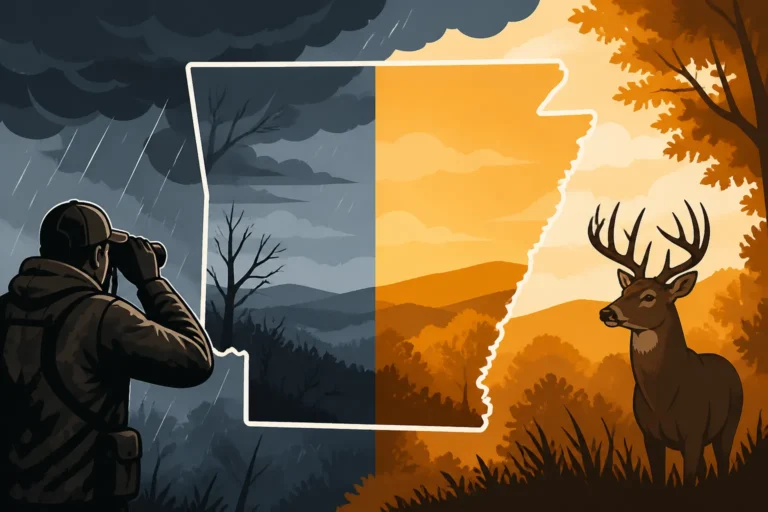
One of the biggest factors influencing hunting success in Arkansas is the weather and environmental conditions, and these are almost entirely absent from photo galleries. You see bright, sunny days, calm waters, and perfect lighting. What you don't see are the torrential downpours, the freezing sleet, the scorching September heat, or the low water levels that can turn a green timber duck hunt into a walk-in dry field hunt. A spectacular photo taken during a perfect weather window might be entirely unrepresentative of conditions during other parts of the season.
Consider an Arkansas duck hunt: a picture of flooded timber glistening under a bluebird sky after a cold front is breathtaking. But what if you're booking for a warm stretch in early December, or a period where water levels are critically low? That photo won't show you the reality. Similarly, a big buck picture from the peak of the rut in mid-November won't tell you anything about hunting conditions during the early archery season or the late modern gun days. Always ask the outfitter about typical weather patterns and how they handle adverse conditions. Knowing What Happens if the Water Is Wrong is far more important than a pretty picture.
Digging Deeper: How to Uncover the Real Story
To make an informed decision, you need to look beyond the surface appeal of an outfitter's photo gallery. It requires a bit of detective work and a willingness to ask the tough questions.
Beyond the Gloss: Scrutinizing Photo Details
When you're looking at an outfitter's photos, don't just passively admire the big game or the smiling faces. Start scrutinizing the details in the background. Look for clues about the habitat type – is it truly flooded green timber, or a pit blind in a rice field? Are there signs of the season, like leaves on the trees or ice on the water? Do the hunters in the photos appear to be the same people repeatedly, or is there a diverse group of clients? If dates are provided, are they consistently from the same successful week, or spread throughout the season?
For example, if you're considering a public land hunt for deer in the Ozarks, but all the photos show deer taken in flat, agricultural fields, that's a red flag. Similarly, if every duck photo shows the same five guys with matching gear, it might indicate a tight-knit group that gets preferential treatment, rather than a typical client experience. Pay attention to the overall volume of photos too. An outfitter with hundreds of diverse, quality photos over many years is generally a better sign than one with just a dozen "hero shots" that could be from anywhere. Sometimes, the lack of variety itself is a hidden truth.
Cross-Referencing with Reviews and Third-Party Sites
This is where the real work begins. Never rely solely on an outfitter's own website or social media. Seek out independent reviews and testimonials. Websites like BookYourHunt often feature verified reviews from actual clients who booked through their platform, giving you a more objective perspective. Many hunting forums and community sites, like those sometimes found on platforms like GoHunt, allow hunters to share their experiences, both good and bad, without the outfitter's direct control.
When reading reviews, look for common themes. Are multiple people praising the guide's effort, even on slow days? Are there consistent complaints about the lodging, or about guides not showing up on time? Pay attention to the dates of reviews; an outfitter might have had a great reputation five years ago that has since declined. If an outfitter has very few reviews, or only overwhelmingly positive ones without any constructive feedback, that can also be a red flag. Be sure to check out Where Hunters Post Arkansas Outfitter Reviews for more places to find this crucial information.
The Importance of Direct Questions
Once you've done your visual and review-based research, compile a list of specific questions for the outfitter. Don't be shy. A reputable outfitter will be transparent and happy to answer your queries. Instead of just asking, "Do you kill big deer?", point to a specific photo and ask: "This picture with the big 10-point – was that taken on a guided hunt, or a personal hunt? What year was that, and what was the average size of bucks taken that season?"
Ask about average daily harvest numbers for ducks, not just the best day. Inquire about how many hunters are typically in camp, the guide-to-hunter ratio, and how many acres they have access to. If the photos show one type of terrain, but you're hoping for another, ask about that specific area. For example, if you’re interested in hunting Arkansas Modern Gun Deer Hunting but the photos are all from archery season, ask what the typical modern gun harvest looks like. Prepare a list of Questions to Ask an Arkansas Outfitter before you make that important call.
Practical Strategies for Evaluating an Outfitter
Ultimately, choosing an outfitter is about managing expectations and gathering comprehensive information. The photos are just one piece of a much larger puzzle.
Balancing Visual Appeal with Hard Data
It’s completely natural to be drawn in by stunning visuals, but you have to learn to temper that excitement with concrete facts. Think of the photo gallery as the marketing sizzle, and the hard data as the steak. The sizzle might look great, but you want to know if there's enough steak to satisfy your hunger. Ask for statistics: what's the average number of deer harvested per hunter per season? What's the typical number of birds shot on an average duck hunt, rather than just showcasing limits?
Inquire about the size of their hunting leases or owned properties. Understanding Acreage and Water an Outfitter Controls gives you a better sense of how much ground is available to hunt and how much pressure it can sustain. Also, ask about their habitat management practices. A beautiful photo of green timber doesn't tell you if that timber is actively managed for ducks, or if it's just a pretty backdrop. Understanding Habitat and Water Management on a Lease provides insight into how much effort goes into sustaining the hunting opportunities they advertise.
The Value of a Reference Call
This is arguably the single most important step in vetting an outfitter, especially after you've reviewed their photos. When an outfitter provides references, make those calls. Don't just email; have a real conversation. Ask the references specific questions about their experience, focusing on what the photos didn't show. Inquire about the consistency of the hunting, the professionalism of the guides, the quality of the lodging and meals, and whether their hunt matched their expectations based on the outfitter's advertising.
A good question to ask a reference is, "Were there any challenges or unexpected aspects of the hunt that weren't obvious from the photos or website?" This can open up conversations about tough weather, crowded conditions, or simply slower hunting days. A realistic reference will tell you about the good and the bad, giving you a much more rounded picture. Always prioritize talking to someone who hunted the same species, during the same general time of year, that you plan to book. This advice is critical, and you can find more tips on Reference Calls Worth Making.
Considering Your Own Experience Level and Expectations
Finally, take a hard look at your own hunting goals and experience. Are you a beginner looking for any deer, or are you a seasoned hunter seeking a specific trophy class animal? Photo galleries often cater to the latter, but if your goal is just to enjoy the experience and put some meat in the freezer, a less "glamorous" outfitter might be a better fit. An outfitter who consistently puts clients on mature animals might be perfect for a trophy hunter, but if it comes with a much higher price tag or more challenging hunting, it might not be right for someone just starting out.
Be realistic about what "success" means to you. Is it filling a limit of mallards every day, or is it simply having good opportunities and enjoying the camaraderie in the blind, regardless of the final bird count? Your expectations should align with the outfitter's typical offerings, not just their best-ever photo. Sometimes, Choosing Between Two Arkansas Lodges comes down to which one's real-world results align better with your personal hunting style and budget, rather than which one has the flashiest online presence. Being honest with yourself about what you want from your hunting adventure will guide you to the right outfitter, even if their photos aren't always of the most colossal bucks or the largest duck piles.
| What Photo Galleries Show | What Photo Galleries Hide |
|---|---|
| "Hero shots" of trophy animals (biggest bucks, full limits) | Average harvest sizes and overall success rates |
| Smiling hunters, camaraderie, pristine gear | Challenging conditions, physical demands, slow hunting days |
| Optimal weather conditions (sunny, calm, clear) | Bad weather, low water, high heat, pressure from other hunters |
| Specific, high-success hunts (often personal or repeat clients) | The typical, average client experience |
| Clean, well-maintained blinds/lodges | Potential wear and tear, less glamorous aspects of facilities |
| Peak season results (e.g., peak rut, cold fronts) | What the hunting is like during less optimal times of the season |
Disclaimer
This article is for general informational purposes only and does not constitute professional advice. Laws, prices and regulations vary by location and change over time. Consult a qualified professional for guidance on your specific situation.