Neighbouring Pressure on Leased Timber
It’s a scenario many Arkansas hunters on leased timberland know all too well: you’ve secured a prime piece of habitat, spent countless hours scouting, set your stands, and have a solid game plan, only to have your efforts disrupted by activity on an adjacent property. This guide is here to help you understand, identify, and strategically manage the inevitable "neighboring pressure" that can impact your hunting experience on leased timber ground in Arkansas.
Understanding What "Neighbouring Pressure" Really Means
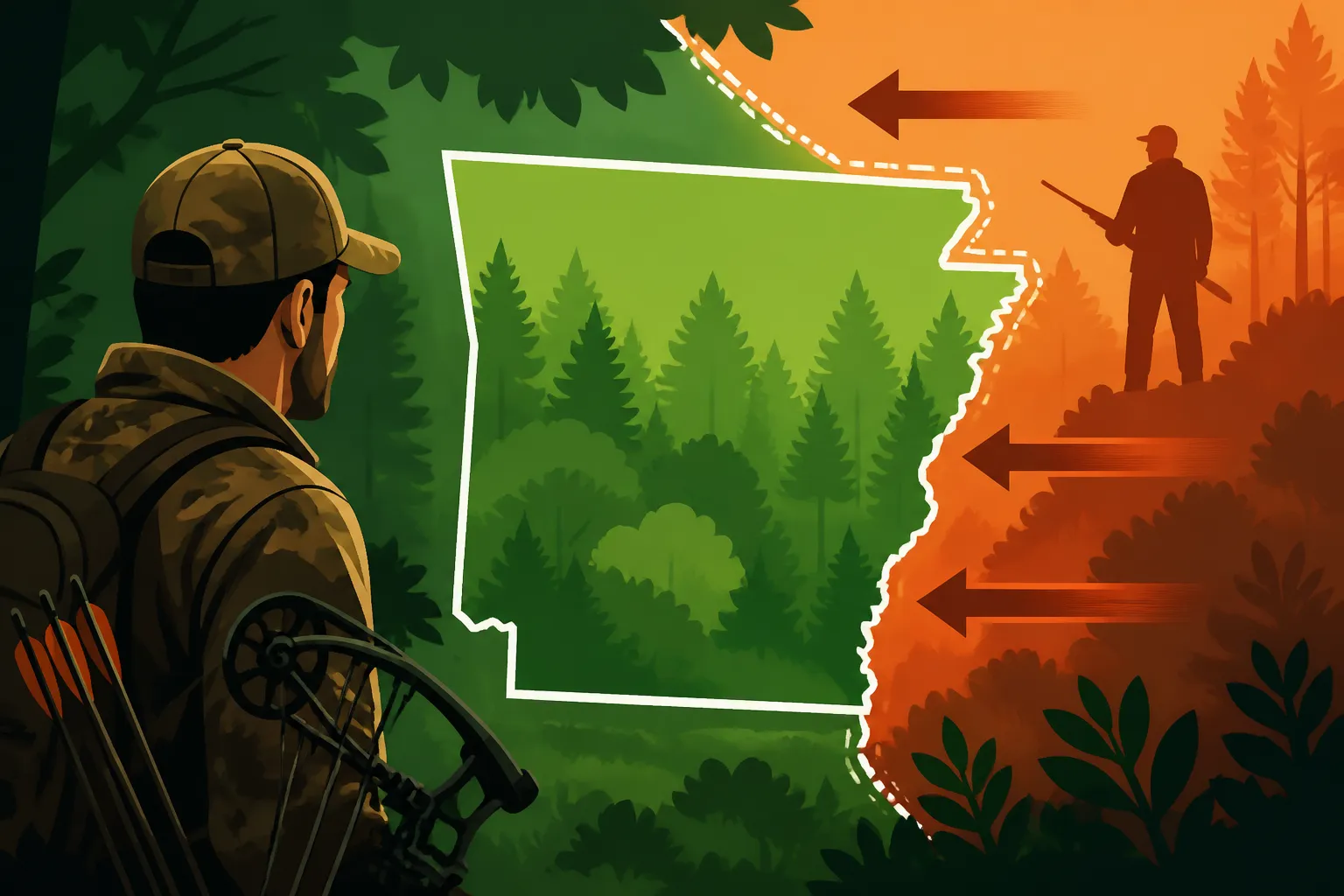
When we talk about neighboring pressure, it’s more than just the occasional hunter walking a fence line. It's about how external influences, often from properties bordering your lease, can directly affect the wildlife you're trying to pursue and, by extension, your hunting success and enjoyment. Arkansas timberlands, with their mix of private holdings, public access, and varying management styles, are particularly susceptible to this dynamic. It's a reality that can be incredibly frustrating, making you feel like your hard-earned lease is less productive than it should be.
Defining the Boundaries of Your Lease and Beyond
On paper, your leased timber tract has clear, survey-defined boundaries. You have an agreement for specific acreage, often marked by old fence lines, painted trees, or natural features. However, for a deer, a turkey, or even a bear, these lines are meaningless. Wildlife moves freely across property lines, driven by food, water, cover, and, significantly, pressure. A deer might bed down comfortably on your side of the line, only to be pushed off by a hunter on the neighboring tract.
The actual impact of neighboring pressure goes beyond a simple border. Consider the topography: a ridge on your lease might funnel deer directly past a stand on your property, but if a hunter on the other side of that ridge is constantly pushing deer up or down it, your funnel becomes less predictable. Similarly, a clear-cut or a dense thicket on a bordering property might be drawing deer away from your food source, or it might be acting as a sanctuary where deer regroup after being pressured elsewhere. Understanding how your lease sits within the larger landscape, rather than just as an isolated block, is crucial. This often means looking at aerial maps and considering how roads, rivers, and natural corridors impact game movement across multiple properties, not just your own.
Types of Pressure You Might Encounter
Neighboring pressure comes in many forms, each with its own set of challenges. It's not always intentional interference; often, it's simply a result of different hunting styles or objectives on adjacent land.
First, you have direct hunting pressure. This includes shots fired near your boundaries, still-hunting or deer drives moving game across lines, or even other hunters pushing deer into or out of your leased property. If you're leasing timber, especially in areas with a mix of small private parcels, you might find yourself sharing woods with multiple groups. This could involve modern gun hunters during their season, bowhunters working the early weeks, or even dog hunters running deer on adjacent tracts. The noise from ATVs, the smell of cigarette smoke, or the visual of another hunter walking a fire lane too close to your setup can all impact deer behavior.
Then there's indirect pressure. This might not involve active hunting directly on your line, but rather activities that alter game movement. For example, excessive human presence on a neighboring property (hiking, timber work, mushroom hunting) can make deer feel uneasy in that area, causing them to shift their patterns. Baiting or feeding on an adjacent property could also draw deer away from your land, or, conversely, act as a magnet that brings deer through your property on their way to a food source. Even the presence of a new logging operation nearby, which may provide fresh browse but also creates significant disturbance, can change how deer use the entire landscape, forcing them to seek refuge in your leased timber.
Finally, consider the nuances of public land adjacent to private leases. If your leased timber borders a popular Wildlife Management Area (WMA), the sheer volume of hunters on that public land, especially during opening weekends, can create immense pressure that pushes deer onto your private sanctuary. Understanding how Hunting Pressure on Arkansas WMAs affects neighboring tracts is vital. This influx can be a boon if you're prepared, but it also means those deer will be on high alert.
Identifying and Assessing Pressure Points
Knowing that neighboring pressure exists is one thing; pinpointing its source and understanding its impact on your specific lease is another. This requires a diligent approach to scouting and observation, looking beyond your immediate boundaries.
Scouting Beyond Your Lease Lines Ethically and Legally
To truly understand neighboring pressure, you need to broaden your scouting efforts. While you absolutely cannot trespass, you can utilize public resources and ethical observation techniques to gather valuable intelligence. Start with digital mapping tools. The Arkansas Game and Fish Commission's (AGFC) online map tools are incredibly useful for identifying property lines, public land boundaries, and even topography. Platforms like GoHunt, or other mapping apps, provide even more detailed aerial imagery and property ownership data. You can trace your lease lines and identify who owns adjacent parcels, whether it's another private landowner, a timber company, or public hunting ground. This helps you understand the bigger picture of land use around your property.
When you're physically scouting, pay attention to the boundaries of your lease. Look for old tree stands on neighboring property near your lines, well-worn trails leading off your property, or signs of recent activity just on the other side. Note any potential access points like old logging roads, power lines, or creek beds that might allow easy access for other hunters. You can often learn a lot by observing from public roads or by respectfully inquiring with landowners whose property might share a common boundary further down the line. Remember, the goal is not to spy, but to gather information that helps you anticipate deer movement and potential impacts. For deeper insights into leveraging these resources, check out articles like Using the AGFC Map Tool and onX Layers for Arkansas Land Status.
Observing and Documenting Neighboring Activity
Once you've identified potential pressure points, the next step is to observe and document what's actually happening. This isn't about confrontation; it's about understanding patterns. If you hear shots, note the time and general direction. If you see vehicles parked along a road bordering your lease, make a mental note. This kind of consistent observation, particularly during hunting season, can reveal a lot about when and where pressure is being applied.
Trail cameras, strategically placed inside your lease but near boundaries, can be invaluable. While you should never point a camera directly at a neighboring property (that's often considered invasive and bad form), placing cameras to monitor deer movement along your boundary lines can show you how deer are reacting to external forces. Are they only crossing into your lease at night? Are they suddenly using a new travel corridor that aligns with activity next door? Keeping a simple log of these observations – dates, times, types of activity, and corresponding deer behavior – can help you piece together the puzzle of how neighboring pressure impacts your hunting. This data can inform where you set up, when you hunt, and what tactics you employ.
Recognizing Deer Behavior Changes Due to Pressure
Deer are incredibly adaptable, and their behavior shifts dramatically in response to hunting pressure. Recognizing these changes is key to adjusting your own strategy. When deer are heavily pressured on adjacent land, they often become more nocturnal, moving primarily under the cover of darkness. They might abandon open areas they once frequented during daylight hours, opting for thicker cover and denser timber where they feel safer. You might notice them using previously unpressured pockets of your lease that offer more security, or simply spending less time in areas close to heavily used boundaries.
They might also change their travel patterns. Instead of using a direct route to a food source, they might make wide, circuitous detours through dense cover to avoid detection. They may also "stage" in thickets just off a food plot or agricultural field until after dark, making them harder to intercept during legal shooting hours. In river bottoms or areas with varied terrain, deer can also be pushed into unlikely hiding spots. Sometimes, heavy pressure on neighboring land can be a blessing in disguise, as deer, seeking refuge, might pour onto your less-pressured lease. This often happens after opening day of modern gun season, for instance, when deer vacate heavily hunted public or private lands and filter into quieter timber. Learning to read these shifts, such as finding fresh tracks in areas that were previously quiet or observing sudden changes in trail camera activity, helps you adapt and make the most of your leased timber, rather than simply lamenting the pressure.
Strategies for Mitigating Neighboring Pressure
While you can't control what happens on someone else's property, you absolutely can control your response to it. Strategic planning and good neighborly relations can make a world of difference in mitigating the negative impacts of neighboring pressure.
Proactive Communication with Adjacent Landowners and Hunters
One of the most effective, yet often overlooked, strategies is simple communication. If you know who owns or leases the land bordering yours, consider making a friendly, respectful introduction. Let them know you’ll be hunting the adjacent timber, share your general hunting plans (without revealing your specific honey holes, of course), and perhaps exchange contact information. A simple, "Hey, just wanted to introduce myself, I lease the timber next to you, and I'll be out deer hunting this season. Let me know if you ever see anything concerning," can go a long way.
This dialogue can help prevent misunderstandings. For instance, if they know you’re hunting nearby, they might be more mindful of where they place their stands or where they drive their ATVs. You might even find common ground and discover that they have similar goals for managing deer. Establishing a good rapport can lead to sharing general observations, discussing deer movement, or even coordinating efforts to push deer in a beneficial direction (though be cautious with this, ensuring all activities are legal and ethical). Open communication fosters a sense of community rather than animosity and can prevent minor inconveniences from escalating into genuine conflicts. Remember, it's often easier to be a good neighbor than to deal with a disgruntled one.
Strategic Setup and Hunt Planning on Your Lease
Once you understand the pressure patterns, you can adjust your hunting strategy on your leased timber to capitalize on or minimize its impact.
Stand Placement: Avoid placing your prime stands right on the boundary line, especially if you know there's active hunting next door. Instead, position them deeper within your property, but in areas where deer are likely to filter into your lease when pushed. Look for pinch points, funnels, or thick cover transitions away from the property lines where deer will seek refuge. These areas become sanctuaries where deer feel safe to move during daylight. Think about how deer will enter your property: from what direction will they come when pressured? Set up accordingly.
Creating Sanctuaries: If you have areas of dense, secure cover on your lease, consider designating them as "sanctuaries" where you rarely, if ever, tread. This creates a safe haven for deer, making them more likely to stay on your property and feel comfortable moving during the day. Deer that feel safe on your lease are less likely to flee to a neighboring property when pressure mounts. You can enhance these areas with hinge-cutting or creating brush piles to provide even more cover.
Timing Your Hunts: If you know a neighboring property has heavy activity on opening day, consider hunting deeper into your lease or focusing on evening hunts when deer might be moving to feed after being pushed around all day. Conversely, if you notice deer being pushed onto your property in the mornings, that might be your prime time to hunt a key travel corridor. Understanding Hunting the Arkansas Rut by Zone can also inform your timing, as deer may be more vulnerable to pressure-induced movement during this period. Also, pay close attention to Wind and Thermals in Ouachita Hollows or any specific terrain you are in. If the wind carries your scent directly to a neighboring property, it could alert deer that haven't even crossed the line yet, making them shy away from your entire area.
Utilizing Natural and Man-Made Barriers
You can't build a fortress around your leased timber, but you can use existing features and make strategic enhancements to manage deer movement in response to external pressure.
Natural Funnels and Bottlenecks: Identify natural barriers like creeks, steep ravines, or dense thickets. These features naturally funnel deer movement. You can position yourself along these funnels within your lease to intercept deer pushed from outside. If a deep creek runs along a property line, for instance, deer are more likely to cross at specific, shallower points, or follow it until it turns away from heavy pressure.
Habitat Improvements: Consider habitat work that enhances security and attracts deer deeper into your lease. Creating small, strategically placed food plots (especially those with highly palatable forage) away from the immediate boundaries can pull deer further in. Dense screening cover, such as rows of planted evergreens or hinge-cut trees, along visible boundaries can deter both deer and casual observers from focusing on your property. Remember, the goal isn't to stop deer from crossing lines, but to give them compelling reasons to spend more time on your side, particularly during daylight hours. This is especially relevant if you are Hunting Arkansas Timber Company Land, as these properties often allow for some habitat manipulation.
When to Seek Professional Guidance or Legal Advice
While most neighboring pressure can be managed through good communication and smart hunting tactics, there are times when it crosses a line. If you suspect blatant trespassing, poaching, or property damage on your leased timber, you should not confront individuals directly. Instead, document everything you can—photos, dates, times, descriptions—and contact the appropriate authorities.
In Arkansas, the Arkansas Game and Fish Commission (AGFC) are the primary contacts for wildlife violations like poaching or hunting out of season. For general trespassing or property damage, your local Sheriff's Department would be the point of contact. Knowing What Arkansas Trespass Law Requires is crucial. Remember, having a copy of your lease agreement handy can be beneficial if you need to demonstrate your legal right to hunt the property. If the issues persist or involve complex legal questions, consulting with an attorney familiar with land use and hunting laws can provide clarity and guide you on the best course of action. It's always better to be safe and informed than to risk a dangerous confrontation or legal misstep. For information on reporting violations, consult Reporting a Poacher in Arkansas.
Summary of Pressure Points and Mitigation Strategies
Here's a quick overview of common neighboring pressure types and strategies to help you navigate them effectively on your leased timberland.
| Type of Neighboring Pressure | Description | Mitigation Strategy |
|---|---|---|
| Active Hunting | Shots, hunters, vehicle traffic on adjacent property near your boundaries. | Communication: Introduce yourself to neighbors. Strategic Setup: Place stands deeper in your lease, use natural funnels away from lines. Sanctuaries: Create unpressured zones within your lease. |
| Excessive Human Activity | Hiking, logging, constant presence disturbing game on bordering land. | Observation: Identify peak activity times and adjust your hunt schedule. Habitat Improvements: Create dense cover and food sources further inside your lease to draw deer away from disturbance. |
| Baiting/Feeding | Neighbors using bait to attract deer, potentially drawing them from your lease. | Counter-Attraction: Establish your own attractive food plots or minerals deeper within your lease (if legal). Observation: Monitor if deer are simply passing through your property to get to bait elsewhere and adapt stand locations. |
| Public Land Spillage | Heavy hunter volume on adjacent WMAs pushing deer onto your private ground. | Embrace the Refuge: Recognize your lease as a sanctuary. Position stands to intercept deer fleeing pressure. Hunt the edges of dense cover within your property. Focus on midday when public land hunters might be less active and deer are seeking deep cover. |
| Boundary Disputes/Trespass | Unclear lines, hunters crossing onto your leased property. | Clear Marking: Ensure your lease boundaries are well-marked. Documentation: Keep records of any incursions. Legal Action: Contact AGFC or local law enforcement if direct trespass or poaching occurs. Refer to What Arkansas Trespass Law Requires and Do You Need Written Permission in Arkansas?. |
Remember, hunting leased timber in Arkansas can be incredibly rewarding, but it often comes with the added challenge of managing neighboring pressure. By understanding its forms, diligently assessing its impact, and employing thoughtful strategies, you can minimize frustrations and enhance your overall hunting experience. Sometimes the best "hunt" is the one where you proactively manage your surroundings.
Disclaimer
This article is for general informational purposes only and does not constitute professional advice. Laws, prices and regulations vary by location and change over time. Consult a qualified professional for guidance on your specific situation.