Kennel Facilities at Arkansas Lodges
There’s nothing quite like the bond you share with your hunting dog, and for many of us, leaving our loyal companion behind when heading to an Arkansas hunting lodge just isn't an option. But finding a lodge that not only welcomes dogs but also provides proper kennel facilities can feel like navigating a maze, especially with all the different rules and expectations out there. This guide aims to clear up some of that confusion, helping you understand what to look for and what questions to ask to ensure your canine partner has as comfortable and safe a trip as you do.
Understanding Your Lodge's Dog Policy
Bringing your hunting dog to a lodge is a fantastic experience, allowing you to share the thrill of the hunt with your best friend. However, it's crucial to understand that not all lodges are created equal when it comes to accommodating canine guests. Each lodge has its own philosophy, driven by factors ranging from their client base to the specific type of hunting they offer, and these philosophies directly impact their dog policies and the facilities they provide.
Why Policies Vary Among Lodges
You'll quickly notice that dog policies can be wildly different from one lodge to another. Some high-end lodges, aiming for a luxury experience, might have a strict "no pets" rule to maintain pristine conditions and cater to guests who may not appreciate animals. Other lodges might welcome dogs but have very stringent rules about where they can go and when, often requiring them to be kenneled at all times when not actively hunting. Then there are those, particularly dedicated waterfowl or upland bird lodges, that are built around the idea of hunters bringing their dogs, and they often boast impressive facilities to match.
The variation in policies often stems from a few key concerns. First, liability is a big one. An excited bird dog can accidentally cause damage or, more seriously, injure another guest or animal. Second, cleanliness and maintenance are huge factors. Keeping common areas and guest rooms free of dog hair, mud, and odors requires significant effort, and lodges need to account for this. Finally, guest comfort plays a role; some non-dog-owning guests might have allergies or simply prefer not to be around animals. It's why you can't just assume a lodge is dog-friendly; you need to ask for specifics.
Common Kennel Setups You Might Find
When a lodge does offer kennel facilities, the types and quality can vary just as much as their policies. Knowing what to expect can help you gauge if a particular setup will work for your dog and your peace of mind. Some lodges might simply have a few outdoor chain-link kennels, perhaps with a basic roof for shade. These are generally sufficient for dogs accustomed to outdoor living, especially in milder weather, but they offer little in terms of climate control or security against curious wildlife or other dogs.
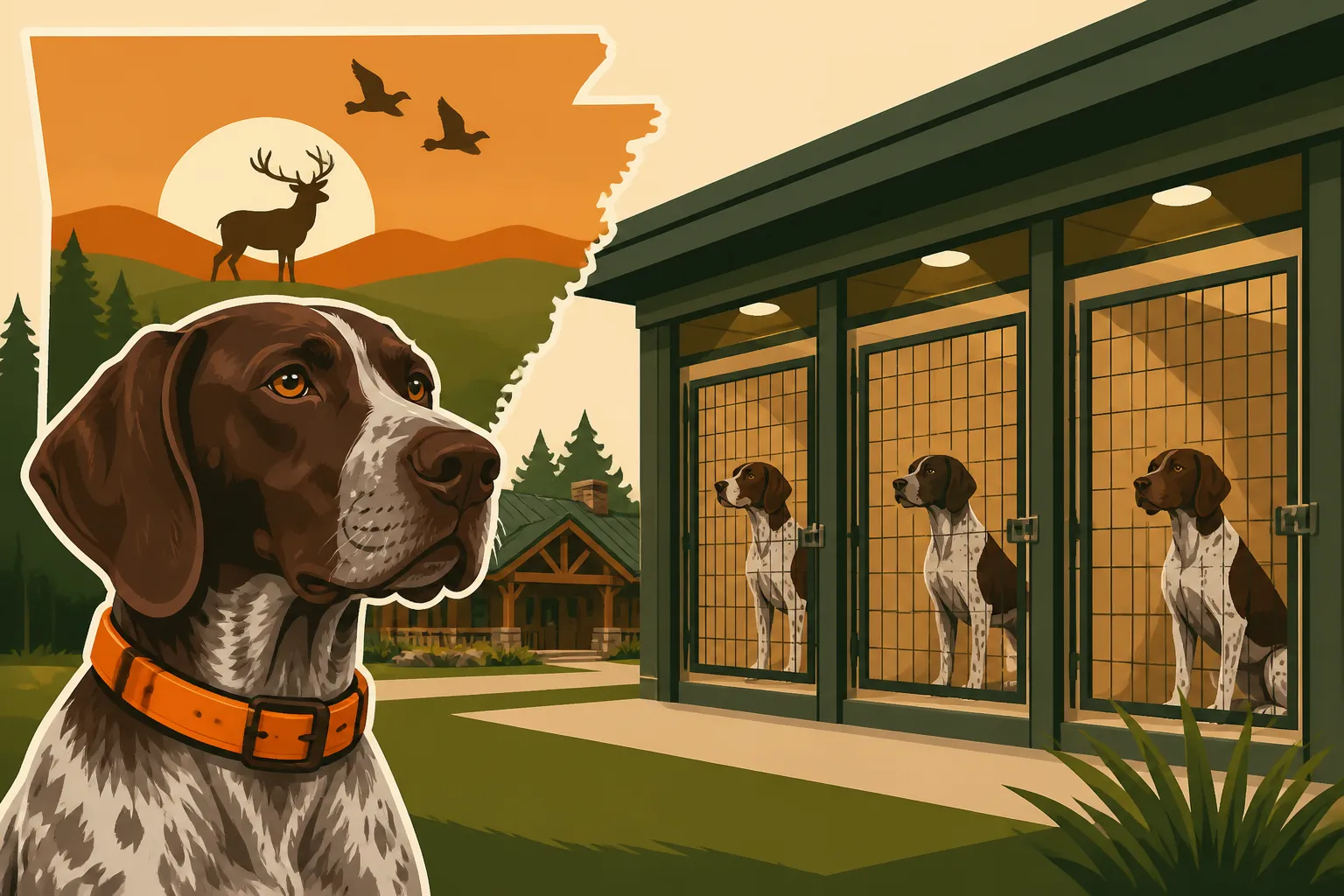
On the other end of the spectrum, you'll find lodges with state-of-the-art heated and cooled indoor kennels, sometimes with individual runs that lead to small outdoor areas. These facilities provide much greater comfort and safety, protecting your dog from the elements and often from excessive noise or disturbance. Some lodges might even offer dedicated dog rooms within the main lodge building, usually tiled or concrete, where dogs can stay more closely supervised. Each option comes with its own set of pros and cons, from weather protection to social interaction, and it’s important to consider what your dog is used to and what they’ll need to perform well in the field the next day. This is an area where research on platforms like BookYourHunt or GoHunt can be invaluable, as many will detail their dog facilities.
Essential Questions to Ask Before Booking
So, you've found a few promising lodges that claim to be dog-friendly. Great! But "dog-friendly" can mean a lot of things. Before you put down a deposit, it's absolutely crucial to have a detailed conversation with the lodge owner or manager about their specific kennel facilities and rules. Don't be shy; a good lodge will appreciate your thoroughness. This due diligence ensures there are no unpleasant surprises when you arrive with your eager hunting partner.
Space and Comfort Considerations
One of the first things you need to confirm is the actual size and setup of the kennels. Are they individual runs, or will your dog be sharing space with other dogs? If they are individual, how large are they? A small, cramped kennel might be fine for overnight, but if your dog will be spending significant time there, they need enough room to stand, turn around, and lie down comfortably. Ask about exercise routines; is there a designated area for dogs to stretch their legs and relieve themselves, and how often are they let out?
Climate control is another huge factor, especially in Arkansas where temperatures can swing dramatically. Are the kennels heated in the winter and cooled in the warmer months? You don't want your dog shivering or overheating after a hard day's hunt. Also, inquire about bedding. Do they provide elevated cots or mats, or should you bring your own? Remember, a well-rested and comfortable dog is a happy and effective hunting dog. For more general insights into choosing a lodge, check out Booking an Arkansas Hunting Lodge.
Health and Safety Protocols
Your dog's health and safety should be paramount. Most reputable lodges will have specific vaccination requirements, often asking for proof of rabies, distemper, and kennel cough vaccinations. This isn't just for their benefit; it protects your dog too. Inquire about their policy on flea and tick prevention; with so many dogs coming and going, it’s a shared responsibility to keep parasites at bay. Does the lodge have a specific protocol if a dog gets sick or injured? Is there a veterinarian on call or a local clinic nearby? This is particularly vital information, and you might want to review Vet Care and Dog Injuries on a Trip for more considerations.
Beyond health, consider security. Are the kennels locked at night? Is there staff supervision, especially after hours? What measures are in place to prevent dog fights or escapes? Imagine the heartache of your dog getting into a scrap or, worse, disappearing while you’re out hunting. Discussing these details upfront, perhaps even during your research on platforms like BookYourHunt or GoHunt, can save you immense stress later on.
Rules and Restrictions for Canine Guests
Every lodge will have a set of rules, and some might seem a bit particular, but they're usually in place for good reasons. Ask about noise policies: are dogs allowed to bark freely, or are there "quiet hours"? This can impact not just other guests but also your dog's ability to rest. Where are dogs allowed outside of the kennel? Can they be in your room, or are they strictly limited to designated areas? Some lodges may permit dogs in certain common areas, like a mudroom or a specific lounge, while others prohibit them entirely.
You also need to clarify supervision expectations. Are you expected to personally handle all of your dog's exercise and potty breaks, or do staff assist? What about in the field? If you're going on a guided hunt, will the guide be comfortable with your dog, or are there specific rules about Whether Your Dog Can Hunt the Blind? Understanding these boundaries will help you manage your dog's behavior and ensure a harmonious stay for everyone involved.
| Kennel Feature / Question | What to Ask / Consider | Why It Matters |
|---|---|---|
| Size & Type | Are kennels individual? What are dimensions? Indoor/Outdoor? | Ensures dog comfort, prevents overcrowding, provides necessary shelter from elements. |
| Climate Control | Heated? Cooled? Good ventilation? | Prevents overheating or hypothermia, crucial for dog's health and performance. |
| Bedding | Is bedding provided (cots, mats)? Can I bring my own? | Comfort for rest, reduces stress, important for dogs with specific needs or allergies. |
| Exercise Access | Is there a designated run or exercise area? How often are dogs let out? | Mental and physical well-being, prevents restlessness and destructive behavior. |
| Supervision | Is staff present/monitoring kennels? After hours? | Ensures safety, breaks up potential conflicts, deters theft or unauthorized access. |
| Health Requirements | What vaccinations are needed? Flea/tick policy? | Protects your dog and other dogs from illness, prevents infestations. See Dog Vaccination Requirements for Travel. |
| Emergency Protocols | What if my dog gets sick/injured? Vet access? | Critical for immediate response in medical emergencies. |
| Noise Policy | Are there quiet hours? How is excessive barking handled? | Ensures peace for other guests, helps your dog rest effectively. |
| Dog-Friendly Zones | Where are dogs allowed (room, common areas, blinds)? | Avoids rule violations, manages expectations for dog's freedom. |
| Staff Handling | Do guides or staff handle dogs in the field or kennel? | Clarifies responsibilities, helps if you also want insights on Tipping Guides and Dog Handlers. |
Preparing Your Dog for an Arkansas Lodge Stay
Bringing your dog to an unfamiliar environment like a hunting lodge requires more than just showing up. Proper preparation, both in terms of packing the right gear and ensuring your dog is well-behaved, can make all the difference between a stressful trip and a successful, enjoyable experience for both of you. A little foresight goes a long way in ensuring your dog remains happy, healthy, and ready to hunt.
Packing the Essentials for Your Canine Companion
Just like you pack your hunting gear, your dog needs their own dedicated bag. Start with their regular food. Switching brands abruptly can cause stomach upset, which is the last thing you want when they need to be sharp in the field. Pack enough for the entire trip, plus a little extra, and don't forget their food and water bowls. Consider collapsible bowls for the field. If your dog is on any medications, ensure you have a sufficient supply, clearly labeled, and bring copies of any prescriptions.
Beyond food and meds, think about comfort and identification. Bring a favorite blanket or bed that smells like home to help them settle into an unfamiliar kennel. A durable leash and collar with up-to-date ID tags are non-negotiable. It's also wise to have a copy of their vaccination records handy, as some lodges might ask for them upon arrival. Don't forget any specific training tools you use, like e-collars or whistles, to maintain consistency in their routine and reinforce good behavior during the trip.
Training and Socialization for a Smooth Trip
A well-behaved dog is a welcome guest. Before you embark on your Arkansas adventure, ensure your dog is solid on basic obedience commands like "sit," "stay," "come," and "kennel." These commands become even more critical in busy lodge environments or when interacting with other hunters and their dogs. If your dog isn't accustomed to being kenneled, start practicing at home for increasing durations. This will make the transition to a lodge kennel much less stressful.
Socialization is another key aspect. If your dog will be around other hunting dogs, ensure they are comfortable and polite in such company. Unruly or aggressive behavior is not only dangerous but can quickly sour the experience for everyone. Exposure to different people and environments before the trip will help them remain calm and focused. Remember, a lodge setting is often dynamic, with people coming and going, vehicles moving, and other dogs around. A dog that can handle these distractions calmly will be a far better companion and hunter. This preparation will pay dividends whether you're Running Deer Dogs in Arkansas or pursuing waterfowl.
Beyond the Kennel: Lodge Staff and Services
While the kennel itself is important, the human element—the lodge staff and available services—can significantly impact your dog's overall experience and your peace of mind. Knowing what kind of support or expertise is available, or what you might need to handle yourself, is crucial for a smooth trip.
Professional Dog Handlers and Guides
Some dedicated hunting lodges, particularly those specializing in waterfowl or upland birds, might have professional dog handlers on staff. These individuals are experts in canine care and behavior, and they might even assist with training or offer guidance during your hunt. If a lodge has them, inquire about their role: will they be handling your dog in the blind, or are they primarily for kennel supervision? Clarify if there's an additional fee for their services, and consider their experience. Their expertise can be invaluable, especially if you're exploring Hunting Arkansas Flooded Green Timber or other challenging terrains.
However, many lodges, especially those focused primarily on deer or turkey, might not have dedicated dog handlers. In these cases, you'll be solely responsible for your dog's care, exercise, and in-field handling. It's important to confirm this upfront so you can plan accordingly. If your hunt involves specific dog work, like Running Beagles on Arkansas Cottontails or Raccoon Hunting at Night in Arkansas, discuss with your guide how your dog will integrate into the hunting party and what their expectations are.
Emergency Vet Care and Local Resources
Even the best-prepared trips can encounter unexpected issues. Knowing the lodge's protocol for veterinary emergencies is critical. Do they have a preferred local vet? Do they offer transportation in case of an emergency, or are you expected to handle it? It’s a good idea to research local veterinary clinics yourself before you go, noting their hours, emergency services, and contact information. This information should be readily available and communicated by the lodge.
Beyond emergencies, consider basic needs. Does the lodge offer any services like bathing facilities or a designated drying area if your dog gets wet and muddy after a hunt? Some lodges might have basic first-aid supplies for dogs, but it's always prudent to bring your own canine first-aid kit. Knowing these details can help you plan for contingencies and ensure your dog receives the best possible care throughout your stay, ensuring their health and your peace of mind.
Bringing your hunting dog to an Arkansas lodge is a fantastic way to enhance your hunting experience, but it requires diligent planning and clear communication. By asking the right questions about kennel facilities, understanding lodge policies, and preparing your canine companion thoroughly, you can ensure a comfortable, safe, and successful trip for both of you. A little homework upfront will pay off immensely, allowing you to focus on the hunt and make lasting memories with your loyal partner.
Disclaimer
This article is for general informational purposes only and does not constitute professional advice. Laws, prices and regulations vary by location and change over time. Consult a qualified professional for guidance on your specific situation.