Finding Unclaimed Water on Public Ground
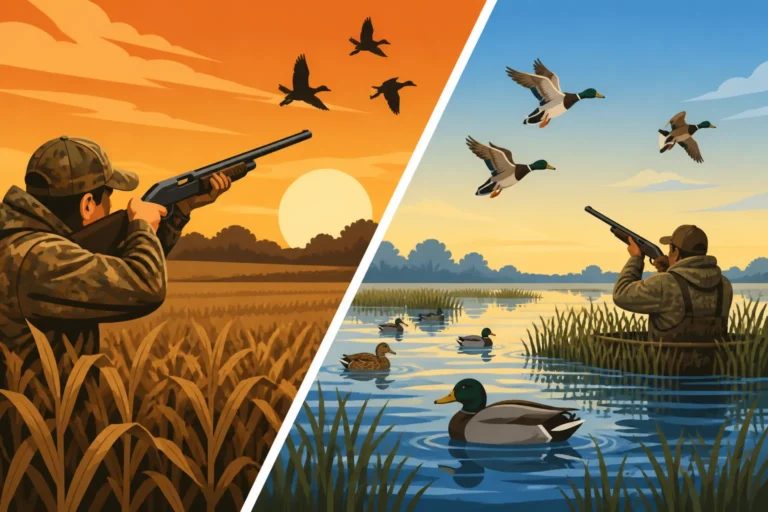
It’s a tale as old as time for Arkansas waterfowl hunters: you wake up before dawn, drive to your favorite public land WMA, only to find the parking lot already full. Every known hole seems to have someone in it, and the thought of another sky-busting, crowded hunt can be utterly deflating. But what if I told you there’s still water out there, holding ducks, just waiting for a hunter willing to put in the work to find it? This guide is all about equipping you with the strategies and mindset to locate those elusive, less pressured pockets of water on public ground, giving you a chance at a quality hunt away from the masses.
Understanding What "Unclaimed Water" Truly Means on Public Land
First off, let's be realistic about what "unclaimed water" is and isn't in a state as duck-rich and hunter-dense as Arkansas. It's not necessarily a honey hole brimming with ducks that no one has ever seen. That's a myth for most public areas these days. Instead, "unclaimed water" refers to those overlooked, less accessible, or less obvious spots that don't fit the typical mold of a popular hunting location. These are the places that most hunters drive or walk past because they require more effort, specialized gear, or a different approach.
Think of it this way: everyone wants to hunt the famous green timber holes or the perfectly flooded rice fields. These are often easy to access, well-known, and consistently hold birds, which is precisely why they're so heavily pressured. Unclaimed water, on the other hand, might be a shallow sheet water expanse in a remote field corner, a subtle depression in the woods that only floods during specific conditions, a hard-to-reach oxbow lake off a major river, or a dense thicket that's just too much trouble for most folks to navigate. The key differentiator is the lack of consistent hunter traffic, allowing birds to rest and feed more naturally. These spots often act as refuge areas for ducks that have been pushed off the more popular locations, especially after a few days of heavy hunting pressure.
The Dynamics of Public Pressure and Duck Behavior
Ducks are smart, and they quickly learn where the pressure is. On popular WMAs, birds might fly out at first light, only to circle back to less disturbed areas later in the morning. These less pressured areas, even if they aren't traditional feeding grounds, become crucial resting spots. Over the course of a season, especially during later splits, the ducks become experts at avoiding hunters. That's why simply showing up at a popular access point and walking a short distance usually won't cut it. You need to think like a duck trying to escape constant harassment.
For instance, consider a massive WMA known for its timber hunting. The main access roads and popular boat lanes will be choked with hunters. But off the beaten path, a winding slough or a section of timber that requires a long, arduous wade or canoe paddle might see minimal traffic. Ducks, especially mallards, will often seek out these quieter spots to loaf during the day. Similarly, in agricultural areas with public access, while everyone might flock to the standing corn or cut rice, a small, flooded ditch line or a natural low spot that's too small for a big spread could be a goldmine for a single hunter or a small party. The frustration of crowded public land is real, but understanding how and why ducks avoid that pressure is your first step to finding a quieter experience.
Characteristics of Overlooked Water
What makes a piece of water "unclaimed"? It often boils down to a few key characteristics that deter the average hunter:
- Difficult Access: This is perhaps the biggest factor. If it requires a long walk, a challenging boat ride through shallow water, or significant wading through mud and thick brush, many hunters will pass it by.
- Ephemeral Nature: Some water is only present after significant rainfall or when river levels are high. It might not be there every week, making it less reliable for planning and setup. This also means it's less likely to be scouted or hunted consistently.
- Small Size or Unconventional Shape: Small pockets, narrow ditches, or irregularly shaped flooded areas aren't conducive to large decoy spreads or multiple hunters. This naturally limits the number of people who can, or want to, hunt them.
- Dense Cover: Water surrounded by incredibly thick timber, briars, or brush can be a nightmare to set up in, but it offers fantastic hiding for ducks and hunters alike.
- Not on a "Hot Spot" Radar: It might not be visible from major roads, not marked on popular hunting apps as a known duck hole, or simply hasn't gained a reputation. Sometimes, it's literally just a foot-deep puddle in a field corner that happens to be where ducks land.
Recognizing these characteristics is the first step in identifying potential areas on maps and then verifying them in the field. It requires a shift in perspective from looking for "the best" to looking for "the least bothered."
Strategies for Scouting Remote Public Water
Finding these elusive spots isn't about luck; it's about dedicated, intelligent scouting, both from your armchair and on the ground. You need to leverage modern tools combined with old-school woodsmanship to paint a complete picture of the landscape.
Leveraging Mapping Software and Aerial Imagery
In today's hunting world, digital mapping tools are your best friend. Platforms like GoHunt, along with the official AGFC map tool, provide invaluable insights without you ever leaving your couch. Start by studying satellite imagery of public hunting lands in the zones you intend to hunt. Look for the following:
- Subtle Elevation Changes: Topographic maps and satellite imagery can reveal slight depressions in fields or timber that would hold water after a rain. Look for contours that indicate natural drainage patterns. Even a foot or two of elevation difference can mean the difference between dry ground and a flooded duck magnet. GoHunt often provides excellent contour lines and terrain views that make these subtle changes easier to spot.
- Old Creek Beds and Sloughs: Many public lands, especially in the Delta, are crisscrossed with old creek beds, bayous, and sloughs that might only hold significant water when rivers are up or after heavy rains. These often appear as darker lines or distinct vegetation changes on satellite images. They can be fantastic travel corridors and loafing spots for ducks. Remember, a deep dive into historical imagery can sometimes show you what these areas look like when flooded.
- Timber Transitions: Look for areas where timber density changes abruptly, or where there are breaks in the canopy. These might indicate open water, beaver ponds, or areas of dead timber that are now holding water. Conversely, look for extremely dense, tangled thickets near water, which often deter other hunters but provide great cover for birds.
- Field Edges and Corners: In WMAs that border agricultural land, pay close attention to the corners of fields that might be left fallow or have poor drainage. A slight dip in a field that collects water, especially if it's not visible from a main road or parking area, can attract ducks.
- Roads and Trails: Note all official and unofficial roads, ATV trails, and walking paths. The less vehicle or foot traffic a potential water source is near, the better its chances of being "unclaimed." The furthest walk often yields the best results.
Always cross-reference what you see on GoHunt or other mapping apps with the official AGFC WMA maps. Sometimes, what looks like public land on a generic satellite map might actually be a private inholding or a restricted area. Also, check for specific WMA regulations on access and hunting zones. Learning to read Reading Aerial Photos for Delta Deer can also be incredibly useful for identifying subtle water features that attract ducks, even if the article focuses on deer.
On-the-Ground Reconnaissance: Before and During Season
While maps are powerful, there's no substitute for getting your boots on the ground. If regulations allow, visit potential areas during the off-season or a dry spell before hunting season begins. This allows you to:
- Verify Access: Walk the entry routes you identified on the map. Is that "easy" path actually a slog through knee-deep mud? Is there a hidden ditch you missed? Knowing the terrain firsthand will prevent surprises on hunt day. This is crucial for Entry Routes Through Flooded Timber.
- Assess Water Potential: Look for signs of past flooding, such as water lines on trees, debris caught in branches, or soil types that retain water. Are there natural basins or low spots?
- Identify Roosting and Feeding Areas: Look for old duck sign, even if the water is currently dry. This indicates areas ducks have used in the past. Fresh acorn drops under red oaks can indicate a future feeding area if it floods later in the season.
- Scout for Hide Locations: Where would you set up a natural blind? Is there enough cover? Can you approach undetected?
- Check Water Levels: Throughout the season, especially after significant rainfall or changes in river levels, you need to be constantly monitoring water conditions. Using tools like the USGS water data for local rivers can give you a heads-up on potential flooding. Learning to interpret Reading Water Levels on the White River can be generalized to many other water bodies that influence local flooding.
Remember, the goal is to find water that is just right—enough to attract ducks, but not so much that it opens up to everyone. This means paying attention to real-time conditions. A good mapping app like GoHunt can save you countless hours by letting you drop pins, mark observations, and track your scouting routes, making it easier to return to promising spots later.
Equipment and Mindset for Hunting Unclaimed Water
Hunting these less-pressured areas demands a different approach than a typical guided hunt or a well-established blind. Mobility, stealth, and a minimalist mindset are your allies.
Essential Gear for the Mobile Hunter
When you're aiming for unclaimed water, you need to be prepared for the unknown and minimize your footprint.
- Lightweight Waders and Waterproof Boots: You're going to be walking, wading, and potentially getting muddy. Quality, comfortable waders are non-negotiable. If it’s very shallow, good knee-high rubber boots might suffice for stealth. For a deep dive into what to expect, refer to Wading Depth and Water Conditions.
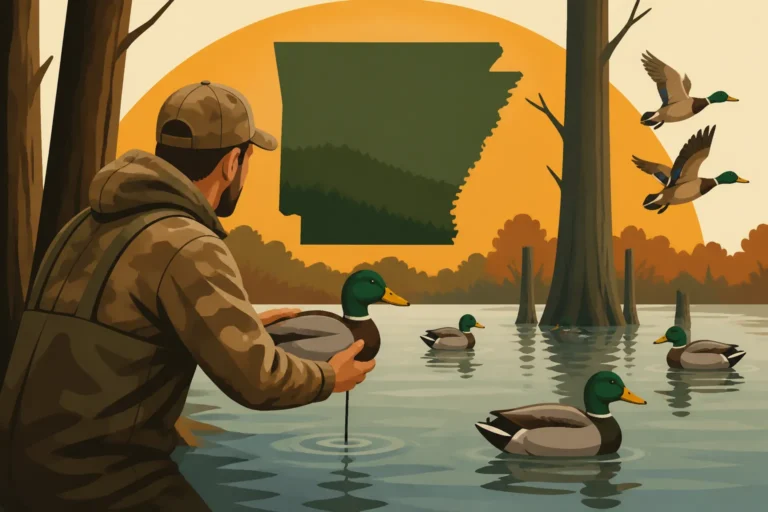
- Minimal Decoy Spread: Forget the dozens of decoys you might use in a field. For small, secluded water, a half-dozen floaters, maybe a spinner like a Mojo, and an occasional specialized confidence decoy (like a feeding hen) are usually more than enough. The idea is to appear natural and non-threatening.
- Portable Blind Material: Don't rely on existing blinds. Carry some lightweight camo netting, ghillie blankets, or even just natural material like burlap to quickly build a hide against existing cover. This also allows you to adapt to changing conditions.
- Quiet Watercraft (Optional but Recommended): A kayak, canoe, or small jon boat that can be paddled or trolled quietly is invaluable for accessing areas unreachable on foot. Avoid loud outboards, especially on smaller, tighter water.
- Navigation Tools: Your smartphone with GoHunt or the AGFC app downloaded for offline use is crucial. Ensure you have extra power banks, as battery life can drain quickly in cold weather or with heavy use. Knowing Using the AGFC Map App Offline can be a lifesaver when cell service is spotty in remote areas.
- Basic Field Kit: Water, snacks, headlamp, first-aid, a knife, and game straps or a bird bag. You'll likely be far from your vehicle.
- Nontoxic Shot: Remember that federal and state regulations require nontoxic shot for waterfowl hunting. Nontoxic Shot Rules in Arkansas are critical to follow.
The Stealth and Patience Mindset
Success in hunting unclaimed water often hinges more on your approach and patience than on elaborate setups.
- Stealthy Approach: Get to your spot well before legal shooting light. Move slowly and quietly. Minimize talking and unnecessary noise. Ducks that seek out these spots are doing so because they're trying to avoid disturbance. Any loud noise, especially from a vehicle or boat, will often send them packing.
- Natural Concealment: Utilize existing cover. Blend in with the environment. Sometimes, simply sitting still against a tree or in a dense thicket with minimal camo is more effective than a poorly constructed, obvious blind.
- Be Patient: These spots aren't always high-volume shooting. You might sit for an hour or two without seeing anything, then have a flurry of activity. Ducks will often trickle in throughout the morning, especially if larger, more popular areas are getting shot up.
- Adaptive Calling: Don't overcall. A few soft greeting calls, feeding chuckles, or a lonesome hen quack are often more effective than aggressive hail calls, especially on pressured birds. If you're in tight timber, learning Calling Ducks in Tight Arkansas Timber might offer some specific tips. The goal is to reassure, not alarm.
- Learn to Read the Birds: Pay attention to how ducks are flying and reacting to your calls. Are they skirting your setup? Are they flaring from your decoys? Adjust your calling and positioning accordingly.
The mental game is huge here. It takes a certain level of comfort with uncertainty and a willingness to accept that not every hunt will be a banner day. But the reward of pulling ducks out of a spot you found yourself, far from the crowds, is truly unmatched.
Common Challenges and How to Overcome Them
Hunting these less-traveled areas isn't without its hurdles. Being prepared for these challenges can make the difference between a successful hunt and a frustrating one.
Unexpected Encounters with Other Hunters
Even in the most remote spots, you might occasionally encounter other hunters who had the same "unclaimed water" idea. It's frustrating, but it happens.
- Be Polite and Respectful: If you arrive at a spot and find someone already there, quietly back out and find an alternative. Never crowd another hunter. A simple "Good morning, looks like you beat me to it" is always better than confrontation.
- Have a Backup Plan: This is crucial. Always identify at least two or three potential spots during your scouting. If your primary spot is taken, you can calmly move to the next. This also ties into finding Hunting Arkansas WMAs That See Fewer Hunters, where a wider knowledge of spots can prevent these encounters.
- Consider Mid-Week Hunts: If your schedule allows, hunting on a Tuesday or Wednesday can drastically reduce hunter pressure, even on traditionally popular WMAs. This increases your odds of finding an unclaimed spot truly unoccupied.
Dealing with Unpredictable Water Conditions
As mentioned, unclaimed water is often ephemeral, meaning its presence is dictated by rainfall and river levels.
- Monitor Weather and River Gauges: Stay glued to weather forecasts and local river gauges. A sudden cold front can freeze shallow water, and a lack of rain can dry up prime spots. Conversely, a good rain can create new hunting opportunities overnight.
- Scout Continually: The water you found last week might be gone this week, or a new spot might have opened up. Be prepared to adapt and find new water throughout the season. Don't fall in love with one spot that only works under specific conditions.
- Understand Local Hydrology: Learn how local rivers, ditches, and terrain interact with rainfall. Does a particular creek flood a certain timber block after an inch of rain? Does a specific field hold water when the White River reaches a certain stage? This knowledge, combined with your mapping tools, is powerful.
Navigating Difficult Terrain and Retrieving Birds
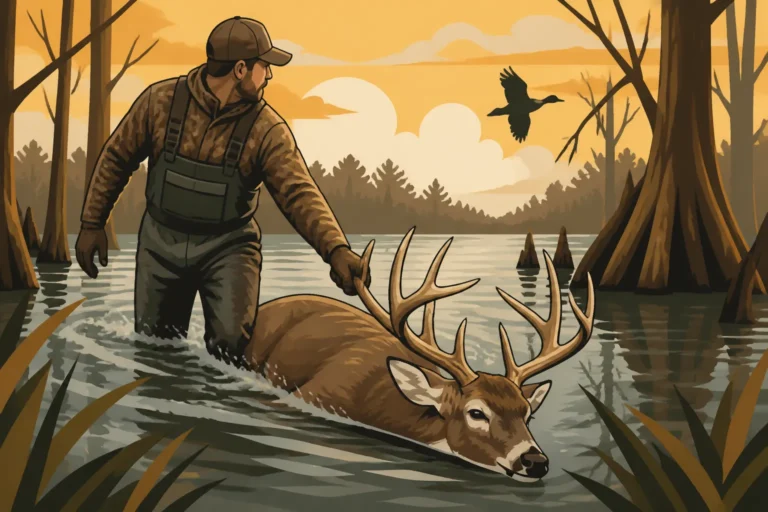
Remote, unclaimed water often comes with challenging terrain. Think thick mud, tangled briars, dense timber, and deep wading.
- Physical Conditioning: Don't underestimate the physical demands. A long walk through mud or deep wading can be exhausting. Be honest about your capabilities and don't push yourself beyond safe limits.
- Footing Awareness: Always be aware of your footing. Hidden stumps, deep holes, or slick mud can lead to falls. A sturdy wading staff can be a real asset.
- Bird Retrieval: Retrieving downed birds in dense cover or deep water can be difficult. If you don't hunt with a dog, consider using a long retrieve pole. A good retriever is invaluable in these situations. Always ensure you have a safe and reliable way to get your birds, preventing lost game.
- Safety First: Hunting remote areas means you're often far from help. Tell someone exactly where you are going and when you expect to return. Carry a fully charged phone and a personal locator beacon (PLB) or satellite messenger for emergencies.
Hunting unclaimed water is an adventure. It demands more effort and preparation, but the rewards are often worth every bit of the struggle. It’s about discovering new places, challenging yourself, and experiencing Arkansas waterfowl hunting in a truly personal way.
| Unclaimed Water Type | Characteristics | Pros | Cons |
|---|---|---|---|
| Flooded Pockets | Small, isolated areas within larger timber blocks or dense thickets. | Minimal pressure, great cover, ducks feel safe. | Hard to access, limited shooting lanes, can be very small. |
| Oxbow Sloughs | Old river bends cut off from the main channel, often long and narrow. | Holds consistent water, good for sneak-ins, can be travel routes. | Can be choked with vegetation, requires quiet watercraft, hidden. |
| Sheet Water Fields | Shallow water covering flat field corners, often near timber or ditches. | Attracts feeding ducks, easier to set decoys, good visibility. | Very dependent on rainfall, can dry quickly, limited cover. |
| Beaver Ponds | Naturally flooded areas created by beaver dams, often in smaller creeks. | Consistent water, good cover, natural food sources. | Can be very brushy, unstable footing, limited access points. |
| Remote Ditches | Wider drainage ditches or canals far from roads, especially in agricultural. | Easy duck travel lanes, often overlooked. | Linear shape can limit decoy setup, can be very open to sky. |
Conclusion
Finding unclaimed water on public hunting ground in Arkansas isn't just about bagging ducks; it's about the entire experience of discovery, the challenge, and the quiet satisfaction of a hunt earned. It takes dedication, keen observation, and a willingness to stray from the well-trodden paths. By utilizing powerful mapping tools like GoHunt, diligently scouting both digitally and on foot, and embracing a mobile, minimalist approach, you can unlock a whole new dimension of duck hunting. While the crowds flock to the known hot spots, you can be enjoying a more intimate, less pressured hunt in a secluded corner you earned the right to find. The frustration of crowded ramps and sky-blasting can fade away when you realize there's still plenty of Arkansas out there, waiting for the hunter willing to seek it out.
Disclaimer
Please remember that hunting regulations and conditions can change. Always consult the latest Arkansas Game and Fish Commission (AGFC) regulations before heading into the field. Ensure you have the proper licenses, stamps, and permits for your chosen hunting area. Hunt safely and ethically.