Recovering a Deer From a Delta Slough
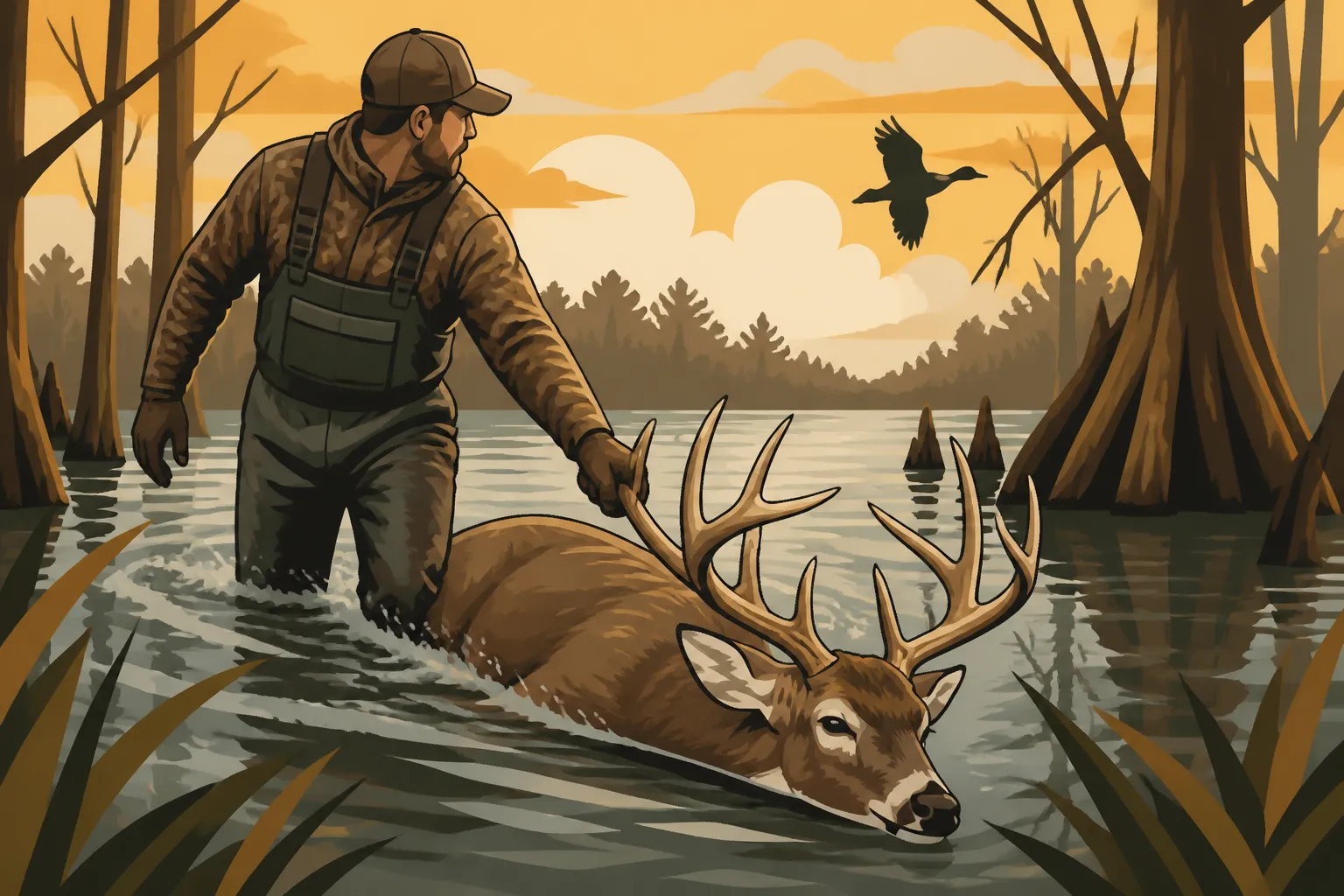
That moment when you’ve made a good shot, but your deer takes off like a rocket and splashes into a murky Delta slough, is enough to make any hunter's heart sink. It's not just about losing the deer; it's about the deep respect we have for the animal and the meat it provides. Recovering a deer from these challenging water bodies in Arkansas requires patience, the right gear, and a solid strategy. This guide will walk you through everything you need to know to maximize your chances of a successful and safe recovery.
Understanding the Challenges of a Delta Slough Recovery
Hunting in the Arkansas Delta offers incredible opportunities, but it also presents unique challenges, especially when it comes to deer recovery. A slough isn't just a puddle; it's a dynamic, often treacherous environment.
The Nature of Delta Sloughs
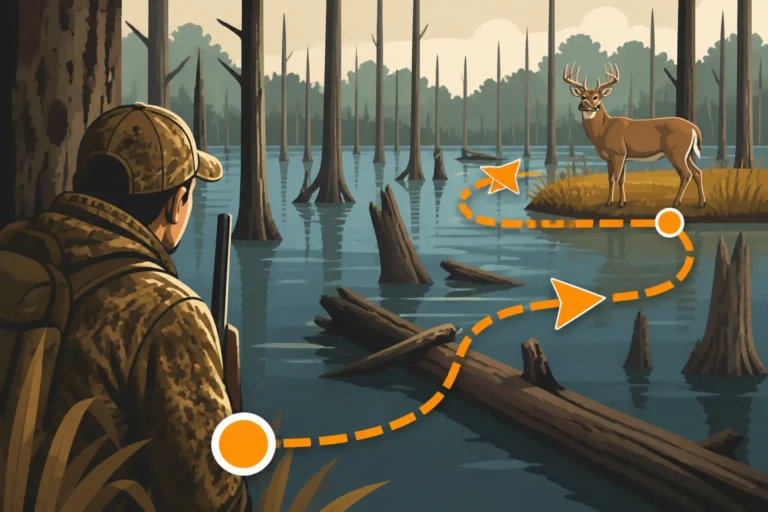
Delta sloughs are distinct waterways characterized by their slow-moving, often stagnant nature, rich muddy bottoms, and dense surrounding vegetation. They are typically remnants of old river channels, oxbows that have been cut off, or low-lying areas that collect runoff. The water can range from ankle-deep to well over your head, and the bottom is almost always soft, mucky, and can have hidden dangers. We're talking about thick, sucking mud that can steal your boots, submerged logs, stumps, and even fences from old property lines. On top of that, these areas are prime habitat for snakes, especially during warmer parts of the season. Navigating them safely is paramount. It’s a world away from retrieving a deer from a clear, rocky Ozark stream or a dry field; here, the water itself is a formidable obstacle.
Why Deer Enter Water After a Shot
It's a common scenario: you make what feels like a solid hit, and the deer bolts, making a beeline for the nearest water. This isn't usually a sign of a poor shot; rather, it's often an instinctual flight response. Wounded deer, like many animals, will seek the thickest cover they can find or try to escape predators by entering water. A deer with a good lung shot might still run a considerable distance, and if a slough is in its path, it will likely plunge right in. They might feel safe or believe the water will obscure their scent or slow down a perceived threat. Sometimes, a deer that is marginally hit might also make it to water before succumbing. This makes patience even more critical, as you don't want to push a live deer deeper into an inaccessible area.
Essential Gear and Preparations for a Water Recovery
Before you even step into the woods, especially when hunting near Delta sloughs, having the right recovery gear ready to go can make or break a successful retrieval. Don't wait until you need it to realize you're unprepared.
Assembling Your Recovery Kit
Think of your recovery kit as an emergency preparedness bundle specifically for deer in water. At a minimum, you’ll need several key items. First, sturdy rope – and I'm talking at least 50 to 100 feet of good, strong utility rope. You might need to tie off to a tree on the bank or secure the deer once you reach it. Next, waders or chest boots are non-negotiable for wading into muddy, potentially deep water. Even if you don't plan to go deep, the banks are often muddy and slippery. A long pole or a grapple hook can be invaluable for probing the bottom to locate a submerged deer or pull it closer without having to get into the deepest parts of the slough yourself.
Always carry multiple light sources: a powerful headlamp and a handheld flashlight, both with extra batteries. You never know when a recovery might stretch into twilight or even after dark, and navigating a slough in the dark is incredibly dangerous without adequate light. A comprehensive first-aid kit is also a must, not just for you but potentially for a partner. Lastly, a fully charged cell phone or a satellite communication device is essential, especially if you're in a remote area without reliable cell service. In deeper, wider sloughs, a small, durable inflatable boat or a kayak can be a lifesaver, allowing you to access areas that would be too dangerous or impossible to wade.
The Importance of a Recovery Partner
I cannot stress this enough: never attempt a slough recovery alone. The hazards are too great, and an accident in muddy, cold water could quickly turn life-threatening. A recovery partner isn't just an extra set of hands; they're your lifeline. One person can stay on solid ground, acting as a spotter, ready to throw a rope, and ensuring the safety of the person in the water. They can also help navigate, keeping an eye on the direction of travel and identifying potential escape routes for the deer or safety issues for the recovery team.
Having an extra set of eyes is also crucial for spotting subtle signs like disturbed water, tiny air bubbles rising from a submerged deer, or even a faint blood trail leading out of the water on the opposite bank. The psychological benefit of having someone else with you when you're facing a tough, possibly dangerous recovery is also immense. Share your hunting plans with someone who isn't hunting with you, letting them know your general location and when you expect to return.
Step-by-Step Recovery Strategy for Delta Sloughs
A successful recovery is less about brute force and more about methodical, patient execution. Rushing in can complicate matters and even put you in harm's way.
Initial Assessment and Patience
After the shot, the absolute first step is patience. Resist the urge to immediately charge after the deer, especially if it's headed towards a slough. Give the deer time – at least an hour for a marginal shot, sometimes more for a liver shot. If you suspect a solid double-lung or heart shot, you might be able to start tracking sooner, but even then, a waiting period allows the deer to expire and reduces the chance of pushing it further.
Approach the water's edge quietly and slowly. Your goal is to gather information without creating further disturbance. Scan the water for any signs: ripples, bubbles, disturbances in the surface vegetation, or fresh blood. Look for blood trails leading to the water, noting the entry point. Once at the water's edge, scrutinize the opposite bank. Are there tracks leading out? Is there disturbed mud or vegetation indicating the deer made it to the other side? Sometimes, deer will cross a slough and expire shortly after. This is where pre-season scouting really pays off; understanding the terrain, including how deep a slough might be or where a deer might cross, can be invaluable. Tools like GoHunt's satellite imagery can help you visualize the slough's contours and identify potential crossing points or shallower areas from a distance.
Tracking Along the Bank and Into the Water
If the deer isn't visible in the water, your next step is to carefully track along the bank. Look for any sign the deer might have exited the water, such as tracks, mud smears, or further blood on the opposite side. If you're hunting in areas like those described in Hunting Arkansas Flooded Green Timber, you know how tricky wet ground can be for tracking. Keep your eyes peeled for any broken limbs or disturbed leaves that indicate movement. If the slough is narrow, one person can track one bank while the other tracks the opposite.
If the deer is still in the water and visible, approach it slowly and from a downstream position if possible, so any disturbed water or scent flows away from the animal. If the deer is submerged or not immediately visible, this is where your recovery kit becomes essential. Carefully wade into the water if it's safe and shallow enough, always with your partner on the bank. Use your long pole to probe the bottom ahead of you, feeling for obstacles or the deer itself. The mud can be incredibly deep, so move cautiously. If you have a small boat or kayak, this is the time to deploy it, allowing you to search a wider area without directly entering the most treacherous parts of the slough. Understanding the flow and depth of such waters, similar to Reading Water Levels on the White River, can give you an edge in predicting where a deer might have drifted.
Retrieving the Deer
Once you locate the deer, the challenge shifts to getting it out. First, secure it. If you can get a rope around the antlers or neck, do so. This provides a handle and prevents the deer from sinking further or drifting away. Pulling a heavy, waterlogged deer, especially a big Delta buck (which can be quite substantial, as discussed in Why Delta Bucks Grow Bigger), out of thick mud and water is exhausting work. This is where your recovery partner, and perhaps even more assistance, becomes vital.
Utilize leverage. If possible, pull the deer towards a point where the bank is lower or firmer. You can tie the rope to a sturdy tree or use a vehicle (if safe and legal on public land, which is rare) to gently pull the deer out. Be mindful of snapping branches or slipping on mud. Sometimes, it's a matter of two-person drives, as you might use for Two-Person Drives on Small Tracts, but applied to pulling a deer from the water. Lift, pull, rest, and repeat. The mud itself can act like quicksand, making every inch of progress a battle. Take your time, communicate with your partner, and prioritize safety over speed.
| Item | Purpose | Why it's Critical in a Slough |
|---|---|---|
| Sturdy Rope (50-100 ft) | Securing and pulling the deer | Essential for retrieval, especially if the deer is submerged or far. |
| Waders/Chest Boots | Staying dry and warm when entering water | Protects against cold water, mud, and potential aquatic hazards. |
| Headlamp/Flashlight | Illuminating the area, especially in low light/darkness | Crucial for visibility, safety, and spotting signs in murky water. |
| Extra Batteries | Ensuring continuous light supply | Recoveries often take longer than expected; lights are critical. |
| Long Pole/Grapple Hook | Probing for a submerged deer, pulling it closer | Avoids deep wading, helps locate invisible obstacles. |
| First-Aid Kit | Addressing injuries (slips, cuts, bites) | Safety is paramount; accidents are more likely in treacherous terrain. |
| Communication Device | Calling for help, coordinating with partner, checking regulations | Vital for safety in remote areas or emergencies. |
| Bright Flagging Tape | Marking entry/exit points, track lines | Helps maintain orientation, especially if tracking into thick cover. |
| Small Inflatable Boat/Kayak | Accessing deeper/wider sloughs safely | Allows broader search, reduces direct exposure to hazards of wading. |
Post-Recovery Considerations
Congratulations, you've successfully retrieved your deer from the watery depths! But the job isn't quite done. There are still important steps to take to ensure the meat is salvaged and you adhere to all regulations.
Field Dressing and Transport Challenges
Once the deer is on solid ground, the immediate concern is field dressing. If the deer has been submerged, it will likely be incredibly heavy and covered in mud. The water can also seep into the body cavity if the shot opened large holes. Try to get the deer to the cleanest, driest spot you can manage near the slough. Field dressing needs to happen swiftly, especially if you're hunting in Arkansas's warmer early archery days (refer to Field Dressing in Arkansas Heat), to prevent spoilage. You'll likely need to rinse the cavity as best as possible after gutting, perhaps using bottled water you brought along.
Transporting a muddy, heavy, wet deer back to your vehicle is another significant hurdle. It's often a two or three-person job, dragging it through thick woods, possibly navigating uneven terrain like those found when considering Entry Routes Through Flooded Timber. Make sure you have a tarp or game bag to protect your vehicle's interior from mud and blood. Once home, a thorough cleaning of the deer and all your equipment is essential to prevent contamination and the spread of any potential diseases.
Legalities and Reporting
Arkansas has specific regulations for deer hunting, and recovery is part of that. Always adhere to the Arkansas Deer Checking and Tagging requirements immediately after recovery. Even if you've had a tough recovery, the deer still needs to be tagged and reported according to state law. If you're on public land, such as one of the many Arkansas Wildlife Management Areas, be aware of any specific rules regarding vehicle access for recovery or restrictions on off-trail travel. Some WMAs might have different rules for, say, Modern Gun Tactics on Arkansas Public Land versus archery.
In a situation where you believe a deer has gone into an inaccessible area or you've lost the trail, contacting the Arkansas Game and Fish Commission (AGFC) might be an option. They can sometimes offer guidance or assistance, especially if it's a matter of public safety or on land where you don't have permission to retrieve. It's always better to be upfront and follow the rules. Utilize mapping apps, particularly those with public and private land boundaries like GoHunt, to confirm you're within legal hunting areas and to avoid trespassing during recovery efforts. Knowing your boundaries with precision can prevent a simple recovery from turning into a legal headache.
Disclaimer
Please note that hunting regulations, seasons, and licensing requirements can change. Always consult the latest Arkansas Game and Fish Commission (AGFC) hunting guide or their official website before heading into the field. This guide is for informational purposes only and does not replace official regulations. Safety should always be your top priority when hunting and recovering game.