Running Hounds in the Ouachitas
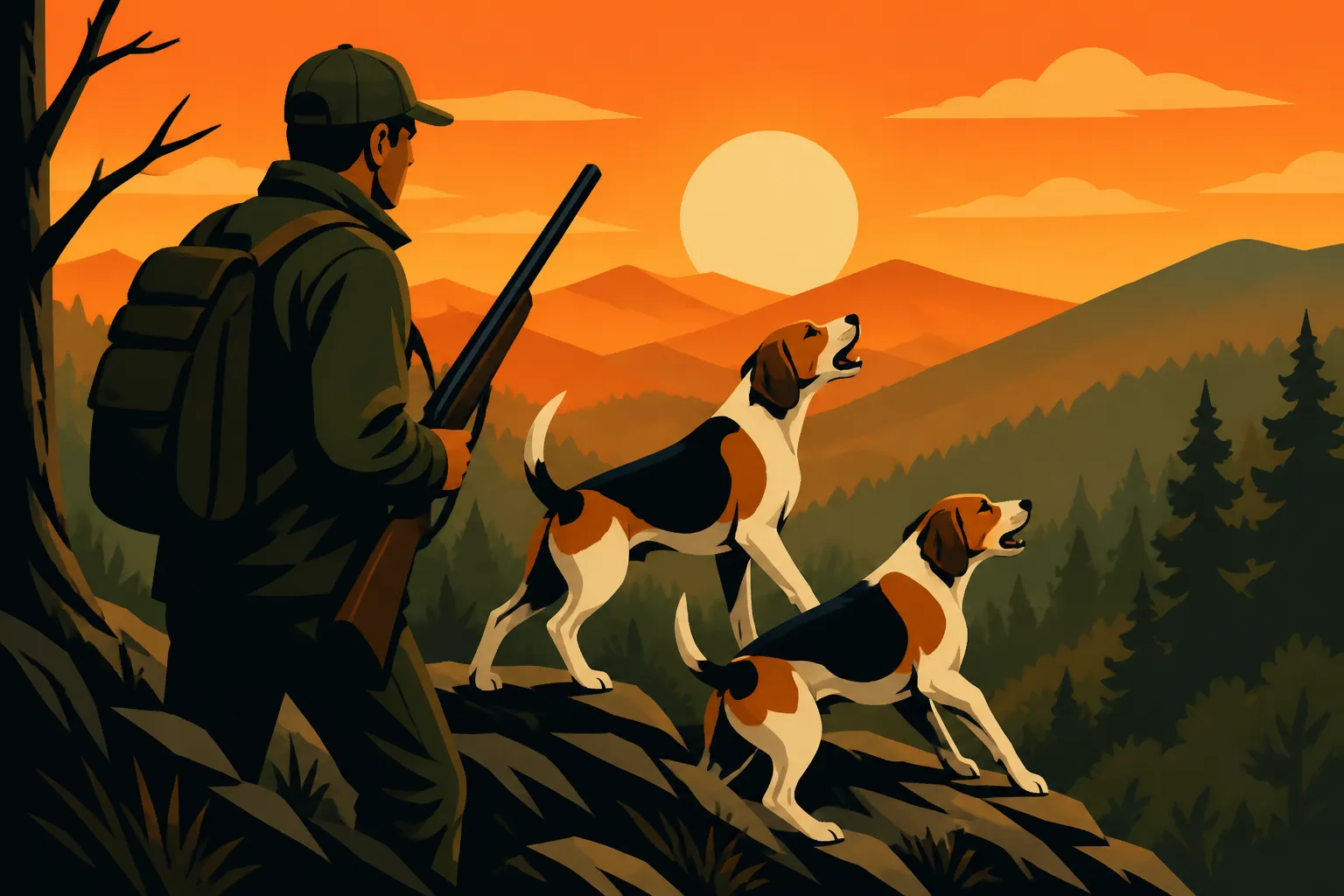
The Ouachita Mountains are a majestic, rugged landscape that calls to many Arkansas hunters, but running hounds in this part of the state presents a unique set of challenges that can test the mettle of even the most seasoned dog handler. From dense timber and steep, rocky terrain to vast expanses of public land intertwined with private holdings, navigating these woods with a pack of eager hounds requires meticulous planning, robust gear, and an understanding of the specific demands of this beautiful but unforgiving environment. This guide aims to prepare you for the realities of hound hunting in the Ouachitas, helping you understand the terrain, the game, and the critical considerations for a safe and successful trip.
The Unique Landscape of the Ouachitas for Hound Hunting
Hunting with hounds in the Ouachita Mountains isn't like chasing a track in the flat, open delta. This region, characterized by its east-west trending ridges and valleys, presents a significant departure from the gentle slopes and mixed farmlands found elsewhere in Arkansas. The terrain alone is a major factor that shapes every aspect of a hound hunt, demanding more from both hunter and dog.
Navigating Steep Terrain and Dense Cover
The Ouachitas are known for their steep, often rocky slopes that plunge into deep hollows, making foot travel incredibly strenuous. Your dogs will encounter thick stands of pine, dense hardwood forests, and often a gnarly understory of briars, vines, and brush that can slow them down or even injure them. This dense cover means visibility is often limited, both for you trying to follow your dogs and for the dogs themselves trying to visually track game after a scent trail gets hot. The sheer verticality of the landscape also means that sounds carry differently, and what might seem like a short distance on a map can be an hour-long arduous trek through rough country.
Furthermore, these steep hillsides are crisscrossed with natural features like rock slides, bluffs, and deeply cut drainages that can be formidable obstacles for dogs and hunters alike. A hot pursuit can quickly lead your hounds into an area that's nearly impenetrable on foot, forcing you to find long detours or wait for your dogs to work their way out. Understanding how to read an Ozark bench for deer, for example, gives you a sense of the kind of hidden terrain features that are common and can make or break a pursuit. You might be following a GPS track only to realize your dogs have treed on a sheer rock face you can't possibly climb without specialized gear. The vegetation, while sometimes offering natural funnels, can also create frustrating barriers, making dog recovery a physical and mental test.
Public Land and Property Line Challenges
A significant portion of the Ouachitas falls within the Ouachita National Forest Hunting boundaries, offering vast opportunities for public land hunting. However, this expansive public land is often a patchwork intertwined with private timber company holdings, small private tracts, and even residential areas. For a hound hunter, this creates an ongoing logistical challenge: ensuring your dogs stay on legal ground. It's not uncommon for a determined hound, hot on a trail, to cross multiple property lines in a short amount of time.
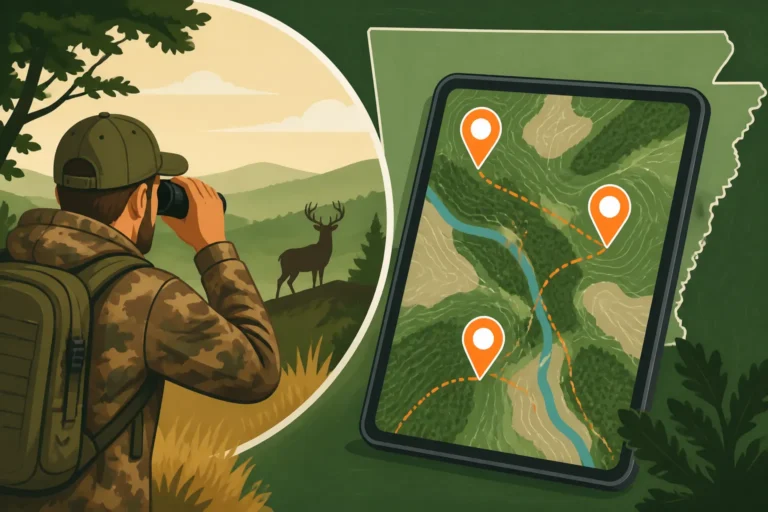
This makes meticulous scouting and the use of reliable mapping technology absolutely critical. Before you even let your dogs out of the box, you need a clear understanding of the public and private boundaries in your intended hunting area. Apps like GoHunt, with their detailed land ownership overlays, are an invaluable tool for this. They allow you to visualize property lines in real-time and, ideally, to select areas where public land is contiguous enough to minimize the risk of your dogs running onto private property without permission. Ignoring these boundaries can lead to unpleasant confrontations with landowners, potential legal issues, and the loss of your hunting privileges. It's not just about knowing where you can hunt, but where your dogs might go during a chase. Familiarize yourself with how many acres of public land Arkansas has and how that translates to huntable territory in the Ouachitas.
Strategic Hound Hunting in the Ouachitas
Success in the Ouachitas with hounds hinges on a blend of careful planning, robust equipment, and a deep understanding of dog behavior and local game. This isn't a casual endeavor; it demands commitment and preparation.
Equipping for the Hunt and Your Hounds
When you're running hounds in terrain as demanding as the Ouachitas, your gear isn't just a convenience – it's often a necessity for safety and success. First and foremost, every dog needs a reliable GPS tracking collar. The dense cover and rugged terrain mean your dogs can quickly disappear from sight and hearing, and traditional bell collars or simple e-collars won't cut it. Brands like Garmin Alpha or Garmin Astro are staples for a reason, offering real-time location tracking and the ability to command your dogs remotely if needed. You'll want extra batteries, too, as a long chase or an overnight track can drain power quickly.
For yourself, physical fitness is paramount. You're going to be walking, climbing, and sometimes crawling through challenging country. Invest in good quality, comfortable hiking boots with excellent ankle support. A sturdy backpack to carry water, snacks, a first-aid kit (for you and your dogs), and a compass or backup GPS device is essential. A bright headlamp is also a must, as many hound hunts, especially for raccoons, extend into or even begin at night. Furthermore, consider a snakebite kit for your dogs, as rattlesnakes and copperheads are common in the Ouachitas during warmer months. Remember that even with modern tools, things can go wrong, and you need to be self-sufficient enough to manage unexpected situations far from any road. When scouting Arkansas public land before season, make sure to note potential access points and recovery routes for when your dogs go deep.
Understanding Ouachita Game and Tactics
The primary game species for hound hunters in the Ouachitas are raccoons and bobcats, with some opportunities for coyotes and, under very specific regulations, black bears. Each species presents its own unique challenges and requires different approaches.
- Raccoons: Raccoon hunting at night in Arkansas is a classic pastime. In the Ouachitas, raccoons often favor creek bottoms, drainages, and areas with large mature hardwoods where they can easily find den trees. Your dogs will need to be proficient cold trailers, capable of picking up old scent and working it through varied terrain. When they tree, you'll often find them up a towering oak or sycamore, sometimes deep in a hollow. The ruggedness of the Ouachitas means that what would be a short walk to a treed coon in flatland can turn into a multi-hour scramble, so be prepared for lengthy treks and potential overnight dog recoveries.
- Bobcats: Hunting bobcats with hounds is a different beast entirely. Bobcats are incredibly elusive and prefer dense, rocky areas, thickets, and remote sections of the Ouachitas. They often run long and hard, frequently doubling back or using difficult terrain to their advantage. Your dogs need to be fast, gritty, and possess excellent stamina. Unlike raccoons, bobcats are less likely to den in trees and more prone to taking refuge in rock crevices, caves, or dense brush piles, which can make recovery difficult and dangerous. Understanding their behavior is key; for instance, some bobcats will climb a tree as a last resort, but many will simply disappear into the labyrinthine rock formations.
- Coyotes: While more commonly hunted with calling tactics, some hunters use hounds for coyotes, especially in areas where they are causing livestock issues. Coyotes in the Ouachitas are highly adaptable and can be found across various habitats, from open ridges to dense valleys. They are intelligent and notoriously difficult to catch with hounds, often running for miles and using their cunning to throw dogs off their scent. You'll need very fast, experienced hounds to consistently tree or bay coyotes in this challenging environment. It's worth noting that while some hunters specialize in coyote and bobcat calling in Arkansas, running hounds offers a different, highly active pursuit.
- Black Bears: It's important to mention that while black bears are present in the Ouachita Forest bear country, hunting them with hounds is subject to very strict regulations and specific quotas set by the Arkansas Game and Fish Commission (AGFC). Bear hunting with dogs typically requires special permits or participation in designated hunts and is not a general "running hounds" activity like chasing coons or bobcats. Always check the current Arkansas bear seasons and zone quotas before considering this.
Rules, Regulations, and Ethical Considerations
Hunting with hounds, particularly on public land, comes with a specific set of rules and a strong ethical code. It's your responsibility to know and abide by these regulations to ensure the future of the sport and maintain good relationships with landowners and other outdoor enthusiasts.
Understanding Arkansas's Hound Hunting Regulations
The Arkansas Game and Fish Commission (AGFC) has clear regulations regarding the use of hounds for hunting. While specifics can vary by species and season, some general principles apply across the board in areas like the Ouachita National Forest. For instance, all hunters must possess the appropriate Arkansas hunting licenses and what they cost, including any species-specific tags.
When pursuing furbearers like raccoons, bobcats, and coyotes, pay close attention to the Predator and Furbearer Hunting in Arkansas regulations, which detail open seasons, bag limits, and legal hunting hours. Raccoon hunting, for example, is often primarily a nighttime activity, which means you'll need proper lighting. It's also crucial to understand that baiting is generally prohibited on public lands, so you can't use attractants to bring game to your dogs. Remember, violations can carry significant penalties, so understanding Arkansas wildlife violation penalties is essential. Moreover, you must always be able to control your dogs and retrieve them, which again highlights the importance of reliable GPS collars and a well-trained pack.
Respecting Property Rights and Other Hunters
This is perhaps one of the biggest challenges and most important ethical considerations for hound hunters in the Ouachitas. As mentioned earlier, the mosaic of public and private land means your dogs can easily cross boundaries. While state law generally allows for the retrieval of hunting dogs from private land without permission, it does not permit the hunter to carry a firearm onto private land without explicit permission. This distinction is critical. Always make every effort to contact the landowner before entering private property, even just to retrieve dogs. A simple phone call can prevent conflict. Using mapping tools like GoHunt or other resources for finding Arkansas property lines becomes not just a convenience, but an ethical imperative.
Furthermore, hound hunting, by its very nature, can be noisy. Baying hounds, bugling calls, and the sound of a chase can carry far, potentially disturbing other hunters (e.g., still-hunters for deer or turkey hunters), hikers, or residents. Be mindful of your surroundings and consider the impact of your hunt on others. If you're hunting in an area known for high recreational use, perhaps choose a different time or location. Leaving no trace, respecting wildlife, and being a good ambassador for hound hunting are vital for the sport's long-term health.
| Species | Primary Habitat (Ouachitas) | Typical Hound Behavior | Recovery Challenge | Seasonality (General) |
|---|---|---|---|---|
| Raccoon | Creek bottoms, mature hardwoods, drainages | Cold trailing, treeing | Moderate to High (due to terrain/darkness) | Fall & Winter (often night) |
| Bobcat | Rocky bluffs, dense thickets, remote timber | Hot trailing, long runs, baying/treeing | High (elusive, uses difficult cover) | Fall & Winter |
| Coyote | Adaptable: ridges, valleys, varied timber | Fast runs, long chases, often avoids treeing | High (cunning, covers vast distances) | Year-round (often day) |
Preparing for the Unforeseen: Safety and Recovery
Even with the best preparation, things can and do go wrong in the rugged Ouachitas. Being ready for these unexpected challenges is a hallmark of an experienced hound hunter.
Dog Safety and Health in the Wild
Your hounds are your partners, and their safety should be paramount. The Ouachita terrain poses numerous risks. Snakebites are a real concern, especially in warmer weather. Having a snakebite kit on hand and knowing how to administer first aid can be life-saving. Cuts and scrapes from briars and rocks are common, so a small dog first-aid kit with antiseptic wipes and bandages is essential. Overheating can also be an issue, particularly if your dogs are running hard on a warmer day; carry extra water for them and know the signs of heat exhaustion.
Beyond physical injuries, getting lost is a constant threat. While GPS collars significantly mitigate this, electronics can fail, or dogs can get out of range. That's why cross-training your dogs to respond to voice commands, whistles, or even a tracking horn is vital. Teach them to "come to horn" or "come to truck" even when distracted. This training pays dividends when technology fails or a dog is just out of reach. Ensuring your dogs are up-to-date on all vaccinations, especially rabies, is also crucial, not just for their health but for yours, should they encounter wild animals.
Hunter Safety and Emergency Preparedness
Just as your dogs face dangers, so do you. The Ouachitas can be disorienting, and it's easy to get turned around, especially when focused on a chase. Always carry a reliable GPS device (beyond your phone, which can lose signal or battery) or a detailed map and compass, and know how to use them. Share your hunting plan with someone reliable, including your intended area, expected return time, and a contingency plan. This is especially important for how far to walk from the parking lot.
Falls are another common injury due to the steep, rocky, and often leaf-covered terrain. A sturdy hiking stick can provide stability. If you're hunting during modern gun season for deer, remember to adhere to Arkansas hunter orange rules to ensure you're visible to other hunters. Cell service can be spotty to non-existent in many parts of the Ouachitas, so don't rely on it for emergencies. A satellite messenger device, like a Garmin inReach or Zoleo, can be a literal lifesaver, allowing you to send emergency messages even without cell signal. Finally, always carry enough water, snacks, and extra layers of clothing, as weather in the mountains can change rapidly, and a simple hunt can turn into an unexpected overnight stay if a dog goes deep.
Disclaimer
Hunting is an inherently risky activity. This guide provides general information and should not be considered a substitute for personal research, professional training, or strict adherence to all Arkansas Game and Fish Commission regulations. Always prioritize safety, ethics, and responsible hunting practices.