Morning Draw Etiquette on a WMA
There's a special kind of dread that can creep in the night before a WMA morning draw, isn't there? You're buzzing with anticipation for the hunt, but also filled with anxiety about the chaos that can ensue when dozens of eager hunters converge in the dark, all vying for those coveted spots. It's easy for tempers to flare and misunderstandings to occur when the stakes are high and sleep is scarce. This guide is here to walk you through the often-unspoken rules and practical tips for navigating the morning draw on an Arkansas Wildlife Management Area, ensuring a smoother, more respectful experience for everyone involved.
Understanding the Arkansas WMA Draw System
Let's be real, the WMA draw system, especially those frantic morning checks, can feel like a high-stakes lottery. It's a fundamental part of public land hunting in Arkansas, designed to ensure fair access and manage hunter pressure, particularly in popular waterfowl areas or specific deer management units. But for many, especially those new to the system or visiting from out of state, it’s shrouded in mystery and ripe for missteps.
Why Draws Exist and How They Work
The Arkansas Game and Fish Commission (AGFC) implemented WMA draws for a very good reason: to distribute hunting opportunities equitably and prevent overcrowding in areas where habitat is limited or game populations need careful management. Imagine if every hunter who wanted to could show up at the exact same spot at Bayou Meto on opening day without any system in place. It would be an absolute madhouse, unsafe, and quickly burn out the game.
Draws, in essence, act as a gatekeeper. For many popular waterfowl WMAs, like those frequently discussed when considering Arkansas WMA Duck Hunt Draws, you'll often participate in an annual permit draw before the season even begins. These give you a chance to hunt specific dates or zones. However, beyond those pre-season applications, many WMAs, particularly those offering day-use permits or managing limited access to specific hunting units, use morning draws. This means you physically show up, often hours before legal shooting light, sign in, and then names or groups are drawn to assign hunting locations. The AGFC staff at these locations are trying their best to manage a complex system, often in the dark, with a line of coffee-fueled hunters staring them down. They’re simply executing the rules, and understanding that helps keep frustration in check.
Common Frustrations and Realities
Nobody enjoys waking up at 2 AM to drive two hours in the dark, only to stand in line for another two hours hoping their name is called. The sheer early morning is perhaps the most universally disliked aspect. You've sacrificed precious sleep, chugged lukewarm coffee, and driven a considerable distance, all with the knowledge that you might walk away empty-handed. It’s a gut punch when you don’t get picked, especially when you’ve had that perfect spot mentally scouted using tools like the GoHunt app, pinpointing exactly where you hoped to set up.
Then there's the waiting game. The silence, punctuated by nervous whispers and the rustling of gear, can feel endless. Newcomers often struggle with the unspoken cues: Where do I stand? Who do I talk to? Do I just walk in? Seasoned hunters might appear aloof or even grumpy, not because they're rude, but because they're also exhausted and focused. The confusion for those unfamiliar with the specific WMA's nuances, like knowing When Arkansas WMAs Close for High Water or understanding the specific regulations that apply, only adds to the stress. It’s a reality that sometimes you spend more time driving and waiting than actually hunting, and that can really wear on a person's patience.
The Unwritten Rules of the Morning Draw
While the AGFC provides official regulations, there's a whole separate set of unwritten rules—the "etiquette"—that govern interactions at a WMA morning draw. Following these isn't just about being a good person; it's about making the experience less stressful for everyone and ensuring you don't inadvertently earn a bad reputation among your fellow hunters.
Respecting Your Fellow Hunters
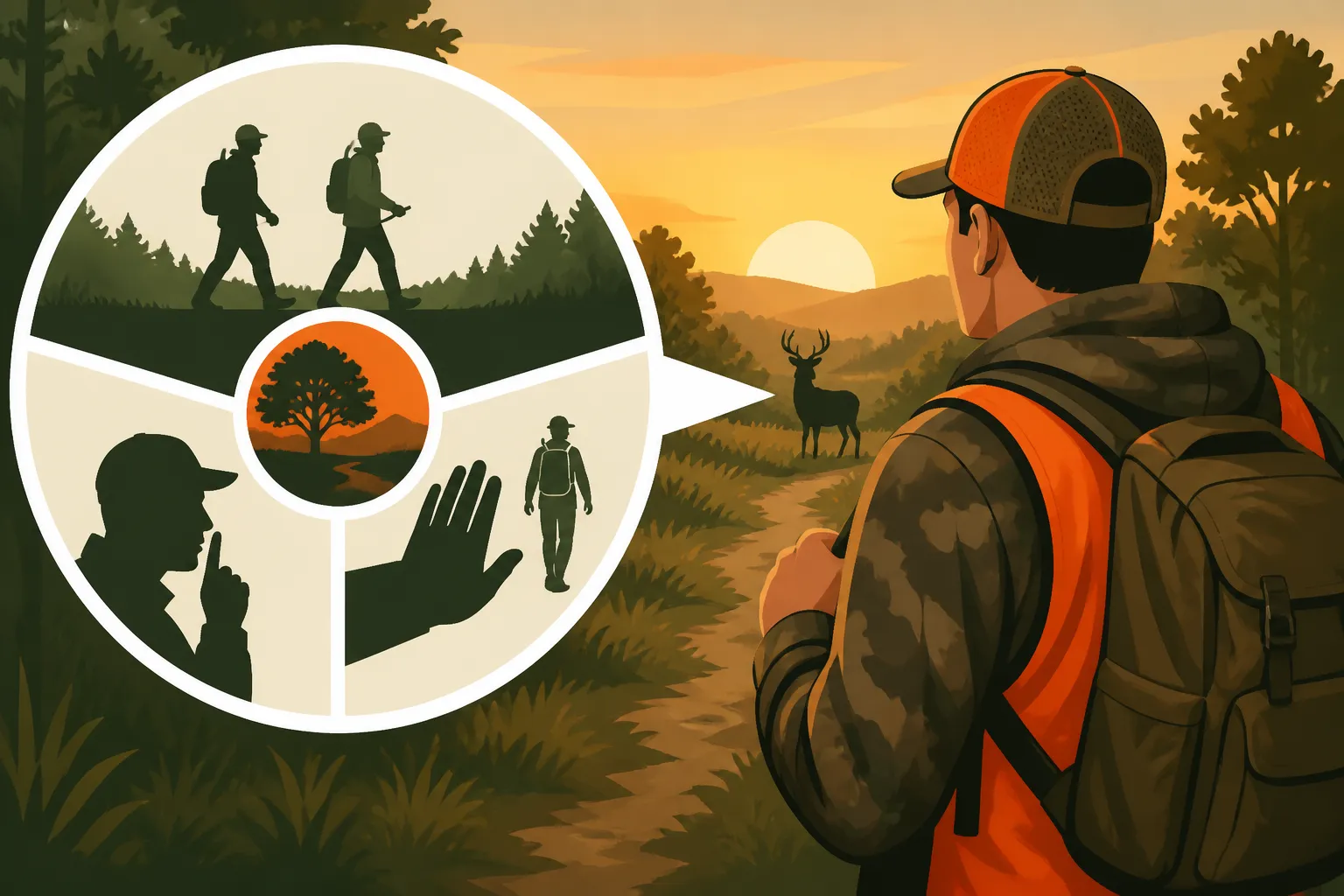
The core of WMA draw etiquette boils down to respect. Everyone there is pursuing the same passion, and everyone is likely running on minimal sleep and high hopes.
- The Queue is Sacred: This might seem obvious, but it's surprising how often it gets overlooked. If there's a line, get in it. Don't try to cut, and certainly don't try to send a "placeholder" buddy to stand in line while you sleep in your truck. When you arrive, observe where the line starts and ends. Politely ask if you're unsure. If you leave the line for a moment (to use the restroom, for example), make sure to communicate with those around you so they know you'll be returning to your spot. Remember, the early bird truly gets the worm, or at least a better spot in line for the draw.
- Personal Space is Precious: In the close quarters of a WMA check station, personal space can be at a premium. Don't crowd other hunters. Give them room to stretch, organize their gear, and simply exist without feeling encroached upon. This is especially true when it's cold, and everyone is bundled up; bumping into someone with cold metal gear isn't a pleasant experience.
- Keep Noise Levels Down: It's often still dark, and many people are half-asleep or trying to stay quiet to hear announcements. This isn't the time for loud conversations, booming music from your truck, or letting your dog bark incessantly. Be mindful of your volume, especially before official announcements begin. A little quiet respect goes a long way in fostering a calm atmosphere. You’ll be much better off if you're listening carefully to AGFC staff, rather than trying to catch up on gossip.
- Patience is a Virtue: Things can go wrong. The computer might glitch, a staff member might be late, or the drawing process might take longer than expected. Fuming, sighing loudly, or making snide comments doesn't speed anything up; it just increases tension. Practice patience, and understand that everyone is doing their best. A calm demeanor can be contagious and help de-escalate any rising frustrations.
Interacting with AGFC Staff
The AGFC staff working the draws are the unsung heroes of public land hunting. They're often there even earlier than you are, dealing with long hours and sometimes difficult people. Your interaction with them can set the tone for the entire morning.
- Be Prepared and Polite: When it's your turn, have all your required licenses, stamps (including federal and state duck stamps if applicable for waterfowl), and any necessary WMA permits ready. This might mean having your physical licenses, or your digital AGFC app pulled up with your license displayed. This efficiency helps the line move faster for everyone. A simple "Good morning" and "Thank you" can go a long way. These folks are providing a service, and a little civility makes their tough job a bit easier.
- Listen to Instructions: AGFC staff will provide important information and instructions, sometimes about general rules for Arkansas WMA Rules and Permits, or specific guidelines for the day's hunt. Pay attention. Don't assume you know everything, even if you're a seasoned WMA hunter. Rules can change, and the specific procedures for that morning's draw might have unique elements. Asking questions you could have answered by simply listening holds up the line and wastes everyone’s time.
- Ask Clarifying Questions Respectfully: If you genuinely don't understand something after they've explained it, wait for an appropriate moment and ask your question clearly and politely. Avoid challenging their authority or arguing about rules you don't agree with. They are enforcing the regulations, not making them up on the spot. If you have a legitimate concern, address it calmly, perhaps after the main draw is complete if it's not time-sensitive.
Handling the Selection Process
The moment of truth—your name is called, or it isn't. How you react says a lot.
- When Your Name is Called: Respond clearly and immediately. Don't make the staff call your name three times while you finish a text message. If you're hunting with a group, have your group organized and ready to state your preference quickly. The staff needs to move through the list efficiently. Discuss your preferred zones or spots with your hunting partners before the draw begins so you can make a quick, informed decision. This is where your pre-scouting with tools like the GoHunt app, identifying potential spots and backup locations, truly pays off.
- Quickly Make Your Decision: Once called, you'll typically be presented with available hunting units or zones. Have your top 2-3 choices in mind. Hesitating, debating loudly with your partners, or asking for a full breakdown of every single remaining spot will hold up the entire process. Have a backup plan, and if your ideal spot is gone, quickly move to your next preference.
- If You Don't Get Drawn: It stings, no doubt. But react gracefully. Don't complain, curse, or make a scene. Quietly pack up your gear and leave. Sometimes, if there are unclaimed spots or no-shows, a second, smaller draw might occur, or remaining spots might be offered on a first-come, first-served basis. Stick around discreetly if you think this is a possibility, but don't loudly demand to be included. Many WMAs also have general hunting areas outside the specific draw units where you might still be able to hunt, especially if you've done your homework on Finding Unclaimed Water on Public Ground or accessible land nearby.
Practical Tips for a Smooth Draw Experience
Beyond the etiquette, there are concrete steps you can take to make your morning draw experience less stressful and more successful. Preparation is key, and it extends well beyond just having your shotgun shells.
Preparation Before You Arrive
The success of your morning draw starts days, or even weeks, before you pull into the WMA parking lot.
- Licenses and Permits in Order: Double-check that all your required licenses and permits are current and easily accessible. This includes your general hunting license, state and federal waterfowl stamps (if duck hunting), and any specific WMA permits like those detailed in Arkansas WMA Permits and Draw Hunts. Having everything printed or clearly displayed on your phone's AGFC app saves time and prevents last-minute panic. I always make a physical copy and save a digital one, just in case.
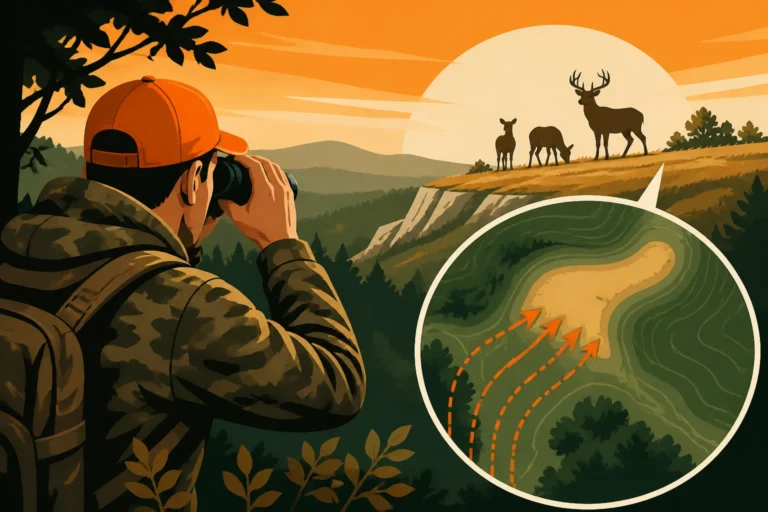
- Scout Ahead (Virtually and Physically): Use online mapping tools like the AGFC map tool or a premium service like GoHunt to scout the WMA and identify potential hunting units. Understand the boundaries, access points, and terrain. Knowing a few backup spots in case your top pick is taken will save you precious decision-making time at the draw. This also ties into understanding general WMA characteristics, such as knowing Hunting Arkansas Flooded Green Timber dynamics for certain waterfowl areas.
- Pack Smartly: Have your gear organized and ready to go. Think about what you'll need while waiting—a thermos of coffee, a headlamp, maybe a small folding chair. Keep your hunting essentials (ammo, calls, decoys, etc.) easily accessible in your vehicle, especially if you’ll be quickly heading to your spot after the draw. Don’t forget your hunter orange if it’s a modern gun deer hunt, or if you're navigating certain areas before Arkansas Waterfowl Shooting Hours begin.
- Food, Water, and Coffee: A long morning demands sustenance. Pack snacks, water, and plenty of coffee or hot chocolate. Staying hydrated and fueled will help you remain patient and focused, even if you’re up since the wee hours. Don't rely on finding a convenience store open at 3 AM near most WMAs.
Arriving Early and Staying Organized
The early bird definitely gets a better experience at the WMA draw, even if it doesn't guarantee a spot.
- Timing is Everything: Arrive well before the designated check-in time. "Early" can mean different things depending on the WMA and the specific hunt, but for popular duck or deer draws, arriving 2-3 hours before the draw officially opens is not uncommon. This gives you time to find parking, get in line, gather your thoughts, and deal with any unexpected issues without feeling rushed. It also allows you to observe the flow and listen for any informal chatter about conditions, which can be invaluable.
- Set Up Efficiently: Once you're in line, get comfortable. This might mean getting your chair out, making sure your headlamp is working, and preparing your license for inspection. Keep your area tidy; you don't want to be that person whose gear is strewn everywhere, tripping others in the dark.
- Know Your Zone Preferences: As mentioned earlier, if the draw assigns specific zones or holes, have your preferences ranked. This comes directly from your scouting efforts. If you've been Scouting Arkansas Public Land Before Season with your GoHunt app, you'll have specific waypoints and contingency plans ready. This speed makes the draw process smoother for everyone involved, not just you.
Post-Draw Actions and Departure
The draw isn't the end; it's just the beginning of your hunting day. How you handle the aftermath is just as important.
- Move Swiftly and Quietly: If you get a spot, congratulations! Now, get to it efficiently. Don't linger and chat loudly, especially if others are still waiting or processing their disappointment. Head directly to your assigned area, respecting other hunters who may have already moved into their spots. Remember the Arkansas Duck Season Splits and the importance of being in your spot and set up well before shooting time.
- Respect Boundaries: Once you're in your designated unit, stay there. Don't creep into adjacent areas, even if you see ducks working a different hole. Those spots were assigned to other hunters, and respecting their space is paramount. This goes for all types of hunting, whether you're deer hunting in the Ozarks or duck hunting in the Delta.
- Clean Up Your Area: Whether you got a spot or not, make sure you leave the check station area cleaner than you found it. Pick up any trash, coffee cups, or discarded snacks. It's a small gesture that reflects positively on all hunters. The AGFC staff work hard to maintain these areas, and it’s our responsibility to help.
- If You Don't Get Drawn, Don't Ruin Others' Hunts: It's tough when you don't get drawn, but don't hang around the check station complaining loudly or driving erratically as you leave. Your disappointment doesn't give you license to disrupt others' experiences. If there are other public lands or general hunting areas available nearby, consider redirecting your efforts there rather than letting the day be a complete bust. Knowing about Modern Gun Tactics on Arkansas Public Land or other methods on general access areas could still save your day.
Here's a quick table to summarize key etiquette points:
| Action / Situation | Do | Don't |
|---|---|---|
| Arrival & Queuing | Arrive early, get in line, be respectful of others' space. | Cut in line, block access, blast music from your vehicle. |
| Interaction with Staff | Have licenses ready, be polite, listen to instructions. | Argue, demand special treatment, ask questions already answered. |
| During the Draw | Respond quickly when called, have your choices ready. | Debate loudly with partners, take excessive time, complain if not drawn. |
| After the Draw | Move efficiently to your spot, clean up your area. | Linger, complain loudly, trespass into other hunters' zones. |
| General Demeanor | Be patient, courteous, and mindful of noise levels. | Be rude, impatient, or disruptive. |
The morning draw on a WMA can be a challenging but rewarding experience. By understanding the system, adhering to the unwritten rules of etiquette, and preparing thoroughly, you not only increase your chances of having a successful hunt but also contribute to a more positive and respectful environment for the entire hunting community in Arkansas. Good luck out there!
Disclaimer
The information provided in this guide is for general informational purposes only and is not intended as legal advice. Hunting regulations, seasons, and licensing requirements are subject to change by the Arkansas Game and Fish Commission (AGFC). Hunters are responsible for consulting the most current AGFC regulations and official publications before participating in any hunting activity. Always prioritize safety and ethical hunting practices.