Arkansas Bear Seasons and Zone Quotas
There's nothing quite like the thrill and challenge of hunting black bear in Arkansas, but let's be honest, trying to navigate the complex web of seasons, zones, and especially those infamous zone quotas can feel like deciphering ancient hieroglyphs. Many of us have faced the frustration of planning a hunt, only to find out a zone closed unexpectedly, or worse, realizing we misunderstood a crucial regulation. This comprehensive guide is here to cut through the confusion, offering a deep dive into everything you need to know about Arkansas bear seasons, the unique zone quota system, and how to stay on the right side of the rules to make your next bear hunt a success.
Understanding Arkansas Bear Hunting: A Historical Perspective
Hunting black bears in Arkansas isn't just about the chase; it's about being part of a incredible conservation success story. For those of us who appreciate the rich wildlife heritage of our state, understanding this journey truly adds to the experience.
From Near Extinction to Thriving Population
It's hard to believe now, but there was a time when the majestic black bear, an animal so integral to our state's identity that Arkansas was once known as "The Bear State," was almost completely wiped out. By the 1950s, the population had dwindled to mere dozens, primarily in the remote, rugged corners of the White River bottoms. Habitat loss, unregulated hunting, and human encroachment had taken a severe toll, pushing these magnificent creatures to the brink.
Imagine a time when seeing a bear in the wild was almost unheard of, a ghost of the past. That's the reality our grandfathers faced. It's a stark reminder of how quickly even robust wildlife populations can disappear without concerted conservation efforts. This historical context is essential because it underscores the importance of the regulations and seasons we follow today.
The Bear State's Comeback Story
Fortunately, a dedicated effort by the Arkansas Game and Fish Commission (AGFC), often referred to as the Arkansas Black Bear Restoration, turned the tide. Starting in 1958 and continuing through the 1960s, a remarkable reintroduction program brought over 250 bears from Minnesota and Canada into the Ozark and Ouachita Mountains. These hardy animals were released into prime habitat, given protection, and allowed to thrive.
The success was nothing short of miraculous. From those few dozen scattered individuals and the reintroduction efforts, Arkansas's black bear population rebounded significantly. Today, we boast one of the healthiest and most robust black bear populations in the entire Southeast, with estimates placing their numbers well over 3,000, and likely much higher. This comeback is a testament to sound wildlife management and the patience of hunters and conservationists alike. It’s a story every hunter should know and be proud to be a part of.
Modern Bear Management Philosophy
The AGFC's modern bear management philosophy is a careful balancing act, aiming to sustain a healthy, huntable population while minimizing human-bear conflicts. It's not about simply letting bears run wild, but rather ensuring their numbers remain within the carrying capacity of the land and that their populations are stable and resilient. This involves ongoing research, habitat protection, public education, and of course, regulated hunting.
The current system, with its specific seasons, zones, and dynamic quotas, is a direct result of this philosophy. It allows for a controlled harvest, ensuring that hunters have opportunities while preventing overharvest in any particular area. This dynamic approach means that regulations aren't set in stone for years on end; they adapt based on population data, harvest success, and overall bear health. It’s a scientific process designed to benefit both bears and the people who appreciate them.
Arkansas Bear Zones Explained: Where the Bears Are
One of the first things you need to wrap your head around when planning an Arkansas bear hunt is the zone system. It’s not a one-size-fits-all approach across the entire state, and for good reason. Understanding the distinct characteristics of each zone is paramount to a successful and legal hunt. If you're looking for a deeper dive into these areas, you might want to check out our guide on the Arkansas Bear Zones Explained.
Geographic Breakdown of Bear Zones
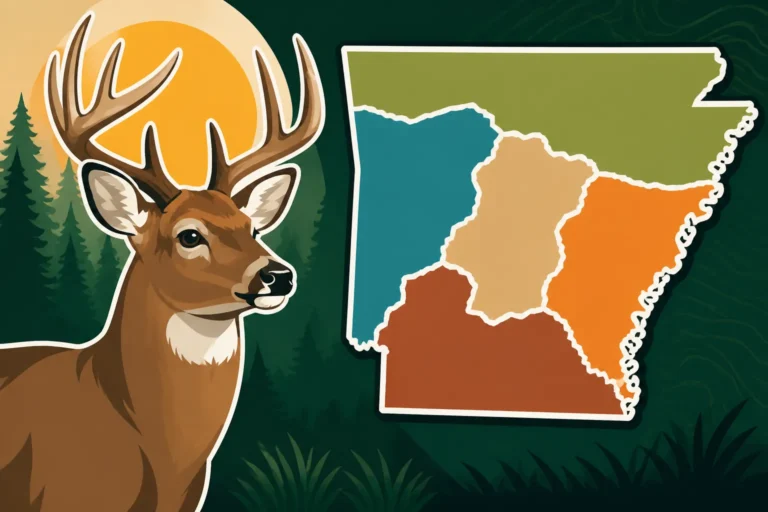
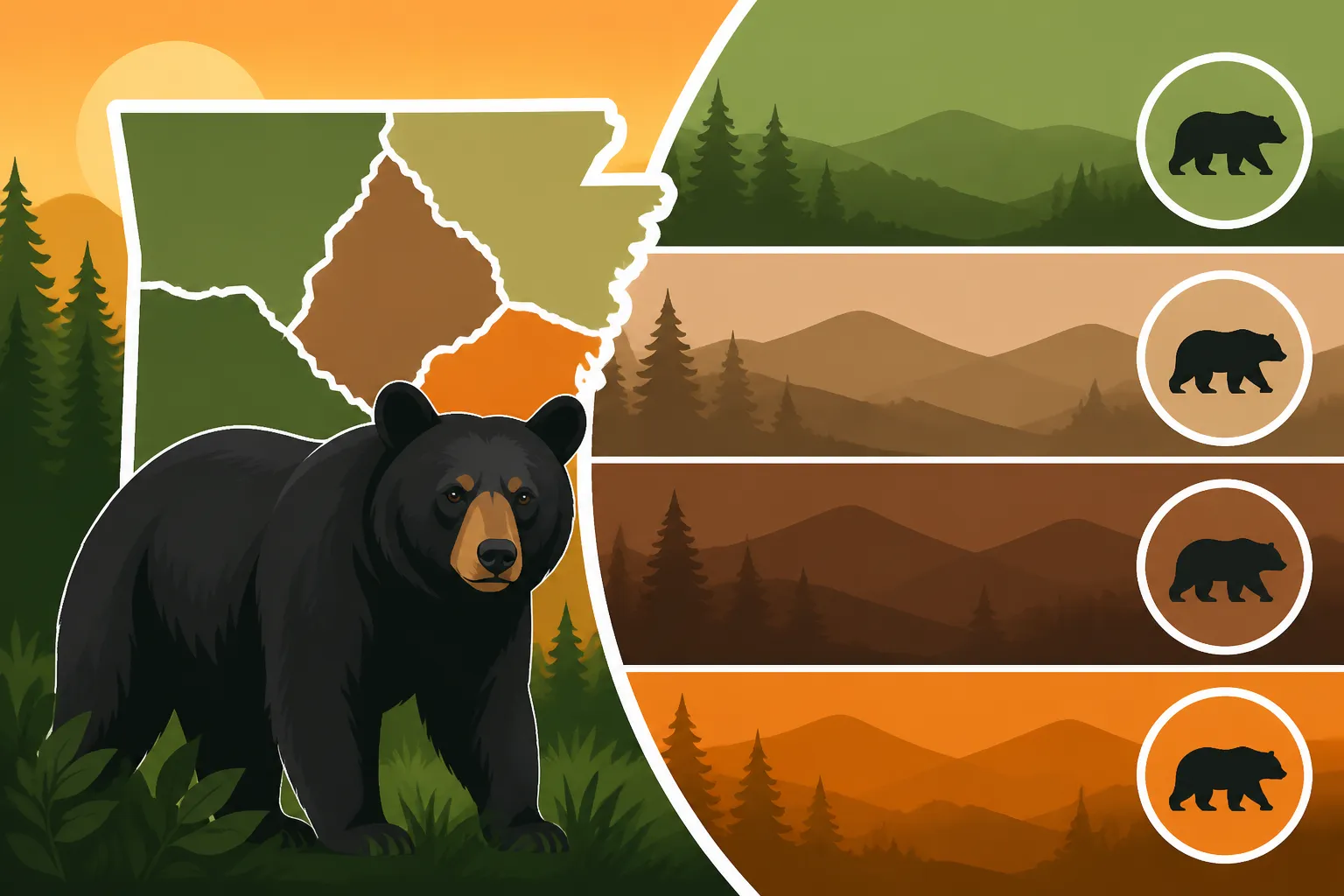
Arkansas is divided into three primary bear zones: Zone 1, Zone 2, and Zone 3. Each zone represents a distinct geographical region with varying bear densities, habitat types, and, consequently, different management strategies and quotas.
Zone 1 primarily encompasses the core of the Ozark Mountains, extending into parts of the Boston Mountains. This is historically our primary bear country, characterized by vast tracts of national forest land, rugged terrain, and abundant hardwoods that provide critical food sources like acorns. If you're thinking "big timber, steep hills, and lots of space," you're probably picturing Zone 1. It’s a challenging but rewarding area to hunt, known for its strong bear population.
Zone 2 is a bit more spread out, covering the Ouachita Mountains and some adjacent areas in west-central Arkansas. While also mountainous, the Ouachitas tend to have more pine plantations mixed with hardwoods, offering a different kind of bear habitat. Bears here often utilize these mixed forests, and population densities can vary. It's still robust bear country, but with its own unique flavor.
Zone 3 is the smallest and newest bear zone, located in the Gulf Coastal Plain region of south Arkansas. This zone has a lower bear density compared to the mountainous regions, reflecting a more recent expansion of the bear population into these areas. Habitat here is typically flatter, dominated by pine forests, bottomland hardwoods, and agricultural lands. It offers a different hunting experience, often requiring different scouting techniques.
Key Differences Between Zones
The differences between these zones go beyond just geography; they impact everything from season length to hunting pressure and, most significantly, those critical harvest quotas. For instance, Zone 1, with its high bear population, often has longer seasons and higher quotas, reflecting the AGFC's ability to allow for a greater harvest without impacting the population's health. You'll find a lot of experienced bear hunters concentrating their efforts here.
Zone 2 also has significant hunting opportunities, but its quotas are typically set in relation to its slightly different population dynamics and habitat availability. Hunters in Zone 2 might find themselves adapting tactics to the mixed pine and hardwood forests. Zone 3, being a newer and lower-density zone, typically has very conservative seasons and quotas. These quotas are often met much faster, making it crucial to stay hyper-vigilant about closures if you plan to hunt there. The AGFC is actively managing this expanding population and often uses these zones to guide that expansion and maintain balance.
Understanding Habitat and Bear Distribution
Bear distribution within each zone is heavily influenced by habitat. Bears are opportunistic omnivores, constantly searching for food, water, and cover. In the Ozarks (Zone 1) and Ouachitas (Zone 2), this means they'll often be found in areas rich in acorns during the fall, or near berry patches in late summer. They'll frequent creek bottoms for water and dense thickets for bedding and security. Using resources like a detailed map tool, such as those provided by GoHunt, can be invaluable for identifying these prime habitat features within your chosen zone.
In Zone 3, in the flatter southern regions, bear movement might be more tied to specific bottomland areas, pine plantations, or even agricultural fields where they can find food. Knowing what bears eat and how their diet changes throughout the year is key to predicting their movements and finding their sign, whether you're looking for bear sign in the Ozarks or scouting river bottoms down south. Understanding these habitat nuances, zone by zone, is truly the foundation of effective bear hunting in Arkansas.
Deciphering Bear Season Dates and Bag Limits
Once you understand the zones, the next step is to nail down the specific season dates and the all-important bag limits. Arkansas offers a variety of hunting methods for bear, catering to different preferences and traditions, but each comes with its own set of rules.
General Archery, Muzzleloader, and Modern Gun Seasons
Arkansas's bear seasons are structured similarly to deer seasons, with distinct periods for archery, muzzleloader, and modern gun hunters. This tiered approach allows for maximum opportunity while still maintaining control over the harvest.
Archery Season: Typically, archery season for bear kicks off in September, often coinciding with the statewide deer archery opener. This can be an incredibly challenging and rewarding hunt, as temperatures can still be quite warm, and bears are actively feeding to pack on fat for winter. Archery season usually runs for an extended period, often through the end of November or even into December, depending on the zone. It provides the longest window of opportunity, but remember, the zone quotas are always in effect, so even during archery season, a zone can close if its quota is met. Bowhunting Arkansas's Five-Month Archery Season for deer will give you a good feel for the general archery framework, even if the bear specifics differ slightly.
Muzzleloader Season: Muzzleloader season for bear typically follows the archery season, often with a shorter window, usually in October. This method bridges the gap between archery and modern gun, offering hunters a chance to use primitive firearms. Muzzleloader hunting requires a different skill set, focusing on single-shot accuracy and close approaches. Again, check your specific zone dates carefully, as they can vary.
Modern Gun Season: Modern gun season is generally the shortest but often the most impactful in terms of harvest. It usually opens in November, coinciding with some of the busiest deer hunting periods. The efficiency of modern firearms means that quotas can be met very quickly during this season, especially in higher-density zones. Hunters participating in Arkansas Modern Gun Deer Hunting will find that bear season often overlays with their deer hunting plans, requiring extra awareness of bear regulations. This is where staying updated on zone closures becomes critically important.
Youth Bear Hunting Opportunities
The AGFC is dedicated to fostering the next generation of hunters, and that includes providing opportunities for youth to pursue bears. There are often specific youth bear hunting dates, usually tied into existing youth deer modern gun hunts or offering a special weekend opportunity.
These youth hunts are invaluable for introducing young hunters to the ethics and excitement of bear hunting under the guidance of experienced adults. The rules typically stipulate that youth hunters must be accompanied by a licensed adult, and all other bear hunting regulations, including zone quotas and checking requirements, still apply. It's a fantastic way to pass on the tradition and instill a deep respect for wildlife. Make sure to check the current year's hunting guide for precise youth hunt dates, as these can shift annually.
The Single Bear Bag Limit
Regardless of the season, method, or zone, the statewide bag limit for black bears in Arkansas is typically one bear per hunter per license year. This means once you've successfully harvested and checked in a bear, your bear hunting season is over for that year.
This single-bear limit is a cornerstone of conservative bear management, ensuring that individual hunters don't take multiple bears and that the overall harvest is spread across more participants. It emphasizes quality over quantity and encourages careful shot selection and ethical hunting. Always be absolutely certain of your target before taking a shot, knowing that you only have one opportunity each season.
The Critical Role of Bear Zone Quotas
This is where things get really interesting – and where many hunters can get tripped up. Arkansas's bear management relies heavily on a dynamic quota system for each bear zone. This isn't just a suggestion; it's a hard limit that can close a season mid-hunt.
How Quotas Protect the Population
Bear zone quotas are the primary mechanism the AGFC uses to control the annual harvest and ensure the long-term health and stability of the black bear population in each specific zone. Unlike deer, which have broad statewide limits, bears reproduce more slowly and are more susceptible to overharvest if not managed carefully.
The quota for each zone is determined based on extensive research, including population estimates, cub production rates, habitat quality, and previous harvest data. It's a science-backed number representing the maximum sustainable harvest for that particular area. By setting and strictly enforcing these quotas, the AGFC can prevent localized overharvest and allow populations to continue to grow or remain stable where desired. It’s a proactive conservation measure that benefits both the bears and future hunting opportunities.
Factors Influencing Quota Setting
Several factors go into calculating those crucial bear zone quotas each year. First and foremost are the population estimates. The AGFC uses various methods, including mark-recapture studies, den checks, and population modeling, to get a handle on how many bears are in each zone. A robust population can sustain a higher quota.
Food availability is another huge factor. In years with poor acorn crops, bears might be more active earlier in the season, seeking food, which could lead to a higher harvest rate. Conversely, abundant food might keep bears more spread out and less susceptible to harvest. Weather also plays a role; extremely warm early seasons, for instance, might reduce hunter effort or change bear behavior. The AGFC's biologists are constantly monitoring these variables to make informed decisions about quotas, adjusting them as needed from year to year to ensure sustainability.
Quota Monitoring and Dynamic Closures
This is the most critical piece of information for any Arkansas bear hunter: the zone quotas are dynamic. This means that once the reported harvest within a specific zone reaches its predetermined quota, that zone is immediately closed to bear hunting, regardless of whether the published season dates have ended. This is why our article on How a Bear Zone Closes Mid-Season is such an essential read.
The AGFC actively monitors the reported bear harvest daily, sometimes even hourly, during peak hunting periods. When a zone approaches its quota, they issue alerts. Once the quota is met, they announce the closure, which typically goes into effect at midnight on the day the quota is hit. This system is designed to be responsive, ensuring that conservation goals are met in real time. It means you can't just look at the calendar; you must check the current status of your zone frequently, especially during modern gun season.
Checking Zone Closures: Staying Legal and Informed
Given the dynamic nature of Arkansas bear zone quotas, knowing how and where to check for closures isn't just good practice—it's absolutely essential for staying legal and avoiding potential violations. Imagine spending days scouting, setting up a perfect stand, and then realizing your zone closed yesterday. It happens, and it's a miserable feeling.
Real-Time Information Sources
The Arkansas Game and Fish Commission provides several reliable, real-time sources for checking bear zone statuses. These are your go-to resources:
- AGFC Website: The official AGFC website is the most comprehensive source. They typically have a dedicated "Bear Harvest Update" or "Quota Zone Status" page that is updated constantly during bear seasons. This page will clearly show each zone's quota, the current harvest, and whether it's open or closed. Make it a habit to check this page daily, or even multiple times a day, if you're actively hunting.
- AGFC Social Media: The AGFC often posts immediate updates and closure announcements on its official Facebook and Twitter (now X) accounts. Following these pages can provide instant notifications, which can be invaluable, especially when you're in the field with limited internet access.
- AGFC Mobile App: The official AGFC mobile application is a fantastic tool for hunters. It allows you to check in game, purchase licenses, and, crucially, access real-time information on season dates and zone closures directly from your smartphone. This is arguably the most convenient way to stay informed when you're out in the woods. Many hunters use mapping applications like GoHunt in conjunction with the AGFC app to ensure they are fully informed about regulations and property boundaries.
- Local Wildlife Offices: While less immediate, calling your local AGFC wildlife office can also provide up-to-date information, particularly if you have specific questions. However, during busy periods, online or app resources are generally faster.
Planning Your Hunt Around Potential Closures
Understanding the potential for mid-season closures should directly influence your hunt planning, especially if you're targeting a zone with a lower quota or during the modern gun season.
Consider these strategies:
- Early Season Focus: If a specific zone is your primary target, consider hunting earlier in the season (e.g., during archery) when quotas are less likely to be met quickly. This gives you a longer window and reduces the pressure of daily checks.
- Backup Plans: Always have a backup plan. If you're hunting near a zone boundary, know the regulations and status of the adjacent zone. If your primary zone closes, could you legally shift your efforts to another open zone? (Remember, you can only harvest one bear per year).
- Information Sharing: If you're hunting with a group, designate one person to be the "information central" responsible for checking the AGFC website or app regularly and relaying updates to the team.
- Time Off Considerations: If you've taken vacation days specifically for bear season, be prepared for the possibility that your chosen zone might close sooner than anticipated. This is just part of hunting in a quota system.
The Consequences of Not Checking
Failing to check the current status of a bear zone can lead to serious consequences. Harvesting a bear in a closed zone is a violation of game laws, and ignorance of the law is never a valid excuse. The penalties can include significant fines, confiscation of your harvested bear, loss of hunting privileges, and even jail time in severe cases.
Beyond the legal ramifications, it's an ethical lapse. Hunting in a closed zone undermines the conservation efforts designed to protect the very resource you're pursuing. It disrespects the hard work of the AGFC biologists and the intentions of fellow hunters who adhere to the rules. Always prioritize staying informed and compliant; it's a fundamental responsibility of being a hunter in Arkansas.
The Bear Harvest Check-In Process
Congratulations, you've harvested an Arkansas black bear! Now what? The process isn't over when the animal hits the ground. Checking in your bear is not only a legal requirement but a vital component of the AGFC's bear management program. Understanding this process is key to fulfilling your responsibilities as a hunter. For a more detailed look, our guide on Arkansas Bear Checking Requirements delves into the specifics.
Mandatory Reporting and What It Entails
Every single black bear harvested in Arkansas must be reported to the AGFC within 12 hours of harvest. This isn't a suggestion; it's a mandatory rule designed to ensure accurate harvest data is collected. This data is critical for monitoring the quota system and making future management decisions.
The reporting process typically involves providing information such as the hunter's name and license number, the date and time of harvest, the county and zone where the bear was taken, the sex of the bear, and the hunting method used. You'll also be required to obtain a confirmation number, which verifies that you have legally reported your harvest. Keep this confirmation number handy, as you may need it later.
Why Checking In is Crucial for Management
Think of each checked-in bear as a vital piece of a much larger puzzle. Without accurate and timely harvest data, the AGFC's ability to manage the bear population effectively would be severely hampered. The data from checked-in bears directly informs the following:
- Quota Management: Every reported bear contributes to the running tally for its specific zone. This real-time data allows the AGFC to know precisely when a zone's quota has been met, triggering the necessary closure. Without prompt check-ins, zones could remain open past their sustainable harvest limit, leading to overharvest.
- Population Health Assessments: By analyzing the sex, size, and age (determined from a tooth collected at check stations) of harvested bears over time, biologists can assess the overall health, age structure, and reproductive success of the population. This helps them understand if the population is growing, stable, or declining.
- Habitat Management: Harvest data can also provide insights into bear distribution and habitat use, helping the AGFC identify key areas for conservation and management efforts.
- Public Perception: A well-managed bear program, supported by transparent data, helps maintain public support for bear hunting as a valuable conservation tool.
What Happens at a Check Station (or Online)
While online and phone reporting is the initial step, you’ll also need to physically check in your bear, typically at an AGFC check station or designated drop-off point, within 24 hours of harvest. This secondary step is where more detailed biological data is collected.
When you arrive at a check station, a wildlife biologist or technician will perform several tasks:
- Verification: They will verify your identity, license, and the initial harvest report confirmation number.
- Sex Verification: The sex of the bear will be verified.
- Tooth Collection: A premolar tooth will be extracted from the bear. This tooth is later analyzed in a lab to accurately determine the bear's age, which is incredibly important for population modeling.
- Measurements and Weight (Optional): In some cases, the bear may be weighed and measured.
- Tagging: The bear will be tagged or marked to indicate it has been legally checked.
For hunters using the AGFC app or online system for initial reporting, you’ll still need to follow up with the physical check-in at a designated location. The online system makes the initial 12-hour report much easier, but the biological sample collection is just as critical. This comprehensive check-in system, both digital and physical, is a cornerstone of responsible bear management in Arkansas.
Ethical Hunting and Conservation: Sustaining Arkansas's Bear Population
Hunting isn't just a recreational activity; it's a vital component of wildlife conservation. For species like the black bear, which faced near extinction, ethical hunting practices are paramount to ensuring a healthy, sustainable population for future generations.
Responsible Hunting Practices
Being a responsible bear hunter goes beyond simply following the regulations; it encompasses a deeper commitment to ethical conduct in the field.
- Shot Placement: The number one ethical consideration is to strive for a quick, humane kill. This means taking shots only when you have a clear, unobstructed path to the vital organs. Practicing extensively with your chosen weapon and understanding bear anatomy, as detailed in guides like Shot Placement on a Black Bear, is critical. Avoid risky shots that could wound an animal and lead to a difficult or unsuccessful recovery.
- Respect for the Animal: Treat the harvested animal with respect. This includes proper field dressing, care of the meat and hide, and utilizing as much of the animal as possible. A bear is a magnificent creature, and its sacrifice should never be taken lightly.
- Fair Chase: Adhere to fair chase principles. This means not taking unfair advantage of an animal. While bear baiting rules in Arkansas allow for baiting in specific zones, even with bait, the hunter should ensure a challenging and respectful hunt. This also extends to knowing your effective range and not shooting beyond it.
- Landowner Relations: If you are hunting on private land, always secure proper permission and respect the landowner's property. Leave gates as you found them, don't litter, and report any suspicious activity. Good relationships with landowners are crucial for maintaining access for all hunters.
Understanding Bear Behavior and Biology
The more you understand black bears, the better hunter you become, and the more you appreciate their role in the ecosystem. Bears are incredibly intelligent and adaptable animals, and their behavior changes throughout the seasons.
- Seasonal Movements: In early fall, bears are often intensely focused on hyperphagia – consuming massive amounts of calories to build up fat reserves for hibernation. This means they'll be found in areas with abundant food sources like acorns, persimmons, and agricultural crops. As winter approaches, their activity might decrease, and they'll start looking for denning sites.
- Diet: Black bears are omnivores, meaning they eat both plants and animals. Their diet is largely plant-based, consisting of berries, nuts, roots, and grasses, but they will also opportunistically consume insects, carrion, and occasionally fawns or other small mammals. Knowing what natural food sources are available in your hunting area can help you locate bears, especially when hunting Arkansas bear over natural food.
- Sensory Abilities: Bears have an incredible sense of smell, far superior to a dog's, which they use extensively for finding food and detecting danger. They also have excellent hearing and decent eyesight, especially at close range. Understanding these senses helps you plan your approach, wind direction, and concealment.
The Hunter's Role in Conservation
Hunters are, and always have been, the original conservationists. Our passion for wildlife drives our desire to protect it, and our hunting license fees directly fund the vital work of agencies like the AGFC.
- Funding Conservation: A significant portion of the revenue generated from hunting licenses, tags, and excise taxes on hunting equipment (through the Pittman-Robertson Act) goes directly into wildlife research, habitat acquisition and management, and enforcement efforts that benefit bears and countless other species.
- Data Collection: As discussed, your timely and accurate check-in of a harvested bear provides invaluable data for biologists, allowing them to make informed decisions for population management. This direct contribution to scientific understanding is a powerful aspect of conservation.
- Advocacy: Hunters are often the strongest advocates for wildlife and wild places. By engaging in responsible hunting, respecting wildlife regulations, and promoting ethical behavior, we ensure a positive public perception of hunting and continue to be a voice for conservation. The long-term success of the Arkansas black bear population is a testament to this partnership between hunters and wildlife managers.
Common Challenges and Tips for Arkansas Bear Hunters
Hunting black bears in Arkansas can be an incredibly rewarding experience, but it often comes with unique challenges. Being prepared for these can make all the difference between a frustrating trip and a successful hunt.
Navigating Terrain and Access
Arkansas bear country, especially in Zones 1 and 2, is often synonymous with rugged, steep, and remote terrain. This is not flat-land hunting.
- Ozark and Ouachita Mountains: Expect significant elevation changes, rocky ground, and dense timber. This requires physical fitness and appropriate gear, including sturdy hiking boots, navigation tools, and a reliable backpack. Finding access can also be tricky; public lands like the Ozark National Forest and Ouachita National Forest offer vast opportunities, but getting off the beaten path is usually key to finding undisturbed bears. Learning to read an Ozark bench for deer, for instance, can also help you identify prime bear travel corridors.
- Delta Regions (Zone 3): While less mountainous, Zone 3 presents its own challenges. You'll deal with thicker cover, potentially swampy conditions, and a patchwork of private land. Access might be more limited to specific logging roads or public land parcels. Hunters in these areas need to be prepared for mosquitoes, ticks, and navigating dense undergrowth.
- Using Mapping Tools: Advanced mapping applications, like those available from GoHunt, are indispensable. They allow you to study topography, identify public land boundaries, locate potential food sources (like oak flats or persimmon thickets), and plan entry and exit routes. This is especially crucial for still-hunting Arkansas pine country or navigating dense bottomland hardwoods. Don't rely solely on paper maps; a GPS-enabled app can save you a lot of grief.
Dealing with Weather and Conditions
Arkansas weather during bear season can be incredibly unpredictable, ranging from scorching early-season heat to late-season freezes.
- Early Season Heat: If you're hunting archery season in September, expect warm, humid conditions. This impacts both hunter comfort and game care. Hydration is crucial, and you'll need a solid plan for Field Dressing in Arkansas Heat and quickly cooling your bear meat to prevent spoilage. Consider hunting early mornings and late evenings when bears are more active and temperatures are cooler.
- Mid-Season Variability: October and November can bring anything from crisp autumn days to heavy rain and sudden cold snaps. Be prepared to layer clothing, and have rain gear readily available. Muddy roads can limit access, so a reliable 4×4 vehicle is often a necessity.
- Late Season Cold: As modern gun season progresses into late November and December, temperatures can drop significantly. Dressing warmly in layers, having hand warmers, and being prepared for potential ice or snow is important. However, colder weather can also make bears more active as they frantically search for last-minute food before denning, and tracking can be easier.
- Water Levels: In low-lying areas, especially in Zone 3, significant rainfall can lead to flooding, impacting access and bear movements. Always check local weather and river levels if hunting in these regions.
Hunting Strategies for Different Zones
Successful bear hunting often means adapting your strategy to the specific zone and conditions you're facing.
- Spot and Stalk (Ozarks/Ouachitas): In the more open, mountainous terrain of Zones 1 and 2, spot and stalk can be an effective method, especially in areas with good visibility like cutovers or clearings. This involves slowly moving through prime habitat, glassing frequently, and using wind and thermals to your advantage. Finding good vantage points and Scouting Arkansas Public Land Before Season to identify feeding areas is key.
- Stand Hunting (All Zones): Sitting in a treestand or ground blind near known food sources, travel corridors, or water sources is a popular and effective method across all zones. This is especially true for those utilizing Arkansas Bear Baiting Rules where permitted. Ensure your treestand setup is safe and offers a clear shot. In the Delta, brushing in a blind on a levee or hunting along field edges can be productive.
- Still Hunting (All Zones): This involves moving very slowly and deliberately through the woods, pausing frequently to observe and listen. It's an excellent method for covering ground quietly and surprising bears in their natural environment. It requires extreme patience and attention to detail.
- Dogs (Limited Zones): While not permitted statewide, bear hunting with dogs is a tradition in certain areas of Arkansas. If allowed in your zone, this can be an incredibly effective method, but it comes with its own complex rules and requires specialized equipment and trained hounds. Always check the current regulations regarding using dogs for bear hunting in your specific zone.
Remember, every hunt is a learning experience. Pay attention to bear sign, learn from your observations, and adapt your approach. With diligent preparation and adherence to regulations, your Arkansas bear hunting adventure can be both successful and deeply satisfying.
Arkansas Bear Hunting Seasons and Zone Quotas Table
To help summarize and quickly reference the complex information regarding Arkansas bear seasons and quotas, here’s a simplified table. Please remember that this table provides general guidelines, and official AGFC regulations and real-time quota closures always take precedence. Always consult the current Arkansas Hunting Guidebook and the AGFC's live harvest updates before heading into the field.
| Feature / Zone | Bear Zone 1 (Ozarks) | Bear Zone 2 (Ouachitas) | Bear Zone 3 (Gulf Coastal Plain) |
|---|---|---|---|
| Primary Geographic Area | Ozark Mountains, Boston Mountains | Ouachita Mountains, West-Central Arkansas | South Arkansas, Gulf Coastal Plain |
| Estimated Population | High Density | Moderate to High Density | Lower Density, Expanding Population |
| Typical Archery Season | Sept – Nov/Dec (Longer) | Sept – Nov/Dec (Longer) | Sept – Oct (Shorter, sometimes by draw/permit) |
| Typical Muzzleloader | October (Shorter window) | October (Shorter window) | October (Very limited, sometimes by draw/permit) |
| Typical Modern Gun | November (Moderate window) | November (Moderate window) | November (Very short, often quota-driven) |
| Annual Quota | Higher, managed for sustainable harvest | Moderate, managed for sustainable harvest | Very Low, highly conservative harvest |
| Quota Closure Risk | Moderate to High, especially during modern gun | Moderate, especially during modern gun | Very High, closes quickly due to low quota |
| Bag Limit | One (1) bear per hunter per license year (statewide) | One (1) bear per hunter per license year (statewide) | One (1) bear per hunter per license year (statewide) |
| Mandatory Check-in | Within 12 hours of harvest (report online/phone) and physical check-in within 24 hours at AGFC station/drop-off. | Within 12 hours of harvest (report online/phone) and physical check-in within 24 hours at AGFC station/drop-off. | Within 12 hours of harvest (report online/phone) and physical check-in within 24 hours at AGFC station/drop-off. |
| Baiting Allowed? | Yes, with specific regulations | Yes, with specific regulations | Yes, with specific regulations |
| Hunting with Dogs? | Yes, with specific regulations | Yes, with specific regulations | Yes, with specific regulations |
Important Considerations:
- Annual Changes: Season dates and quotas are reviewed and can change annually. ALWAYS verify with the latest AGFC regulations.
- Real-time Updates: Continuously monitor the AGFC website or app for real-time quota updates and zone closures, especially during modern gun seasons. A zone can close without prior notice if the quota is met.
- License & Permits: Ensure you have the appropriate hunting license and bear permit before going afield.
Disclaimer
The information provided in this guide is for general informational purposes only and is not intended to be legal advice. Hunting regulations in Arkansas can change, and it is the hunter's sole responsibility to consult the current Arkansas Game and Fish Commission hunting regulations, proclamations, and zone updates before engaging in any hunting activity. Failure to do so may result in penalties.