Arkansas Spring Turkey Zones
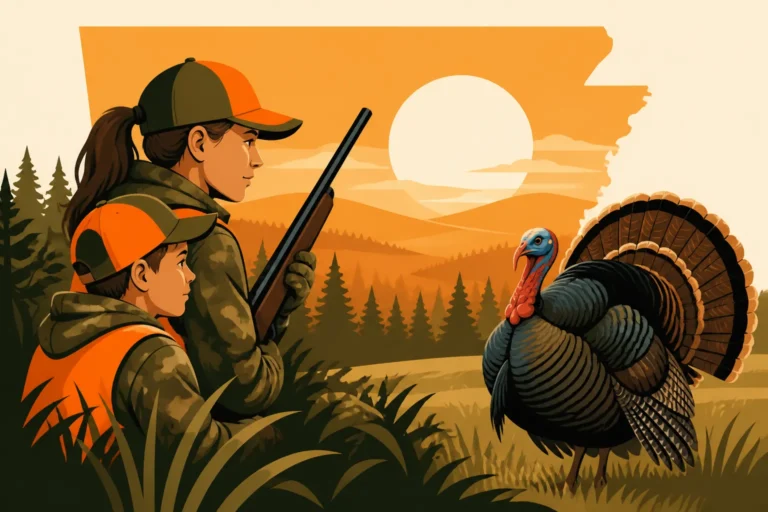
It’s easy to feel overwhelmed when you first dive into turkey hunting in Arkansas. You’ve heard the tales of gobblers echoing through the Ozarks or booming across the Delta, but then you open the regulations and see mentions of "Zone 1," "Zone 2," and "Zone 3," and suddenly, it feels like you need a geography degree just to know where to start. This guide is here to break down Arkansas's spring turkey zones, helping you understand what they mean for your hunt, so you can focus on finding that wary old tom.
Understanding Arkansas's Turkey Management Strategy
Arkansas isn't just one big, homogenous block when it comes to wildlife. The state boasts incredibly diverse landscapes, from the rugged mountains of the Ozarks to the flat, fertile farmlands of the Delta. This variety in habitat, coupled with differing turkey population densities and recovery rates across regions, necessitates a tailored approach to wildlife management. The Arkansas Game and Fish Commission (AGFC) employs a zoning system for spring turkey season specifically to address these regional differences, aiming to sustain healthy turkey populations while providing ample hunting opportunities.
The Rationale Behind Zone Divisions
Think of these zones as management units, each with its own unique characteristics that influence turkey behavior and population dynamics. In areas where turkey numbers might be thriving, like some parts of the Ouachita Mountains, a longer season or higher bag limit might be permissible. Conversely, regions experiencing slower recovery or facing specific environmental challenges, such as parts of the Ozarks that have seen fluctuations in turkey numbers, might have more conservative regulations to protect the breeding stock. This isn't about making your life harder; it's about ensuring future generations of hunters will still have a robust turkey resource to enjoy. The AGFC continually monitors population trends, brood surveys, and harvest data to fine-tune these zones and their associated rules, adapting to what the turkeys and their habitats tell them.
Historical Context of Turkey Zones
The concept of dividing Arkansas into turkey zones isn't new; it's evolved over decades as the AGFC gained a deeper understanding of the state's turkey populations. Back in the day, wild turkeys were nearly extirpated from Arkansas due to unregulated hunting and habitat loss. A massive restoration effort, including trap-and-transfer programs, brought them back from the brink. As turkey populations rebounded in different areas at different rates, it became clear that a one-size-fits-all approach to hunting regulations wouldn't work. The zone system allows for adaptive management, meaning that if a particular area needs more protection or can sustain more harvest, the regulations for that specific zone can be adjusted without impacting the entire state. This flexible framework has been critical in supporting the long-term health of our wild turkey flocks, allowing for localized adjustments based on what the biologists observe on the ground. You can learn more about these fluctuations by looking into the Arkansas Turkey Population Trends.
Delving into Arkansas's Spring Turkey Zones
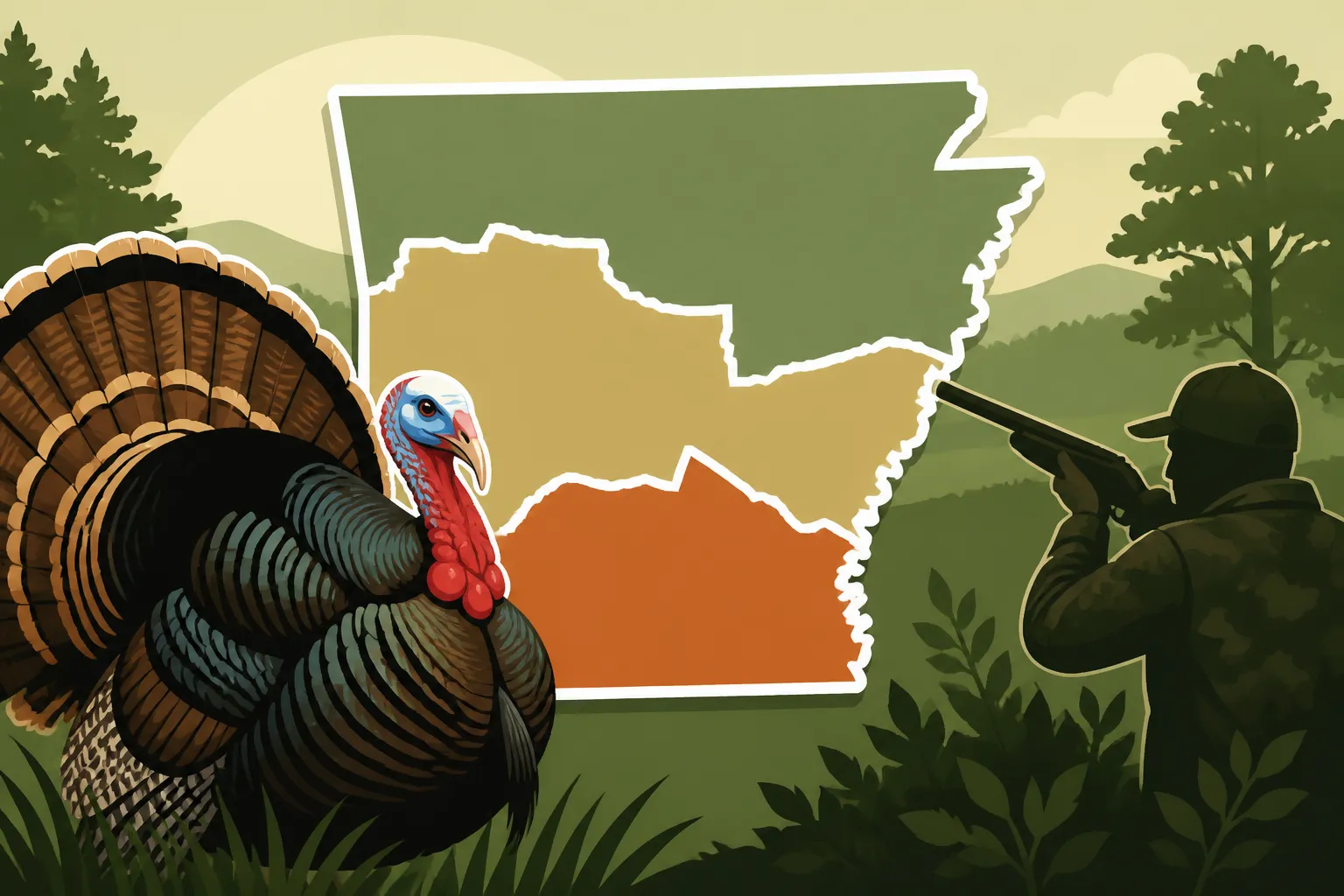
Arkansas's spring turkey season is typically divided into three primary zones, each encompassing distinct geographic and ecological characteristics. Understanding these zones is your first step to a successful and legal hunt. Each zone presents its own challenges and rewards, shaped by the landscape, hunting pressure, and turkey behavior unique to that region.
Zone 1: The Ozark Highlands
Zone 1 covers a significant portion of northern Arkansas, primarily encompassing the rugged, forested terrain of the Ozark Mountains. This area is characterized by steep ridges, deep hollows, hardwood forests dominated by oaks and hickories, and numerous clear, spring-fed streams. Hunting here can be physically demanding, requiring hunters to navigate challenging topography. Turkeys in Zone 1 often respond well to traditional calling tactics, but their movements can be influenced by scattered food sources and widespread habitat. Due to the generally lower turkey densities compared to some other regions and the slower recovery of populations in certain areas, Zone 1 has historically had the most conservative regulations, often with a later opening date or shorter season length than the other zones. Hunters in this zone frequently encounter birds that are more spread out, making scouting before the season opens absolutely critical. If you're planning to hunt here, make sure you're prepared for significant elevation changes. This region is home to some fantastic opportunities for Calling Arkansas Gobblers in the Ozarks.
Zone 2: The Ouachita Mountains and West Central Hills
Stretching across west-central Arkansas, Zone 2 primarily includes the Ouachita Mountains and the surrounding foothills and mixed pine-hardwood forests. This zone offers a slightly different landscape than the Ozarks, with more pronounced pine stands interspersed with hardwoods, creating diverse habitat. The terrain, while still mountainous, can be a bit more rolling in places, but don't let that fool you – there are still plenty of steep climbs and thick cover. Turkey populations in Zone 2 are often robust, and the mix of habitat provides excellent food and roosting opportunities. Regulations in Zone 2 typically fall somewhere between Zone 1 and Zone 3 in terms of season length and bag limits, balancing conservation with ample hunting opportunities. You'll find a good blend of public and private land hunting here, from sprawling National Forests to timber company lands. Hunters often find success by adapting their strategies for both pine plantations and hardwood bottoms, sometimes incorporating tactics discussed in Turkey Tactics in Arkansas Pine Plantations.
Zone 3: The Delta and East Arkansas
Zone 3 encompasses the flat, fertile plains of eastern Arkansas, often referred to as the Delta. This region is a stark contrast to the mountainous zones, dominated by vast agricultural fields, bottomland hardwood forests, and numerous rivers, bayous, and sloughs. Turkeys in Zone 3 are heavily influenced by agricultural practices, often roosting in timber lines along fields and feeding in open areas. This zone traditionally boasts high turkey populations and some of the earliest season openers and most generous bag limits, reflecting the abundant food sources and prime habitat found in the region. Hunting here often involves setting up on field edges, utilizing natural cover along waterways, or navigating flooded timber. While the terrain is flatter, accessing certain areas can be challenging due to water levels or dense brush. Understanding Turkey Tactics for Delta Field Edges is particularly crucial for success in this zone.
Key Differences and Regulations by Zone
The beauty and complexity of Arkansas's spring turkey hunting lie in these zonal distinctions. Failing to understand them can lead to a frustrating, or worse, illegal hunt. It’s not enough to simply know where the zones are; you need to grasp the specific rules that apply to each. The Arkansas Game and Fish Commission publishes detailed annual proclamations, and these are your ultimate source of truth, as dates and rules can shift from year to year.
Bag Limits and Season Dates by Zone
The most apparent differences between the zones are the specific season dates and bag limits. For example, Zone 1 (Ozarks) often has a slightly delayed opening date compared to Zone 2 and Zone 3, reflecting the cooler temperatures and later spring green-up that can impact turkey breeding cycles. The season length can also vary, with Zone 1 sometimes offering a shorter window. When it comes to the bag limit, hunters are typically allowed to harvest one legal gobbler during the first week of the statewide season, with a total of two legal gobblers for the entire spring season, regardless of zone. However, these regulations are subject to change, so always double-check the current "Arkansas Turkey Bag and Daily Limits" before heading afield. The reasoning for these variations is rooted in biological data: areas with thriving populations can sustain more harvest, while those undergoing recovery or facing environmental stressors require more conservative limits.
It’s crucial to remember that your statewide bag limit (e.g., two adult gobblers for the season) applies across all zones. You can't kill two in Zone 1 and then two more in Zone 2; it's a cumulative total. This means strategic planning is essential, especially if you plan to hunt multiple zones. For instance, if you tag an early bird in Zone 3, you'll only have one more tag remaining for the rest of your season, no matter where else you hunt. This aspect of the regulations underscores the importance of proper game checking, which we'll touch on later.
Weapon Restrictions and Hunter Orange Rules
While the general weapon restrictions for spring turkey hunting (shotguns, archery equipment, muzzleloaders, etc.) remain consistent statewide, it's always wise to re-familiarize yourself with the specifics. For example, centerfire or rimfire rifles are generally not allowed for spring turkey hunting in Arkansas, regardless of zone. This focus on closer-range weaponry promotes ethical harvest and helps prevent accidental shooting of hens. Always verify the legal firearms for Arkansas Deer and other species, as those rules often differ significantly.
Regarding hunter orange, the requirements can vary depending on the specific hunting area, but for spring turkey, generally, hunters are not required to wear hunter orange. This is because turkeys have incredibly keen eyesight, and bright colors would put hunters at an immediate disadvantage. However, if you are hunting on a Wildlife Management Area (WMA) where other seasons might overlap, or during a special permit hunt, always check the specific WMA regulations. For youth hunters participating in special Youth Turkey Hunt Weekends, general statewide rules apply, but parents or mentors should always prioritize safety and clearly communicate weapon and hunting area rules.
Public vs. Private Land Implications
The zone boundaries themselves don't differentiate between public and private land, but the availability of these lands varies significantly by zone. In Zone 1 (Ozarks) and Zone 2 (Ouachitas), you'll find extensive public land opportunities within the Ouachita and Ozark National Forests, as well as various WMAs. This means more access, but often more hunting pressure, especially on opening weekend.
In Zone 3 (Delta), while there are critical WMAs like Bayou Meto and Dave Donaldson Black River, a larger percentage of the land is privately owned and actively farmed. Gaining permission on private land in the Delta can be more challenging but often yields incredible hunting experiences with less pressure. Using a tool like GoHunt can be incredibly beneficial here, as it allows you to overlay private and public land boundaries with turkey zones, helping you identify potential access points or private landowners to contact. Remember, whether on public or private ground, always abide by Arkansas’s trespass and permission law and respect landowner rights.
Navigating Your Hunt with Zone Knowledge
Understanding the "what" and "where" of Arkansas's spring turkey zones is just the beginning. The real art of hunting is applying that knowledge to your actual time in the woods. Each zone, with its unique characteristics, demands a slightly different approach to scouting, planning, and execution.
Scouting and Pre-Season Planning per Zone
Effective scouting is paramount to spring turkey hunting success, and it needs to be tailored to the specific zone you're targeting. In Zone 1 (Ozarks), for instance, pre-season scouting might involve extensive hiking to locate roosting areas on steep slopes, identifying travel corridors along benches, and finding scratch marks in mature timber where turkeys are feeding on acorns and insects. You'll want to pay close attention to the topography and potential thermal changes in the hollows and ridges. For a Zone 3 (Delta) hunt, scouting will look very different. You'll likely be driving county roads, looking for fresh tracks along dusty field edges, identifying specific timber blocks where birds might roost, and noting any areas with significant water fowl or other food sources. Here, access to private land might be key, so scouting could also involve door-knocking to secure permission. Remember, whether you're climbing mountains or walking levees, good scouting helps you put birds to bed and locate morning strut zones before the season even begins.
Using Mapping Tools for Zone Boundaries
In today's hunting world, mapping applications are indispensable, especially when dealing with zonal regulations. Tools like GoHunt are invaluable for identifying precise turkey zone boundaries right on your phone or GPS device. You can layer public land ownership, private parcels, and even habitat types on top of these zone lines, giving you a comprehensive view of your hunting area. Imagine being able to see exactly where Zone 2 ends and Zone 1 begins on a detailed topo map, ensuring you don't inadvertently cross into an area with different season dates or bag limits. GoHunt allows you to mark potential roost sites, pinpoint listening points, and even track your movements, all while staying informed about the specific regulations applicable to your exact location. This level of detail removes much of the guesswork and helps prevent accidental violations, allowing you to focus on the hunt.
Adapting Tactics to Zone-Specific Habitats
Your hunting tactics should be as diverse as Arkansas's turkey zones. In the dense, hilly terrain of Zone 1, a more mobile, run-and-gun approach might be effective, covering ground and trying to strike a gobble. You'll need to use locator calls to pinpoint birds in the vast woodlands and be ready to move quickly and quietly through the timber. The key here is often patience and persistence, sometimes walking miles to find a responsive bird. For Zone 2, a mix of aggressive calling in pine thickets and more subtle approaches in hardwood bottoms might be the ticket. You'll want to be mindful of how sound travels differently in these varied landscapes. In Zone 3, where birds often prefer field edges or scattered timber, setting up a ground blind or brushing in a hide along a travel corridor might be more productive. Calling can be more aggressive in open terrain, and decoys can be incredibly effective here. Regardless of the zone, understanding Hunting the Arkansas Rut by Zone can give you an edge, as peak breeding activity influences gobbler behavior differently depending on the specific region. Each habitat dictates subtle shifts in your calling, setup, and movement strategy.
Common Challenges and Expert Tips for Each Zone
Even with all the knowledge in the world, turkey hunting is tough, and each zone in Arkansas presents its own unique set of challenges. Knowing what to expect and having a few tricks up your sleeve can make all the difference between going home empty-handed and tagging a gobbler.
Dealing with Pressure in High-Traffic Zones
Let’s be honest, if an area consistently produces good turkeys, it's going to draw a crowd. This is especially true on opening weekend and during Arkansas Archery Deer Season Structure overlaps on popular WMAs in all zones. In Zone 1 and 2, public lands like the National Forests can see significant pressure. The key to success here often involves getting further off the beaten path than others, literally walking past easy access points to find areas fewer hunters are willing to trek into. Don't be afraid to put in the miles. Early morning starts are non-negotiable, not just to be there when birds gobble, but to beat other hunters to prime locations. In Zone 3, where private land dominates, pressure can come from neighboring properties, or within smaller public land parcels. Consider mid-week hunts if possible, and don’t be afraid to explore areas that might seem less appealing at first glance – sometimes those overlooked spots hold the least pressured birds. Also, be mindful of your calling; over-calling pressured birds can often shut them down.
Reading Terrain and Turkey Behavior Across Zones
Turkeys behave differently depending on the landscape, and mastering this is a lifetime pursuit. In the mountainous terrain of Zone 1 and 2, understanding how to read an Ozark bench for deer applies equally well to turkeys. Birds will often travel along contours, making these benches prime locations for ambushes. They'll also use saddles and creek bottoms as travel routes between roosting and feeding areas. Pay attention to thermals; warm air rises in the morning, carrying your sound up, while cool air sinks, carrying scent and sound down. In the flat Delta of Zone 3, the "terrain" is defined by subtle elevation changes, timber lines, and water. Birds will often strut in open fields, then retreat to dense cover or flooded timber for roosting or mid-day loafing. Reading an Entry Routes Through Flooded Timber or understanding where Delta bucks bed in standing water offers insights into how turkeys might use these environments. Learn to recognize key features like isolated oak stands for feeding or dense cane breaks for security.
Legalities and Checking Your Turkey
Beyond just knowing the zone boundaries and season dates, it's absolutely critical to understand the full scope of Arkansas Turkey Checking Rules. Once you've successfully harvested a gobbler, the legal steps you take immediately after are as important as the hunt itself. First and foremost, you must immediately attach your valid turkey tag to the bird. Then, within the specific timeframe outlined by the AGFC (often by midnight on the day of harvest), you must check your turkey. This can usually be done online through the AGFC website, via their mobile app, or by calling a toll-free number. This process records your harvest and helps the AGFC collect vital data on turkey populations. Failing to properly tag and check your turkey is a serious violation. So, before you head out, make sure your license is current, you have your tags, and you know exactly how to check your bird – it's the final, crucial step in a legal and ethical harvest.
| Zone | Typical Opening Date | Typical Season Length | Bag Limit (Annual) | Primary Habitat | Common Challenges |
|---|---|---|---|---|---|
| Zone 1 | Mid-April | Shorter (e.g., 10-14 days) | 2 Gobblers | Ozark Hardwood Forests, Rugged Terrain | Low Density, Physical Demands |
| Zone 2 | Early April | Moderate (e.g., 20 days) | 2 Gobblers | Ouachita Mixed Pine/Hardwood, Rolling Mountains | Varied Terrain, Pressure |
| Zone 3 | Early April | Longer (e.g., 25 days) | 2 Gobblers | Delta Farmland, Bottomland Hardwoods, Floodplains | Private Land Access, Water |
Note: Season dates and specific regulations are subject to change annually by the Arkansas Game and Fish Commission. Always consult the most current AGFC Turkey Proclamation before hunting.
Disclaimer
The information provided in this guide is for general informational purposes only and is not intended as legal advice. Hunting regulations in Arkansas are subject to change by the Arkansas Game and Fish Commission (AGFC). It is the responsibility of every hunter to consult the most current AGFC Turkey Proclamation and all applicable state and federal laws before engaging in any hunting activities. Always ensure you have the correct licenses and stamps and understand all rules specific to your chosen hunting area and species.