Deer Zones With a Three-Point Rule
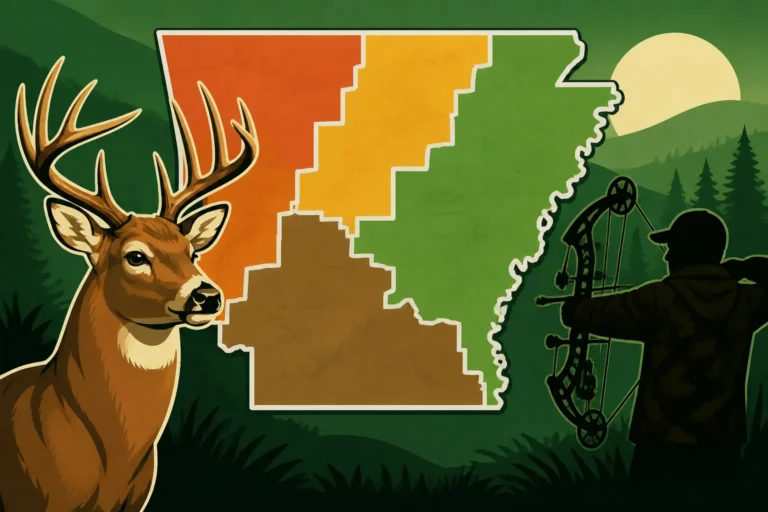
One of the most common head-scratchers for deer hunters in Arkansas, especially those new to a specific area or even long-time hunters trying to keep up with the ever-evolving regulations, is navigating the state's deer zones and their unique rules. It can feel like you need a law degree just to figure out what you can legally harvest. This guide is here to untangle the complexities of Arkansas's deer zones, specifically focusing on those areas that implement the often-discussed three-point rule, ensuring you head into the woods with confidence and clarity.
Understanding Arkansas's Deer Zone System
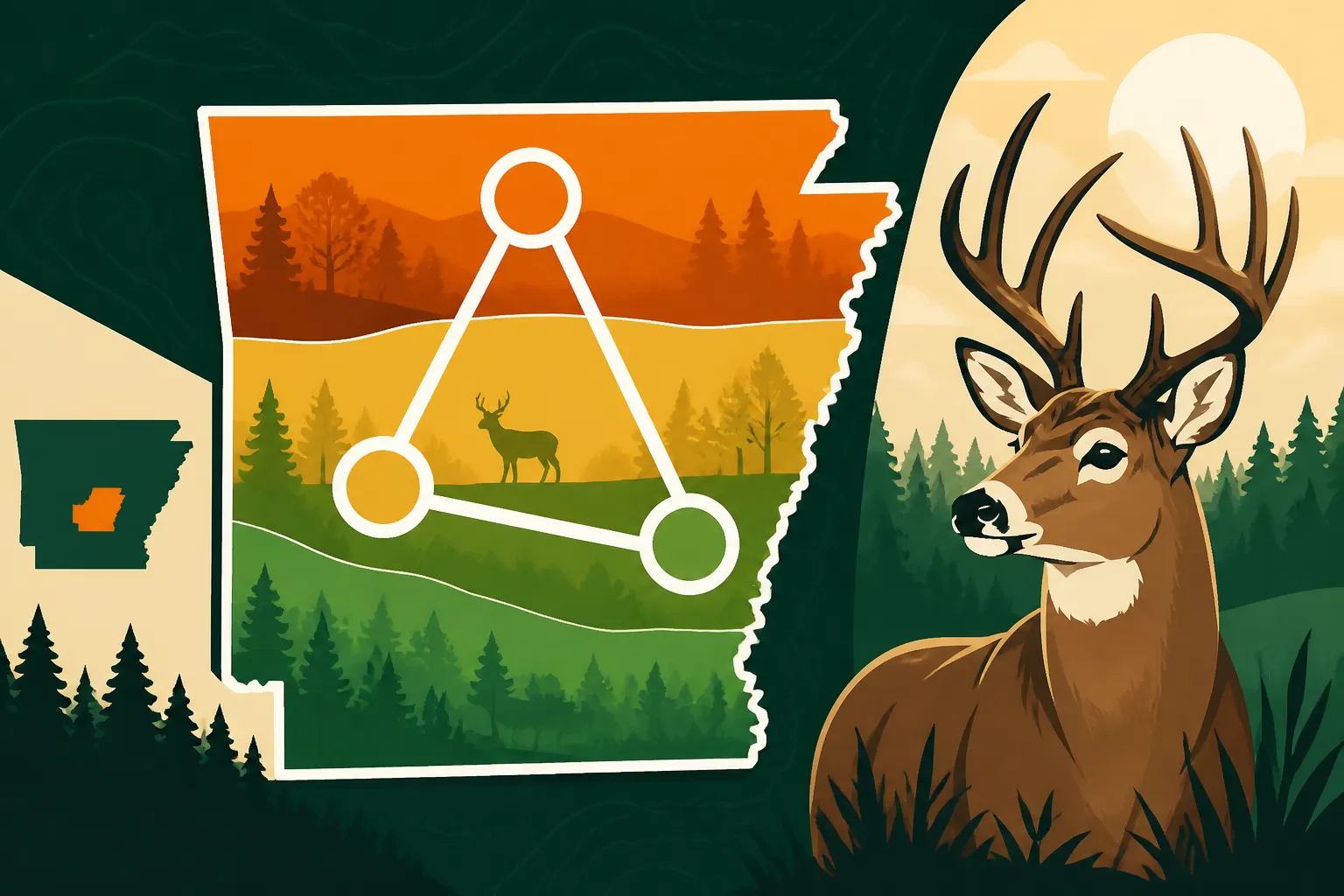
Arkansas is a state rich in diverse habitats, from the rugged mountains of the Ozarks and Ouachitas to the fertile farmlands and flooded timber of the Delta. This incredible variety means that deer populations and their habitats vary significantly across the state, and a one-size-fits-all approach to deer management just wouldn't make sense. That's why the Arkansas Game and Fish Commission (AGFC) has meticulously divided the state into various deer management zones, each with tailored regulations designed to optimize herd health and hunting opportunities for local conditions.
Why Zones Matter for Hunters
Imagine trying to manage deer in the heavily agricultural Delta, where food is abundant and cover might be sparse in places, with the same rules as the vast, timbered public lands of the Ouachita National Forest. It just wouldn't work. In the Delta, deer might reach maturity faster and carry larger racks due to nutrition, while in more mountainous, less fertile areas, deer might mature slower. These zones allow the AGFC to implement specific antler restrictions, bag limits, and season dates that are appropriate for the deer herd in that particular region. For hunters, this means your hunting strategy, from scouting to shot selection, needs to align with the specific zone you're in. Misunderstanding these zone boundaries or their regulations can lead to a violation, which is the last thing any responsible hunter wants.
How Deer Management Zones Are Established
The boundaries of Arkansas's deer zones aren't just drawn randomly on a map. They are the result of extensive biological research, habitat analysis, and harvest data. Wildlife biologists study deer densities, buck-to-doe ratios, fawn recruitment rates, and the overall health of the herd within specific geographical areas. Factors like major rivers, highways, and distinct geographical features often serve as natural boundaries for these zones. The goal is to create areas where deer populations share similar characteristics and can be effectively managed to achieve specific objectives, such as increasing buck age structure, reducing doe numbers, or simply ensuring a healthy, sustainable herd for future generations. This scientific approach ensures that regulations, including the three-point rule, are implemented where they will have the most positive impact on the deer population.
The Three-Point Rule: What It Truly Means
The "three-point rule" is an antler restriction designed to encourage the harvest of younger bucks with less developed antlers, while protecting middle-aged bucks, allowing them to grow into older, more mature animals. For many hunters, especially those accustomed to "any antlered deer" regulations, this rule requires a significant shift in mindset and careful observation before pulling the trigger. It’s all about quality deer management and giving those younger bucks a chance to fulfill their genetic potential.
Defining a Legal Buck Under This Rule
When you hear "three-point rule" in Arkansas, it specifically means that an antlered deer is only legal to harvest if it has at least three points on one side of its antlers, or if its main beam length on one side measures at least 10 inches. This is a critical distinction because a young buck might have two points on one side but a very long main beam, making it legal. Conversely, a buck with small antlers might have three short points on one side and still be legal.
It's absolutely essential to be able to accurately judge a buck's antlers in the field before taking a shot. This requires patience, good optics, and a clear understanding of what constitutes a point (a projection at least one inch long, measured from the base of the projection to its tip, that is longer than its width at one inch or more from its tip). Always remember, if you're unsure, it's always best to let that deer walk and wait for a clearly legal animal. You can find more details about What Counts as a Legal Arkansas Buck through the AGFC resources.
The Management Goals Behind Antler Restrictions
The primary goal of the three-point rule, and other antler restrictions like it, is to manage the age structure of the buck population. In areas where hunting pressure on young bucks is high, it can be difficult for bucks to reach older age classes. By protecting younger bucks (typically 1.5-year-olds), the rule allows them to survive another year or two, grow larger bodies, and develop more impressive antlers. This doesn't just benefit the trophy hunter; it contributes to a healthier, more balanced deer herd overall.
A more balanced age structure among bucks can lead to a more defined and intense rut, as older, more dominant bucks are present to compete for breeding opportunities. It also allows bucks to contribute to the gene pool for longer. Over time, in areas where the three-point rule has been successfully implemented, hunters often report seeing a higher number of mature bucks, which ultimately enhances the hunting experience for everyone. This regulation directly influences the Buck Age Structure Under the Three-Point Rule, aiming for a more robust and older deer population.
Arkansas Deer Zones Implementing the Three-Point Rule
Now for the nitty-gritty: identifying which specific zones in Arkansas are under the three-point rule. This is where many hunters get confused, so let's break it down by region. It's crucial to consult the current year's AGFC hunting regulations booklet or the official website, as zone boundaries and rules can sometimes be subject to minor adjustments.
The Ozark and Boston Mountains Zones (Zones 1, 2, 3)
The northern and western parts of Arkansas are characterized by their rugged, forested terrain, including the Ozark and Ouachita mountain ranges. These areas generally have lower deer densities compared to the Delta, and the deer often mature slower due to less fertile soils and a different forage base. To promote buck age structure in these regions, the three-point rule is a common management tool.
- Zone 1 & 2 (Ozark Mountains): These zones cover a significant portion of the northern Ozarks. The habitat here is primarily forest, with a mix of hardwoods and some pine. Deer rely heavily on mast crops like acorns, and the terrain can be challenging. The three-point rule here is critical for allowing young bucks to mature. When Hunting Ozark Ridges and Hollows for Deer, you'll need to be extra vigilant in identifying legal bucks.
- Zone 3 (Boston Mountains): Located generally south of the Ozark zones and north of the Ouachitas, Zone 3 encompasses the rugged Boston Mountains. Similar to Zones 1 and 2, this area benefits from antler restrictions to protect younger bucks and enhance the overall quality of the herd.
East-Central and South-Central Arkansas Zones (Zones 6, 7, 8, 9, 10, 17)
Moving further south and east into the state, many zones in what might be considered the "transition" areas between the mountains and the Delta, or portions of south-central Arkansas, also implement the three-point rule. These zones often feature a mix of timber, agricultural fields, and more diverse habitats.
- Zone 6 (East-Central): This zone often borders the Delta, but still maintains significant timberlands where the three-point rule is applied.
- Zone 7 (Central Ouachita Mountains): While the three-point rule is common in many Ouachita zones, specific boundaries here apply the rule to ensure management objectives are met in a mix of public and private timberlands.
- Zone 8, 9, 10 (South-Central and Western Delta Fringe): These zones encompass areas with a blend of agricultural land and timber, where the three-point rule helps balance harvest and improve buck age structure.
- Zone 17 (Northeast Arkansas Transition): This zone, often found on the fringe of the Delta in northeast Arkansas, also uses the three-point rule.
It's important to remember that these zone numbers and their exact boundaries can be complex, often following county lines, major roads, or rivers. Always double-check the latest AGFC map or regulations booklet to pinpoint your exact hunting location. Utilizing detailed mapping resources can be a huge help here. Platforms like GoHunt provide advanced mapping layers that can show you exact zone boundaries, helping you confirm if you're in a three-point rule area before you ever step foot in the woods. This is an invaluable tool for ensuring compliance and maximizing your hunt.
Zones Where the Rule Does Not Apply
For context, it's helpful to know where the three-point rule is typically not in effect. These are generally the core Delta zones and some other specific areas where deer populations are high, and the management objective might be to encourage a higher antlerless harvest or allow more flexibility in buck harvest.
- Zones 4, 4A, 5, 5A (Arkansas River Valley & West-Central): These zones, often encompassing the Arkansas River Valley and some west-central areas, typically allow the harvest of any antlered buck, regardless of point count, after certain dates.
- Zones 11, 12, 13, 14, 15, 16 (Delta and South Arkansas): The deep Delta zones and certain areas in south Arkansas, characterized by rich soils, abundant forage from agriculture, and often dense deer populations, usually permit the harvest of any antlered deer. In these areas, the focus often shifts to managing doe populations.
Remember, the rules can change, so annual verification is a must. These zones are often where you'll find intensive agricultural operations and the big-bodied bucks the Delta is famous for, but the management focus is different.
Here's a quick summary table to help visualize the zones and the three-point rule:
| Deer Zone Numbers | General Region | Three-Point Rule Applied | Key Characteristics |
|---|---|---|---|
| 1, 2 | Ozark Mountains | Yes | Rugged, forested, lower deer density. |
| 3 | Boston Mountains | Yes | Mountainous, heavily timbered, good for buck age structure. |
| 4, 4A, 5, 5A | AR River Valley / West-Central | No (Any antlered buck) | Mixed habitat, agriculture, higher deer densities. |
| 6, 7 | East-Central / Central Ouachita | Yes | Transition zones, mix of timber and fields. |
| 8, 9, 10 | South-Central / Western Delta Fringe | Yes | Mixed agricultural and timberland. |
| 11, 12, 13, 14, 15, 16 | Delta / South Arkansas | No (Any antlered buck) | Highly agricultural, high deer density, rich forage. |
| 17 | Northeast AR Transition | Yes | Fringe of the Delta, mix of habitats. |
Note: This table is a general guide. Always check the current AGFC regulations for precise, up-to-date information.
Adapting Your Deer Hunting Strategy to the Three-Point Rule
Hunting in a three-point rule zone isn't necessarily harder, but it definitely requires a different approach. It demands more discipline, better scouting, and a keen eye to make sure the buck you're targeting meets the legal requirements. Rushing a shot or making a poor judgment call can quickly turn a successful hunt into a costly mistake.
Enhanced Scouting and Pre-Season Prep
Before the season even opens, your scouting efforts need to be top-notch in a three-point rule zone. Instead of just looking for any deer sign, you'll want to focus on identifying legal bucks. This means paying closer attention to trail camera photos and diligently reviewing images to count points and estimate main beam length. Look for patterns in where these legal bucks are feeding, bedding, and traveling. Many hunters in these zones spend considerable time studying buck patterns in the off-season, learning individual deer or the general antler characteristics of the local herd.
Utilize resources like GoHunt's mapping tools to identify potential travel corridors, food sources, and bedding areas. These platforms often allow you to overlay private and public land boundaries, elevation changes, and satellite imagery, giving you a comprehensive view of your hunting area. Knowing your hunting area like the back of your hand, down to every small ridge or creek bottom, becomes even more important when you're being selective with your harvest. For more on this, check out Scouting Arkansas Public Land Before Season.
Patience and Shot Opportunity in the Field
When you're actually in the stand or still-hunting, patience is your greatest ally in a three-point rule zone. It's common to see numerous young bucks that are not legal under the rule. Resist the urge to draw your bow or shoulder your rifle until you've had ample time to positively identify the buck as legal. This often means letting the deer get closer, observing it for longer, and potentially waiting for it to present a clear broadside view where you can assess its antlers.
Don't be afraid to pass on a buck if you're not 100% sure. The goal of the rule is to let those young bucks grow, and by exercising patience, you're directly contributing to the management goals of the zone. This discipline can be tough, especially when the rut is in full swing and deer are moving, but it's essential. Waiting for a truly legal buck, even if it means going home empty-handed a few times, will make the eventual successful harvest even more rewarding. Learning to judge deer quickly and accurately is a skill that comes with practice, and patience is the foundation of that practice.
Utilizing Mapping Tools Like GoHunt
In today's hunting world, digital mapping tools are no longer a luxury, they're practically a necessity, especially when dealing with complex regulations like the three-point rule. Services like GoHunt allow you to download maps for offline use, which is incredibly helpful in areas with spotty cell service, common in Arkansas's more remote zones. You can mark your stand locations, observe deer movement patterns, and even verify your position relative to zone boundaries in real-time. This can be crucial if you're hunting near a boundary between a three-point rule zone and an "any antlered" zone, preventing an accidental violation.
Beyond just boundaries, these apps can help you pinpoint specific habitat features that might hold older bucks. For example, identifying dense cover near a food source or a remote ridge that gets less hunting pressure can lead you to a legal buck. GoHunt's various map layers provide invaluable insights into terrain, vegetation, and potential pinch points, all of which contribute to a more informed and ethical hunt in areas with specific antler restrictions. Knowing exactly where you are and what the rules are for that specific spot takes away a lot of the guesswork and anxiety, allowing you to focus on the hunt itself.
Disclaimer
Please be aware that hunting regulations, including deer zone boundaries, season dates, and specific rules like the three-point rule, can change annually. It is solely the hunter's responsibility to consult the most current official Arkansas Game and Fish Commission (AGFC) hunting regulations booklet or website before engaging in any hunting activity. This guide is for informational purposes only and should not be considered a substitute for the official regulations.